
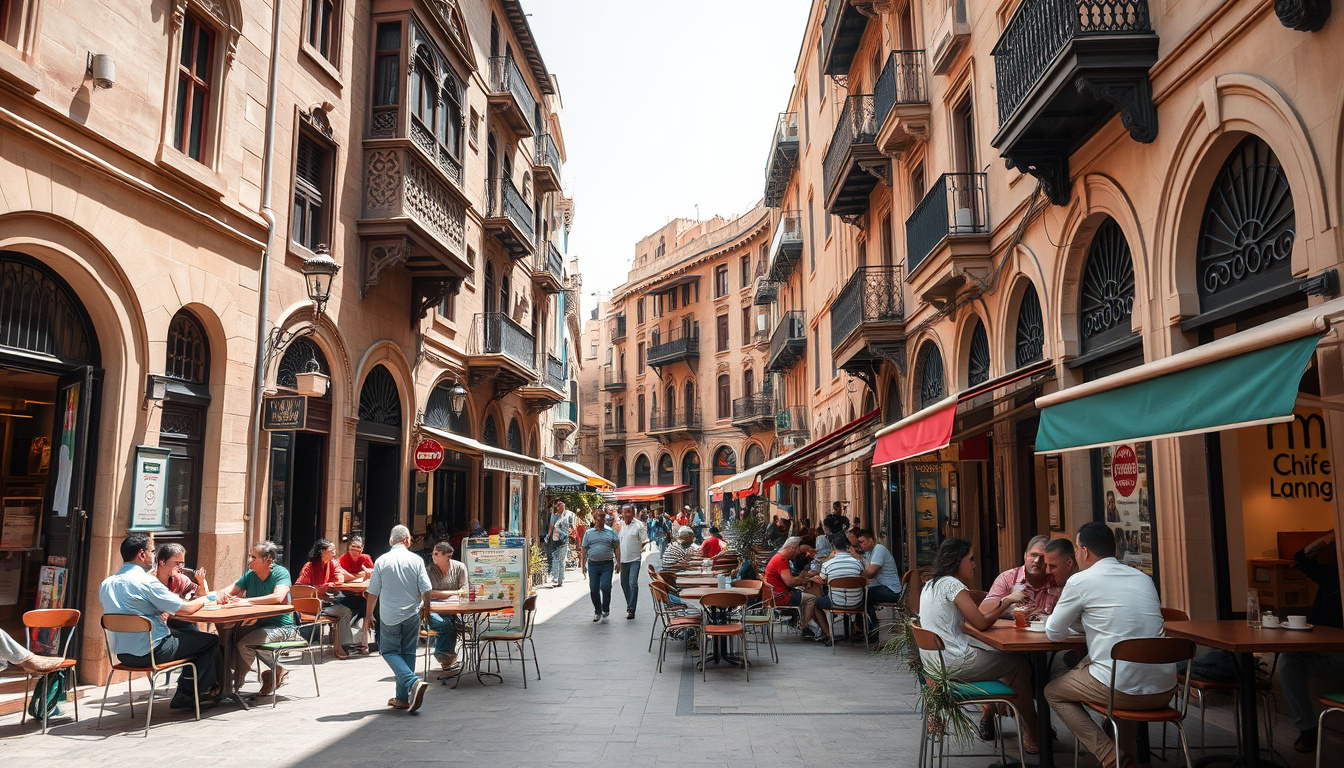
Cairo, known for its rich history and vibrant culture, is a city where heritage meets modernity.
Recently, a significant shift in policy regarding commercial establishments in historic neighborhoods has made headlines.
Governor Ibrahim Saber has declared a suspension on new licenses for cafés and restaurants in several of Cairo’s iconic districts, including Heliopolis, Maadi, Zamalek, and Garden City.
This decision, approved by the Supreme Committee for Public Shop Licenses, aims not only to protect the architectural heritage of these areas but also to uphold the peaceful residential atmosphere that residents cherish.
In this article, we will explore the impact of this suspension on local businesses, delve into community reactions, and discuss what the future holds for these historic districts.
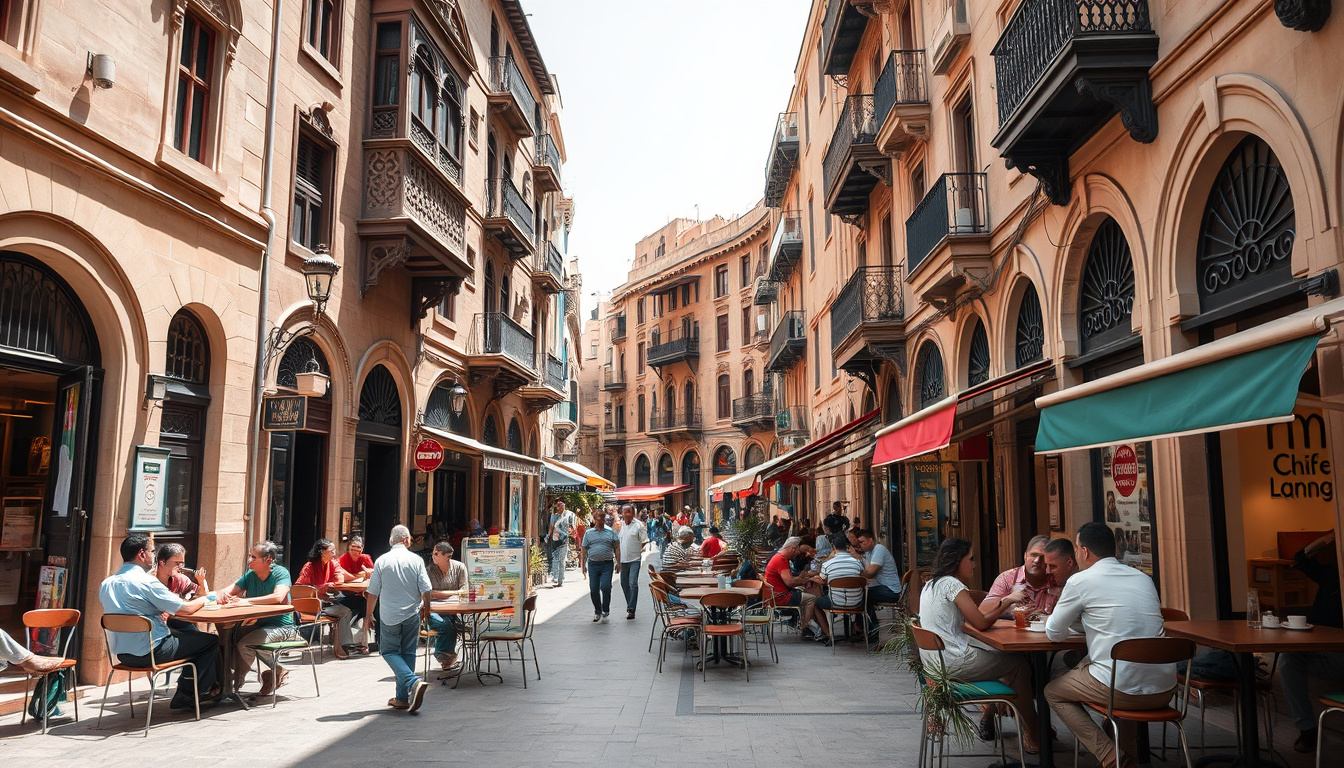
Key Takeaways
- New licenses for cafés and restaurants in historic Cairo districts are suspended to preserve architectural heritage.
- The decision aims to address residents’ concerns about noise pollution and disturbances from commercial activities.
- The governor’s action seeks to maintain the residential character of neighborhoods by preventing the conversion of homes into businesses.
Impact of the Suspension on Local Businesses
The recent suspension of new café and restaurant licenses in several prominent neighborhoods of Cairo is sending ripples throughout the local business community.
With Governor Ibrahim Saber’s decision impacting iconic districts like Heliopolis, Maadi, Zamalek, and Garden City, existing establishments now find themselves in a unique position as they retain their licenses while new entrants face significant barriers to entry.
This regulatory shift underscores a mounting concern for residents who have voiced their discontent about noise pollution and the disruption caused by rampant commercial expansion in these historic locales.
By prioritizing the preservation of architectural heritage and the tranquility of residential areas, the governor is not only responding to public outcry but also aiming to maintain the distinct character that makes these neighborhoods so desirable.
As local businesses navigate this new landscape, existing cafés and restaurants may benefit from a less competitive environment, while potential new ventures face a greater hurdle.
This suspension could ultimately reshape the culinary scene in these beloved areas, transforming how residents and visitors enjoy dining experiences while simultaneously protecting the essence of Cairo’s rich urban fabric.
Community Reactions and Future Prospects
Community reactions to Governor Ibrahim Saber’s suspension of new café and restaurant licenses have been mixed, reflecting a diverse range of opinions among residents and business owners.
Many residents have welcomed the decision, expressing relief that their neighborhoods will remain quieter and less congested, thereby preserving their quality of life.
These communities see it as a step towards maintaining an optimal balance between urban commercial activity and residential peace.
Conversely, local business owners and potential entrepreneurs have raised concerns about the limitations imposed on new ventures, arguing that stifling competition may hinder economic growth and innovation in the food and beverage sector.
As establishments adjust to this new regulatory framework, future prospects hinge on how effectively the government can address the underlying issues that prompted this decision, such as noise pollution and the transformation of historic districts.
The success of these changes will largely depend on collaborative efforts that consider both community needs and the business environment.