
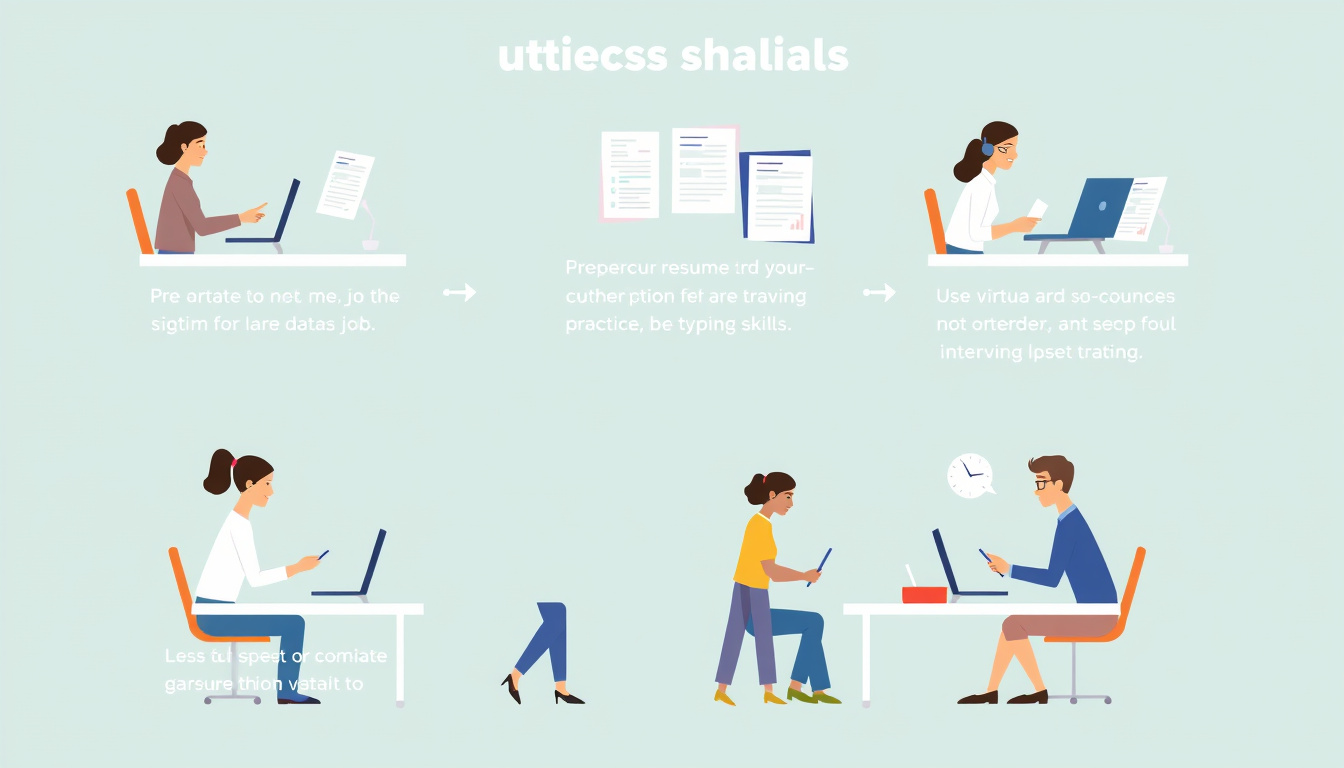
Data entry jobs have become a popular way for beginners to earn money online. Whether you’re seeking part-time flexibility or a full-time remote position, data entry offers diverse opportunities that match a wide range of skills and interests. However, starting your journey can feel overwhelming without clear guidance. This beginner’s guide breaks down everything you need to know—from understanding different types of data entry jobs to avoiding scams and finding legitimate opportunities.
Understanding Different Types of Data Entry Jobs
Before diving into job applications, it’s important to recognize that “data entry” is an umbrella term covering various tasks. Knowing what each type involves helps you match jobs to your skills and interests.
Common Types of Data Entry Roles
- Data Cleaning: Involves checking and correcting data for accuracy.
- Transcription: Converting audio or video recordings into written text.
- Annotation and AI Training: Tasks like labeling or categorizing images, videos, or texts to train AI systems.
- Basic Typing Tasks: Inputting numbers, text, or other information into databases or spreadsheets.
Each type may require different levels of skill and expertise, and compensation varies accordingly. For instance, transcription might require specialized listening and typing skills, while basic data cleaning may be more accessible for beginners.
Potential Earnings in Data Entry
While data entry jobs can offer flexible income, understanding earning potential sets realistic expectations. Entry-level data entry roles that require minimal skills might pay a few dollars per hour or per task. In contrast, specialized or full-time positions can provide a more substantial income.
Examples of typical earnings (as gathered from various job platforms) include:
- Up to around $16-$27 per hour for many remote data entry jobs.
- Annual salaries ranging from $40,000 to as much as $65,000 for full-time roles with more responsibilities or specialized skills.
Remember, location plays a part too. Some countries may offer higher pay rates depending on the cost of living and demand. Higher pay usually corresponds with jobs requiring advanced skills or experience.
Essential Skills Needed for Data Entry Jobs
While requirements differ by job, several fundamental skills are crucial for success:
Basic Computer Proficiency
You need to be comfortable navigating computers. This includes using software like Microsoft Excel, Google Sheets, or specific data entry platforms. Advanced skills aren’t mandatory, but a basic understanding of operating a computer and software tools is essential.
Organizational and Time Management Abilities
Data entry often involves repetitive tasks that require focus and discipline. Being able to organize your work and manage your time effectively ensures productivity, especially if you’re working remotely with minimal supervision.
Communication Skills
Good communication is necessary when the job involves collaboration or reporting to employers. For short-term or one-time tasks, this may not be critical. Still, clear communication can improve your professional relationships and job retention.
Beware of Data Entry Scams
Unfortunately, the data entry field attracts scams due to its popularity and accessibility. Common scams involve promises of very high pay with minimal work, upfront fees, or requests to move conversations off official platforms (e.g., Telegram) where tracking is difficult.
How to Avoid Scams
- Avoid jobs that require you to pay money upfront.
- Be cautious if the job promises unrealistically high earnings.
- Stick to reputable job platforms and verified employers.
- Research the company or person offering the job.
- Consult guides or articles from trusted sources about scam identification.
Necessary Tools to Get Started
Starting a data entry job typically requires only a few essential tools:
- A Reliable Computer: Most tasks are done on a PC or laptop. While some small data entry jobs allow mobile phones, this is uncommon and less efficient.
- Internet Connection: Stable and sufficient bandwidth is vital for uploading, downloading, and accessing online platforms.
- Headphones: May be necessary for transcription jobs or audio-related tasks.
- Software/Platforms: Sometimes specific software is required, which the employer usually provides or guides you on.
How to Apply for Your First Data Entry Job
The application process depends on the nature of the job:
Longer-Term Part-Time or Full-Time Roles
- Typically require a traditional application process.
- Submit a resume and cover letter.
- Possibly complete tests or interviews.
- Secure your position through an offer after screening.
Short-Term or Task-Based Jobs
- Usually found on freelance or micro-task platforms.
- Sign-up is straightforward, often free.
- Basic training modules may be required but usually unpaid.
- Start working quickly without much formal application.
Where to Find Legitimate Data Entry Jobs
Finding genuine jobs requires using trusted platforms that screen their listings carefully.
Trusted Job Platforms for Data Entry
- FlexJobs: Offers a wide selection of flexible and remote jobs. It is a paid platform but focuses on legitimate, vetted job postings. Ideal for part-time or full-time positions with reliable payment.
- Remotasks: Popular for beginners interested in small data entry and annotation tasks. It offers accessible training but pays modestly.
- Hive Micro: Another micro-tasker platform focusing on annotation, transcription, and similar jobs.
- Upwork and Fiverr: Freelance sites where you can find data entry gigs, though competition is high, and you must build a reputation.
Using multiple platforms simultaneously increases your chances of finding the best-fit opportunities.
Step-by-Step Tips to Get Started
- Assess Your Skills: Ensure you have basic computer knowledge and a quiet workspace.
- Choose Your Job Type: Decide if you prefer small task-based gigs or more permanent roles.
- Set Up Your Workspace: Get a reliable computer and internet connection.
- Research Platforms: Start with reputable sites like FlexJobs for serious roles or Remotasks for quick tasks.
- Create a Strong Application: Prepare a clear resume highlighting attention to detail, typing speed, and any relevant experience.
- Complete Required Training: Many platforms require basic unpaid training. Approach this seriously as it prepares you for tasks.
- Beware of Scams: Always vet offers carefully.
- Start Applying and Be Persistent: Initial rejections are common; keep refining your approach.
Frequently Asked Questions (FAQs)
1. Do I need prior experience to start a data entry job?
Not always. Many entry-level data entry jobs require no prior experience but expect basic computer skills and attention to detail. More specialized roles may require experience or additional skills.
2. Can I do data entry jobs from my phone?
While possible in rare cases, most data entry jobs are best done on a computer for efficiency and access to necessary software.
3. How do I verify if a data entry job offer is legitimate?
Check the company’s reputation online, avoid offers requiring upfront payments, prefer well-known job platforms, and look for clear job descriptions and reasonable payment terms.
4. Is data entry a sustainable full-time job?
It can be, especially with specialized or higher-paying roles. However, many beginners start with part-time or task-based jobs that supplement income.
5. What is the average typing speed needed for data entry?
A typing speed of 40-60 words per minute is a good baseline, but requirements vary depending on the job.
6. Are there any certification courses for data entry to improve job prospects?
Some online courses teach data entry and related skills, which may boost your qualifications but are not typically mandatory.
7. How do I increase my earning potential in data entry?
Gain experience, develop specialized skills like transcription or database management, and apply for higher-level positions on trusted platforms.
Conclusion
Securing your first data entry job as a beginner is entirely feasible with the right approach. Understanding the variety of data entry roles and required skills helps tailor your job search effectively. Always prioritize legitimate opportunities by using trusted platforms and guarding against scams. With fundamental computer skills, organizational ability, and persistence, you can start earning through data entry—whether as supplemental income or a stepping stone to a broader career in the digital workplace. Take advantage of the resources available, apply consistently, and soon you can find a data entry job that fits your goals and lifestyle.