
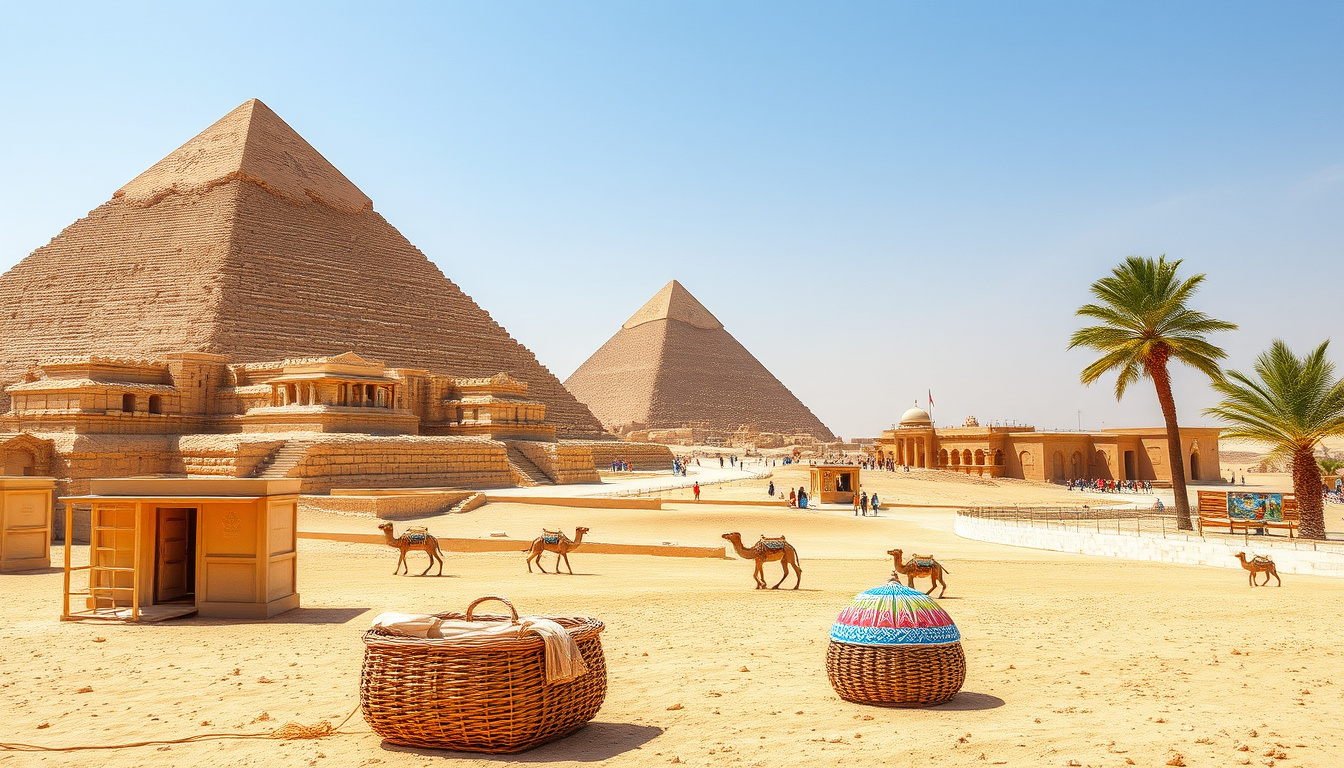
Egypt is a captivating destination, rich in history, culture, and natural beauty. From ancient monuments to vibrant cityscapes and pristine beaches, planning a trip here requires some important insights to ensure a smooth and memorable experience. Whether you’re visiting the iconic Pyramids of Giza, snorkeling in the Red Sea, or exploring bustling markets, this guide offers essential tips and information for your Egyptian adventure.
Arrival and Visa Information
When visiting Egypt, one of the first things to consider is your visa. Egypt offers a 30-day all-inclusive visa for just $25 USD, obtainable upon arrival at major airports, including Sharm El Sheikh. This visa is versatile, allowing travel across regions such as Cairo, Alexandria, and Luxor. However, if you choose a regional visa instead, you might need to apply for additional visas when crossing different districts.
Tips for Smooth Arrival
- Ensure you carry sufficient cash for the visa fee (USD or local currency).
- Have your passport valid for at least six months from your arrival date.
- Keep your visa receipt safe; it may be required upon departure or when changing travel regions.
Best Time to Visit Egypt
Egypt’s climate varies throughout the year, strongly influencing the comfort of your trip. The ideal travel window is generally from October to April, when temperatures are mild and pleasant.
What to Expect Seasonally
- October to April: Comfortable days suitable for sightseeing and outdoor activities.
- May to September: Can be incredibly hot, especially in July, the hottest month. Midday (12 pm – 3 pm) in summer should be avoided when visiting outdoor sites like the pyramids.
If you’re visiting during warmer months, plan indoor or water activities during peak midday heat and schedule sightseeing for mornings or late afternoons.
Understanding Egypt: Culture and Population
Egypt is home to around 102 million people, primarily Arabic-speaking, reflecting its place as a significant Arabic nation. It is recognized worldwide as one of the cradles of civilization, with some of humanity’s oldest historical records originating here.
Egypt is often described as a country of contrasts, featuring:
- Old Egypt: Historic areas like Old Cairo, filled with traditional markets, ancient architecture, and a rich cultural atmosphere.
- New Egypt: Modern cities such as New Cairo boast contemporary amenities, corporate restaurants, and upscale shopping centers, reflecting the country’s rapid development in the last six decades.
Staying Safe During Your Trip
While Egypt is generally safe for tourists, it’s important to exercise caution, especially in crowded places like Cairo. Locals are friendly, but like any major tourist destination, petty scams and hustlers can be present.
Safety Tips
- Daytime travel is advisable; crowds thin out and locations are better lit during daylight.
- Avoid wandering alone at night in unfamiliar areas.
- If you feel uneasy, hire a professional tour guide to accompany you — this can greatly ease stress and prevent misunderstandings.
- Always negotiate prices upfront to avoid unexpected fees, especially when engaging vendors near tourist hotspots like the pyramids or bazaars.
Navigating the Hustle: Handling Vendor Interactions
Egyptian markets and tourist sites often feature vendors offering goods or services aggressively. Here’s how to stay savvy:
- Always clarify prices before accepting any services or purchases.
- Be firm about the agreed price and avoid engaging in transactions with unclear or vague terms.
- Booking tours through your hotel often avoids haggling and ensures safer, more reliable experiences.
Exploring Egyptian Cuisine
Egyptian food is diverse and delicious, featuring a balanced mix of meats, vegetables, and grains. Common dishes include:
- Kebabs, Shawarma, and Falafel: Popular grilled or fried meats and vegetarian options.
- Stuffed vegetables and rice: Traditional dishes often seasoned with regional spices.
- Salads: Fresh tomatoes, greens, and dips like hummus.
- Bread: Various types are staples of Egyptian meals.
Eating Tips
- Be cautious with street food and tap water to avoid digestive issues; seek freshly cooked meals or dine where hygiene standards appear maintained.
- Breakfasts in hotels are usually safe and include eggs, cheeses, and local yogurts. Note that pork products like bacon are uncommon due to religious dietary restrictions.
Accommodation Options
Egypt offers a wide range of lodging, from luxurious resorts to affordable apartments:
- Resort Hotels: Many international hotel chains operate in Egypt’s prime destination spots like Cairo, Luxor, and Sharm El Sheikh, offering world-class service.
- Airbnb: Available throughout the country, with some apartments as low as $20 per night. However, it’s essential to research neighborhoods carefully for safety and accessibility.
Transportation Tips for Travelers
Getting around Egypt depends on your itinerary scale:
- Long Distance: Flights or sleeper trains connect cities like Luxor and Cairo conveniently.
- Short Distance: Private cars or buses are options, though buses can be unreliable.
- Within Cities: Hiring a private driver or using guided tours is generally safer and more efficient than renting a car.
Must-Do Activities Across Egypt
Egypt offers diverse experiences depending on your location:
In Historic Cairo and Luxor
- Visit the Pyramids of Giza and the Sphinx.
- Explore Valley of the Kings and temples like Horus and Abu Simbel.
- Take a leisurely Nile River cruise with live entertainment and meals.
Along the Red Sea Coast
- Enjoy snorkeling and diving in world-class coral reefs near Sharm El Sheikh, Hurghada, and Charm El Sheikh.
- Try water sports like parasailing, jet skiing, and banana boat rides.
- Stroll along floating docks and relaxing beaches.
Adventure and Hiking
- Climb Mount Sinai (Moses’ Mountain)—a popular overnight hike to reach the sunrise summit, usually starting around 1 am to avoid daytime heat.
Frequently Asked Questions (FAQ)
Q1: Do I need a visa to visit Egypt?
Yes, most travelers require a visa, which can be obtained on arrival for $25 USD for a 30-day all-region visa.
Q2: When is the best time to visit Egypt?
October to April offers the best weather, with manageable temperatures for sightseeing.
Q3: Is Egypt safe for tourists?
Egypt is generally safe during the day. Exercise common travel caution in busy areas and consider hiring a guide if you’re uncertain.
Q4: Can I drink tap water in Egypt?
It’s best to avoid tap water. Drink bottled water to prevent stomach discomfort.
Q5: What transportation options are recommended?
For long trips, flights or sleeper trains are best. Within cities, private drivers or tours are recommended for convenience and safety.
Q6: Are there Western food options available in Egypt?
Yes, especially in New Cairo and bigger cities, you can find familiar international chains like Starbucks, Dunkin Donuts, and Krispy Kreme.
Conclusion
Egypt remains one of the world’s most captivating travel destinations, offering a remarkable blend of ancient wonders, rich culture, and modern conveniences. Proper planning—from securing your visa to timing your visit and choosing safe transportation options—will maximize your enjoyment and comfort. Whether you’re scaling the heights of Mount Sinai, cruising the Nile, or exploring the bustling streets of Cairo, this essential guidance equips you with the knowledge to embark on a memorable Egyptian adventure confidently. Embrace the contrasts, savor the cuisine, and delve deep into the cradle of civilization on your journey through Egypt. Safe travels!