
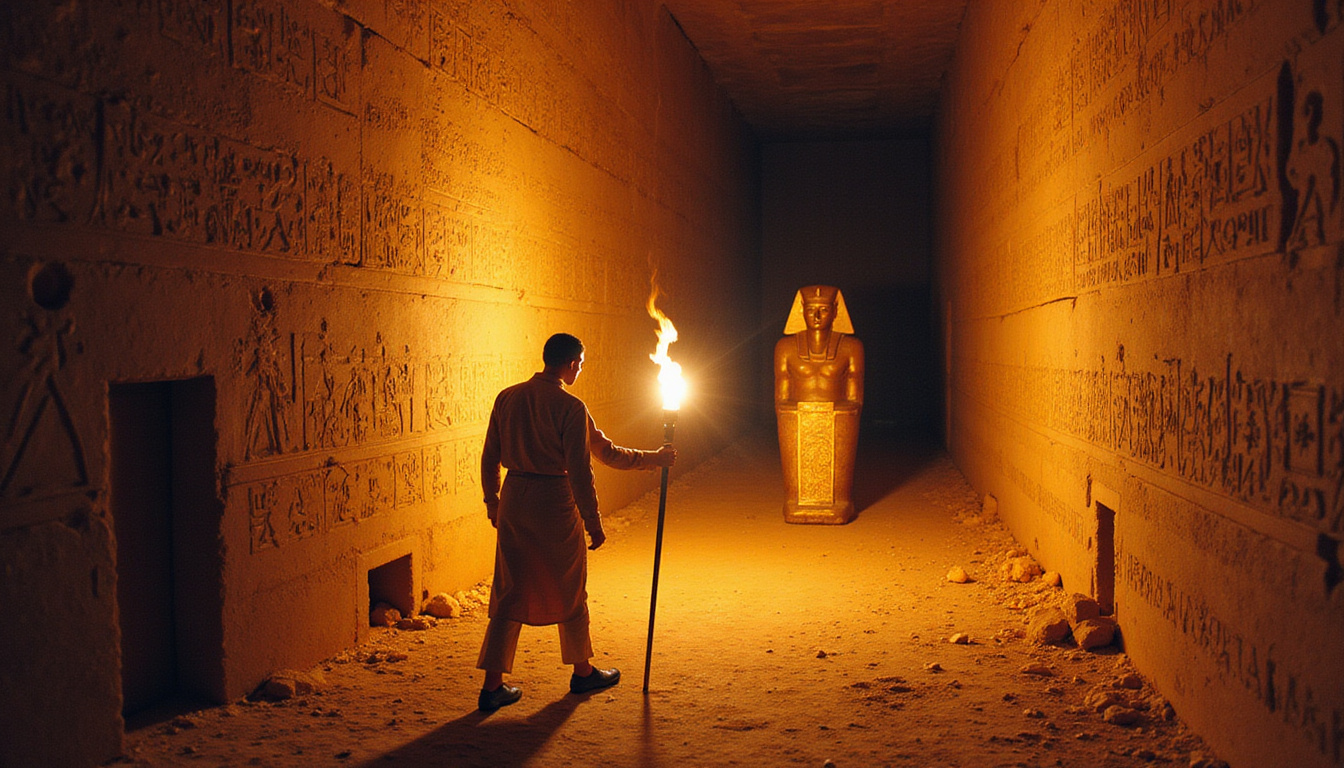
The Valley of Kings lies near Luxor. It is known as a royal graveyard. Carved in desert cliffs, the tombs sit side by side. When you visit, you may see many tombs, many ticket types, and many tour options. This guide shows how to plan your visit so you learn each step and see more than most travelers.
Why the Valley of Kings Is Worth a Visit – And How Planning Helps
From the 16th to the 11th centuries BCE, the Valley of Kings held the graves of pharaohs, nobles, and high officials, including the young king Tutankhamun. More than 60 tombs lie here, and new secrets still come to light.
For you, the challenge is not whether the site is good. It is which tombs to see; how to avoid too many people and too much heat; how to know what you see; and how to make good use of your time and ticket.
A bit of planning lets you move from tomb to tomb with clear steps instead of being lost among many buses.
How the Area Is Laid Out: East Valley and West Valley
Visitors usually go to the East Valley. Here, most open tombs stand near each other. The West Valley stays quiet and sees fewer people. It is best for those who love archaeology or travel by private ride.
Key points for each area:
- East Valley
- Main area for visitors
- Ticket office and shuttle spot
- Most popular tombs lie here
- West Valley
- Has fewer tombs that you can visit
- May need private transport or a special tour
- A good choice if you already know the main area or want a deeper look
If you are new, stick to the East Valley. Even there, the tombs show a lot of wonder.
Tickets and Entry: What You Need to Know
The ticket rules can be hard to follow. Here is a clear, step-by-step guide:
Standard Valley of Kings ticket:
- Lets you enter the site
- Allows you to visit three of the standard tombs
- Does not include some tombs that need extra tickets
Extra tomb tickets (sold separately) may include:
- KV9 – Ramses V/VI
- KV17 – Seti I
- Others that sometimes need extra care
Tutankhamun’s tomb (KV62):
- Has a separate ticket
- Is smaller than many expect, yet still very famous
Rules may change if work is done at the site. Check the latest details before you go using the official Egyptian Ministry channels or a trusted local tour service.
Best Time to Visit the Valley of Kings
When you come can change your stay:
Season:
- October to April: Good weather, better heat
- May to September: Very hot, especially at noon
Time of day:
- Come when the site opens to face less heat and fewer people
- If you cannot come early, try the late afternoon
- Avoid the middle of the day if you feel weak in heat
Bus groups may come at the same time, so early arrival means fewer people at each site.
Tombs Worth Seeing (When They Are Open)
Not all tombs stand open all the time, as staff protect the delicate art. Still, these highlights often welcome visitors:
1. Tomb of Ramses III (KV11)
- A long corridor leads to small rooms
- Walls show bright paintings
- Scenes from the Book of the Dead come to life
This tomb helps you learn how royal burials are arranged.
2. Tomb of Ramses IX (KV6)
- Easy to walk inside
- Clear, bright reliefs on the walls
- Good for photos and to get your bearings
This tomb is often part of most basic tours.
3. Tomb of Merenptah (KV8)
- This tomb feels large and grand
- Long corridors pass many rooms
- Its size shows the scope of royal design
You can see how big and careful these spaces were built.
4. Tomb of Tutankhamun (KV62) – A Separate Ticket
- Known well for history but physically small
- Has some wall images and displays the mummy of Tutankhamun
- Many of its treasures stay in museums
If you are short on time or cash, know the room is small. The real gifts lie in museum displays. Yet, standing in the room can still be a strong move.
5. Extra Tombs: Ramses VI (KV9) & Seti I (KV17)
KV9 (Ramses V/VI):
- Offers brilliant wall art
- A long corridor leads to a striking burial room
KV17 (Seti I):
- Often called one of the finest tombs in Egypt
- Shows high-quality reliefs and careful art
- Costs more but fills you with awe
If your budget lets you, choose one of these to see royal art in a deep way.
How to Pick Your Three Standard Tombs
Your standard ticket covers three tombs. Think of these points:
- Try for variety. Choose tombs that differ in size, depth, and wall art.
- Ask staff which open tombs shine with color today.
- If a tomb is very busy, you may choose a quieter one instead.
For example, you might pick:
- Tomb of Ramses III (KV11) – for its bright wall scenes
- Tomb of Merenptah (KV8) – for its size and grand style
- Tomb of Ramses IX (KV6) – for its ease of access and photo chance
Tips to Set Your Visit on the Right Path
Many visitors miss small details about the work needed to visit the Valley of Kings. Here are simple, practical tips:
Dress and Gear
Wear:
- Light, airy clothes
- A hat that casts a good shadow
- Closed shoes that work well on uneven ground
Bring:
- 1–2 liters of water per person
- Sun cream and your shades
- A small bag to keep keys and cash
- Some cash for extra costs and guides
Rules for taking pictures may shift. Check signs or ask your guide before clicking a photo. Some places do not allow flash.
Beat the Heat and Tiredness
The valley sits in open air, and tombs have stairs and ramps. Save your strength by:
- Starting with the tomb farthest from the shuttle drop-off
- Mixing a tomb that needs more steps with one that is easier
- Taking short pauses in shaded spots between tombs
Sometimes, the air in a tomb can feel thick. If you feel light, step out and sip more water.
How to Act Inside the Tombs
Follow these steps to keep the site safe:
- Do not touch the walls, as your touch can harm the paint.
- Keep your voice soft; the narrow halls carry sound.
- Follow rules given by staff about moving and pictures.
- Let friends pass by if space is tight.
Your care helps keep these treasures safe for years to come.
Understanding What You See
When you stand in the tombs, each part links close to the next. Here are the basics:
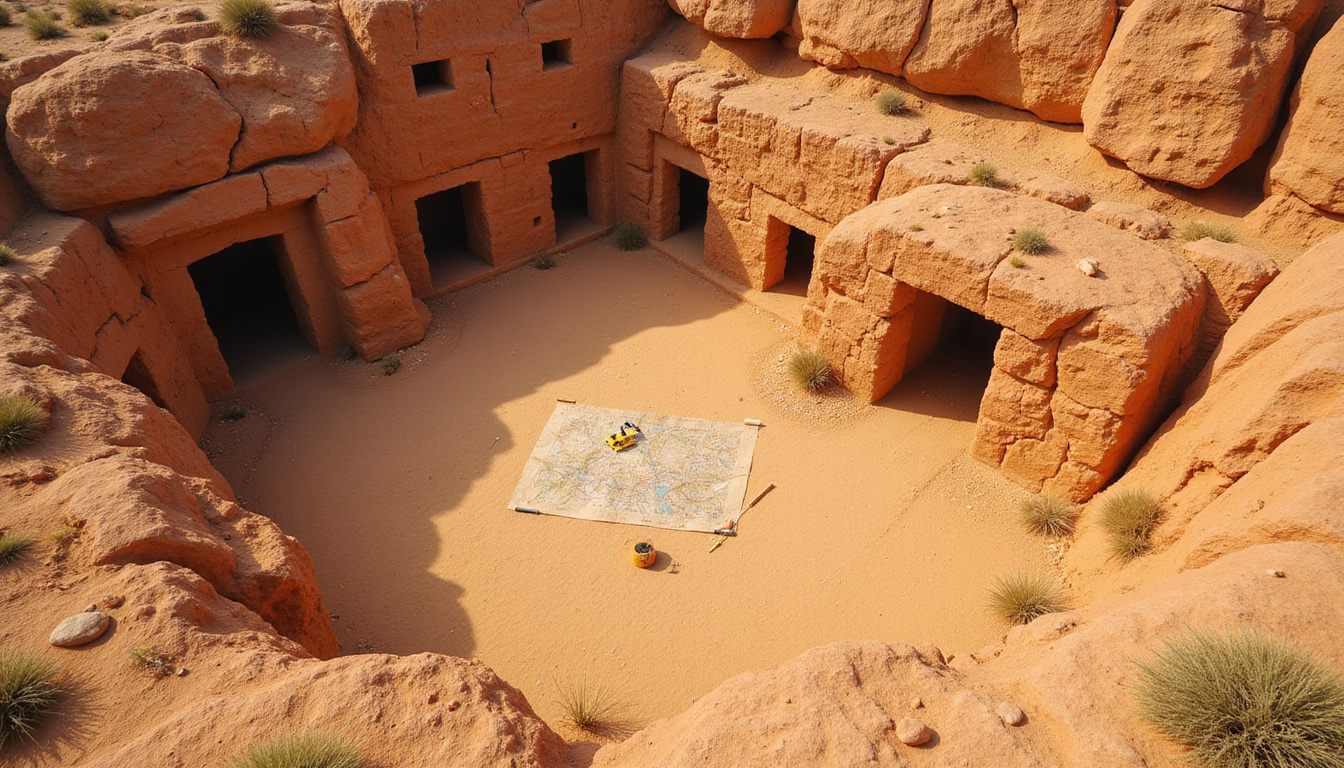
The tomb layout usually starts with a path that goes down. It leads through a few rooms to the burial room deep below.
The walls display:
- Scenes from royal texts
- Pictures of gods and the path of life
- Symbols of prayers and the royal rise with the sun
Many symbols appear in each room:
- Blue and yellow show the sky filled with stars.
- Snakes can mean safety or danger.
- Boats mark the day’s long journey across the sky and below.
If you do not have a guide, a small book or a printed chart can help you understand the signs.
Guided Tour vs. Going on Your Own
Both ways work. Compare these points:
Guided Tour
• A guide gives a clear story for each tomb.
• A guide helps choose ticket types and the best route.
• A guide takes care of simple steps like transport and timing.
• Often, extra sites join the tour (like Hatshepsut’s temple).
Going Solo
• You choose which tomb to see and how long to linger.
• You can take your own breaks and spend time where you like.
• This is good if you like a calm pace.
Some choose both: hire a guide for a few hours and then walk on alone to revisit spots.
One-Day Plan for the Valley of Kings
Try this plan and change it as needed:
- Arrive when the site opens. Buy your standard ticket and one extra ticket if you want a special tomb.
- Take the shuttle to the main area and enter a premium tomb (for example, KV9).
- See two standard tombs that give a mix of colors and sizes (for example, KV11 and KV8).
- Take a short break. Drink water and then decide if you want to see Tutankhamun’s tomb.
- Use your final standard tomb ticket on a spot that staff say is best that day.
- End with some photos and a slow walk in the valley to feel the mood.
If you plan to see other nearby sites in one day, be sure to keep your tomb visits brief but clear.
Quick List: Before You Set Out
Set up your day by doing these tasks:
• Check recent updates on the ticket plan and which tombs are open
• Arrive early in the morning
• Decide in advance if you want to spend more for extra tombs or Tutankhamun’s room
• Pack enough water, sun cream, and cash
• Read a simple guide on tomb layout and symbols so nothing feels unclear on site
FAQ: About Visiting the Valley of Kings
How long does a visit last?
Most visitors spend 2–4 hours here. They include travel time, walking among the tombs, and bus rides. If you enjoy history or extra tombs, plan for half a day.Is it good to see the Valley of Kings if I have visited other sites?
Yes. The Valley of Kings in Luxor shows many royal scenes and wall art that stand apart from other sites.Can I go without a guide?
Yes. You can buy tickets at the gate and follow the signs. Yet, a guide can add extra facts and help you pick the tombs that suit you best.
Turn Your Visit into a Special Memory
The Valley of Kings is more than names on a list. It is a quiet city below the desert where kings prepared for the next life. With clear planning, careful ticket choices, and a bit of reading, you can move from tomb to tomb with clear links between each step. Your careful moves will let you enjoy each small detail instead of feeling rushed.
Get ready to set your route, pick the tombs that speak to you, and work with a local expert if you wish. With each clear step, your visit to the Valley of Kings can mark one of the best days of your trip in Egypt.