
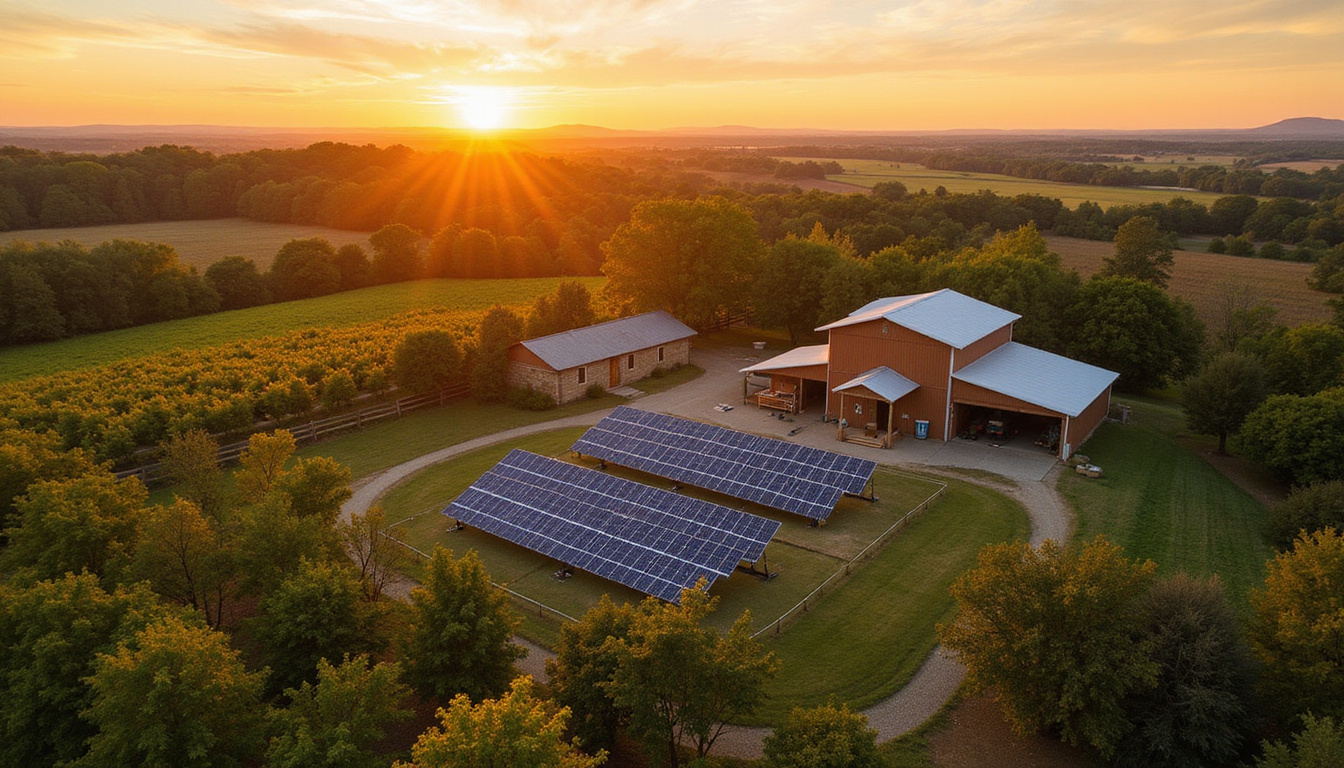
Rural properties are no longer just for farmers and weekend escape seekers. As more buyers look for space, privacy, and long‑term value, rural real estate has become one of the most interesting—and misunderstood—segments of the market. Whether you’re eyeing a farmhouse on the outskirts of Cairo, a plot near the Nile Delta, or a village home in Upper Egypt, understanding the hidden profits and smart upgrades that rural properties offer can turn a simple purchase into a strategic investment.
Why Rural Properties Are Suddenly on Everyone’s Radar
Several powerful trends are pushing demand for rural properties in Egypt and beyond:
- Rising city prices driving buyers outward
- Remote and hybrid work allowing people to live further from urban centers
- Demand for second homes and weekend retreats
- Interest in small‑scale farming, eco‑tourism, and agri‑business
At the same time, the Egyptian government has been expanding infrastructure—roads, utilities, and new service hubs—connecting villages and small towns more effectively to major cities (source: World Bank – Egypt overview). That connectivity is turning previously overlooked rural areas into promising investment zones.
The Hidden Profits in Rural Real Estate
Most buyers see rural properties as cheaper alternatives to city units, but the real value is often hidden in three layers: land potential, income streams, and appreciation.
1. Land Potential: You’re Not Just Buying a House
In rural areas, the land is often more valuable than the building itself. This opens up options that simply don’t exist with a typical apartment:
- Subdivision potential: Larger parcels can sometimes be subdivided into smaller ones and resold.
- Change of use: Depending on zoning and local approvals, agricultural plots can be upgraded for residential or mixed use over time.
- Future development corridors: Proximity to planned highways, industrial zones, or new residential communities can dramatically increase land value.
For rural properties around major Egyptian cities like Cairo, Giza, and Alexandria, even small, well‑located parcels can gain substantial value as cities sprawl outward.
2. Multiple Income Streams from One Asset
Unlike a single apartment that usually has one rent check attached to it, rural properties can generate layered income:
- Residential rent: Lease the existing home to a long‑term tenant.
- Agricultural income: Grow cash crops, olives, dates, citrus, or rent the land to a local farmer.
- Storage and parking: Use barns, sheds, or open land as storage for equipment or parking for trucks.
- Short‑term stays: Offer rooms or the whole house as a rural retreat for local and foreign visitors.
- Workshops or microbusinesses: Host beekeeping, handicrafts, or small food production (jams, cheese, herbs).
When you design the property with these options in mind from day one, you can turn a simple countryside home into a small, diversified business.
3. Appreciation: From “Middle of Nowhere” to “Next Hotspot”
The biggest hidden profit with rural properties often arrives quietly. New roads, schools, industrial projects, and tourist initiatives can transform a sleepy village into a high‑demand area within a few years.
Smart buyers:
- Study infrastructure plans and regional development announcements.
- Watch for university campuses, industrial parks, and logistics hubs under construction.
- Look at migration patterns—where people are moving for work or better living standards.
If you buy just ahead of these changes, your rural property can appreciate faster than many inner‑city investments.
Smart Upgrades That Boost Value (Without Over‑Spending)
Not every renovation makes sense in the countryside. Rural properties need targeted upgrades that fit their surroundings and unlock both comfort and income.
1. Utilities First: Water, Power, and Internet
Before cosmetic changes, fix the fundamentals:
- Water: Well condition, pump reliability, storage tanks, and filtration systems.
- Electricity: Stable supply, safe wiring, and enough capacity for modern appliances.
- Internet: 4G/5G coverage or wired broadband can be a game‑changer for buyers who work remotely.
Adding a modest solar system for backup power is often a strong selling point in rural areas and cuts running costs.
2. Structural Integrity and Safety
Rural houses can be older, often built incrementally over decades. Have an engineer inspect:
- Foundations and signs of subsidence
- Roof condition and water leakage
- Columns and load‑bearing walls
- Moisture and salinity in walls (especially near irrigation canals)
Spending on structural repairs protects your investment and is crucial if you plan to host guests or tenants.
3. Functional Layout and Comfort
Buyers may accept a simpler finish in rural properties, but they still want comfort:
- Add or modernize bathrooms—an extra bathroom can significantly increase rent and resale appeal.
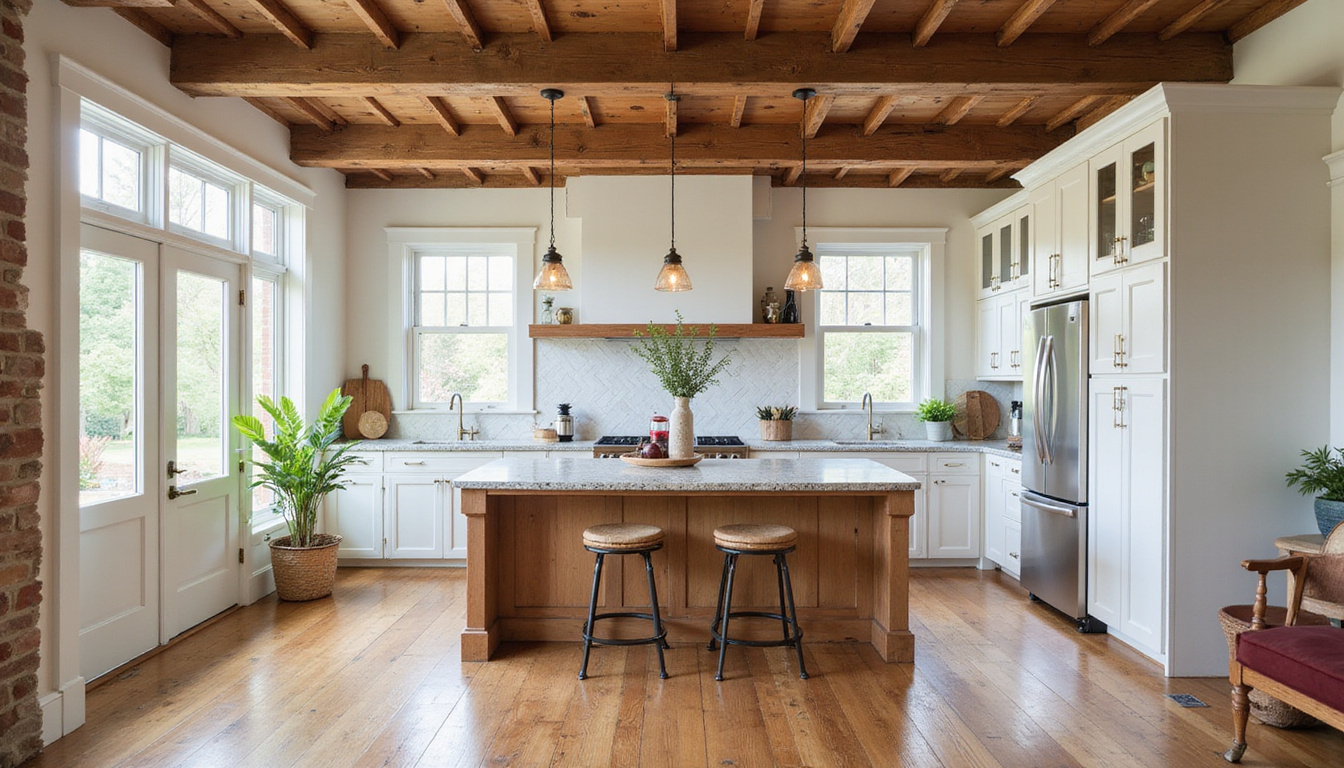
- Improve kitchen workflow and ventilation; rural cooking often requires more space and durability.
- Optimize natural light and cross‑ventilation to reduce cooling costs.
- Install effective insulation and shading to handle summer heat.
These changes boost both livability and rental income, especially if you target long‑term tenants or digital nomads.
4. Outdoor Spaces: Where Rural Properties Really Shine
In the countryside, the outdoor experience is half the value. Consider:
- Simple landscaping with local, low‑water plants and shade trees
- Defined sitting areas: pergolas, terraces, or rooftop spaces
- Safe play areas for families
- Space for small animals or chickens if your target market is semi‑self‑sufficient living
A well‑designed outdoor area supports higher nightly rates for short‑term stays and creates real lifestyle appeal.
Turning a Rural Property into a Profitable Mini‑Business
You don’t need to be a large‑scale farmer or developer to profit from rural properties. With planning, even a modest plot can generate reliable returns.
1. Choose a Clear Strategy (or Two)
Decide what you want the property to do for you:
- Cash‑flow focus: Long‑term tenant, agriculture lease, or mixed use (tenant + farmland lease).
- Lifestyle + partial income: Use it on weekends, rent it out during holidays or harvest seasons.
- Value‑add and resale: Upgrade infrastructure and layout, then resell to a buyer who doesn’t want to handle renovations.
- Agri‑tourism / eco‑retreat: Weekend stays, farm experiences, cooking classes, or wellness retreats.
You can combine two strategies—for example, running seasonal farm stays while leasing part of the land for crops.
2. Understand Local Rules and Community Dynamics
Before you commit:
- Check zoning, land classification, and building regulations.
- Confirm ownership documents, land registration, and any inheritance complications.
- Understand water rights and irrigation schedules.
- Talk to neighbors and local leaders; relationships matter more in rural settings than in cities.
These steps prevent costly surprises and help you integrate well into the local community, which is essential for any income‑generating activity.
3. Smart Marketing for Rural Assets
To attract buyers, tenants, or guests:
- Highlight accessibility: distance and route from nearest city or major road.
- Showcase unique features: fruit trees, traditional architecture, canal views, mountain backdrop.
- Use high‑quality photos and short videos for online listings.
- Emphasize reliable utilities and internet—non‑negotiables for many modern buyers.
If you’re targeting foreign visitors or expats, consider sharing your story and local insights. This video—[Things I Wish I Knew Before Moving to Egypt – My Honest Experience](
an honest look at everyday life and can help you understand what international renters or buyers value in Egyptian rural and suburban locations.
Common Mistakes Buyers Make with Rural Properties
Rural investments can be very rewarding, but they require a different mindset from city apartments.
Avoid these frequent mistakes:
Ignoring access roads
A beautiful farmhouse is worth much less if the only access is a rough dirt track that floods in winter. Check year‑round accessibility.Underestimating renovation costs
Materials, skilled labor, and logistics can be more expensive in rural areas. Always add a healthy buffer to your budget.Over‑building for the area
A luxury finish in a modest village can be hard to resell at a premium. Match your upgrades to what the local market will actually pay for.Assuming all land is productive
Soil quality, water availability, and exposure matter. Get basic agricultural advice if farming income is part of your plan.No clear exit strategy
Before buying, decide: Will you hold long‑term, sell after upgrades, or pass it on as a family asset? Your strategy shapes what and where you buy.
Practical Checklist Before You Buy a Rural Property
Use this list to run a quick, structured evaluation of any rural opportunity:
Location & Access
- Distance to nearest town, hospital, school, and main road
- Condition of roads in both dry and rainy seasons
Legal & Documentation
- Clear ownership, registration, and absence of disputes
- Verified land classification and zoning
Infrastructure
- Reliable water source and storage
- Stable electricity, with options for backup or solar
- Mobile and internet coverage quality
Land & Buildings
- Soil condition and drainage
- Structural health of house and outbuildings
- Potential for expansion or subdivision
Market Potential
- Local rental demand and seasonal patterns
- Tourist or weekend traffic if targeting short‑term stays
- Evidence of upcoming infrastructure or development projects nearby
Keeping this checklist handy will help you compare multiple rural properties objectively instead of relying on first impressions alone.
FAQ: Rural Properties for Buyers and Investors
Q1: Are rural properties in Egypt a good investment compared to city apartments?
Rural properties can be excellent investments if bought strategically. They often offer larger land, lower entry prices, and more ways to generate income (agriculture, rentals, retreats). However, liquidity can be lower than in big cities, so you should choose areas with growing infrastructure and clear future demand.
Q2: How do I estimate the potential income from a rural house with land?
Break it into components: long‑term rent for the house, possible lease value of the farmland, and any extra income (storage, short‑term stays, workshops). Research local rents and agricultural lease rates, then run conservative projections. For rural properties intended as holiday homes, analyze nearby guesthouse rates and occupancy seasons.
Q3: What upgrades add the most value to rural property investments?
Priority upgrades are safe and reliable utilities (water, power, internet), structural repairs, and basic comfort improvements (modern bathrooms, functional kitchen, ventilation). After that, focus on outdoor spaces and flexible layouts that support multiple uses—family living, rentals, or agri‑tourism.
Make Your Move: Turn Rural Potential into Real Profit
Rural properties sit at the intersection of lifestyle, income, and long‑term capital growth. With careful selection, smart upgrades, and a clear strategy, a simple farmhouse or village plot can become a cash‑flowing asset that grows in value as the region develops.
If you’re considering a move out of the city—or looking for your next high‑potential investment—start shortlisting rural areas that align with your goals. Talk to local agents, visit in different seasons, and run the numbers with the same seriousness you’d apply to any city deal.
The opportunities are there for buyers who look beyond the obvious. If you’d like help evaluating specific rural properties, comparing locations, or planning the right upgrade strategy, share your criteria and budget—and begin turning countryside potential into measurable profit.