

If you rent a home or apartment, renters insurance is one of the cheapest, most powerful financial safety nets you can buy—yet it’s also one of the most misunderstood. A few small oversights in your policy can mean the difference between a smooth claim and paying out of pocket for thousands in losses after a fire, theft, or water damage.
Below are the most common renters insurance mistakes people make, how they can cost you, and what to do instead so you get real protection—not just a piece of paper.
1. Assuming Your Landlord’s Insurance Covers Your Belongings
This is the biggest and most expensive mistake.
Your landlord’s policy typically covers:
- The building’s structure
- The roof, walls, and common areas
- Their liability as property owner
It does not cover:
- Your furniture, clothes, electronics, or jewelry
- Your personal liability if someone is injured inside your unit
- Your hotel bills if you’re forced to move out temporarily
If a fire starts in another unit and spreads, destroying your belongings, the landlord’s policy will rebuild the building—but your personal property is your responsibility. Without renters insurance, you’d be starting from zero.
Fix it:
Always assume your landlord’s policy offers no protection to your personal property or legal liability. Get your own renters policy, even if the building is “fully insured.”
2. Underestimating How Much Coverage You Actually Need
Many renters guess a number—like $10,000 or $20,000—for their personal property coverage. In reality, most people own far more than they think.
Walk through your space mentally:
- Sofa, bed, mattress, chairs, tables
- TV, laptop, gaming systems, tablets, phone
- Clothing, shoes, coats, suits, bags
- Kitchenware, appliances, pantry items
- Books, decor, sports gear, hobby equipment
Replacing all of that at today’s prices often adds up to $30,000–$60,000 or more, even in a modest apartment.
If you suffer a complete loss (fire, severe water damage, major theft) and are only insured for $15,000, that’s all the insurer will pay—even if you’ve actually lost $40,000 worth of property.
Fix it:
Do a quick inventory and rough valuation. Aim for a limit that could replace everything, not just the high-ticket items. When in doubt, err a bit on the higher side; the premium difference is usually small.
3. Choosing Actual Cash Value Instead of Replacement Cost Coverage
One quiet line in your policy can dramatically reduce your payout: whether you have Actual Cash Value (ACV) or Replacement Cost coverage.
- ACV: Pays what your items are worth today, after depreciation. Your 5-year-old $1,500 couch might be valued at $200.
- Replacement cost: Pays what it costs to buy a similar new item today, regardless of age (subject to policy terms).
After a serious loss, the difference can be thousands of dollars. With ACV, every worn item is valued as “used” and cheap. With replacement cost, the insurer is helping you get back to where you were.
Fix it:
Ask your insurer directly: “Is this a replacement cost renters insurance policy?” If you currently have ACV, ask for a quote to upgrade. It’s usually only a modest increase in premium for significantly better protection.
4. Ignoring Special Limits for Jewelry, Electronics, and Valuables
Renters insurance has category limits for certain items, regardless of your overall property coverage.
Common examples (these vary by insurer):
- Jewelry & watches: $1,000–$2,500 total for theft
- Firearms, collectibles, or fine art: capped at low amounts
- Business property used at home: heavily limited
So even if your policy covers $50,000 of personal property, you might only be able to claim $1,500 for a stolen engagement ring or $2,500 total for laptops, cameras, and similar gear—depending on your policy.
Fix it:
Check the “Special Limits of Liability” section of your policy.
If you own:
- Engagement rings, luxury watches, or jewelry
- High-end cameras or audio gear
- Expensive musical instruments or collectibles
Ask your insurer about scheduling those items or adding a rider/endorsement. This gives them higher, specific coverage (sometimes with no deductible) for a modest extra cost.
5. Picking a Deductible That’s Too High—or Too Low
Your deductible is what you pay out of pocket before insurance kicks in. Common deductibles: $250, $500, $1,000. Mistakes happen at both ends:
- Too high: You choose a $1,500 deductible to save $5 a month, but then you never file a claim for moderate losses because it’s not worth it. You’ve essentially self-insured.
- Too low: You pick a $100 deductible, driving your premium up significantly for minimal benefit.
Fix it:
Choose a deductible you could comfortably cover from savings today (many people land on $500 or $1,000). Then compare premiums. If raising the deductible doesn’t save much, keep it lower; if it saves a lot and you have emergency funds, a higher deductible may be worth it.
6. Not Understanding Liability Coverage (and Its Importance)
Many renters think renters insurance is just about their “stuff.” The liability portion often matters more.
Liability coverage can help pay if:
- A guest trips over a rug and breaks a wrist in your apartment
- Your dog bites someone (subject to breed and policy rules)
- You accidentally cause damage to someone else’s property
Legal expenses and medical costs add up quickly. A single serious incident can easily exceed $100,000, and court judgments can follow your income and assets for years.
Fix it:
- Check your personal liability limit; $100,000 is common, but many experts recommend $300,000 or more.
- Consider an umbrella policy if you have significant assets or future earning potential to protect.
7. Failing to Read Exclusions and Limitations
All insurance policies have fine print, and renters insurance is no exception. Common exclusions or limitations include:
- Flooding from rising water or storm surge (usually requires separate flood insurance)
- Earthquakes (sometimes optional add-on, depending on region)
- Pest damage (bedbugs, rodents, etc.)
- Wear and tear, mold from long-term leaks, or neglect
- Certain dog breeds or exotic pets for liability
If you assume everything is covered, you may be shocked at claim time.
Fix it:
Take 20–30 minutes to:
- Scan the “Exclusions” section of your policy
- Ask your insurer (in writing, if possible) about:
- Water damage vs. flood
- Earthquake coverage
- Pet-related liability
If you live in a flood-prone or earthquake-prone area, look into standalone or add-on policies. The U.S. FEMA Flood Map Service is a good starting point to understand flood risk in your area (source).
8. Not Listing All Roommates or Relying on Their Policy
Another common renters insurance mistake is assuming you’re covered by your roommate’s policy or that everyone is automatically covered.
In many cases:
- A standard policy covers the named insured and their relatives living in the household.
- Unrelated roommates are not automatically covered unless specifically added.
If your roommate has a policy and you’re not named, your belongings and your liability likely aren’t protected—no matter what you contribute toward rent.
Fix it:
- Ask your insurer whether unrelated roommates can be added (some allow, some don’t).
- If adding is allowed, compare the cost vs. each person buying their own policy.
- In many cases, it’s cleaner and safer for each adult to carry their own renters insurance.
9. Forgetting to Update Your Policy When You Move or Upgrade Your Life
Life changes quickly, but policies often stay frozen.
You’re at higher risk if you:
- Move to a new address and just “assume” your policy transfers
- Buy new furniture, electronics, or jewelry without updating coverage
- Start working from home with expensive business equipment
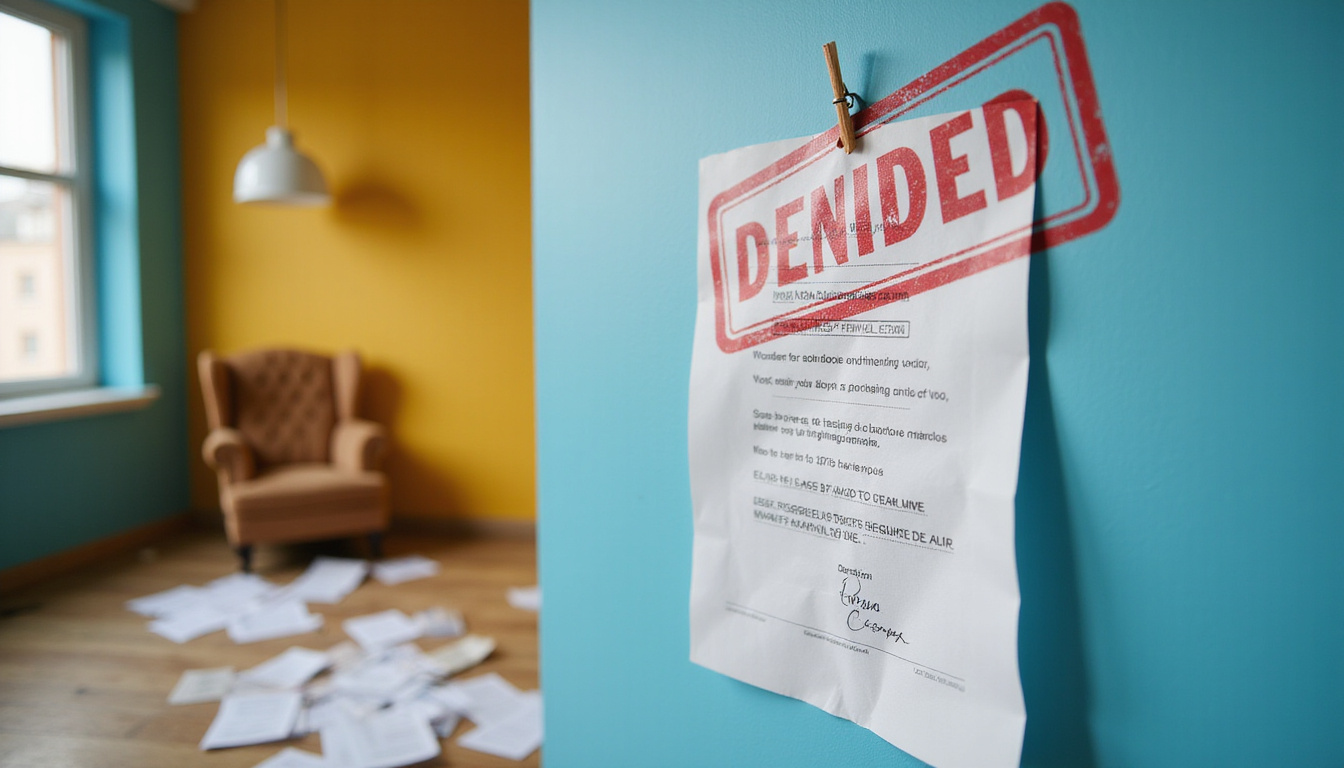
If your insurer doesn’t know where you live or what you own, claim handling can be delayed, reduced, or even denied.
Fix it:
Any time you:
- Move (even within the same building)
- Add major purchases (new home theater, expensive bike, luxury bag)
- Start a home-based business
Contact your insurer to:
- Update your address
- Confirm your personal property limit is still adequate
- Ask about business-use property coverage if needed
10. Not Documenting Your Belongings Before a Loss
After a fire, theft, or major water damage, memories get fuzzy. Under stress, it’s easy to forget items or underestimate how much you owned.
Insurers usually require:
- A list of damaged or stolen items
- Approximate purchase dates and values
- Proof of ownership (receipts, photos, serial numbers), if available
Without documentation, you’re vulnerable to:
- Lower claim payouts
- Disputes about what you actually owned
Fix it:
Take an hour to create a simple home inventory:
- Walk room to room and record a video of your belongings
- Open closets and drawers; narrate brands and approximate values
- Photograph receipts or email confirmations for big purchases
- Store this in the cloud or email it to yourself
Update this inventory once a year or after major purchases.
11. Dropping Renters Insurance to “Save Money” When Budgets Are Tight
Because renters insurance is usually inexpensive, some people treat it as optional and cancel during tight months, thinking they’ll restart later. That gap in coverage is exactly when disasters tend to hurt the most.
Average renters insurance in many areas is less than the cost of a streaming subscription each month, yet it can:
- Cover tens of thousands in property
- Provide hundreds of thousands in liability protection
- Pay for hotel stays if your home becomes uninhabitable temporarily
Fix it:
If budget is a concern:
- Raise your deductible slightly instead of canceling entirely
- Ask about discounts (bundling with auto, security devices, non-smoker, autopay)
- Shop around annually and compare quotes
Keeping a basic policy in place is almost always cheaper than starting over after a major loss.
12. Not Comparing Quotes or Staying With a Weak Policy Out of Habit
Many renters buy the first policy offered—often recommended by a property manager or auto insurer—and never look again.
Problems with this:
- You may be overpaying
- Your policy might have weak coverage or strict exclusions
- Better customer service and claims handling may be available elsewhere
Because renters insurance is relatively uniform, small differences in price and coverage can add up to much better protection.
Fix it:
At least once every 1–2 years:
- Get quotes from 3–5 insurers.
- Compare:
- Personal property limit
- Replacement cost vs. ACV
- Liability limit
- Exclusions, special limits, and deductible
- Read a few recent customer claim reviews, not just star ratings.
A Real-World Perspective: Moving and Starting Fresh
If you’re relocating to a new city or country, it’s easy to underestimate the role of renters insurance when everything else—housing, jobs, schools—is demanding your attention. Hearing others’ experiences can help you understand how quickly costs stack up when something goes wrong.
For a grounded look at day-to-day living expenses and unforeseen costs, this video can give you perspective before you move and sign a lease:
Things I Wish I Knew Before Moving to Egypt – My Honest Experience
While the details vary by country, the core lesson is the same: a smart, well-structured renters insurance policy can be the difference between an inconvenience and a financial crisis when you’re starting over in a new place.
Quick Checklist: Avoid These Renters Insurance Mistakes
Use this list as a mini-audit of your current policy:
- [ ] I have my own renters insurance; I’m not relying on my landlord.
- [ ] My personal property limit is enough to replace everything I own.
- [ ] My policy is replacement cost, not just actual cash value.
- [ ] I’ve checked special limits and scheduled valuable items if needed.
- [ ] My deductible is an amount I could pay from savings today.
- [ ] My liability limit is at least $300,000, or I’ve consciously chosen another level.
- [ ] I understand key exclusions (flood, earthquake, pests, etc.).
- [ ] My policy reflects my current address and living situation.
- [ ] I’ve created a basic home inventory (photos/video and receipts).
- [ ] I’ve compared quotes within the last 1–2 years.
FAQ About Renters Insurance and Coverage Mistakes
Q1: What does renters insurance typically cover and what does it not cover?
A standard renters insurance policy usually covers personal property (your belongings), personal liability, and additional living expenses if your rental becomes uninhabitable after a covered event. It generally does not cover flood damage, earthquakes (unless added), pest infestations, or normal wear and tear. Always review your individual policy to see what’s specifically included or excluded.
Q2: Is renters insurance required, and how much renters insurance should I get?
Some landlords or property managers require proof of renters insurance in the lease, but even when it’s optional, it’s strongly recommended. To decide how much renters insurance you need, estimate the total replacement cost of your belongings and choose a personal property limit that could realistically replace them, then select a liability limit (commonly $300,000 or more) that protects you against injury and damage claims.
Q3: Can roommates share renters insurance, or does everyone need their own renters policy?
Sometimes unrelated roommates can share a renters insurance policy if they’re all listed as named insureds, but many insurers prefer or require that each adult have their own renters policy. Separate policies are often cleaner and ensure that each person’s belongings and liability are clearly covered without disputes over claims or payouts.
Protect Your Future Self: Act on Your Renters Insurance Today
Renters insurance is one of the rare financial products where a small monthly cost can prevent a truly devastating loss. Yet its power depends entirely on how well you set it up.
Review your policy now. Check your coverage limits, verify that you have replacement cost, schedule your valuables, and correct any gaps before you need to file a claim. If you don’t have renters insurance yet, get a few quotes and start a policy this week—before a burst pipe, theft, or fire turns into a financial setback that takes years to recover from.
A carefully chosen renters insurance policy won’t just protect your belongings; it will protect your peace of mind every time you lock the door behind you.