
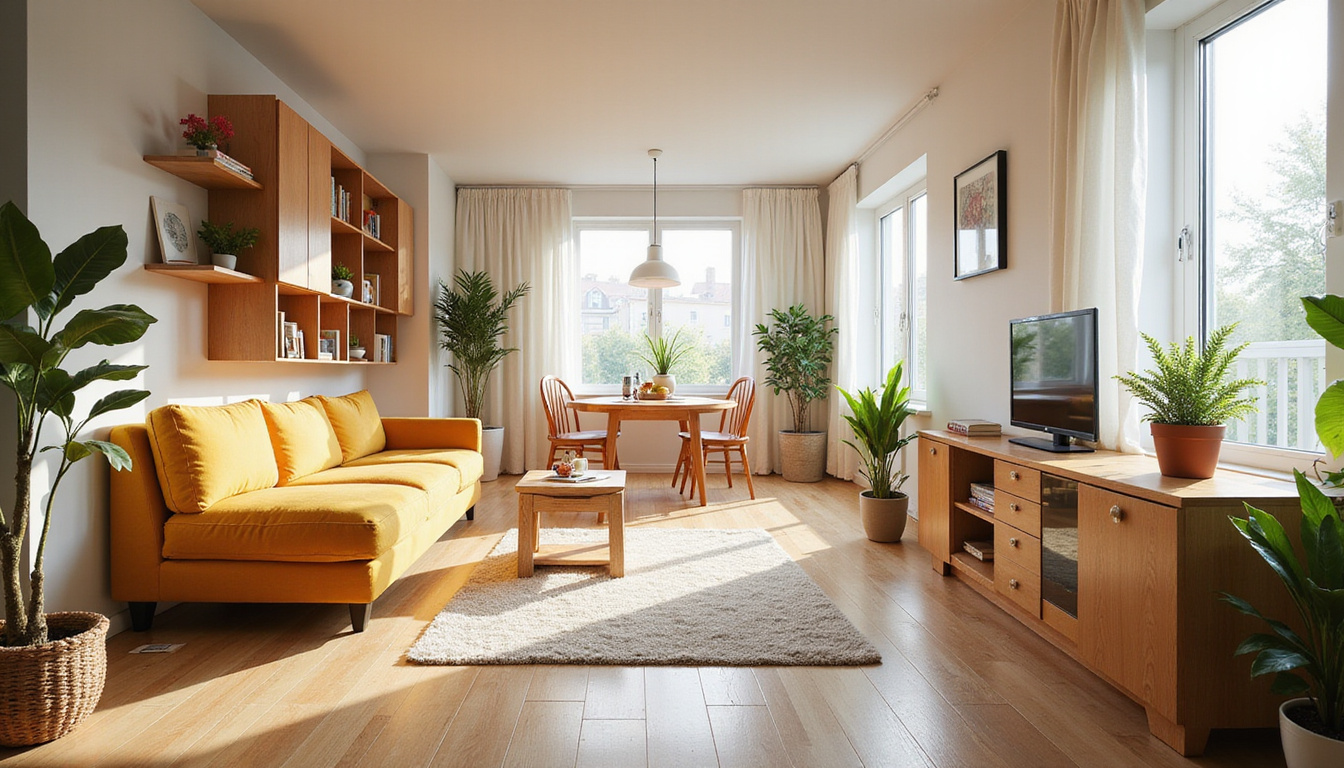
Open plan apartments are increasingly popular with urban buyers, renters, and investors who want to make the most of limited square footage. Done right, open plan apartments feel larger, lighter, and more flexible than their traditional, boxed-in counterparts. Done poorly, they can feel cluttered, noisy, and hard to live in. This guide walks you through smart layouts and storage hacks tailored to small homes, so you can enjoy the freedom of open space without sacrificing comfort or practicality.
Why Open Plan Apartments Work So Well in Small Spaces
Open layouts remove internal walls to combine the living room, dining area, and often the kitchen into a single multipurpose zone. For small homes, that offers several distinct advantages:
- More natural light: Fewer walls mean light can travel further, making the apartment feel bigger.
- Visual spaciousness: A continuous line of sight creates the perception of more space.
- Flexibility: One larger room is easier to reconfigure as your lifestyle changes.
- Social living: Cooking, working, relaxing, and entertaining can happen in one shared space.
In dense urban markets and compact city developments (including many new-build towers in places like Cairo and New Cairo), developers favor open plan apartments because they meet modern lifestyle needs and photograph well for listings, helping units stand out online and in marketing materials.
Step One: Define “Zones” Without Building Walls
The secret to livable open plan apartments is subtle separation. Your goal isn’t to divide the room, but to suggest where different activities happen.
Use Rugs to Anchor Areas
Area rugs are one of the simplest zoning tools:
- Place a rug under the sofa and coffee table to “draw a box” around the living zone.
- Use a different rug under the dining table to separate mealtimes from lounging.
- In studio apartments, a soft rug under the bed helps define the sleeping area as a calm, distinct zone.
Keep a cohesive color palette so the apartment feels unified, not chaotic.
Arrange Furniture as “Soft Partitions”
Furniture placement can create boundaries without blocking light:
- Sofa as divider: Position the back of the sofa towards the dining area or kitchen to gently split the space.
- Console tables or low shelving: Place a narrow console behind the sofa to mark a corridor or separate work and lounge zones.
- Back-to-back setups: In longer rooms, back a small desk onto the rear of the sofa to form a compact home office area.
Create Vertical Dividers That Still Feel Open
Instead of solid walls:
- Use open shelving units to separate bed and living areas.
- Install slatted wood screens or metal frames to add structure while letting light through.
- Try sheer curtains or ceiling-mounted drapes that can be drawn for privacy, then pulled back to restore openness.
These strategies are especially effective in studio-style open plan apartments where the bedroom is in the same room as the living space.
Layout Ideas for Different Types of Open Plan Apartments
Not all open layouts are alike. Your strategy will depend on the proportions of your space.
Long, Narrow Apartments (Railroad Layouts)
If your open plan space feels like a corridor:
- Put the kitchen at one end, then progress to dining, then living.
- Float the sofa across the width of the room to interrupt the “tunnel” effect.
- Use a slender dining table (bench on one side, chairs on the other) parallel to a wall to maintain circulation space.
This layout is common in older buildings converted into open plan apartments, especially in dense city cores.
Compact Square Spaces
In more square rooms:
- Place the sofa facing the main window to maximize light.
- Position the dining table to one side, between the kitchen and the living area for flow.
- Tuck a small desk in a corner or use a fold-down wall desk opposite the sofa.
Visual balance is key: avoid piling everything on one side of the room.
L-Shaped Open Plan Apartments
L-shaped layouts naturally lend themselves to zoning:
- Use one “leg” of the L for the living room, the other for dining or a home office.
- Angle the sofa to face into the central part of the room, not into a dead corner.
- Consider a peninsula or breakfast bar at the inner corner of the “L” if you’re able to adjust kitchen cabinetry.
Storage Hacks That Keep Open Plan Apartments Clutter-Free
Without walls and separate rooms, clutter has nowhere to hide. Smart storage is non-negotiable in small open spaces.
Multitasking Furniture Is Your Best Friend
Invest in pieces that do double or triple duty:
- Storage ottomans: Great for spare bedding, board games, or kids’ toys.
- Lift-top coffee tables: Hide paperwork, remotes, and chargers while providing a high surface for laptop work or casual dining.
- Sofa beds or daybeds: Ideal in studio apartments or for hosting guests.
- Beds with drawers: Turn under-bed voids into high-capacity storage.
Build Up, Not Out
Vertical space in open plan apartments is often underused:
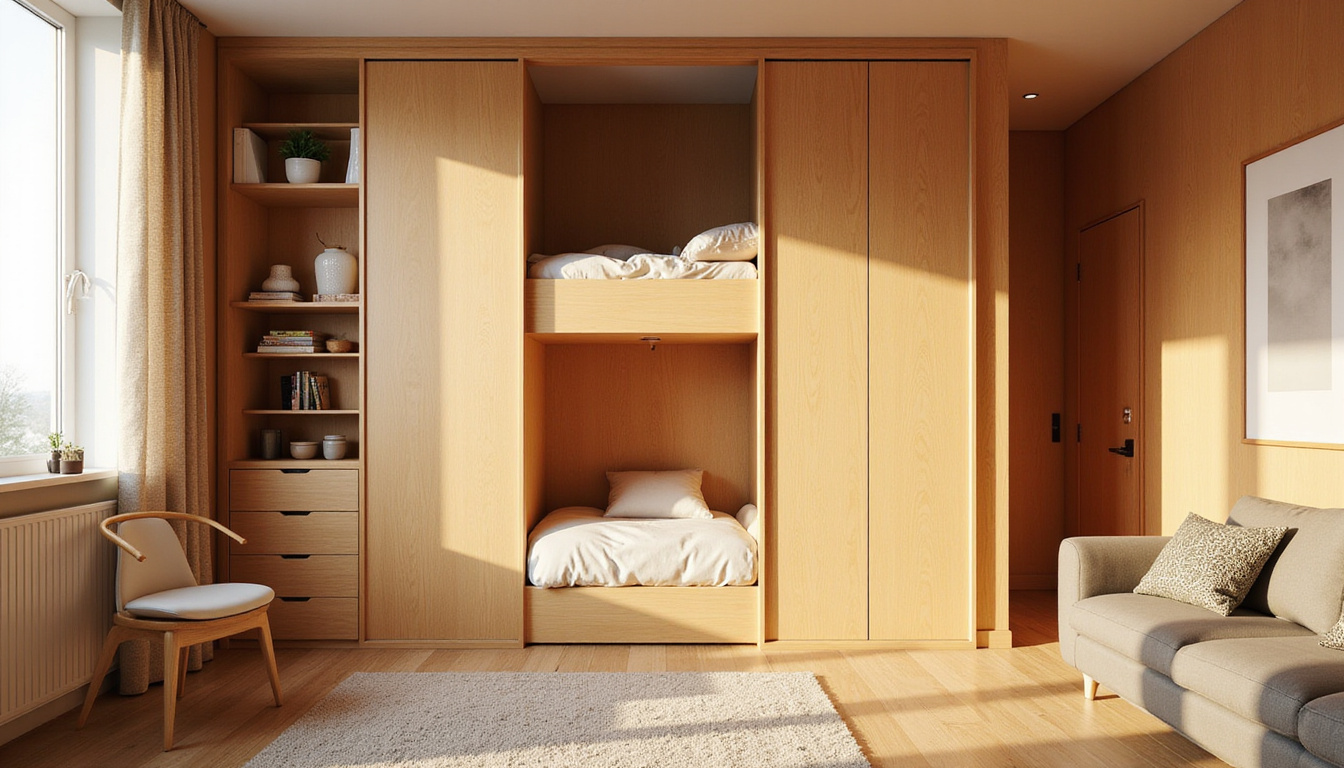
- Install ceiling-height wardrobes or shelving; use the top shelves for seasonal items.
- Run open shelves above door frames or across shorter walls.
- Use hooks, pegboards, or rail systems in the kitchen to hang utensils and pans instead of relying only on cabinets.
Concealed Storage for a Calm Look
Open layouts work best when visual noise is minimal:
- Choose media units with doors rather than only open shelves, so cables and devices disappear when not in use.
- Use baskets and boxes in a uniform style to corral small items on open shelving.
- Add a shoe cabinet or slim cupboard near the entrance to stop clutter at the door.
A tidy open space feels larger and more luxurious, which is also appealing when you’re renting or selling.
Smart Kitchen Strategies in Open Plan Apartments
Kitchens that share space with living and dining areas need careful planning.
Opt for a Clean, Integrated Look
- Choose built-in appliances where possible to keep lines smooth.
- Use continuous countertop material to visually enlarge the space.
- Hide small appliances (kettle, toaster) in appliance garages or cabinets if you can.
Add a Social Island or Peninsula (If Space Allows)
Even a compact peninsula can:
- Offer extra prep space and storage.
- Serve as an informal dining bar with stools.
- Create a natural boundary between cooking and living areas.
In some open plan apartments, a movable island on casters provides flexibility: it can be pushed against the wall when not in use.
Control Visual and Cooking Mess
Since the kitchen is on show:
- Use deep drawers for pots and pans instead of stacking them in low cabinets.
- Consider a quiet, powerful extractor hood to limit smells in the living area.
- Keep countertops as clear as possible, with only a few well-chosen items visible.
Lighting: The Secret Weapon in Open Plan Design
The right lighting plan can transform the way an open layout functions and feels.
Layer Your Lighting
Aim for at least three layers:
- Ambient lighting: Ceiling fixtures, recessed lights, or track lighting for general brightness.
- Task lighting: Pendants over the dining table or island, under-cabinet strips in the kitchen, a desk lamp in the work zone.
- Accent lighting: Floor lamps next to the sofa, wall sconces, or LED strips on shelves for atmosphere.
Use Lighting to Define Zones
- Hang a statement pendant above the dining table to make it a focal point.
- Put the living area on a separate dimmer switch so you can soften the mood at night.
- Add a reading lamp by the sofa to mark the lounge corner.
In small open plan apartments, dimmers help a single room change roles throughout the day—office, family room, and entertaining space.
Color and Materials: Tie It Together, Not Apart
Color and finishes shape how open plan apartments feel—cohesive or chaotic.
Keep a Unified Base Palette
- Choose one or two main neutral tones for walls and large furniture (e.g., warm white, stone, light gray).
- Use a limited accent palette (two to three colors) repeated across cushions, art, and accessories.
This repetition visually “stitches” the zones together, preserving that open, airy feeling.
Use Subtle Contrast for Zoning
You don’t need radically different colors to separate areas:
- A slightly darker paint on the dining wall can create a cozy eating corner.
- Different but coordinating chair fabrics in the living and dining zones help distinguish them.
- Change floor textures—for example, a tile area in the kitchen flowing into wood or laminate in the living area—while keeping tones similar.
Tech, Noise, and Privacy in Open Plan Apartments
The biggest complaints about open layouts usually involve noise and privacy. Addressing these concerns makes day-to-day life more comfortable.
Control Echo and Sound
Hard surfaces can cause echo in open plan apartments:
- Add rugs, curtains, and soft furnishings to absorb sound.
- Use upholstered dining chairs instead of all-hard seating.
- Consider acoustic panels or fabric wall art in echo-prone spaces.
If multiple people work from home, noise control becomes crucial. Headphones and noise-insulating curtains can help in studio setups.
Create Flexible Privacy
You don’t always need privacy, but when you do:
- Use sliding panels or room dividers that can fold away.
- Add blackout curtains around the bed area in a studio apartment to create a “room within a room.”
- Consider frosted glass or partially opaque screens if the bedroom adjoins the living area but you still want light.
A Real-Life Perspective: Living Day-to-Day in an Open Plan Apartment
Design theory is helpful, but personal experiences give context. This video, “Things I Wish I Knew Before Moving to Egypt – My Honest Experience,” touches on real-life apartment living, lifestyle adjustments, and how space use changes over time—especially valuable if you’re considering relocating or investing in a small city apartment:
Listening to how residents actually use (and sometimes struggle with) open plan spaces can help you prioritize what matters most—from storage to quiet corners for work or study.
Quick Checklist: Essentials for Successful Open Plan Apartments
Use this list as a starting point when planning or refreshing your layout:
- Zones defined: Rugs, furniture, or low dividers distinguish living, dining, and work/sleep areas.
- Storage sorted: At least one multi-functional piece (e.g., ottoman, storage bed) and plenty of vertical storage.
- Lighting layered: Separate light sources and dimmers for different zones and moods.
- Color cohesive: A consistent base palette with repeated accents.
- Tech controlled: Cable management, good Wi-Fi coverage, and solutions for noise (rugs, curtains, headphones).
- Flexible privacy: Curtains, sliding panels, or screens available when needed.
- Decluttering routine: Systems in place (baskets, cabinets) and a weekly reset to keep surfaces clear.
FAQ About Open Plan Apartments
1. Are open plan apartments good for families?
They can be, especially for keeping an eye on young children while cooking or working. However, families should plan extra storage, durable finishes, and possibly semi-open partitions so teenagers and adults can find quiet space when needed.
2. How can I make an open-plan living room look bigger?
Use light, neutral colors, low-profile furniture, and avoid blocking sightlines. Choose a few larger statement pieces instead of many small ones, hang curtains high to elongate walls, and keep floors as clear as possible. Good lighting and mirrors can also make open plan apartments feel more spacious.
3. What’s the difference between a studio and an open plan apartment?
A studio is typically one main room that includes sleeping, living, and often a kitchenette in a single space, with a separate bathroom. An open plan apartment usually has separate bedrooms but combines kitchen, living, and dining into one open area. Both benefit from similar zoning and storage strategies.
Design an Open Plan Apartment That Truly Works for You
Open plan apartments offer freedom, flexibility, and a bright, contemporary feel—especially in small homes where every meter matters. With clever zoning, layered lighting, and smart storage solutions, you can transform a single large room into a calm, organized space that supports how you actually live: cooking, working, relaxing, and entertaining.
If you’re planning a renovation, searching for a new home, or preparing a property for rent or sale, now is the perfect time to rethink your layout. Start by sketching your zones, identifying where you need more storage, and choosing multi-functional pieces that earn their place. With a focused approach, your open plan apartment can become the spacious, stylish, and practical home you’ve been imagining.