
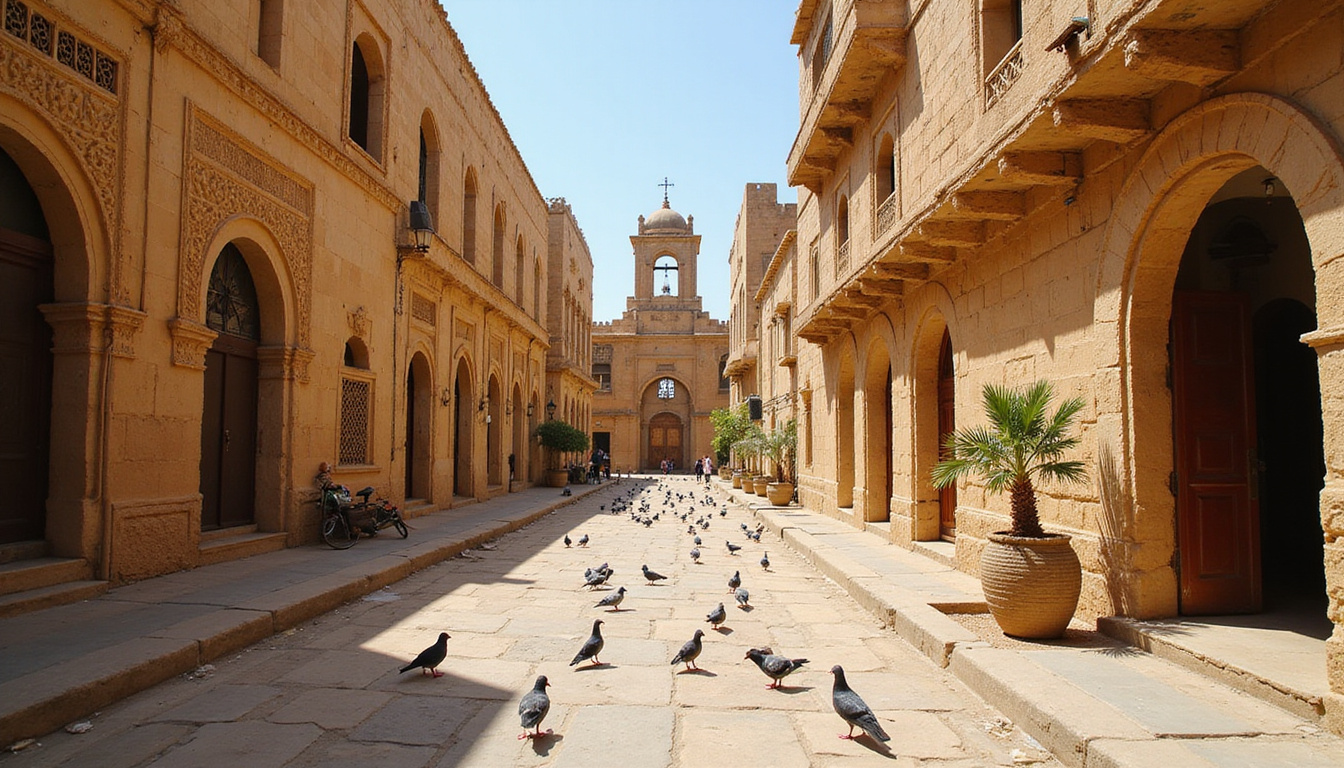
Old Cairo is where Egypt’s layered history comes alive in a compact, walkable district of narrow alleys, ancient churches, bustling souqs, and riverside views. Whether you’re a history lover, a photographer, or a curious traveler, Old Cairo offers a remarkably immersive experience that feels worlds away from the wide roads and modern malls of New Cairo. In a single day, you can explore Roman ruins, some of the oldest churches in Africa, centuries‑old mosques, and authentic local markets that still serve the neighborhood’s residents.
Why Old Cairo Belongs on Every Egypt Itinerary
Unlike the Pyramids of Giza or the temples of Luxor, Old Cairo (often called Coptic Cairo or Masr al‑Qadima) is intimate and human‑scaled. This historic quarter sits along the eastern bank of the Nile, just south of downtown Cairo, on the site of the ancient Roman fortress of Babylon. Over millennia, Pharaonic, Roman, Coptic Christian, and Islamic civilizations all left their mark here.
Visiting Old Cairo gives you:
- A walkable cluster of major religious and historical sites
- A quieter, more atmospheric alternative to Cairo’s high‑energy downtown
- Lively street life, local markets, and family‑run eateries
- A sense of how today’s Cairenes live alongside their ancient heritage
It’s ideal for travelers who want to experience “real Cairo” while still seeing some of Egypt’s most important early Christian and Islamic monuments.
A Brief History of Old Cairo
To appreciate Old Cairo’s streets and markets, it helps to understand how the neighborhood evolved:
From Roman Fortress to Coptic Stronghold
The story begins with the Roman fortress of Babylon, built to control Nile traffic and protect the empire’s southern frontier. Parts of its massive stone walls still frame the entrance to Old Cairo today.
As Christianity spread through Egypt, the area inside and around the fortress became a major Coptic Christian center. Some of Cairo’s earliest churches—still standing—were built directly into or atop the Roman structure. This is why the heart of Old Cairo is often called Coptic Cairo.
The Rise of Islamic Cairo
In the 7th century, the Arab conquest brought Islam to Egypt. The first Muslim capital, Fustat, arose just north of the fortress, followed by later capitals and neighborhoods that gradually grew into today’s vast metropolis. Old Cairo remained a religious stronghold, particularly for Egypt’s Coptic community, and later absorbed mosques, synagogues, and markets serving a diverse population.
Today, Old Cairo forms part of Historic Cairo, a UNESCO World Heritage site recognized for its dense concentration of religious and civic monuments spanning more than 1,300 years (source: UNESCO – Historic Cairo).
Walking the Ancient Streets: How to Explore Old Cairo
One of the best ways to discover Old Cairo is on foot. The neighborhood centers around a few key pedestrian lanes branching off from the main metro and taxi drop‑off points near the Mar Girgis (St. George) Metro Station.
Orienting Yourself
Think of Old Cairo in three overlapping zones:
- Coptic Quarter – The cluster of ancient churches, the Coptic Museum, and remnants of the Roman fortress.
- Fustat Area – The site of the first Islamic capital and the Mosque of Amr ibn al‑As.
- Residential & Market Streets – Lanes filled with small shops, local bakeries, cafés, and street vendors.
Most visitors start in the Coptic Quarter, then continue on to Fustat and the Mosque of Amr, finishing with a casual wander through local markets.
Must‑See Churches and Religious Landmarks in Old Cairo
Old Cairo is home to some of Egypt’s oldest and most significant Christian and Islamic sites. You can visit many of them in a single day.
The Hanging Church (Saint Virgin Mary’s Coptic Orthodox Church)
Arguably the most famous church in Old Cairo, the Hanging Church is built above a Roman gatehouse, giving it a “suspended” appearance. Inside, you’ll find:
- An atmospheric wooden ceiling shaped like an upside‑down ark
- Beautiful icons depicting scenes from the life of Christ and the Virgin Mary
- Intricate inlaid wooden screens separating the sanctuary
It’s still an active place of worship, so modest clothing and respectful behavior are essential.
Church of Saints Sergius and Bacchus (Abu Serga)
This 4th‑century church stands over a crypt where, according to tradition, the Holy Family—Mary, Joseph, and the infant Jesus—sheltered during their flight into Egypt. Highlights include:
- A cool, low‑ceilinged crypt that feels timeless
- Marble columns and a serene nave
- Relics and icons venerated by local worshipers
Because of its association with the Holy Family, Abu Serga is a major pilgrimage site for Egyptian Christians.
Church of Saint George (Greek Orthodox)
Just steps from the Hanging Church, the Greek Orthodox Church of Saint George sits dramatically at the top of a flight of steps. Its rounded exterior and richly decorated interior are quite different from the Coptic churches nearby. Look for:
- Colorful frescoes and mosaics
- A small shrine to Saint George, beloved across Egypt
- The attached monastery complex
Ben Ezra Synagogue
Tucked behind the Coptic churches, the Ben Ezra Synagogue reflects Old Cairo’s long‑standing Jewish presence. The current building dates to the 19th century but stands on a much older site. Historically, it was famed for the Cairo Geniza, a trove of medieval Jewish manuscripts that provided vital insight into everyday life in the medieval Mediterranean.
Though it’s no longer an active synagogue, it’s carefully preserved and open to visitors.
Mosque of Amr ibn al‑As
A short walk north from the Coptic Quarter brings you to Fustat and the Mosque of Amr ibn al‑As, the first mosque built in Egypt and, by tradition, in all of Africa (7th century). While the mosque has been rebuilt and expanded many times, it retains a peaceful, open courtyard and forest of columns.
Visiting etiquette:
- Dress modestly (cover shoulders and knees; women may be asked to cover hair).
- Remove shoes before entering praying areas.
- Ask permission before photographing people at prayer.
Coptic Museum: The Heart of Old Cairo’s Cultural Heritage
To round out your understanding of Old Cairo, spend at least an hour at the Coptic Museum, one of the most underrated museums in Cairo.
Here you’ll find:
- Manuscripts and illuminated texts in Coptic, Greek, and Arabic
- Delicately carved wood and stone from early churches and monasteries
- Icon collections that trace the evolution of Coptic religious art
- A tranquil courtyard and garden, often much quieter than larger museums
The museum connects directly to the old fortress remains, offering tangible evidence of how Roman, Christian, and later Islamic eras overlapped in this small area.
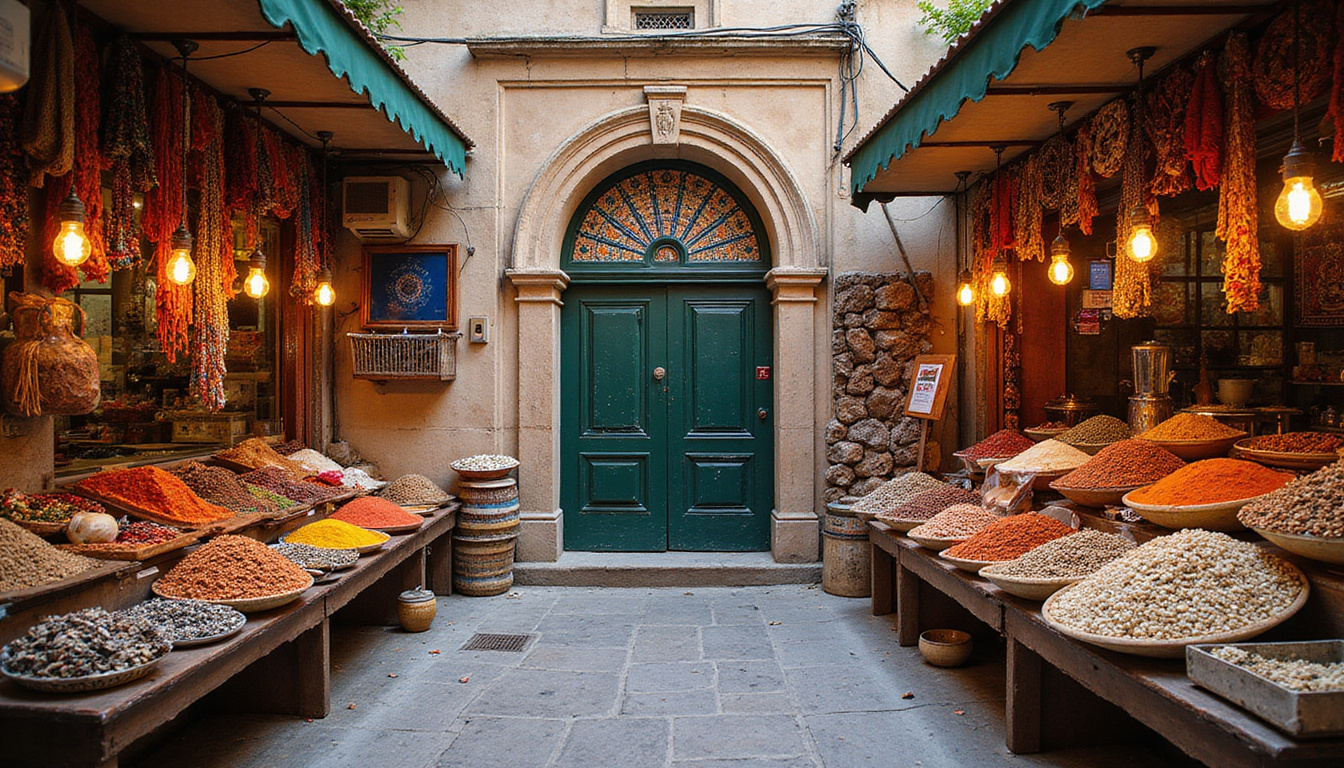
Local Markets and Everyday Life in Old Cairo
Beyond the famous churches and mosques, Old Cairo is a living neighborhood, not an open‑air museum. Exploring its local markets and side streets is essential to understanding the area’s character.
What the Markets Feel Like
Markets here are more functional than touristic. Instead of rows of souvenir stalls, you’re more likely to find:
- Vegetable sellers piling up herbs, lemons, and tomatoes
- Butcher shops, bakeries, and tiny grocery kiosks
- Tailors, cobblers, and household‑goods stores
You’ll still find some stalls selling religious items—crosses, icons, rosaries—as well as basic souvenirs, but the atmosphere is primarily local.
What to Buy (and Not Buy)
Consider:
- Handmade crosses and icons from small Coptic shops
- Traditional snacks and sweets, such as basbousa or fresh dates
- Modest clothing and scarves suitable for visiting religious sites
Avoid buying anything made from threatened species (like certain shells or animal parts) and be cautious with antiquities: genuine artifacts cannot be legally exported and anything “ancient” sold cheaply is almost certainly fake.
How to Interact Respectfully
- Ask permission before photographing people or private spaces.
- Learn a few Arabic phrases, such as “shukran” (thank you) and “salaam alaikum” (peace be upon you).
- Bargain gently and with a sense of humor; haggling is expected, but politeness goes a long way.
For a personal take on everyday life and cultural nuances, this video—“Things I Wish I Knew Before Moving to Egypt – My Honest Experience”—offers useful context:
Practical Tips for Visiting Old Cairo
To make the most of your time in Old Cairo, plan your visit with a few logistics in mind.
Getting There
- Metro: Take Line 1 to Mar Girgis station. The Coptic Quarter’s entrance is directly outside the station.
- Taxi or Ride‑Share: Ask for “Mar Girgis” or “Coptic Cairo” and show the driver the location on a map.
- Guided Tours: Many Cairo city tours include Old Cairo along with the Citadel or Egyptian Museum.
Best Time to Visit
- Morning (9:00–11:00) – Cooler temperatures, fewer crowds, especially on weekdays.
- Late Afternoon (around 3:00–5:00) – Softer light for photography, livelier street scene.
Avoid Friday mornings if you want everything open; some sites open later due to the main Muslim prayer day.
Dress Code and Behavior
Because Old Cairo is deeply religious and multi‑faith:
- Wear modest, non‑revealing clothing.
- Bring a light scarf or shawl (useful for churches and mosques).
- Speak quietly in worship spaces and avoid phone calls inside.
- Respect any photography restrictions.
Safety and Comfort
Old Cairo is generally safe during daylight hours. Basic precautions:
- Keep valuables secure and zipped away.
- Stay hydrated and wear comfortable walking shoes.
- Use registered taxis or ride‑share apps for after‑dark transport.
Suggested Half‑Day Itinerary in Old Cairo
If you have limited time in Cairo, this route offers a balanced introduction:
Start at Mar Girgis Metro Station
- Walk into the Coptic Quarter through the old fortress gate.
Visit the Coptic Museum
- Spend 60–90 minutes to ground yourself in the area’s history.
Explore the Hanging Church, Abu Serga, and Saint George
- Allow time to sit quietly inside at least one church.
Walk to Ben Ezra Synagogue
- Notice how close the religious sites are to one another.
Lunch at a Local Restaurant
- Try koshari, falafel (taamiya), or grilled chicken.
Head to the Mosque of Amr ibn al‑As in Fustat
- Enjoy the courtyard and the view toward the Nile.
Wander the Nearby Markets
- Browse daily goods, pick up small souvenirs, and observe local life.
This itinerary fits into a long morning or afternoon and can be combined with a Nile sunset cruise or a visit to downtown Cairo.
FAQ About Visiting Old Cairo
Is Old Cairo worth visiting if I’ve already seen Islamic Cairo and the Pyramids?
Yes. Old Cairo focuses heavily on Coptic churches, the Roman fortress, and early Islamic Fustat, offering a different side of Egyptian history than the Pyramids or medieval Islamic Cairo. The compact layout and multi‑faith heritage make it a unique stop.
How much time do I need to explore Old Cairo’s churches and markets?
Most travelers can see the main sights of Old Cairo—including the Hanging Church, Abu Serga, Ben Ezra Synagogue, Coptic Museum, and Mosque of Amr ibn al‑As—in 4–6 hours. Add more time if you enjoy museums, photography, or slow market wandering.
Is Old Cairo safe for solo travelers and families?
During daytime, Old Cairo is generally safe for solo travelers, couples, and families. Stick to main streets, observe normal city precautions, and use trusted transportation options. Families often appreciate the walkable streets and educational value of the churches and museum.
Experience Old Cairo for Yourself
Old Cairo isn’t just a checklist of churches and monuments; it’s a living crossroads where everyday routines unfold in the shadow of ancient walls. Stepping into its lanes, you’ll hear church bells and the call to prayer, smell fresh bread and incense, and see schoolchildren, priests, shopkeepers, and worshipers sharing the same narrow streets.
If you’re planning a trip to Egypt, make space in your itinerary for at least half a day in Old Cairo. Walk slowly, ask questions, and let the neighborhood reveal its layers—Roman, Coptic, and Islamic—at its own pace. Whether you’re drawn by faith, history, architecture, or local markets, Old Cairo offers one of the most authentic and rewarding experiences in all of Cairo.
Start planning your visit now: map out your route from Mar Girgis, note the sites that matter most to you, and consider hiring a knowledgeable local guide to deepen your understanding. Old Cairo has been welcoming pilgrims and travelers for centuries; the next step is simply to go and add your own story to its timeless streets.