
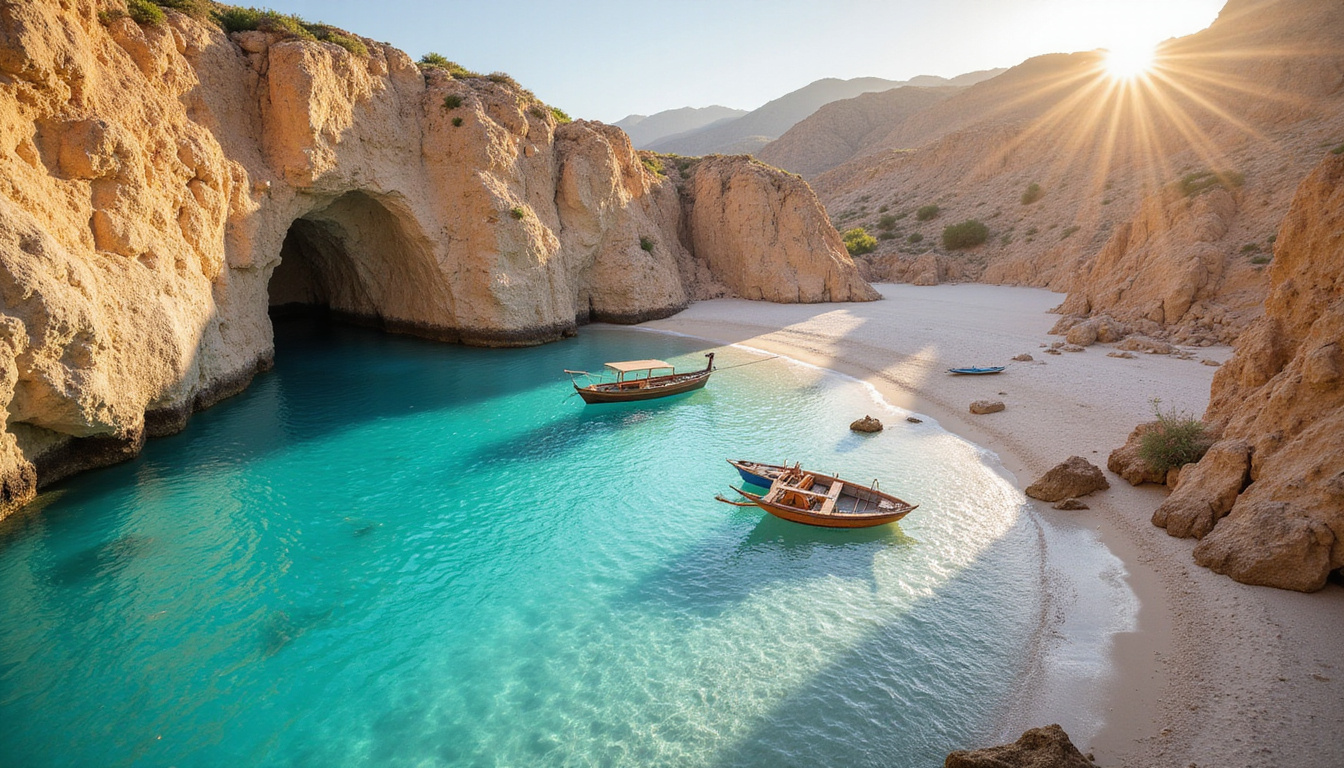
If you’re dreaming of clear turquoise water, soft white sand, and a laid‑back vibe that still feels authentically Egyptian, Marsa Matruh should be at the top of your list. Often overlooked in favor of more crowded Red Sea resorts, this Mediterranean gem offers hidden beaches, local food spots, and affordable stays that make it ideal for families, couples, and solo travelers alike.
This Marsa Matruh travel guide walks you through the best beaches, where to eat, how to get there, and practical tips so you can plan an unforgettable Mediterranean escape in Egypt.
Where Is Marsa Matruh and Why Go?
Marsa Matruh (sometimes written Marsa Matrouh or Mersa Matruh) is a coastal city on Egypt’s northwestern Mediterranean shore, about 300 km west of Alexandria and roughly 500 km from Cairo. It’s the capital of Matrouh Governorate and acts as a gateway to Siwa Oasis and the border with Libya.
Why travelers are falling in love with Marsa Matruh:
- Unreal shades of blue water and powdery white sand
- A quieter, more relaxed feel than major tourist hubs
- Strong local character, especially in markets and family‑run eateries
- Good value for money on hotels, food, and transport
- Easy access to both beaches and desert excursions
Compared with more commercial resort cities, Marsa Matruh still feels like a functioning Egyptian town that just happens to have world‑class beaches.
Best Time to Visit Marsa Matruh
The climate is classic Mediterranean: hot, dry summers and mild winters, often breezy thanks to the sea.
- Peak beach season: June to early September
- Most pleasant weather: May, June, September
- Off-season (quiet, cooler water): October to April
In July and August, Egyptians flock here for summer holidays. That means more crowds (especially on main public beaches) and higher accommodation prices, but also a fun, lively atmosphere with late‑night promenades and open‑air cafés.
If you prefer space and slightly lower temps, aim for late May, June, or September, when Marsa Matruh still offers warm water without intense crowds.
How to Get to Marsa Matruh
From Cairo
By bus:
Several bus companies (Go Bus, West & Mid Delta, etc.) run direct routes from Cairo to Marsa Matruh.
- Duration: ~6–7 hours
- Pros: Affordable, frequent departures
- Cons: Long journey, especially at peak times
By car:
Driving via the coastal road or the desert highway gives flexibility.
- Distance: ~500 km
- Duration: 5–6 hours depending on route and traffic
- Note: Make sure your car paperwork is in order and fuel up before long stretches.
By plane:
Marsa Matruh International Airport sometimes operates seasonal flights from Cairo and select international destinations, especially during summer.
Getting Around Marsa Matruh
Inside Marsa Matruh, you can move around by:
- Local taxis: Negotiate fare before the ride; meters are not always used.
- Microbuses: Very cheap, but routes can be confusing if you don’t speak Arabic.
- On foot: Central areas, the corniche, and some beaches are walkable if you stay in a central hotel.
For more remote beaches west or east of town, a private car, arranged taxi, or organized excursion is best.
Top Beaches in Marsa Matruh
The beaches are the main reason travelers come to Marsa Matruh. The coastline is dotted with bays, inlets, and coves, each with a slightly different mood.
1. Ageeba Beach (Agiba)
Often featured on postcards, Ageeba (Arabic for “miracle”) is a small cove framed by limestone cliffs, with vivid turquoise water and rock formations that create a dramatic backdrop.
- Colorful, photogenic views from the clifftop
- Clear water, good for swimming when the sea is calm
- Can get crowded in high season
Tip: Come early in the morning or near sunset for softer light and fewer people. Ageeba is about 25 km west of Marsa Matruh, so you’ll need a car or taxi.
2. Cleopatra Beach
Cleopatra Beach is one of the city’s signature spots, famous for the rock formation known as Cleopatra’s Bath. According to legend, Cleopatra VII used to swim here with Mark Antony.
- Unique rock “pool” partially sheltered from waves
- Beautiful views, especially at golden hour
- More of a scenic and paddling spot than a wide lounging beach
Because waves and currents can be strong, always respect local safety signs and avoid risky rock climbing.
3. Al Gharam (El Gharam) Beach
Named from an old romantic Egyptian song, Al Gharam is another beloved beach near the city.
- Long sandy shore
- Shallow water areas suitable for families
- Popular with locals
If you’re staying centrally in Marsa Matruh, Al Gharam is a convenient option without traveling far.
4. Rommel Beach
Rommel Beach, named (somewhat controversially) after the WWII general Erwin Rommel, is a wide bay area with shallow, calm water in many parts.
- Family‑friendly due to gentle waves
- Restaurants and cafés nearby
- Can be busy during holidays
The beach area is accessible and usually has facilities, making it a good “first day” beach while you get your bearings in Marsa Matruh.
5. Hidden and Lesser‑Known Coves
Beyond the well‑known names, the coastline west and east of Marsa Matruh has smaller, less‑frequented coves. Some are semi‑private, associated with resorts or camps; others are open public stretches.
To discover them:
- Ask hotel staff or local taxi drivers for “ahsan shati’ hady” (a good quiet beach)
- Look for small side roads off the main coastal road
- Consider booking a local guide or driver for a half‑day beach‑hopping trip
Always check local advice about currents and conditions before swimming in more secluded spots.
What to Eat in Marsa Matruh: Local Food & Must‑Try Dishes
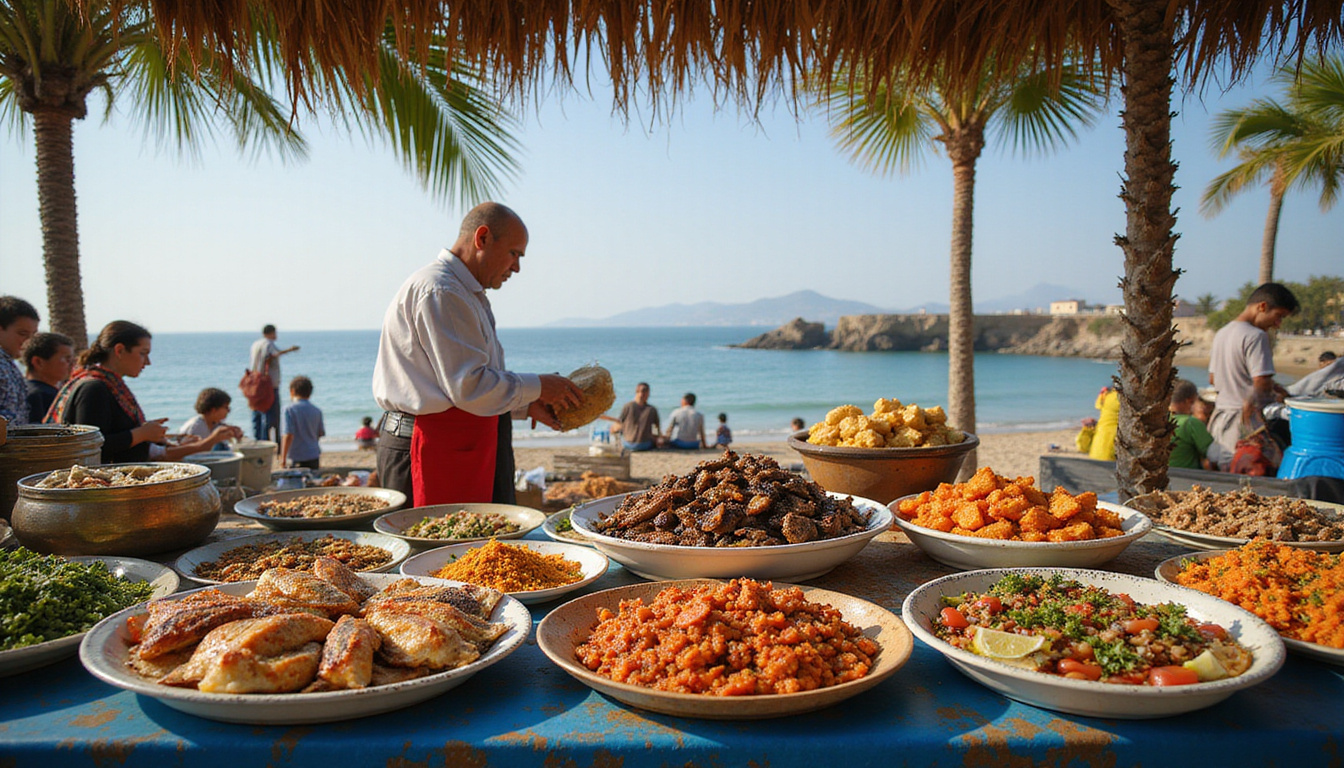
The food scene in Marsa Matruh is a blend of Egyptian classics, fresh Mediterranean seafood, and Bedouin influences from the surrounding desert communities.
Seafood Specialties
Being a coastal city, Marsa Matruh is a great place for fresh fish and shellfish:
- Grilled sea bream or sea bass (samak mashwi) – Typically grilled over charcoal with herbs, garlic, and lemon.
- Sayadeya – Rice cooked with caramelized onions and fish broth, often served with grilled or fried fish.
- Fried calamari and shrimp – Simple, crispy, and widely available.
Look for local fish restaurants where you can choose your fish by weight and have it cooked to your preference.
Bedouin and Local Dishes
The Matrouh region has Bedouin communities whose food traditions add depth to the local cuisine:
- Bedouin lamb or goat – Slow-cooked, sometimes in underground pits, often served with rice or flatbread.
- Taboun bread – Rustic, wood‑oven baked bread; perfect with dips and grilled meats.
- Rice with raisins and nuts – A sweet‑savory dish often served at special occasions.
While not every restaurant serves Bedouin dishes daily, you can often find them in specialized places or by arranging a meal through local contacts or your hotel.
Egyptian Street Food Staples
Around the city center and markets, you’ll find Egyptian favorites that are easy on the budget:
- Koshari – A comforting mix of pasta, rice, lentils, chickpeas, tomato sauce, and crispy onions.
- Ta’ameya (Egyptian falafel) made from fava beans, plus fuul (stewed fava beans).
- Shawarma and grilled kofta – Common fast‑food and sit‑down options.
Pair your meal with fresh sugarcane juice, mango juice (in season), or a strong Egyptian coffee.
Where to Stay in Marsa Matruh
Accommodation in Marsa Matruh ranges from simple guesthouses to higher‑end resorts. You’ll find:
- City-center hotels: Close to markets, local eateries, and urban beaches. Good for budget and mid‑range stays.
- Beachfront resorts: Located a bit outside the center, often with private beaches and more facilities—ideal for families or a resort‑style holiday.
- Chalets and furnished apartments: Popular with Egyptian families; good for longer stays or groups.
When choosing, consider:
- How close you want to be to town vs. quiet beaches
- Whether you prefer self‑catering or hotel services
- Access to transport if you’re not driving
For broader context on living costs and what to expect price‑wise in Egypt’s coastal cities, this video breakdown is useful:
Things to Do in and Around Marsa Matruh (Beyond the Beach)
1. Evening Stroll on the Corniche
The seafront promenade is a social hub in summer. Join families and couples for:
- Ice cream and fresh juice
- Simple seaside cafés
- Sea views and a pleasant breeze after a hot day
It’s a great place to people‑watch and soak in the local atmosphere of Marsa Matruh.
2. Visit Local Markets
Check out the central markets and small shops for:
- Spices, dried herbs, and dates
- Local handicrafts and souvenirs
- Simple clothes and beachwear
Prices are generally moderate, but bargaining is part of the culture for non‑fixed‑price items.
3. World War II History & Rommel Museum
The North Coast region was a WWII battleground, particularly around El Alamein (about 180 km east).
- Rommel Museum in Marsa Matruh: Housed in a cave allegedly used by Rommel as a command post.
- El Alamein: Day trip for war cemeteries and museums, offering a sobering historical counterpoint to the area’s holiday vibe.
For background, you can cross‑reference with historical overviews from resources like the Commonwealth War Graves Commission (source: CWGC).
4. Day Trip to Siwa Oasis
If you have time, combine your Marsa Matruh holiday with a trip to Siwa Oasis—one of Egypt’s most unique and remote destinations.
- Distance: ~300 km south (best arranged with a tour or reliable driver)
- Attractions: Salt lakes, the Temple of the Oracle, Cleopatra’s Spring, and desert safaris
- Best for: Those comfortable with long drives and seeking off‑the‑beaten‑path experiences
Many travelers base themselves in Marsa Matruh for a few days of sea and then head to Siwa for a desert contrast.
Practical Tips for Visiting Marsa Matruh
What to Pack
- Light, breathable clothing (linen, cotton)
- Swimwear plus a cover‑up for walking outside beach areas
- Sun protection: high‑SPF sunscreen, hat, sunglasses
- Flip‑flops or water shoes, especially for rocky areas near Cleopatra Beach
- A light jacket or shawl for cooler evenings outside peak summer
Cultural and Etiquette Notes
Marsa Matruh is more conservative than highly touristic Red Sea resorts:
- Modest dress is appreciated in town, markets, and non‑tourist areas.
- On public beaches, local women may swim in modest swimwear or fully clothed; bikinis are more common on private or resort beaches.
- Ask permission before photographing people, especially women and families.
During Ramadan, expect some restaurants to open only after sunset and a more subdued daytime atmosphere.
Budgeting for Your Trip
Costs can vary by season, but broadly:
- Accommodation: Budget options to mid‑range hotels are generally cheaper than major Red Sea resorts; summer high season can raise prices.
- Food: Street food and simple restaurants are very affordable; fresh seafood in nicer settings is still good value compared with many Mediterranean destinations.
- Transport: Intercity buses and local microbuses are inexpensive; private taxis or drivers cost more but offer flexibility.
Sample 3‑Day Itinerary for Marsa Matruh
Day 1: Arrival & City Beaches
- Check in and stroll along the corniche
- Swim at Rommel or a nearby city beach
- Dinner at a fish restaurant, early night or evening coffee by the sea
Day 2: Iconic Beaches
- Morning at Ageeba Beach (photo stops from the cliffs)
- Afternoon at Cleopatra Beach for the rock pool
- Sunset at Al Gharam
- Try Bedouin or grilled dishes for dinner
Day 3: History or Extra Relaxation
Option A: Half‑day Rommel Museum and local markets, then beach time
Option B: Full‑day excursion towards El Alamein or begin onward trip to Siwa
FAQ: Planning Your Marsa Matruh Trip
1. Is Marsa Matruh safe for tourists?
Generally, Marsa Matruh is considered safe for visitors, with a strong local community presence. As with any travel destination, keep valuables secure, follow local advice, and check your government’s latest travel advisories for Egypt before you go.
2. Can I visit Marsa Matruh and Siwa Oasis in the same trip?
Yes. Many travelers combine Marsa Matruh Siwa itineraries, doing a few days of beach time followed by a desert experience in Siwa Oasis. Arrange transport through reputable tour operators or your hotel, as the route passes through remote desert areas.
3. Are there good family-friendly beaches in Marsa Matruh?
Rommel, parts of the central Marsa Matruh beach area, and some resort beaches are highly suitable for families thanks to shallow entries and calmer waters. Always ask locals about sea conditions, as Mediterranean waves and currents can change.
Ready to Discover Marsa Matruh?
With its dazzling blue bays, soft sands, friendly locals, and memorable food, Marsa Matruh offers a more relaxed and authentic alternative to busier resort towns. Whether you’re planning a summer family break, a couple’s escape, or a solo trip that combines sea and desert, this Mediterranean city deserves a spot on your Egypt itinerary.
Start planning now: research buses or flights, shortlist a few beachside stays, and map out the hidden coves and local eateries you want to try. The sooner you lock in dates, the better choice and value you’ll get on accommodation—especially in high season.
Let Marsa Matruh surprise you: book your trip, pack your sunscreen, and get ready to discover Egypt’s quieter, bluer side.