
Luxury hotel trends are evolving faster than ever, reshaping how high-end travelers choose where to stay and how they define “true luxury.” Today, the most successful luxury properties blend sustainability, cutting-edge technology, and deeply personalized service into seamless, memorable experiences. Rather than focusing only on opulence, modern luxury hospitality is about meaning, relevance, and emotional connection.
This article explores the key luxury hotel trends driving this shift and how they are redefining the guest journey from booking to check-out.
From opulence to purpose: how luxury is being redefined
For decades, luxury hospitality meant marble lobbies, white-glove service, and grand buffets. While those still matter, guests now expect more:
- Purpose-driven brands that care about people and the planet
- Effortless technology that enhances comfort without feeling robotic
- Experiences tailored to individual preferences rather than one-size-fits-all packages
High-end travelers are increasingly well-informed, globally mobile, and values-driven. They compare not just prices and locations, but environmental impact, wellness credentials, and authenticity. As a result, luxury hotel trends are moving away from showy excess and toward thoughtful sophistication.
Sustainability becomes a pillar of true luxury
One of the most important luxury hotel trends is that sustainability is no longer a “nice to have” marketing angle; it is becoming a core part of what guests expect from a premium stay.
Regenerative, not just “green”
Many top-tier hotels have moved beyond basic green practices (towel reuse, LED lighting) to embrace regenerative approaches that give back more than they take:
- Restoring local ecosystems (reforestation, marine conservation, wildlife protection)
- Supporting local communities through employment, training, and fair sourcing
- Partnering with regional artisans and food producers
Guests are increasingly interested in staying where their visit has a positive local impact, not just a neutral carbon footprint.
Visible, meaningful eco-initiatives
Today’s luxury guests want to see what a hotel is doing, not just read a sustainability paragraph on the website. This means:
- Transparent energy and water usage data, often visible via in-room tablets or lobby displays
- Clear information about where food, amenities, and materials are sourced
- On-site initiatives such as herb gardens, composting, and plastic-free operations
Global players like Marriott, Hilton, and Accor have all launched group-wide sustainability programs, mirroring broader industry pressure to decarbonize and reduce waste (source: World Travel & Tourism Council).
Design that tells a sustainable story
High-end hotels are weaving sustainability into their design language:
- Natural, locally sourced materials like stone, timber, and textiles
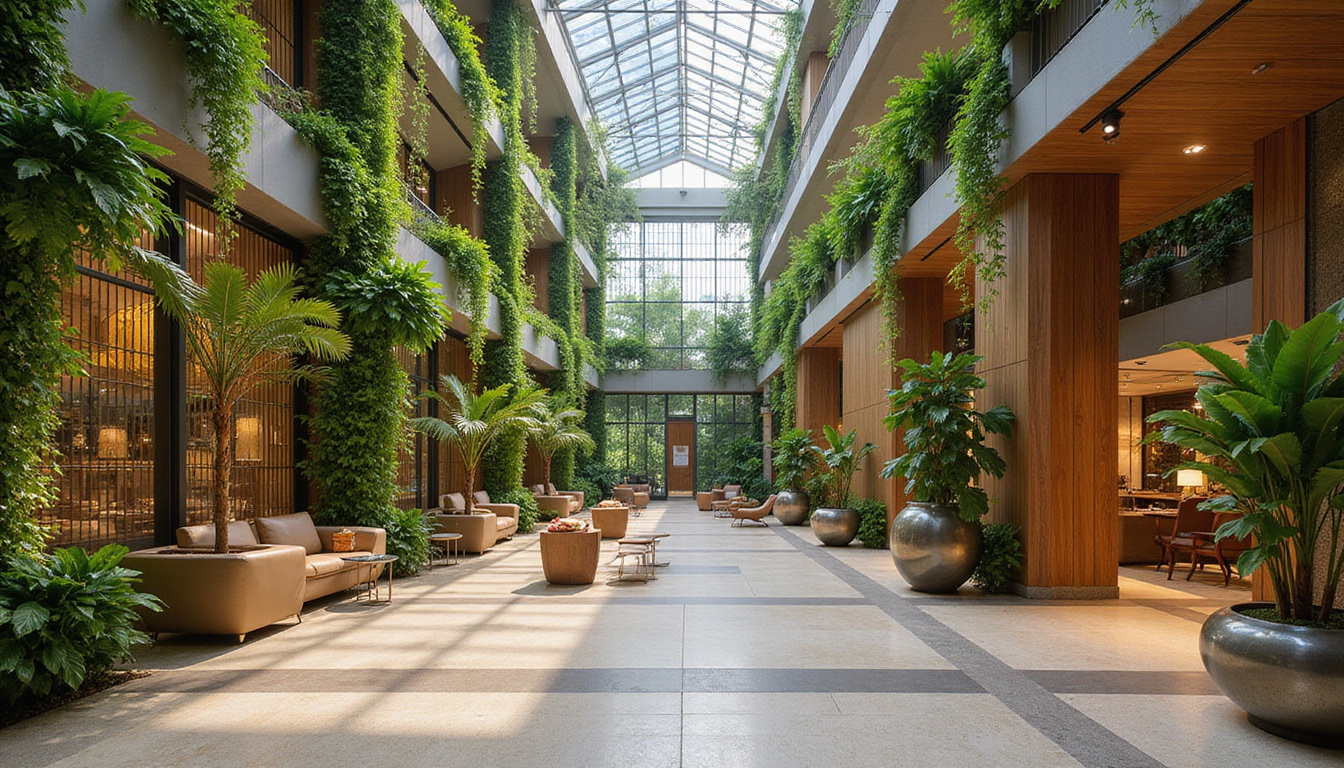
- Biophilic elements—green walls, indoor trees, water features—that enhance well-being
- Architecture that maximizes natural light, cross-ventilation, and energy efficiency
The new definition of luxury includes the quiet confidence of a building that sits lightly on its environment.
Silent tech: smart hotels without the “gadget overload”
Technology is one of the most visible luxury hotel trends, but digital sophistication is less about flashy gadgets and more about invisible convenience. The benchmark is whether tech makes the stay smoother without intruding on the sense of escape.
Seamless, contactless journeys
Guests now expect frictionless journeys across the entire stay:
- Mobile pre-check-in and digital IDs to reduce front desk time
- Mobile room keys and in-app access to elevators or club lounges
- Cashless payments and integrated billing across outlets
This streamlining saves time and gives guests a sense of control, especially for frequent travelers.
Smart rooms that adapt to the guest
Smart-room technology is becoming a standard feature in high-end properties:
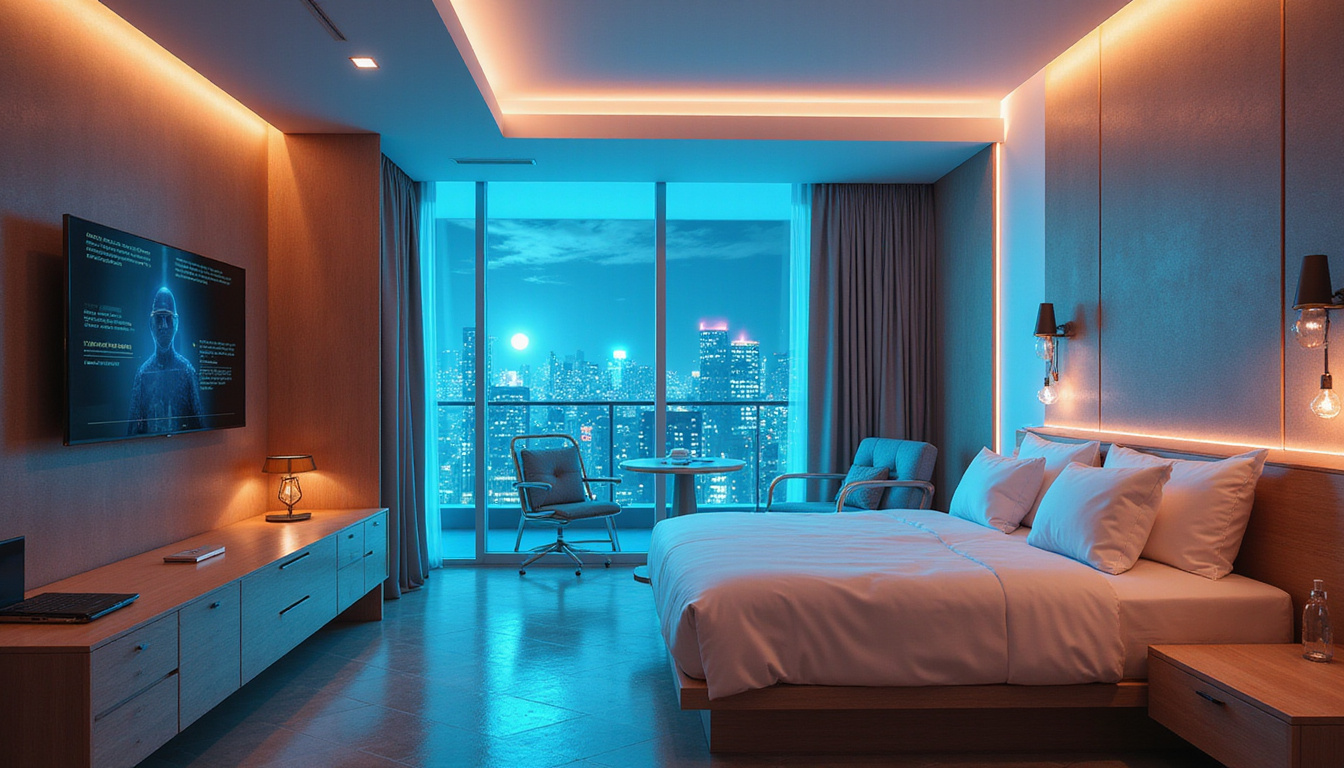
- App or voice-controlled lighting, curtains, and temperature
- Automated scene settings (e.g., “Relax,” “Work,” “Sleep”) that adjust multiple elements at once
- AI-driven systems that remember preferences—pillow type, ideal room temperature, TV channel favorites—from previous stays
The trend is “context-aware” rooms that adjust based on time of day, occupancy, or guest profile, enhancing comfort with minimal effort required.
Tech that serves humans—not the other way around
A crucial nuance in luxury hotel trends: the most admired properties avoid turning stays into a tech experiment. Instead, they:
- Keep interfaces simple, with manual options always available
- Use technology to augment, not replace, human service (e.g., quick requests via app, but complex needs handled by staff)
- Focus on robust, reliable Wi‑Fi, easy device charging, and seamless streaming rather than gimmicks
Guests don’t want to spend half an hour figuring out how to turn off the lights; true digital luxury feels intuitive and almost invisible.
Hyper-personalization: beyond using your first name
Personalization has moved from basic recognition—remembering a guest’s name—to deeply customized journeys that anticipate needs.
Data-driven, but privacy-respecting
Hotels now use CRMs and integrated systems to track preferences ethically:
- Room location, bed type, and amenity choices
- Dietary needs, spa preferences, and activity interests
- Occasion-based details (honeymoon, corporate retreat, multigenerational family trip)
On arrival, this can translate into:
- The right type of pillows already in place
- A minibar stocked with preferred drinks and snacks
- Personalized welcome notes acknowledging the purpose of the trip
Crucially, leading brands give guests control over what is remembered and how it is used, respecting privacy and consent.
Curated experiences, not generic itineraries
Instead of standard tour desks, many luxury hotels now offer experience curators or “lifestyle concierges” who:
- Design custom excursions aligned with guest interests (art, food, adventure, wellness)
- Arrange private access to galleries, historical sites, or local artisans
- Create themed stays—digital detox, culinary discovery, cultural immersion
Personalization extends outside the room and into the destination, transforming stays into stories that guests want to share.
Wellness and longevity as core brand pillars
Wellness is no longer limited to a spa and a small gym. Among luxury hotel trends, the most transformative is the shift to full-spectrum well-being and even longevity-focused offerings.
Integrated wellness ecosystems
Leading properties now offer:
- Holistic spa menus blending traditional therapies with modern treatments
- Sleep programs with specialized mattresses, soundscapes, and lighting
- Mindfulness spaces—meditation rooms, quiet gardens, yoga decks
Nutrition, movement, rest, and mental health are treated as interconnected aspects of the stay.
Medical and performance partnerships
Some high-end resorts and urban wellness hotels are partnering with medical and performance experts to deliver:
- Health assessments and biomarker testing
- Personalized fitness, nutrition, and recovery protocols
- Programs targeting stress management, weight optimization, or athletic performance
This “health meets hospitality” trend appeals strongly to affluent guests who want their vacations to support long-term well-being.
Local immersion and cultural authenticity
Modern luxury travelers value a sense of place. Instead of interchangeable interiors, they want hotels that reflect their destination.
Design rooted in local heritage
Hotels are incorporating:
- Architecture inspired by local traditions
- Handmade furnishings and décor crafted by regional artisans
- Art collections that showcase local talent
This not only differentiates each property but also supports local creative economies.
Food that tells a regional story
Luxury hotel trends in F&B emphasize:
- Seasonal menus with locally sourced ingredients
- Modern interpretations of traditional dishes
- Chef’s tables, foraging excursions, or market tours with the culinary team
The restaurant becomes a gateway to the destination’s culture, not just a place to eat.
The rise of branded residences and hybrid models
An increasingly important trend in luxury hospitality is the blending of hotel and residential concepts.
Branded residences attached to hotels
Many global luxury brands now offer residences adjacent to or integrated with hotels:
- Owners enjoy the privacy of a home with access to five-star hotel services
- Facilities—pools, gyms, concierge, housekeeping—are shared or connected
- Rental programs allow owners to earn income when not in residence
This appeals to high-net-worth individuals seeking both investment potential and lifestyle benefits in prime locations.
Extended stays and “home-style” luxury
Even without full ownership, guests now expect:
- Spacious suites with kitchenettes or full kitchens
- Laundry facilities, workspaces, and storage options
- Flexible housekeeping schedules and in-room dining options that feel like home cooking
These features are especially popular for long-stay guests, families, and remote workers combining business and leisure travel (“bleisure”).
Responsible indulgence: luxury with a conscience
The overarching narrative across these luxury hotel trends is “responsible indulgence.” Guests still want comfort, beauty, and exclusive experiences—but they want them delivered in ways that align with their ethics.
Key characteristics include:
- Transparency about sourcing, labor practices, and environmental impact
- Opportunities for guests to contribute—volunteering, donations, or impact-driven experiences
- Long-term investment in community education, infrastructure, and culture
In this context, the most admired luxury hotel brands are those that think beyond their property lines and consider their role in the broader ecosystem.
Practical tips for guests choosing among modern luxury hotel trends
When evaluating high-end properties, travelers can use these criteria to identify which trends are genuinely embedded:
- Check sustainability details: Look for specifics—certifications, reports, or clear descriptions of initiatives—rather than vague “eco-friendly” claims.
- Assess tech usability: Read reviews that mention Wi‑Fi quality, ease of room controls, and app reliability. Overly complicated systems are a red flag.
- Look for personalization cues: Does the hotel ask about preferences pre-arrival? Are there dedicated concierges or experience designers?
- Evaluate wellness depth: Beyond a spa and gym, is there a broader philosophy or set of programs around well-being?
- Scan for local integration: Note the presence of local design, cuisine, and partnerships in marketing materials and guest feedback.
FAQ: Luxury hotel trends and what they mean for guests
Q1: What are the most important luxury hotel trends right now?
The most important luxury hotel trends include deep sustainability integration, seamless smart technology, personalized guest experiences, holistic wellness offerings, and strong connections to local culture. Together, these elements redefine luxury from pure opulence to a more meaningful, experience-driven concept.
Q2: How are new trends in luxury hotels changing the guest experience?
New trends in luxury hotels are making stays more effortless, healthier, and more tailored. Contactless check-in, smart rooms, and apps simplify logistics, while wellness programs and curated local experiences transform a stay into a personalized journey rather than a generic visit.
Q3: Why should travelers care about emerging luxury hotel industry trends?
Travelers benefit directly from emerging luxury hotel industry trends because they gain more comfort, better service, and stays that align with their personal values. By choosing properties that embrace these trends, guests can enjoy higher-quality experiences while supporting brands that prioritize sustainability, community, and well-being.
Redefine your next stay: choose the future of luxury
As these luxury hotel trends reshape global hospitality, the gap between traditional and future-focused properties is widening. Your choice of hotel can now deliver much more than a beautiful room—it can offer regenerative sustainability, intuitive technology, tailored experiences, and genuine local connection.
When planning your next trip, seek out hotels that embody these principles in visible, practical ways. Ask how they personalize stays, what they do for their community, and how they support your well-being from arrival to departure. By rewarding forward-thinking hotels with your bookings, you not only elevate your own travel experience—you help push the entire luxury hospitality sector toward a smarter, more sustainable, and more human-centered future.