
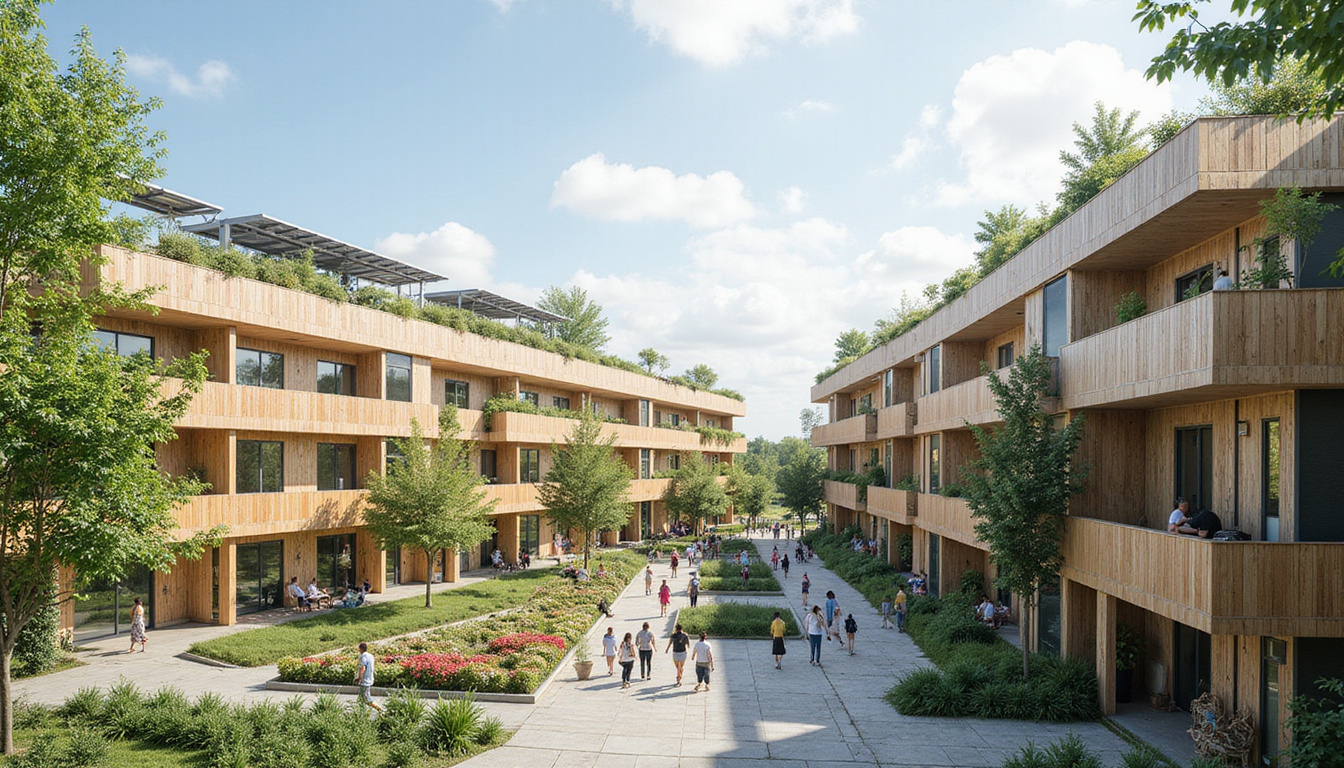
Housing projects are at the heart of how cities grow, how families live, and how economies evolve. Done well, housing projects can unlock affordable, sustainable urban development that improves quality of life for millions of people—whether in Egypt, the wider MENA region, or fast-growing cities worldwide. Done poorly, they can create congestion, social isolation, and long-term financial burdens for both residents and governments.
This guide unpacks how modern housing projects can be designed, financed, and managed to stay affordable, environmentally responsible, and genuinely livable over the long term.
Why Housing Projects Matter More Than Ever
Rapid urbanization is reshaping the world. According to UN-Habitat, cities will house nearly 70% of the global population by 2050 (source). This growth is especially intense in emerging markets like Egypt, where new towns, coastal cities, and satellite communities are mushrooming.
In this context, housing projects are not just about building more units:
- They shape access to jobs, schools, and healthcare.
- They influence energy consumption and emissions.
- They determine whether cities are inclusive—or segregated by income.
To “unlock” better outcomes, housing projects must balance three core goals:
- Affordability – People can reasonably pay for rent or mortgages and utilities.
- Sustainability – Buildings and infrastructure are energy-efficient, resource-smart, and climate-resilient.
- Urban integration – Projects are well-connected, serviced, and socially vibrant.
Principle 1: Redefining Affordability in Modern Housing Projects
Affordability is often misunderstood as “low price per unit.” In reality, people experience affordability as total cost of living over time.
Look at Total Housing Cost, Not Just the Purchase Price
Smart housing projects consider:
- Purchase or rent price
- Utility bills (electricity, water, cooling)
- Transport costs (distance from work, schools, and services)
- Maintenance and service charges
A cheaper unit on the edge of the city with high transport and cooling costs can be less affordable than a moderately priced home in a well-connected, energy-efficient project.
In many Egyptian cities, for example, residents in remote compounds can spend heavily on commuting and private services. Projects that mix reasonable prices with good public transport links and efficient building envelopes often provide more stable, predictable monthly costs.
Principle 2: How Housing Projects Can Stay Truly Affordable
1. Smart Land Strategies
Land is usually the single biggest input cost. To manage it:
- Use state-owned land strategically. Public land contributions or long-term leases can lower prices and enable developers to deliver more affordable units.
- Encourage higher density where appropriate. Medium-rise, well-planned blocks can reduce per-unit land costs without sacrificing livability.
- Promote mixed-use zoning. Integrating residential, retail, and services increases land value and cross-subsidizes affordable units.
2. Mixed-Income and Cross-Subsidy Models
Many successful housing projects globally—and increasingly in MENA—use:
- Mixed-income communities: A blend of market-rate, mid-income, and subsidized units.
- Cross-subsidy: Profits from higher-end units help fund more affordable ones.
This approach:
- Protects social diversity.
- Reduces the stigma often attached to “social housing.”
- Creates a broader, more resilient market base for developers.
3. Innovative Financing and Ownership Models
To keep entry barriers low:
- Long-tenor mortgages with fixed or capped rates for first-time buyers.
- Rent-to-own schemes that convert a portion of rent into equity over time.
- Shared equity models where government or social investors retain a stake to lower upfront costs.
For buyers and tenants, understanding the full financing picture—including interest, service charges, and indexation—is crucial to avoid overextension.
For a grounded look at everyday living expenses that impact overall affordability, including rent, transport, and utilities, this video is a useful reference:
The Real Cost of Living In Egypt 2025 –
Principle 3: Sustainability as a Cost-Saving Strategy
Sustainability in housing projects isn’t only about being “green”; it can significantly reduce lifetime costs for both residents and governments.
Passive Design First, Technology Second
Before adding high-tech systems, smart projects optimize:
- Orientation and shading to reduce cooling loads.
- Natural ventilation through well-placed windows and cross-breezes.
- High-performance insulation and efficient glazing.
- Light-colored façades and roofs to reduce heat gain.
These passive measures can cut energy use by 20–40% without expensive technology, particularly in hot climates like Egypt’s.
Efficient Systems and Local Resources
Beyond design:
- Solar water heaters and PV panels can offset electricity consumption.
- Greywater reuse reduces potable water demand for irrigation.
- Local materials (e.g., local stone, bricks) lower transport emissions and support local economies.
- Efficient HVAC and LED lighting keep ongoing costs down.
Well-designed housing projects that integrate these elements often see:
- Lower utility bills for residents.
- Higher long-term asset values.
- Stronger marketing appeal to environmentally conscious buyers and tenants.
Principle 4: Location, Connectivity, and Urban Integration
A housing project can be architecturally impressive yet fail its residents if it is disconnected from the larger city.
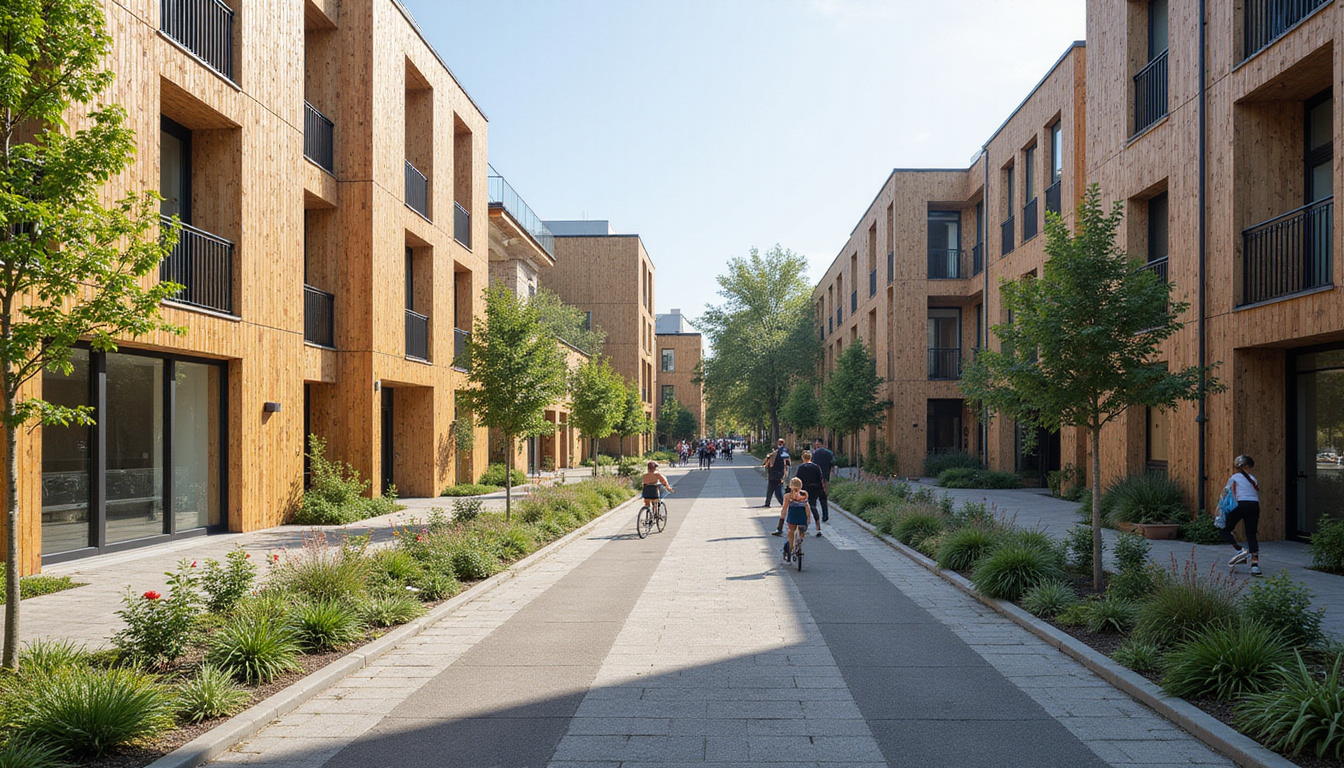
Transit-Oriented Development (TOD)
Aligning projects with public transport nodes—metro lines, bus rapid transit, or key road corridors—can:
- Shorten commuting times.
- Reduce household transport costs.
- Lower traffic congestion and emissions.
Key TOD elements include:
- Higher density around stations.
- Mixed uses (residential + commercial + services).
- Safe walking and cycling infrastructure.
Social Infrastructure and Daily Needs
Well-planned housing projects ensure that essentials are nearby:
- Schools and childcare.
- Primary healthcare and pharmacies.
- Grocery stores and markets.
- Parks, playgrounds, and community centers.
The further residents must travel for basic services, the higher their time and money costs—and the weaker the project’s long-term appeal.
Principle 5: Designing for Community, Not Just Units
Housing projects succeed when they create real communities, not just blocks of apartments.
Human-Centered Public Spaces
Good projects invest in:
- Walkable streets with shade, safe crossings, and comfortable sidewalks.
- Green spaces sized and located for everyday use, not just decorative lawns.
- Gathering areas like plazas, benches, and community rooms.
- Playgrounds and sports facilities to support youth and family life.
These spaces:
- Build social ties.
- Improve safety through natural surveillance.
- Support mental and physical health.
Inclusive and Safe Environments
Design should consider:
- Accessibility for people with disabilities (ramps, elevators, tactile paving).
- Universal design in units and circulation.
- Lighting and visibility in public areas.
- Clear boundaries between public, semi-public, and private spaces.
Projects that feel safe, inclusive, and welcoming tend to maintain value and attract long-term residents.
Principle 6: Governance, Maintenance, and Long-Term Value
One overlooked “secret” of successful housing projects is what happens after handover. Long-term governance matters as much as initial design.
Clear Management Structures
Effective projects define:
- Homeowners’ or residents’ associations with transparent rules.
- Maintenance plans for shared areas, elevators, façades, and infrastructure.
- Fair, predictable service charges aligned with local incomes.
Without proper governance, projects can quickly deteriorate, undermining both resident satisfaction and asset values.
Data-Driven Operations
Modern housing projects increasingly use:
- Digital platforms for fee collection, maintenance requests, and communication.
- Smart meters to track energy and water use.
- Regular condition assessments to prioritize repairs.
This reduces waste, improves service quality, and supports evidence-based upgrades over time.
Step-by-Step: Blueprint for Better Housing Projects
For governments, developers, or investors, these steps can help align housing projects with affordability and sustainability goals:
Define clear social and economic goals.
- Who is the primary target segment (income level, household size, age groups)?
- What affordability thresholds (as % of household income) will guide pricing?
Select land with connectivity in mind.
- Prioritize sites near current or planned mass transit and economic hubs.
- Avoid locations that will force residents into long, expensive commutes.
Plan for mixed uses and mixed incomes.
- Combine residential with retail, office, and services.
- Integrate different housing typologies (apartments, townhouses, studios) and price bands.
Embed passive design and resource efficiency from day one.
- Orient buildings wisely, optimize shading, and specify insulation standards.
- Set clear performance targets for energy, water, and waste.
Structure inclusive, realistic financing.
- Pair government incentives or land support with bank products adapted to target incomes.
- Explore rent-to-own for households without large down payments.
Design public spaces and social infrastructure early.
- Don’t “value engineer” away parks, schools, or clinics later.
- Treat public realm as core infrastructure, not a luxury.
Establish long-term governance frameworks.
- Define residents’ associations, by-laws, and service charge formulas.
- Plan a sinking fund for major future repairs.
Frequently Asked Questions About Housing Projects
1. What makes modern housing projects truly “affordable”?
Affordability in housing projects means that the total monthly burden—mortgage or rent, utilities, and transport—stays within a sustainable share of household income, often benchmarked around 25–35%. Projects that pair reasonable unit prices with energy-efficient design and good public transport access tend to be more affordable over time than simply “cheap” units in remote or inefficient buildings.
2. How can housing project developers balance profit with social impact?
Developers can use mixed-income models, cross-subsidy (premium units supporting budget units), and partnerships with government or social investors. Efficient design, optimal land use, and phased development also protect margins while keeping prices accessible. In many markets, strong demand for well-planned, mid-income housing projects creates a stable, profitable segment.
3. What features should buyers or renters look for in sustainable housing projects?
Key signals include passive design (good orientation, shading, and ventilation), efficient systems (LED lighting, water-saving fixtures, sometimes solar), quality building materials, and visible green spaces. Location near public transport, schools, and basic services is critical. Buyers should also ask about service charges, maintenance plans, and whether there is an active residents’ association.
Turn Vision into Reality: Build or Choose Smarter Housing Today
Whether you are a policymaker shaping urban growth, a developer planning a new compound, or a family searching for your next home, the way housing projects are conceived and executed will directly affect your financial security, daily comfort, and future resilience.
Projects that combine smart land use, realistic pricing, sustainable design, and strong community planning don’t just sell units—they create thriving, long-lived neighborhoods that hold their value. As urbanization accelerates, the demand for such well-planned housing projects will only grow.
If you’re planning a new development, now is the time to embed affordability and sustainability into your master plan. If you’re a buyer or renter, insist on these standards when choosing where to live. By pushing for better-designed, better-connected, and better-governed housing projects today, you help build cities that work—for you, for your children, and for generations to come.