
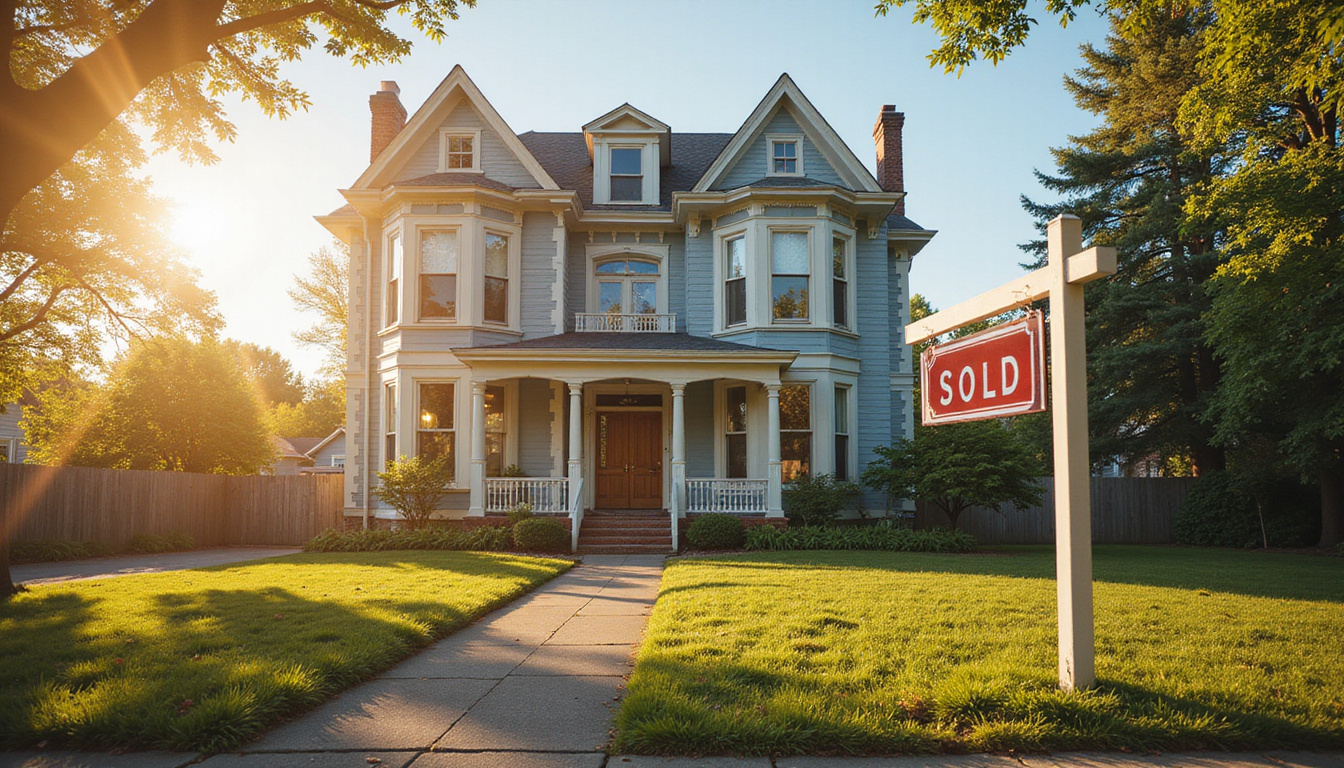
Historic properties hold a special place in the real estate market. They blend architectural character, cultural significance, and investment potential in a way modern buildings often can’t match. For buyers and investors, historic properties can offer both emotional satisfaction and strong financial returns—if you know how to identify the right assets and manage them wisely.
Below is a practical, people-first guide to understanding why these homes and buildings can sell quickly, how they can generate robust income, and what to watch out for before you commit.
Why Historic Properties Attract Serious Buyers and Tenants
Historic properties stand out in a sea of similar-looking new builds. That distinctiveness creates built-in demand.
Key factors driving their popularity include:
- Scarcity and uniqueness – There’s a limited supply of genuine historic buildings. Every year, more are altered or demolished, which increases the value of those that remain in authentic condition.
- Architectural charm – Original ceilings, hand‑crafted woodwork, marble floors, courtyards, and detailed façades appeal to buyers and renters who are willing to pay more for aesthetics and atmosphere.
- Story and status – Owning a piece of history—whether a century-old townhouse or a heritage villa—often conveys prestige. That perception can translate into faster sales and premium pricing.
- Prime locations – Many older buildings were constructed in the most desirable parts of town long before modern sprawl. Historic districts today are often central, walkable, and close to major amenities.
Taken together, these factors help explain why historic properties can sell faster than comparable modern homes in the same area and command a price premium when properly restored and positioned.
Understanding the Investment Case for Historic Properties
From an investment perspective, historic properties can generate returns in several ways:
1. Capital Appreciation
Well-located, well-preserved historic homes tend to appreciate strongly over time. Their scarcity and charm attract long-term demand. This is especially true in:
- Established city centers
- Heritage districts near touristic sites
- Waterfront or riverfront historic areas
- Growing neighborhoods undergoing urban regeneration
When urban development pushes outward, central historic zones can become even more desirable—supporting long-term value growth.
2. Rental Income and Short-Term Stays
A carefully renovated historic property can outperform standard rentals because of its uniqueness:
- Furnished rentals for expats, diplomats, or executives often command higher monthly rents.
- Boutique guesthouses or serviced apartments in historic districts can be marketed as experiential stays rather than generic accommodation.
- Short-term rentals (where legally permitted) often perform well because guests actively seek authentic local experiences with character.
For a real-life sense of how lifestyle, costs, and expectations align around historic living, this video is helpful:
[Things I Wish I Knew Before Moving to Egypt – My Honest Experience](
3. Tax Incentives and Grants (Where Available)
In some countries and cities, historic preservation is rewarded with:
- Tax credits or deductions for approved renovation work
- Reduced property taxes for protected landmarks
- Grants or soft loans for restoration projects
Always check your local laws and speak with a knowledgeable tax advisor or real estate lawyer. In many markets, heritage-oriented incentives can significantly improve your net returns (source: UNESCO – Culture and Urban Development).
How to Find Historic Properties That Sell Fast
Not all old buildings are good investments. The best-performing historic properties share some consistent characteristics.
Target the Right Neighborhoods
Focus on areas with:
- An established reputation as a historic or heritage district
- Evidence of recent renovations and private investment
- Active tourism or strong local lifestyle appeal (cafés, culture, walkability)
- Good infrastructure: transport, services, and safety
These factors support both strong resale demand and reliable rental markets.
Look for the Ideal Property Profile
Properties that tend to sell fast and resell well often have:
- Solid structure – Sound foundations and main walls, even if cosmetic work is needed.
- Recognizable architectural style – Ottoman, Art Deco, early modern, colonial, or distinct local styles that people can appreciate and market easily.
- Balanced size – Not too large to be unmanageable or too small to be inflexible. Mid-sized apartments, townhouses, and villas appeal to the widest pool of buyers.
- Flexible layout – Spaces that can be adapted to residential, mixed-use, or small hospitality concepts without major structural intervention.
Work with Specialists
For historic properties, it’s crucial to:
- Use agents who specialize in heritage districts.
- Consult structural engineers and architects experienced in older buildings.
- Involve preservation experts if the property is listed or protected.
Their insight helps you price accurately, avoid costly surprises, and position the asset properly in the market.
Balancing Character and Modern Comfort
One of the biggest challenges with historic properties is upgrading them for modern living without destroying what makes them special.
Preserve the Core Features
Retain and restore character-defining elements such as:
- Original façades and balconies
- Traditional windows and shutters (with upgraded glazing where possible)
- Authentic flooring (stone, parquet, tiles)
- Historic doors, staircases, and decorative ceilings
These features photograph well, market strongly, and help justify premium pricing.
Upgrade Smartly and Discreetly
Modern buyers expect:
- Reliable plumbing and wiring
- Efficient heating and cooling
- Modern kitchens and bathrooms
- Soundproofing where possible
- Stable internet and smart-home basics
The key is to integrate these discreetly:
- Conceal wiring and pipes behind existing walls or within service shafts.
- Use neutral, timeless finishes that don’t compete with historic details.
- Improve insulation and windows while respecting original proportions and façade harmony.
Well-executed upgrades make the property livable and functional while preserving the historic narrative that sells.
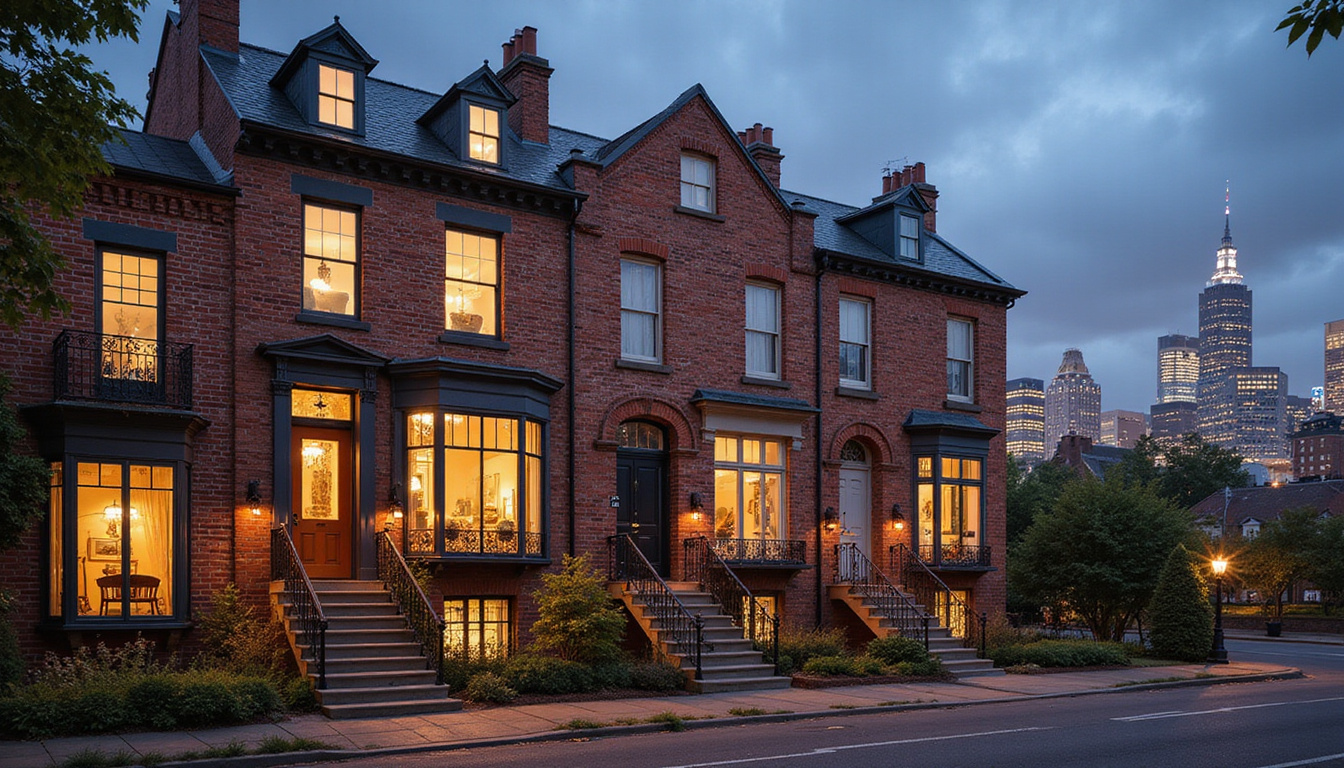
Risk Management: What to Check Before You Buy
Historic properties can be outstanding investments, but they require more due diligence than a new build.
Legal and Heritage Status
Before signing anything, verify:
- Whether the building or area is officially listed as historic.
- What restrictions apply to alterations, façade changes, or interior modifications.
- Whether previous works were done with necessary permits.
Unapproved changes can become your legal problem after purchase, so clarify these issues early.
Structural and Technical Surveys
Commission thorough inspections from qualified professionals. Pay special attention to:
- Foundations and supporting walls
- Moisture, rising damp, and roof leaks
- Electrical capacity and safety
- Plumbing condition and water pressure
- Presence of hazardous materials (like old paints or asbestos where relevant to your region)
Repairs are not a deal-breaker, but you must understand the true cost before making your offer.
Budget for Restoration
A realistic restoration budget typically includes:
- Professional fees (architect, engineer, preservation consultant, permits)
- Structural repairs and waterproofing
- MEP systems (mechanical, electrical, plumbing)
- Restoration of finishes and decorative elements
- Contingency (often 10–20% for surprises hidden in old walls)
Underestimating restoration costs is a major reason investors struggle with historic projects. Conservative planning is far safer than optimistic guesswork.
Value-Add Strategies for Higher Returns
If you approach historic properties creatively, you can unlock multiple income streams and increase resale value.
Convert or Reconfigure Smartly
Depending on local regulations, you might:
- Turn a large historic apartment into two or three smaller, functional units.
- Transform a family mansion into a boutique guesthouse or serviced apartments.
- Create a mixed-use property with commercial space on the ground floor and residential above.
The goal is to respect the building’s character while aligning with real demand in the market—families, professionals, tourists, or students.
Highlight the Story in Your Marketing
Heritage sells best when it’s told as a story. In your listing photos, brochures, and online marketing:
- Emphasize the year of construction and architectural style.
- Mention any connection to notable historical events or figures, if accurate.
- Showcase “before and after” images of sensitive restoration works.
- Describe the experience of living there—courtyard mornings, high ceilings, views, and neighborhood culture.
People don’t just buy square meters; they buy lifestyle and narrative. For historic properties, that narrative is your most valuable marketing tool.
Partner with Local Businesses and Tourism
If your property targets visitors:
- Collaborate with local guides, restaurants, and cultural venues for joint packages.
- Use the property’s history as a hook for curated experiences (walking tours, photo shoots, cultural events).
- Promote the building on regional travel and heritage platforms.
This visibility supports higher occupancy and gives your property a reputation beyond regular listings.
Quick Checklist: Is This a Promising Historic Property?
Use this simple list as a first filter when evaluating opportunities:
- Location – Is it in or near a recognized historic or desirable central district?
- Demand – Is there proven rental, tourism, or resale demand in the area?
- Condition – Are structure and foundations basically sound?
- Legal status – Are heritage restrictions clear and manageable?
- Budget – Do estimated renovation costs fit your capital and timeline?
- Character – Does the property have visible, marketable historic features?
- Exit strategy – Do you clearly see how you’ll rent, resell, or repurpose?
If you can confidently say “yes” to most of these, the property is worth deeper investigation.
FAQs about Investing in Historic Properties
1. Are historic properties a good investment for beginners?
They can be, but they’re more complex than standard apartments. New investors should start with smaller historic properties in well-known districts, work with experienced professionals, and avoid buildings needing heavy structural reconstruction.
2. Do historic homes cost more to maintain than newer properties?
Maintenance can be higher, especially if original materials need specialist work. However, if systems (plumbing, wiring, roofing) are fully updated during renovation, ongoing costs can be quite manageable and offset by higher rents or resale values.
3. Can I remodel historic properties freely?
Not always. Many heritage buildings face strict rules on façades, structural changes, and sometimes interior details. Always confirm local regulations, secure written approvals, and design within those limits to avoid fines or forced reversals.
Turn Historic Character into Long-Term Wealth
Historic properties are not “easy money” projects. They demand careful research, patience, and collaboration with the right experts. Yet for investors willing to respect their character and invest intelligently, these properties can sell quickly, attract high-quality tenants or guests, and appreciate strongly over time.
If you’re ready to explore historic buildings that combine emotional appeal with solid financial potential, start now: identify key heritage neighborhoods, connect with specialized agents and architects, and walk through real properties to understand what’s possible. With the right strategy, your next purchase could be more than just a building—it could be a living asset that tells a story, earns consistent income, and grows in value year after year.