
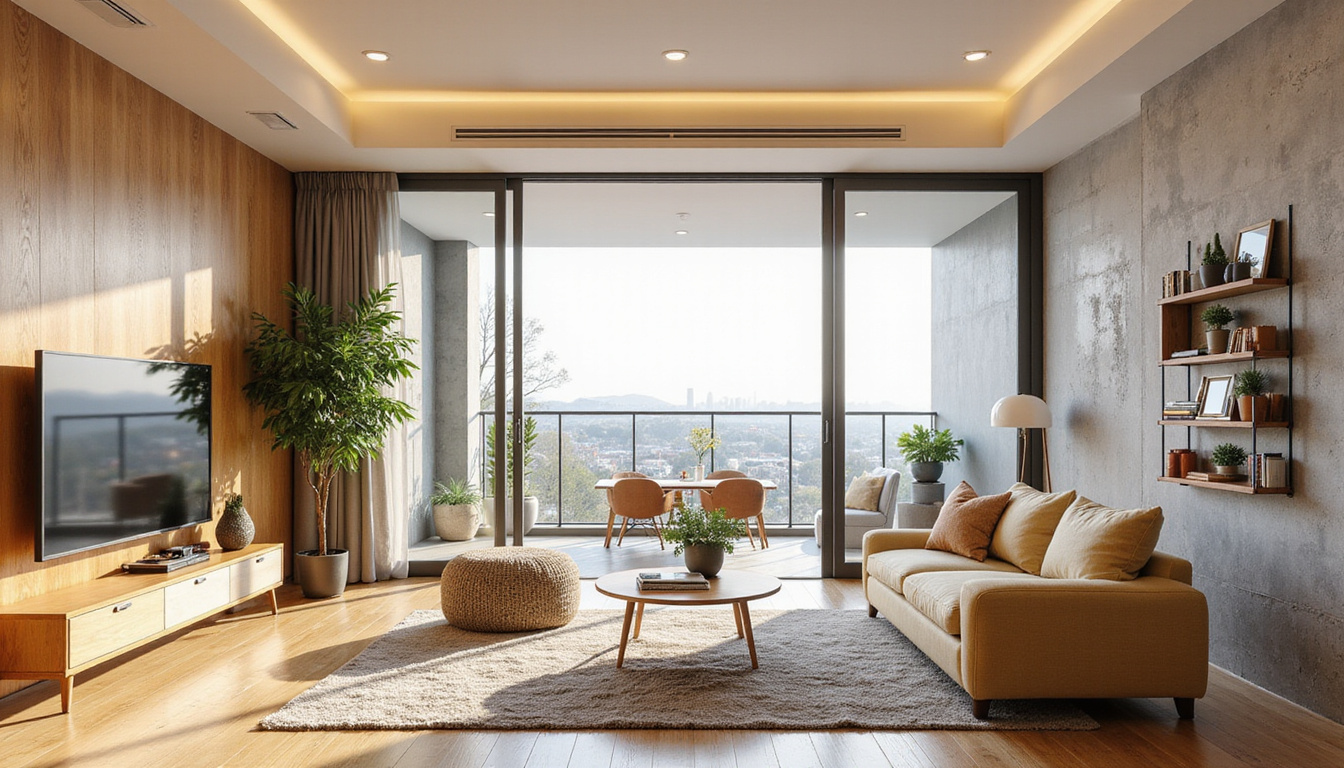
Thoughtful floor plans can make a compact studio feel generous, a family home more functional, and any property more valuable. Whether you’re buying, building, renovating, or just rearranging furniture, the way rooms connect and flow matters more than square meters alone. Smart layouts don’t just save space—they improve everyday living, comfort, and even resale value.
Below, we’ll explore how to choose and design floor plans that truly maximize space in any type of home, from small apartments to large villas.
Why floor plans matter more than square footage
Many buyers focus on total area, but two homes with identical sizes can feel drastically different depending on the floor plan. A good layout:
- Reduces wasted circulation areas (awkward halls, dead corners)
- Improves natural light and ventilation
- Increases privacy where needed
- Supports your lifestyle (work-from-home, kids, entertaining, etc.)
According to leading real estate analysis, layout efficiency can have a significant impact on how large and livable a home feels compared to its actual size (source: National Association of Realtors). In fast-growing markets like Egypt and other high-density cities, efficient floor plans have become a key selling point as people seek more function from less space.
Key principles of a space‑maximizing floor plan
Regardless of size or style, the most effective floor plans share a few core principles.
1. Clear circulation and minimal wasted space
Circulation refers to the paths you take through a home. In a smart layout:
- You move naturally from entrance to living to private zones.
- Hallways are minimal or dual-purpose (e.g., with storage along one side).
- Doors don’t swing into each other or block furniture areas.
Aim for clean, intuitive routes that don’t carve out unnecessary strips of space.
2. Functional zoning
Zoning divides the home into:
- Public zones – entrance, living room, dining area, guest WC.
- Semi-private zones – kitchen, family room, home office.
- Private zones – bedrooms, dressing rooms, main bathrooms.
Good floor plans keep noisy social areas away from bedrooms, group wet areas (kitchen, bathrooms, laundry) to save plumbing costs, and make it easy to transition between zones without crossing through private rooms.
3. Open but defined spaces
Open-plan layouts maximize visual space and light, but they can feel chaotic if not defined. Smart floor plans use:
- Partial walls or glass partitions
- Changes in flooring material or ceiling level
- Furniture, rugs, or lighting to “anchor” zones
You get the airiness of open space with the functionality of separate rooms.
4. Right‑sized rooms, not oversized rooms
Bigger is not always better. Oversized bedrooms or hallways can steal area from storage, kitchen functionality, or living spaces. Think in terms of how each room will be used:
- Can you fit the necessary furniture comfortably?
- Is there room to move around without obstruction?
- Does the room size reflect how many hours you spend there daily?
A compact, efficient bedroom plus a generous living area often feels more luxurious than two massive bedrooms and a cramped lounge.
Small apartment floor plans: make every meter count
In studios and one-bedroom apartments, micro-planning is everything. The goal is to create multiple functions within a limited footprint.
Open studio with smart divisions
A typical space-maximizing studio floor plan might:
- Combine living, dining, and sleeping in one open area
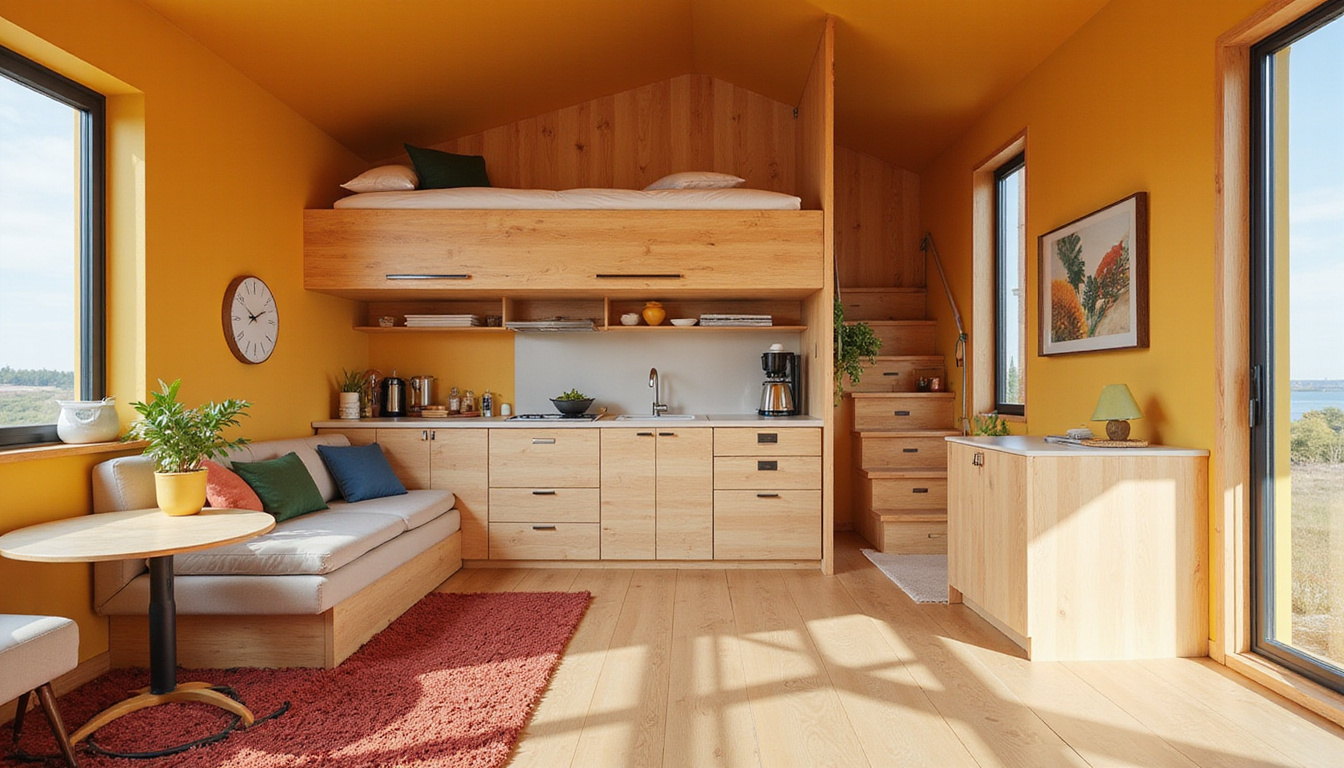
- Use a sofa bed, Murphy bed, or loft bed to free floor space
- Include a single wall kitchen with a peninsula that doubles as dining
- Incorporate built-in storage along one entire wall
Sliding or folding partitions can provide privacy for sleeping without permanently blocking light.
One-bedroom with an efficient core
For a one-bedroom, look for:
- Minimal hallway between entrance and living area
- Kitchen close to the entrance to shorten service routes
- Bedroom positioned away from the front door and main living noise
- Bathroom accessible from both bedroom side and living side in some designs
In small homes, combining the dining and living areas into one flexible space usually works better than insisting on a dedicated dining room.
Family home floor plans: balancing openness and privacy
For families, the best floor plans create connection while still giving everyone private retreats.
Ideal ground floor layout
A typical family-friendly ground floor might feature:
- Entry with a drop zone (shoes, coats, bags)
- Open or semi-open living and dining area facing a balcony, garden, or terrace
- Kitchen that connects to dining and has a small breakfast corner
- Guest bathroom near living area, not in the bedroom zone
- Optional small office or multi-use room near the entrance
Placing the kitchen adjacent to outdoor space also supports future additions like an outdoor kitchen or barbecue area.
Upper floor and bedroom zoning
On upper levels:
- Group children’s bedrooms around a shared bathroom.
- Place the master suite at the quietest corner, ideally with an en-suite and wardrobe.
- Consider a small family lounge or study area near bedrooms for homework or quiet time.
Avoid circulation that forces you to pass through one bedroom to reach another; each bedroom should have independent access from a landing or hallway.
Smart layouts for different lifestyles
Your perfect floor plan depends on how you live day to day.
Work-from-home floor plans
If you regularly work from home, prioritize:
- A dedicated room, nook, or enclosed balcony with good light
- Separation from noisy areas (kitchen, TV room)
- Nearby storage for files, devices, and books
- Proximity to a bathroom and possibly a small coffee/tea station
Even in small apartments, you can steal space from a wide corridor, a corner of the living room, or a deep window bay and turn it into a compact, efficient office.
Entertainer’s layout
If you host often, look for:
- A generous open-plan living/dining area
- Kitchen with an island or bar seating facing guests
- Easy flow from indoor to outdoor entertaining spaces
- Guest WC accessible without walking through private areas
Here, visual impact on arrival and the “journey” guests take from entry to main space is crucial.
Multi‑generational or shared living
For families with parents, adult children, or live-in help under one roof:
- Consider a ground-floor bedroom suite for older family members.
- Use separate bathroom access for different generations.
- Plan at least two living areas: a main one and a smaller family or TV room.
Some floor plans include a secondary kitchenette or utility space that can support more independent living within the same home.
Design strategies to visually enlarge your floor plan
You can make an existing layout feel more spacious without changing walls.
1. Align views and natural light
Where possible, keep sightlines long and uncluttered:
- Position doors and openings so you see through to windows or outdoor spaces.
- Use glass internal doors or partial glass partitions to borrow light.
- Avoid tall furniture blocking windows or key views.
2. Integrate built‑in storage
Freestanding cupboards often eat up space and create dead corners. Built-in solutions:
- Use full wall height up to the ceiling
- Fit awkward niches and recesses
- Keep walkways clear and uncluttered
Think under-stairs storage, window seats with drawers, and built-in benches with storage underneath.
3. Use “flex rooms”
A flex room is designed to change as your life does. One space can serve as:
- Guest room + home office
- Playroom + TV room
- Hobby studio + library
By planning outlets, lighting, and storage thoughtfully, you create a room that can transform with minor adjustments instead of requiring structural changes later.
Common floor plan mistakes that waste space
When reviewing or designing floor plans, watch out for:
- Overly long hallways – circulation should be efficient, not dominant.
- Too many small, enclosed rooms – leads to dark, cramped spaces.
- Poor door placement – doors that clash, open into tight corners, or break up useful wall space.
- Unbalanced room sizes – giant living room with tiny bedrooms or vice versa.
- No clear entry zone – walking straight into the living area without a transition can feel awkward and cluttered.
- Lack of storage – forces you to fill rooms with extra furniture later, shrinking usable space.
A simple checklist when reviewing any layout can help you avoid these pitfalls:
- Do circulation paths feel short and logical?
- Are public and private zones well separated?
- Is there enough natural light where you’ll spend most time?
- Can furniture fit comfortably with space to move around?
- Is there planned storage in every room?
Example: optimizing an existing typical apartment layout
Imagine a 2-bedroom apartment with:
- A narrow entry hall
- Separate closed kitchen
- Combined living/dining room
- Two bedrooms off a corridor
- One bathroom
Ways to maximize space without changing the structural grid:
- Open the kitchen partially to the living area with a wide pass-through or peninsula, creating more light and shared social space.
- Reduce hallway width slightly and add one side of floor-to-ceiling storage.
- Reposition doors so bedrooms don’t face directly into the living area, enhancing privacy.
- Use sliding doors for the bathroom or one bedroom to free up wall and floor space.
Such changes can turn a standard plan into a far more efficient, comfortable home.
Practical steps when choosing or designing floor plans
When you’re evaluating floor plans—off-plan in a new development, or a renovation concept—use this process:
Map your daily routine
- Where do you enter, store keys, bags, shoes?
- Where do you work, relax, cook, entertain?
- Who wakes up/sleeps earliest/latest?
Test furniture layouts
- Sketch or use simple design apps to place beds, sofas, tables.
- Ensure realistic clearances around furniture (ideally 80–100 cm walkways).
Check light and ventilation
- Which rooms get morning or evening sun?
- Are bedrooms ventilated and quiet?
- Is the kitchen extractable to an outside wall?
Plan storage early
- Built-in wardrobes, utility closets, pantry space.
- Storage for seasonal items, luggage, sports equipment.
Future-proof the plan
- Can a room change function if your family grows or you work from home?
- Are there structural walls that might limit flexibility later?
Video: living with your chosen floor plan
Beyond drawings, real-life experience matters. This video offers practical insight into what day-to-day life feels like in different layouts, especially in high-density, urban contexts:
Things I Wish I Knew Before Moving to Egypt – My Honest Experience
While focused on relocating, it highlights how layout, light, and circulation impact comfort—lessons that apply to evaluating floor plans anywhere.
FAQ about floor plans and maximizing space
Q1: What makes a good floor plan for a small house?
A good small-house plan minimizes hallways, combines living and dining, uses open or semi-open kitchens, and integrates built-in storage. The focus is on multi-functional rooms and clear circulation paths that avoid dead corners.
Q2: How can I change my existing floor plan without major construction?
You can reconfigure your layout by using sliding or pocket doors, opening or enlarging interior doorways (where structurally safe), adding glass partitions, and redesigning furniture and storage placement. These tweaks often make a floor plan feel larger without moving structural walls.
Q3: Which floor plan is best for families with children?
Look for floor plans that group children’s bedrooms together, separate them from noisy living areas, and offer at least one flexible space (playroom/TV room/study). An open or semi-open living area near outdoor space is ideal, with a guest WC accessible without crossing private bedroom zones.
Turn your floor plan into a space you truly love
The right floor plans do more than arrange rooms; they shape how you live every day—how you relax, work, gather with family, and host friends. By focusing on efficient circulation, smart zoning, natural light, and built-in flexibility, you can make any home feel larger, more comfortable, and better suited to your lifestyle.
If you’re planning a purchase, renovation, or new build, don’t just accept the first layout you see on paper. Compare options, sketch furniture, and think about how you actually live. Then, work with a designer, architect, or real estate professional who understands how to translate your needs into an efficient, people-centered plan.
Now is the perfect time to review your current or future floor plans and ask: Is this layout really working for me? If not, start exploring smarter configurations today—small changes to your plan can unlock a surprising amount of space and long-term value.