
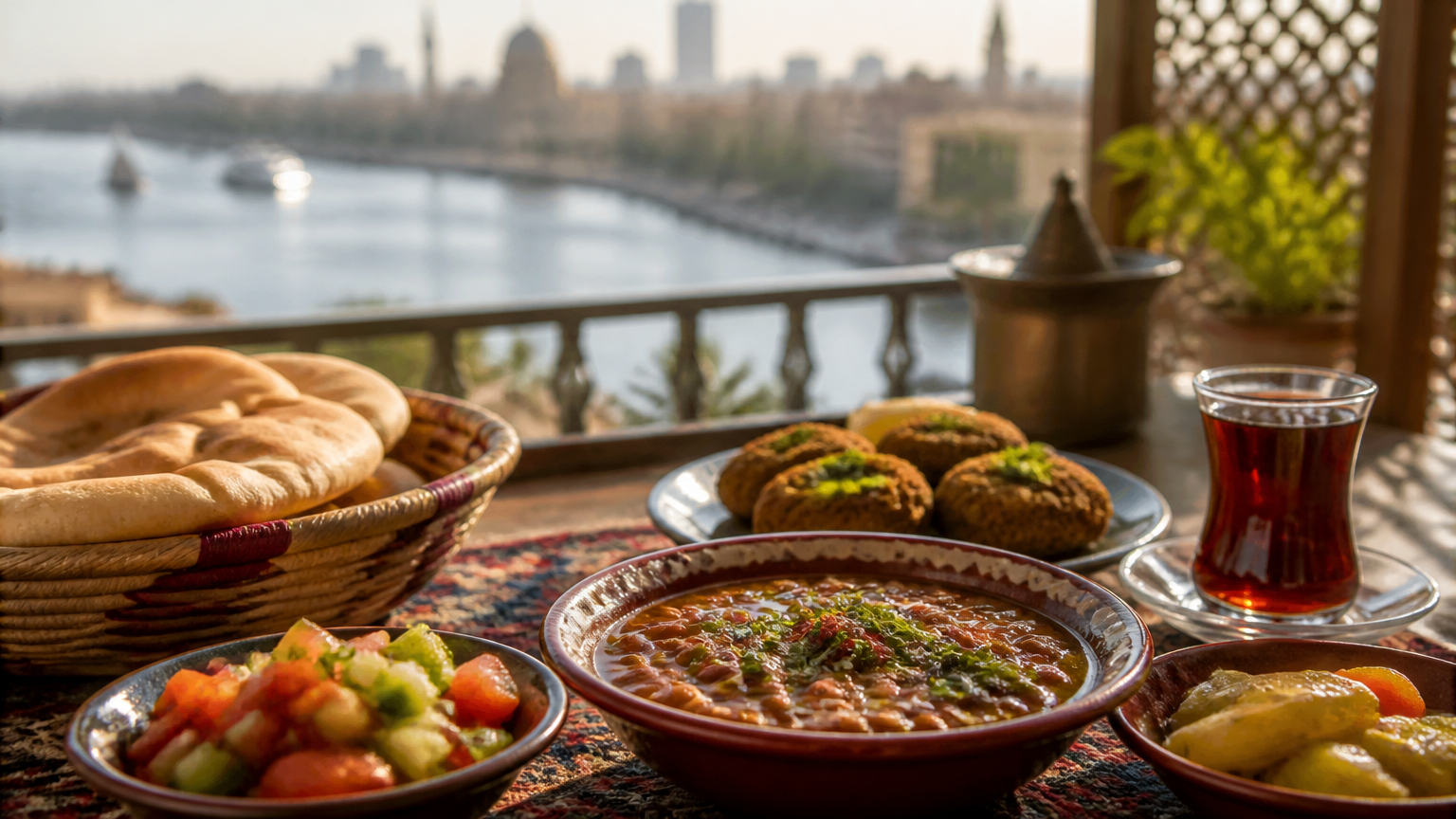
Breakfast in Egypt is more than just a meal; it’s a cultural experience that sets the tone for the day ahead. Traditional Egyptian breakfast dishes are hearty, flavourful, and often enjoyed with family or friends. In this article, we will explore two iconic dishes that are staples of the Egyptian breakfast table: ful (fava beans) and taameya (Egyptian falafel). We’ll also delve into the significance of taking a slower start to your day in Egyptian culture.
A Nourishing Start: The Importance of Breakfast in Egypt
In Egypt, breakfast is considered an essential meal, providing the energy needed to tackle the day ahead. Many Egyptians believe that a hearty breakfast is crucial for maintaining good health. The morning meal is often enjoyed at a leisurely pace, allowing families to bond and discuss plans for the day.
This emphasis on breakfast stems from a combination of cultural traditions and the practical need for sustenance. Given the country's long, hot days, a nutritious breakfast helps individuals stay energised and focused. Eating together also serves to strengthen family ties, as it is not uncommon for people to gather around the table, sharing food and conversation.
Ful: A Hearty Fava Bean Dish
What is Ful?
Ful, or ful medames, is a dish made from fava beans that have been slowly cooked and seasoned with various spices and toppings. It is a beloved breakfast staple throughout Egypt and the broader Middle East. The dish is often served warm, making it a comforting choice for breakfast.
Preparing Ful
The preparation of ful is relatively straightforward, but it requires time to achieve the desired flavour and texture. Here’s a basic outline of how this dish is typically made:
- Soaking the Beans: Fava beans are soaked overnight, allowing them to soften and reduce cooking time.
- Cooking: The soaked beans are then boiled until tender, usually for several hours. This slow cooking process enhances the flavour.
- Seasoning: Once cooked, the beans are mashed and seasoned with olive oil, lemon juice, garlic, and cumin. Each cook may have their unique twist, adding ingredients such as chopped tomatoes, onions, or hot peppers.
- Serving: Ful is typically served in a bowl, drizzled with olive oil and accompanied by fresh bread, salad, and sometimes eggs.
Variations of Ful
There are numerous regional variations of ful, with each area adding its flair. For instance:
- Ful Nabed: A spicier version that includes more hot peppers and additional spices.
- Ful with Eggs: A popular breakfast option where eggs are cooked directly in the ful, creating a protein-rich meal.
- Ful with Tahini: Some prefer to add tahini, giving the dish a creamy texture and nutty flavour.
Taameya: The Egyptian Falafel
What is Taameya?
Taameya is often referred to as Egyptian falafel, but it is distinct from the more commonly known chickpea falafel. Instead, taameya is made from crushed fava beans, mixed with herbs and spices, then deep-fried to crispy perfection. This dish is enjoyed as a breakfast item and sometimes as a snack or light meal.
Preparing Taameya
The process of making taameya is similar to that of traditional falafel, with a few key differences:
- Ingredients: The base of taameya is made with fava beans, fresh herbs such as parsley and dill, and spices like cumin and coriander.
- Blending: The ingredients are blended into a thick paste, which is then shaped into small patties or balls.
- Frying: The patties are deep-fried until golden brown and crispy on the outside, while remaining soft on the inside.
- Serving: Taameya is often served with a side of tahini sauce, fresh vegetables, and pita bread.
Enjoying Taameya
Taameya can be enjoyed on its own or as part of a larger breakfast spread. Many Egyptians like to pair it with ful, fresh salads, and a selection of dips. It’s a versatile dish that can be customised with different toppings, such as pickles or hot sauce, to suit individual tastes.
The Cultural Significance of a Slower Morning
Embracing Leisurely Mornings
In Egyptian culture, the morning is often seen as a time to relax and prepare for the day ahead. Unlike in many Western countries where breakfast is often rushed, Egyptians tend to savour their food and take their time to enjoy it. This slower pace allows for meaningful conversations and bonding with loved ones.
Morning Rituals
Many Egyptians incorporate rituals into their morning routine, such as:
- Drinking Tea or Coffee: A cup of strong Egyptian tea or coffee is often enjoyed alongside breakfast, providing a warm start to the day.
- Reading the News: It’s common for people to read the newspaper or catch up on local news while having breakfast.
- Family Gatherings: Breakfast is often a communal event, with families gathering around the table to share not just food but also stories and laughter.
The Benefits of a Slower Start
Taking a slower start to the day has several benefits, including:
- Improved Mental Health: A relaxed morning can reduce stress and anxiety, setting a positive tone for the rest of the day.
- Better Digestion: Eating slowly and mindfully can enhance digestion, allowing the body to process food more effectively.
- Stronger Relationships: Spending time with family during breakfast can strengthen bonds and foster a sense of togetherness.
Practical Tips for Enjoying Egyptian Breakfast
If you’re interested in experiencing traditional Egyptian breakfast at home or while visiting Egypt, here are some practical tips:
- Find Local Eateries: Seek out local restaurants or street vendors that specialise in breakfast dishes like ful and taameya to enjoy an authentic experience.
- Try Cooking at Home: Consider making ful and taameya at home. There are many recipes available online, and the ingredients are often easy to find at local markets.
- Pair with Fresh Ingredients: Enhance your meal with fresh ingredients such as tomatoes, cucumbers, and herbs to create a balanced and nutritious breakfast.
- Take Your Time: Whether at home or in a restaurant, allow yourself to enjoy your meal without rushing. Embrace the leisurely pace that is characteristic of Egyptian culture.
Conclusion
An Egyptian breakfast of ful and taameya is more than just a meal; it’s a celebration of culture, community, and the joy of good food. By embracing a slower start to your day, you can enjoy the flavours of these traditional dishes while fostering connections with loved ones. Whether you’re in Egypt or trying your hand at these recipes at home, take the time to appreciate the nourishment that breakfast brings to your day.
FAQs
What are some common side dishes served with ful and taameya?
Common side dishes include fresh salads, pickled vegetables, and pita bread. Some people also enjoy a side of tahini sauce or spicy sauce to enhance the flavours.
Can I find ful and taameya outside of Egypt?
Yes, many Middle Eastern restaurants around the world serve ful and taameya, especially in areas with a significant Egyptian or Middle Eastern community.
How can I make my own taameya at home?
To make taameya, blend soaked fava beans with fresh herbs and spices, shape them into patties, and deep-fry until golden. Many recipes are available online to guide you through the process.