
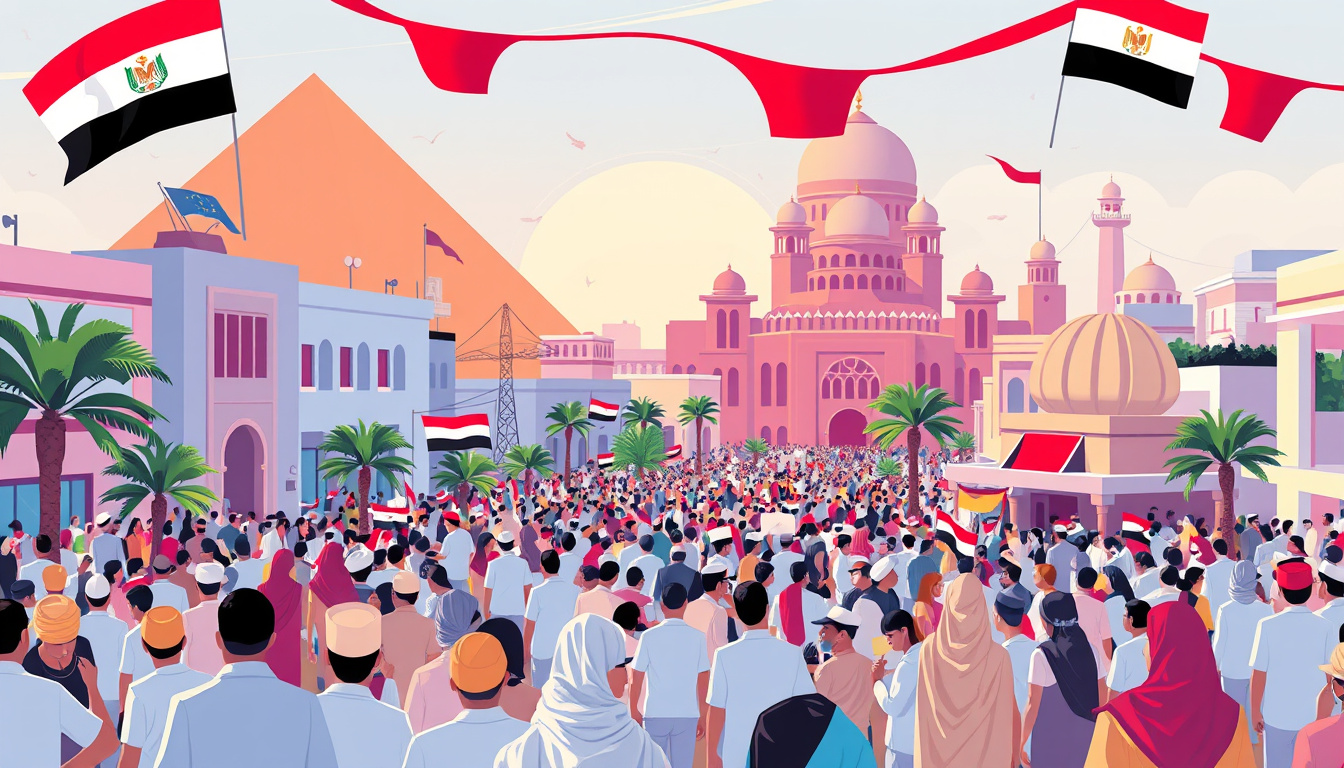
In a significant move aimed at enhancing the work-life balance for Egyptians, Prime Minister Mostafa Madbouly announced on April 22, 2026, that Labor Day will now be officially recognized on May 7, shifting from its traditional celebration on May
1.
This change marks a pivotal shift in Egypt’s public holiday calendar, reflecting a broader initiative to align holidays with weekdays, thereby providing workers with more consistent time off.
Labor Day, an internationally recognized occasion that honors the efforts and contributions of workers, holds a special place in Egypt’s cultural and social landscape, traditionally celebrated with official ceremonies and festivities.
In this article, we will explore the reasons behind this date change, its implications for both workers and employers, and the potential benefits it holds for the Egyptian workforce.
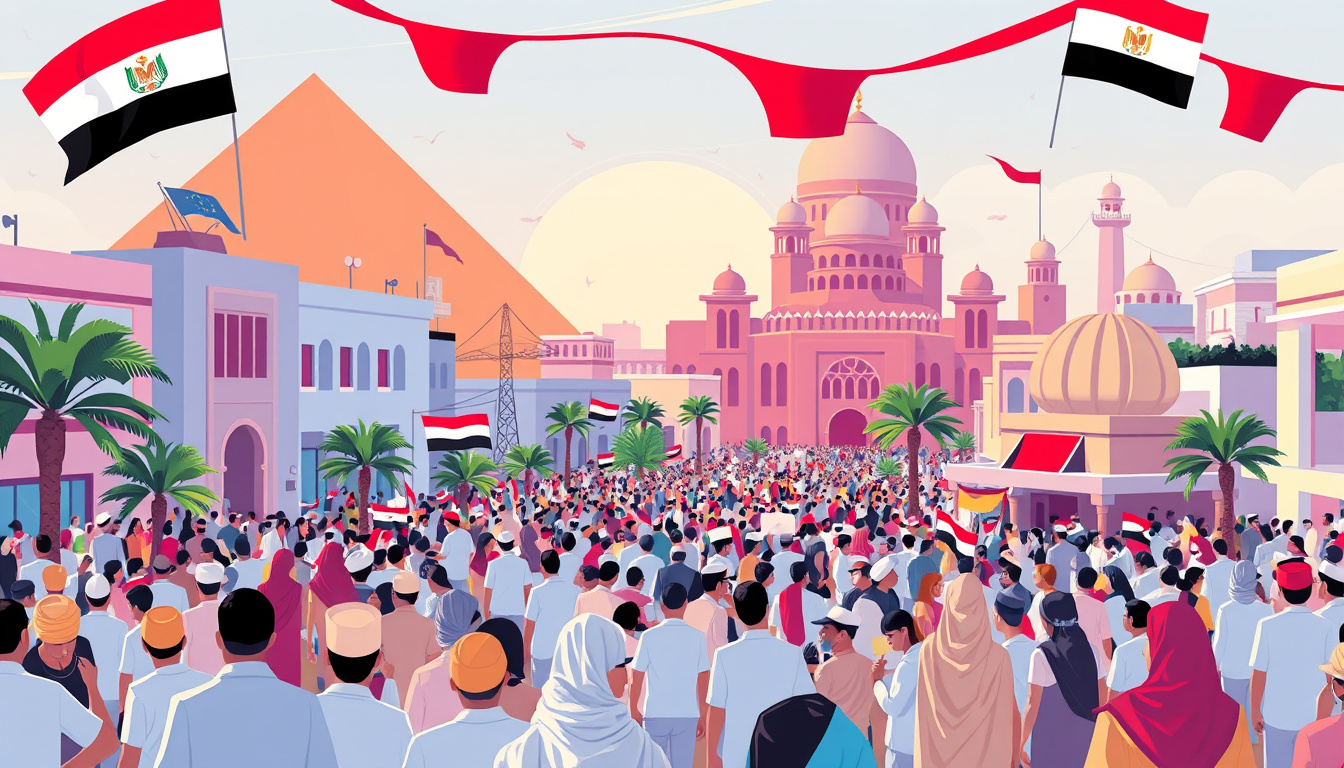
Key Takeaways
- Egypt has officially moved Labor Day to May 7, replacing the traditional May 1 date.
- The shift aligns public holidays with weekdays to enhance work-life balance for employees.
- The new holiday applies to both public and private sectors, recognizing the contributions of workers.
Reasons for the Shift in Labor Day Date
### Reasons for the Shift in Labor Day Date
On April 22, 2026, Egypt’s Prime Minister Mostafa Madbouly made a significant announcement regarding the observance of Labor Day, declaring that Thursday, May 7, will be recognized as an official paid public holiday.
This decision marks a departure from the traditional Labor Day date of May 1, which is celebrated globally and is dedicated to honoring the contributions of workers.
The primary motivation for this shift is to transition public holidays to weekdays, providing citizens with longer weekends and promoting a more balanced work-life dynamic.
This decree applies across various sectors, including ministries, governmental entities, local administrations, as well as both the public and private sectors, ensuring widespread compliance.
Labor Day, historically an occasion for commemorating worker rights and achievements in Egypt, has often been observed with grand ceremonies attended by key government officials and labor representatives.
The decision to shift the observance date not only modernizes the holiday but also aligns with contemporary notions of work and leisure.
Implications for Workers and Employers
The implications of this declaration are significant for both workers and employers in Egypt.
For workers, the recognition of Labor Day on May 7 not only provides an additional day off but also signals a shift towards valuing work-life balance, which is increasingly essential in today’s fast-paced environment.
By creating a long weekend, employees can enjoy more time with family and friends, ultimately contributing to higher morale and productivity when they return to work.
On the other hand, employers may need to adjust their operational schedules to accommodate the new holiday.
This could involve rethinking staffing and payroll processes to ensure compliance while maintaining business continuity.
Moreover, the change reflects a growing trend among governments worldwide to adapt labor laws and holiday observances that cater to modern work values, potentially impacting employee retention and attracting new talent as firms become more in tune with the well-being of their workforce.