
Transit Connectivity: Major Transit Milestones in Greater Cairo
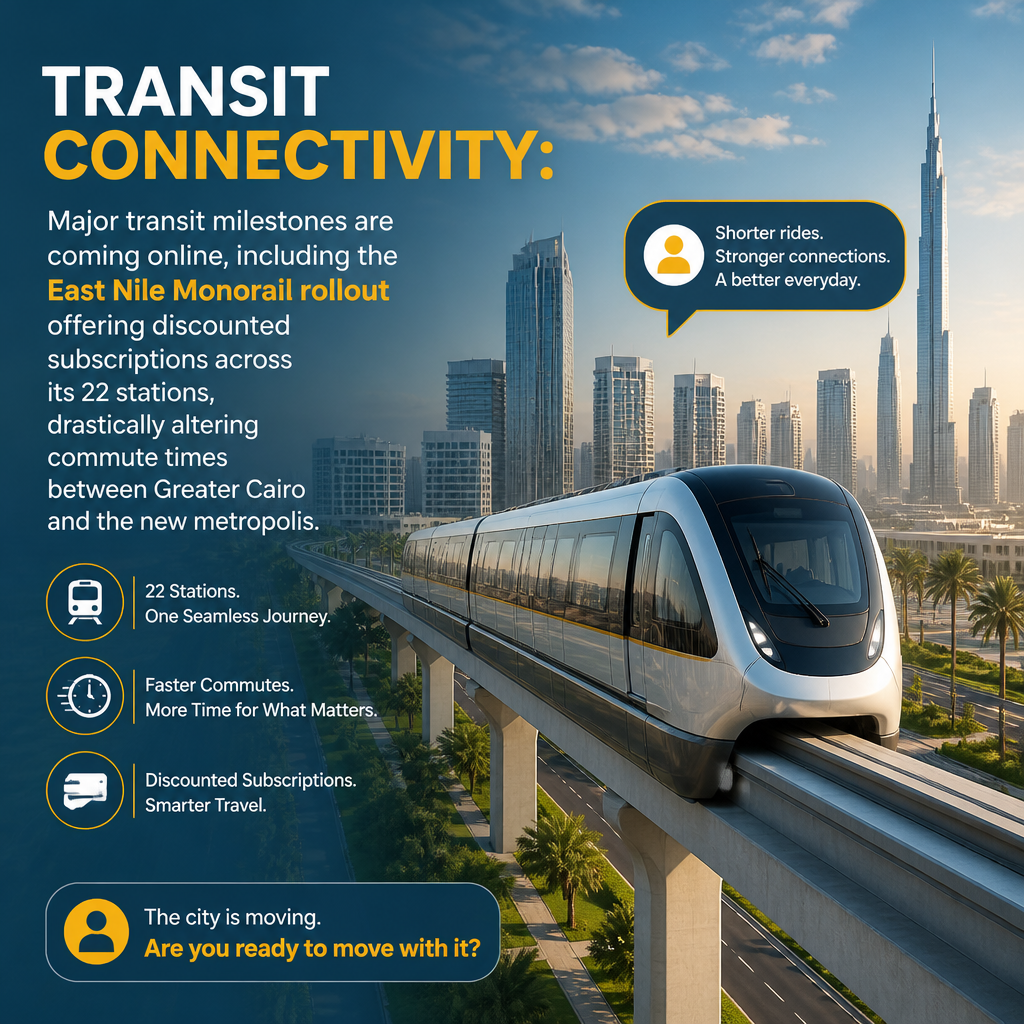
The East Nile Monorail is set to significantly change the daily commutes in and around Greater Cairo. With 22 stations planned along its route, the monorail aims to offer a reliable and efficient alternative to road transport. This development is particularly significant for those living in the new metropolis areas, where traffic congestion can often lead to long travel times.
Understanding the Monorail System
The East Nile Monorail is a modern transit system designed to connect various parts of Greater Cairo, making it easier for residents and visitors to navigate the sprawling city. With its elevated tracks, the monorail will have minimal disruption to existing roadways. Each of the 22 stations will provide access to key areas, including residential zones, business districts, and educational institutions.
One of the most appealing features of the monorail is its proposed discounted subscription model. For regular commuters, this subscription will offer significant savings compared to traditional transport methods, such as taxis or personal vehicles. This not only makes daily travel more affordable but also encourages a shift towards public transport, helping to alleviate traffic congestion in the city.
Impact on Commute Times
The introduction of the East Nile Monorail is expected to drastically reduce commute times for many residents. For example, the journey from Greater Cairo to the new urban developments may take less than 30 minutes, depending on the finalised routes and stops. This is a considerable improvement over current road travel, which can take an hour or more during peak times.
Reducing travel times will not only benefit individual commuters but will also have a positive impact on local businesses. As employees can reach their workplaces more quickly and reliably, companies may find it easier to attract talent from a wider area. This increased accessibility can lead to a more dynamic job market, stimulating the economy in the region.
Enhancing Connectivity
The monorail’s design focuses on enhancing connectivity between different parts of the city. It will link with existing transport networks, including metro lines and bus stations, allowing for seamless transfers. This integrated approach to public transport is crucial for ensuring that residents can travel efficiently without needing to rely on private vehicles.
In addition to reducing travel times, the monorail is expected to improve air quality in Greater Cairo. With fewer cars on the road, there will be a decrease in emissions, contributing to a healthier urban environment. This aspect of the project aligns with global trends towards more sustainable living, which is becoming increasingly important in urban planning.
Potential Challenges
While the East Nile Monorail presents many benefits, there are also challenges that need to be addressed. Construction of the monorail may disrupt local communities and businesses, especially during the building phase. It is essential for authorities to manage this disruption effectively, ensuring that local residents are kept informed and supported throughout the process.
Additionally, there may be concerns regarding the long-term maintenance and operation of the monorail. Ensuring that the system remains reliable and well-maintained will be crucial for its success. If the monorail can build a reputation for punctuality and cleanliness, it will encourage more residents to make the switch to public transport.
Long-term Vision for Urban Development
The introduction of the East Nile Monorail is part of a broader vision for urban development in Greater Cairo. This monorail is designed not just as a transport solution but also as a catalyst for economic growth and urban renewal. The areas surrounding the monorail stations are likely to see increased development, including residential, commercial, and recreational spaces.
As the city expands, particularly towards the new metropolis areas, the monorail will play a crucial role in shaping the urban landscape. By providing a reliable transport option, it can help facilitate the growth of these areas, making them more attractive to potential residents and investors alike.
Conclusion
The East Nile Monorail represents a significant milestone in transit connectivity for Greater Cairo. With its network of 22 stations and a focus on affordability through discounted subscriptions, it promises to transform daily commutes for many. As residents gain easier access to key areas of the city, the monorail could also stimulate economic growth and encourage more sustainable living practices.
While challenges remain, the potential benefits of this transit system are considerable. As the monorail moves closer to becoming operational, it will be important for stakeholders to ensure that it is integrated effectively into the existing urban infrastructure. Ultimately, the success of the East Nile Monorail could pave the way for further advancements in public transport across Egypt, enhancing the quality of life for many citizens.