
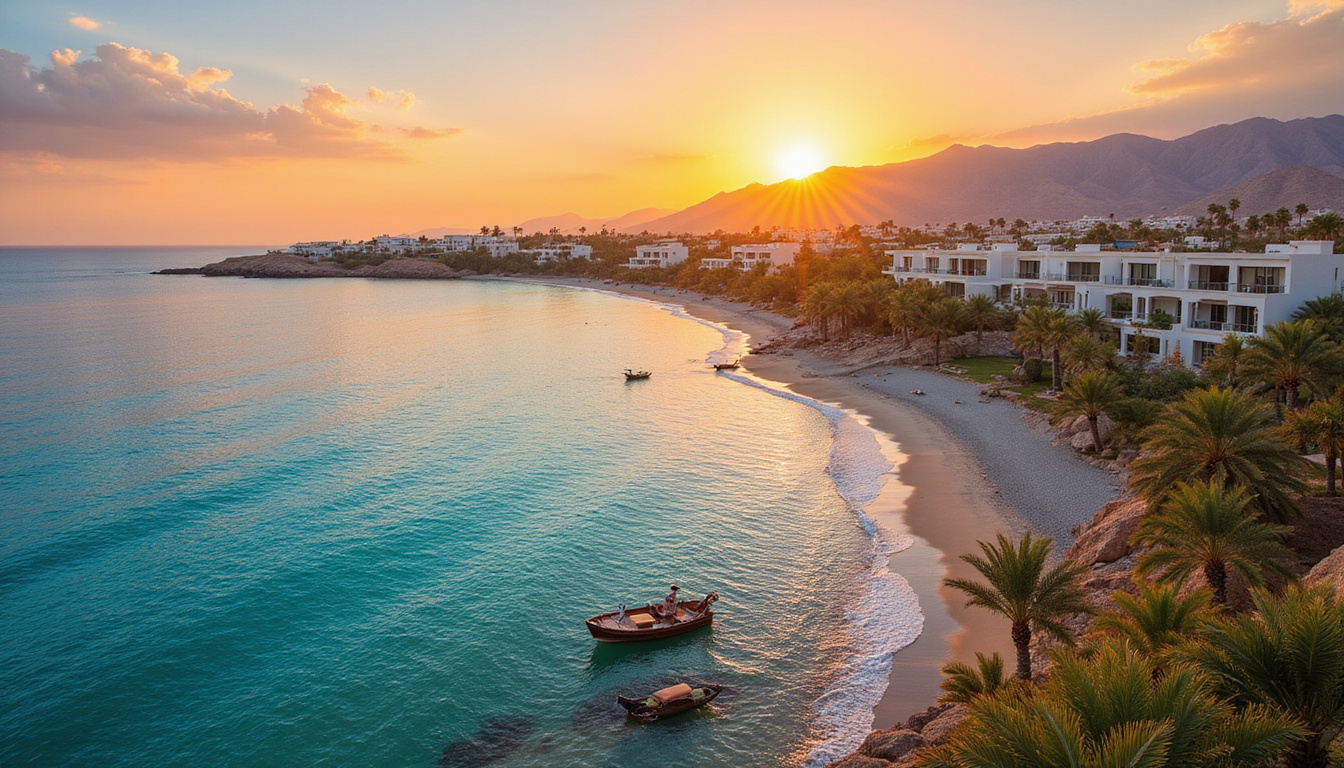
Dahab properties are rapidly moving from “hidden gem” status to the top of many investors’ Red Sea wish lists. Once a laid‑back backpacker haven, Dahab is now evolving into a magnetic destination for eco‑tourism, digital nomads, and lifestyle buyers seeking a calmer, more authentic alternative to Sharm El Sheikh and Hurghada. If you’re considering an investment on Egypt’s Red Sea coast, understanding Dahab’s micro‑market, legal framework, and growth drivers is essential to securing the right property at the right price.
Why Dahab Properties Are Gaining Attention
Dahab sits on the southeast coast of the Sinai Peninsula, facing the mountains of Saudi Arabia across the Gulf of Aqaba. Its unique blend of desert, mountains, and crystalline sea underpins several investment advantages:
- Lifestyle appeal – World‑class diving, kitesurfing, and freediving, plus a relaxed, bohemian atmosphere.
- Emerging digital nomad hub – Reliable internet, co‑working spaces, and relatively low living costs (see this cost overview video: [The Real Cost of Living In Egypt 2025](
- Tourism diversification – Divers and adventure travelers are increasingly choosing Dahab over more commercialized resorts.
- Limited supply – Compared to larger cities, there is a smaller, more finite stock of Dahab properties, which can support price growth over time.
Egypt’s broader tourism strategy has also focused on strengthening Red Sea destinations, with infrastructure upgrades and promotional campaigns that indirectly benefit Dahab (source: Egyptian Ministry of Tourism).
Key Neighborhoods and Property Types in Dahab
Before you invest, you need to understand Dahab’s micro‑locations and the types of assets available. Each area caters to a slightly different audience and price bracket.
1. Lighthouse & Eel Garden Area
These central, seafront neighborhoods are popular with:
- Divers and freedivers
- Long‑stay tourists
- Cafés, restaurants, and co‑working users
Property types:
- Renovated apartments above shops and cafés
- Small guesthouses and boutique hotels
- Individual homes just back from the waterfront
If your goal is short‑term rentals or a live‑work base, Dahab properties in Lighthouse and Eel Garden offer strong year‑round demand, especially from divers and remote workers.
2. Assalah (Old Dahab)
Assalah presents a more local, residential vibe:
- Narrow streets and traditional houses
- Local markets and family‑run shops
- Mixed expat and Egyptian community
Property types:
- Standalone houses with courtyards or gardens
- Simple apartments in low‑rise buildings
- Some beachfront or near‑beach property closer to Assalah Beach
This area can offer better value per square meter, with properties suitable for long‑term rentals or personal use. Investors seeking a more authentic environment often favor Assalah.
3. Lagoon & South Dahab
Closer to the main road into Dahab and the famous Lagoon:
- Long sandy beach and calm waters
- Kite and windsurfing centers
- Several established hotel resorts
Property types:
- Resort apartments and chalets
- Villas within gated communities
- Future development plots
Dahab properties around the Lagoon often appeal to higher‑budget holidaymakers and can deliver attractive seasonal returns if managed effectively.
4. Outskirts and Desert‑View Properties
Beyond the central strip:
- Villas and eco‑lodges in quiet desert locations
- Mountain and sea‑view homes set back from the shoreline
- Land plots for development (subject to zoning and approvals)
These can work for investors focused on eco‑tourism or retreat‑style accommodation, catering to yoga groups, wellness tourism, or remote working “workation” retreats.
Understanding the Market: Prices, Yields, and Demand
Exact numbers vary by location, condition, and distance to the sea, but several broad trends help frame the opportunity in Dahab properties.
Purchase Prices
- Apartments: Typically more affordable than villas, with a wide range between older Assalah flats and modern units near the Lagoon.
- Villas and houses: Command a premium, particularly those with private gardens, roof terraces, or direct sea views.
- Commercial properties: Cafés, dive centers, and guesthouses in central areas can be more expensive relative to their size due to income potential.
Compared to Sharm El Sheikh or Hurghada, buyers often find lower entry prices in Dahab, with room for capital appreciation as the town matures.
Rental Yields
- Short‑term holiday lets (Airbnb, Booking.com) can show robust gross yields due to steady tourist flows, especially from divers and adventure travelers.
- Long‑term rentals to expats, digital nomads, and Egyptians working locally may bring slightly lower yields but higher occupancy and reduced management overhead.
Properties in the Lighthouse/Eel Garden strip and Lagoon area usually achieve higher nightly rates, while Assalah and outlying neighborhoods often show higher occupancy for long stays.
Legal Considerations When Buying Dahab Properties
Foreigners can own real estate in Egypt, but the rules and practical steps can be complex, especially in Sinai. Before any commitment, consult an independent, bilingual real estate lawyer familiar with Dahab.
Key points to consider:
1. Land Tenure and Sinai Regulations
South Sinai has special security and ownership rules:
- In some projects, foreigners may receive long‑term usufruct rights (similar to leasehold) instead of full freehold title.
- Some properties are registered under Egyptian partners or companies, with contractual arrangements for effective control.
You must understand exactly what you are buying (title deed, usufruct contract, company shares, etc.) and the risks/rights associated with each structure.
2. Title Verification and Registration
Before you transfer any funds:
- Verify the seller’s identity and legal right to sell.
- Ensure there are no liens, mortgages, or disputes.
- Confirm the property’s planning and zoning compliance.
- Register the sale with the appropriate authorities and obtain all relevant documentation.
Avoid relying solely on verbal agreements or unregistered contracts, even if these are common locally.
3. Using a Company Structure
Some foreign investors choose to:
- Form an Egyptian company that purchases the property.
- Own shares in the company rather than holding the asset directly.
This can sometimes simplify ownership in special zones and may offer restructuring or resale advantages, but it comes with accounting, tax, and compliance duties. Again, legal and tax advice is essential.
Step‑by‑Step: How to Secure the Perfect Red Sea Investment in Dahab
Use a structured approach to reduce risk and maximize upside when investing in Dahab properties.
Clarify your investment goals
- Holiday home, pure rental, or mixed use?
- Short‑term or long‑term rentals?
- Capital appreciation vs. income focus?
Define a realistic budget
- Purchase price plus 7–12% for fees, taxes, legal, and furnishings.
- Reserve for early repairs or upgrades, especially in older homes.
Research micro‑locations
- Visit Dahab in person if possible.
- Walk Lighthouse, Assalah, Lagoon, and outskirts at different times of day.
- Talk to local residents, business owners, and long‑term expats.
Build a local team
- Independent lawyer (not recommended by the seller alone).
- Reputable real estate brokers with a track record.
- Property manager or caretaker, particularly if you live abroad.
Shortlist and inspect properties
- Conduct technical inspections (structure, plumbing, electrics).
- Check water, electricity, and internet reliability.
- Confirm any homeowners’ association or community fees.
Analyze the numbers
- Estimate realistic rental income based on comparable listings.
- Factor in vacancy, maintenance, utilities, and management fees.
- Stress‑test your model against weaker seasons or currency shifts.
Negotiate terms
- Be prepared for negotiation; list prices often include a margin.
- Clarify what is included (furnishings, equipment, licenses).
- Set clear payment milestones tied to documentation and registration.
Formalize and register
- Sign a reservation or preliminary agreement with a clear timeline.
- Complete the final sale contract under legal supervision.
- Process registration and obtain all receipts and certified copies.
Prepare for operation
- Set up utilities in your name or company name.
- Furnish and equip for your target market (divers, families, nomads, etc.).
- Engage a property manager or define self‑management systems.
Market your property
- List on major platforms (Airbnb, Booking.com, specialized diving sites).
- Highlight Dahab’s unique selling points: diving, kitesurfing, desert trips, co‑working culture.
- Encourage reviews to build trust and secure repeat guests.
Strategies to Maximize Returns from Dahab Properties
Once you’ve bought, thoughtful management can significantly boost your ROI.
Target the Right Guest Segments
- Divers and freedivers – Offer equipment storage, rinse tanks, and info on local dive centers.
- Digital nomads – Provide strong Wi‑Fi, a proper desk, ergonomic chair, and quiet workspace.
- Families – Focus on safety, fully equipped kitchens, and proximity to calmer beaches like the Lagoon.
- Wellness and retreat groups – Yoga decks, shaded outdoor areas, and contacts with local organizers.
Optimize Seasonality
Dahab’s high season typically aligns with:
- Spring and autumn – Ideal temperatures and excellent water conditions.
- Holiday periods – Easter, Christmas/New Year, and Middle Eastern holidays.
Use dynamic pricing to adjust nightly rates based on demand, local events, and occupancy trends.
Add Value with Upgrades
Relatively modest investments can justify higher rents:
- Solar water heaters or energy‑efficient air‑conditioning
- Reliable backup internet or dual‑provider setup
- Stylish but durable furniture and fresh décor
- Outdoor seating, shade sails, and rooftop lounges
These features play well in listings and reviews, particularly among eco‑conscious travelers.
Risks and How to Mitigate Them
Every market carries risk; Dahab properties are no exception. Common issues include:
- Regulatory changes in Sinai – Stay updated via your lawyer and local business community.
- Over‑reliance on tourism – Balance with medium‑ to long‑term tenants (expats, nomads).
- Construction quality variances – Always inspect thoroughly and budget for improvements.
- Currency fluctuations – If you earn in foreign currency and pay local expenses in Egyptian pounds, this can actually be favorable, but you must monitor exchange risk for repatriation.
A conservative financial model and a diversified guest base are your best defenses.
FAQ About Investing in Dahab Properties
1. Are Dahab properties a good investment for foreigners?
Yes, many foreigners successfully invest in Dahab properties, particularly for holiday rentals and lifestyle use. However, Sinai’s special regulations mean you must work with an experienced local lawyer to confirm what form of ownership (freehold, usufruct, or company structure) you will receive and ensure proper registration.
2. How much do I need to invest in Dahab real estate?
Entry‑level Dahab real estate investments can start with smaller apartments or studios, while larger villas or commercial properties require higher budgets. Beyond the purchase price, allocate funds for legal fees, registration, possible renovations, and furnishing if you plan to offer holiday rentals.
3. Can I run a rental business with my Dahab property?
Yes, many owners rent Dahab properties on platforms like Airbnb or Booking.com, or via local agents. You may need specific permits or to operate under a commercial structure depending on scale and property type. A local lawyer or accountant can guide you on the best setup for compliance and tax efficiency.
Ready to Secure Your Red Sea Investment?
Dahab properties offer a rare combination of natural beauty, authentic character, and growing international appeal. Whether you aim for a high‑yield rental, a part‑time home that pays for itself, or a long‑term lifestyle base on the Red Sea, Dahab’s evolving market provides compelling opportunities—provided you approach it with clear objectives, credible advice, and rigorous due diligence.
If you’re serious about investing in Dahab, now is the time to move from research to action. Start by clarifying your budget and goals, speak with an independent lawyer about Sinai’s legal framework, and plan a focused visit to tour neighborhoods and short‑listed properties. The sooner you understand the nuances of this unique market, the better positioned you’ll be to secure the perfect Red Sea investment before competition and prices climb further.