
The Coptic Museum is a good reason to spend time in Old Cairo. Its collection offers several ways into the history of Coptic art: start with a textile, a carved architectural detail or a manuscript. Build your outing around the museum, then decide whether to add a nearby stop.
Planning Your Visit to the Coptic Museum
Before heading to the Coptic Museum, it’s helpful to know a few key details about your visit to ensure a smooth and enjoyable experience.
Location and Accessibility
The Coptic Museum is located in Old Cairo, within the vicinity of several significant religious sites, including the Hanging Church and several ancient monasteries. The museum is easily accessible by taxi or public transport. If you’re using the metro, the nearest station is Mar Girgis on Line 1. From there, it’s a short walk to the museum.
Opening Hours and Admission
Check the museum’s official visitor page for current opening and last entry times. Admission prices can vary, so it’s advisable to check for the latest information before your visit. Visitors should also be mindful of local holidays, which may affect opening times.
Time Allocation
A visit to the Coptic Museum can take anywhere from one to three hours, depending on your level of interest in the exhibits. To fully appreciate the artefacts and the history they represent, consider setting aside at least two hours for your museum visit. If you have additional time, explore the surrounding area, which is rich with historical landmarks and opportunities for deeper cultural immersion.
Highlights of the Coptic Museum
The Coptic Museum houses an impressive collection of artefacts that showcase the art, history, and culture of Coptic Christianity. Here are a few key objects to look for during your visit:
1. The Coptic Textile Collection
One of the museum’s most cherished exhibits is its collection of Coptic textiles, which date back to the early centuries of Christianity in Egypt. These textiles feature intricate patterns and rich colours, showcasing the skills of ancient Coptic weavers. Look out for pieces adorned with religious symbols, such as crosses and depictions of saints, which provide insight into the spiritual life of Copts during that era.
Look closely at an icon
Choose an icon you can see clearly and look at where the painter draws your eye. Notice a gesture or a repeated colour, then read the label for the name and context. Ask whether a detail is part of the original piece or a later change if that is not clear from the display.
3. The Stone Relics
The museum also displays a selection of stone relics from various Coptic churches and monasteries. These include carved marble altars and columns, which showcase the architectural styles prevalent in early Christian Egypt. Pay particular attention to the inscriptions on these stones, as they often reveal insights into the patrons, dates, and locations of the original structures.
4. The Papyrus Manuscripts
Among the museum's most significant holdings are its papyrus manuscripts, which include religious texts and liturgical writings. These manuscripts are a testament to the intellectual and spiritual life of the Coptic community. When viewing these documents, consider the painstaking process of papyrus production and the importance of preserving such texts for future generations.
5. The Coptic Icons
The museum’s collection of Coptic icons offers a glimpse into the religious and artistic practices of the Coptic Orthodox Church. These icons, often painted on wood, depict various saints and biblical scenes. The use of vivid colours, gold leaf, and distinctive stylistic elements are hallmarks of Coptic iconography. Take note of the differences between Coptic icons and those from other Christian traditions, as this highlights the unique cultural identity of the Copts.
Nearby Attractions to Explore
If your schedule allows, Coptic Cairo is home to several other noteworthy sites that complement your visit to the Coptic Museum. Here are a few suggestions:
1. The Hanging Church (Saint Virgin Mary's Coptic Orthodox Church)
Just a short walk from the Coptic Museum, the Hanging Church is one of the oldest churches in Egypt, built on top of the southern gate of the Roman fortress of Babylon. Its name derives from its location above the ground level, and its beautiful interior is adorned with intricate woodwork and stunning icons. The church is also a significant pilgrimage site for Coptic Christians.
2. The Ben Ezra Synagogue
Located nearby, the Ben Ezra Synagogue is a historic Jewish site believed to be built on the location where baby Moses was found. The synagogue has a fascinating history and features beautiful architecture. While in the area, consider taking a moment to reflect on the diverse religious heritage that coexists in Coptic Cairo.
3. The Church of St. Sergius and Bacchus
This ancient church is believed to have been built on the site where the Holy Family rested during their flight into Egypt. The church features a crypt that is said to be where the Holy Family hid, making it a site of significant importance for many visitors. The interior is adorned with beautiful frescoes and icons that are well worth exploring.
Leave one stop optional
Check current opening and visitor access before you count on a second site. Give yourself room to stop for a drink or return another day.
Practical Tips for Your Visit
To make the most of your time in Coptic Cairo, here are a few practical tips:
- Dress Appropriately: As Coptic Cairo is home to several religious sites, it’s advisable to dress modestly. This generally means covering your shoulders and knees.
- Stay Hydrated: The Egyptian climate can be quite hot, especially during the summer months. Be sure to carry water with you to stay hydrated while exploring.
- Respect Local Customs: When visiting religious sites, be mindful of local customs and practices. Silence is often expected in places of worship, and photography may be restricted in certain areas.
- Plan Ahead: If you’re visiting during peak tourist seasons, consider booking guided tours in advance to ensure you have a knowledgeable guide to enrich your experience.
Conclusion
A visit to the Coptic Museum in Coptic Cairo offers a unique opportunity to delve into the rich history and culture of the Coptic community. By planning your visit thoughtfully and taking the time to explore nearby attractions, you can create a memorable experience that deepens your understanding of this fascinating aspect of Egyptian heritage. Whether you’re a history buff, a religious pilgrim, or simply a curious traveller, the Coptic Museum and its surroundings are sure to leave a lasting impression.
Frequently Asked Questions
What are the best times to visit the Coptic Museum?
Check the museum’s opening hours and pick a window that lets you look around without having to rush to another booking.
Is photography allowed inside the museum?
Photography policies can vary, so it’s best to check with museum staff upon arrival to find out what is permitted.
Are guided tours available at the Coptic Museum?
Ask the museum or your guide whether a tour is available for your date and language.
Give the museum the first part of the outing
If you are arranging a driver or guide, say that the museum is the main stop. Ask them to leave enough time inside rather than putting several landmarks into a tight itinerary. If the museum has an area you want to see, check whether it is open and ask how to find it when you arrive.
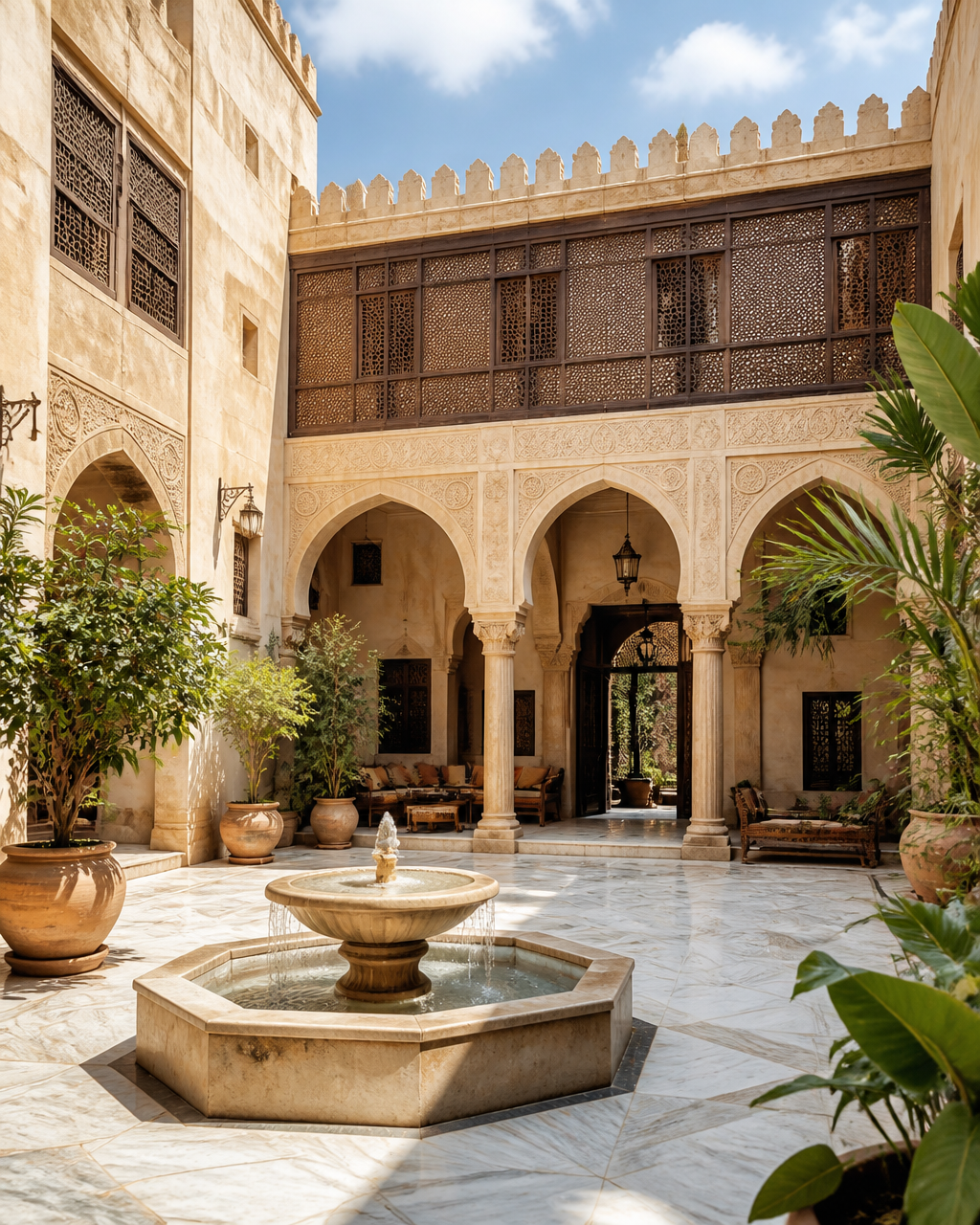
As you go, look at the building as well as the objects. The museum’s visitor information describes two wings and architectural elements such as wooden ceilings and mashrabiya. Notice which details are part of the room and which sit inside a case. A ceiling can tell a different story from a small portable object, and the label may explain where it originally belonged.