
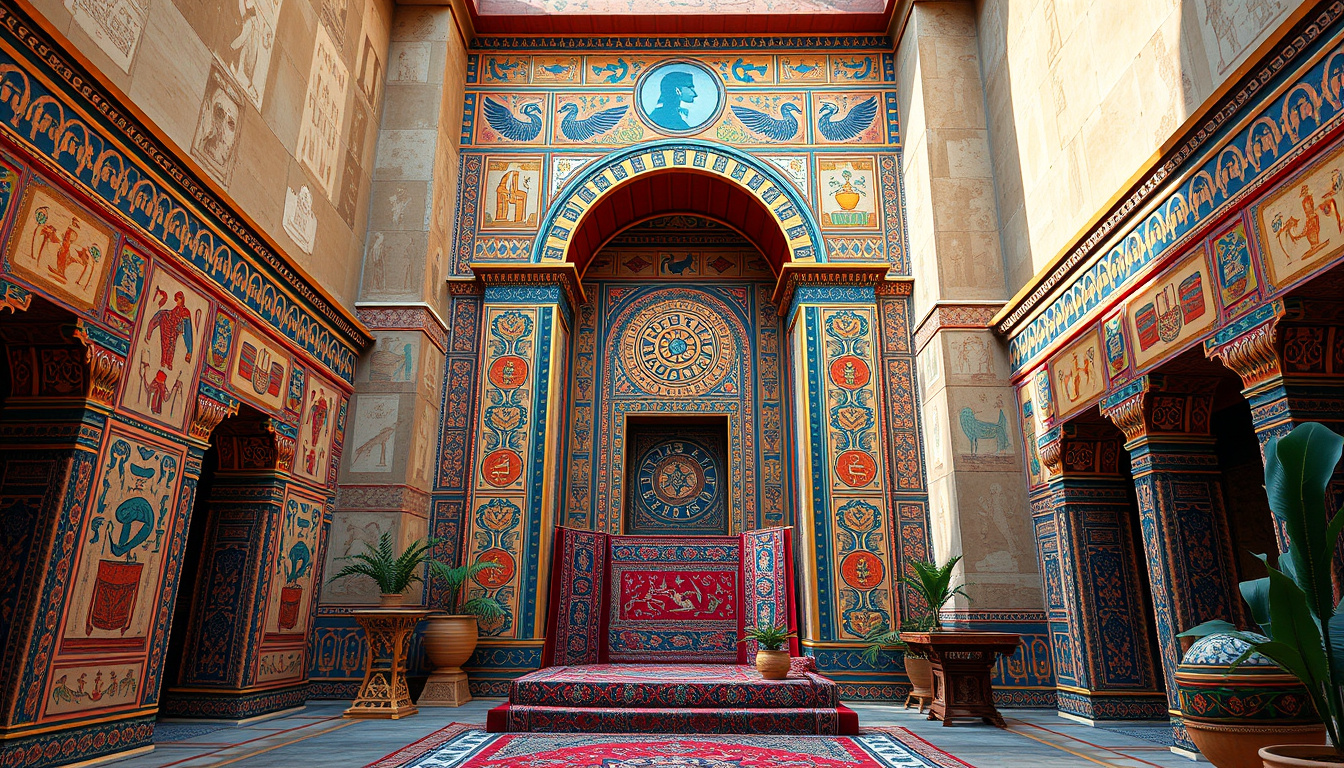
Coptic art represents a fascinating intersection between ancient Egyptian culture and early Christian influences, emerging as a unique artistic style that has captivated art enthusiasts and historians alike.
Originating in Egypt during the late Roman period and flourishing from the 3rd to the 7th centuries, Coptic art reflects the rich heritage of Egyptian civilization while embracing the spiritual and religious themes of Christianity.
This artistic form is not only significant for its historical context but also for its distinctive features, symbols, and its lasting impact on modern art.
Join us as we explore the beauty of Coptic art and its transformative journey through history.


Coptic Symbols and Their Meanings
## Coptic Symbols and Their Meanings
Coptic art is rich with symbolism, reflecting the deep-rooted history and spirituality of Christianity in Egypt.
Copts, the Egyptian Christians, have expressed their faith through unique artistic forms, blending ancient Egyptian motifs with Christian themes.
Many of the symbols found in Coptic art carry significant meanings that offer a glimpse into the beliefs and traditions of the Coptic community.
One of the most recognizable symbols in Coptic art is the Cross, often depicted in intricate designs that reflect its importance in Christian faith.
The Coptic Cross, characterized by its equilateral arms and circular center, symbolizes the fusion of eternal life and divine protection.
It is not uncommon to see this emblem adorning churches and homes alike, serving as a protective talisman.
Another important symbol is the Ankh, known as the key of life or the cross with a loop.
This emblem has its roots in ancient Egyptian religion, representing eternal life.
In Coptic art, it has been adapted to signify Christ’s victory over death, making it a powerful symbol of resurrection.
The fish, or Ichthys, is another prevalent motif in Coptic art, serving as a secret symbol among early Christians.
The Greek acronym for the words ‘Jesus Christ, Son of God, Savior’ forms an acrostic that uses the term for fish.
This symbol reflects the core of Christian belief, embodying faith, abundance, and provision.
Moreover, Coptic art often incorporates floral and geometric designs, which signify the beauty of God’s creation and the harmony of life.
Flowers like the lotus symbolize resurrection, while geometric patterns represent infinity and the divine order of the universe.
By exploring the depths of Coptic art, one begins to understand the beautiful language of symbols that have transcended time, inviting both locals and travelers to appreciate the profound cultural tapestry of Egypt.
Whether you are wandering through the ancient churches or examining historical artifacts, the stories told through Coptic symbols reveal insights into the faith and resilience of the Coptic community.
The Influence of Coptic Art on Modern Culture
## The Influence of Coptic Art on Modern Culture
Coptic art, originating from Egypt’s Christian community, holds a rich heritage that continues to influence modern culture worldwide.
This distinctive artistic style encompasses a variety of forms, including textiles, frescoes, and illuminated manuscripts, that resonate through both religious and secular spaces today.
Contemporary artists draw from the intricate designs and vibrant colors characteristic of Coptic art, infusing elements of this ancient tradition into modern art movements, fashion, and even architecture.
The techniques used in Coptic art, such as textile weaving and iconography, have inspired designers and artisans across the globe, prompting a renewed interest in historic motifs and craftsmanship.
For instance, fashion designers often incorporate Coptic patterns and symbols into their collections, creating a bridge between ancient traditions and modern aesthetics.
Moreover, in the field of interior design, Coptic-inspired textiles are making their mark, showcasing the timeless appeal of these historical designs.
In recent years, exhibitions highlighting Coptic art have increased, attracting visitors who seek to understand its significance and relevance in today’s world.
Such exhibitions not only promote cultural appreciation but also spark discussions on cultural identity and the preservation of heritage in a rapidly changing global landscape.
By integrating Coptic themes, contemporary artists are contributing to a dialogue about faith, identity, and continuity, ensuring that the legacy of Coptic art remains vital and influential in modern creativity.
 March 2026