
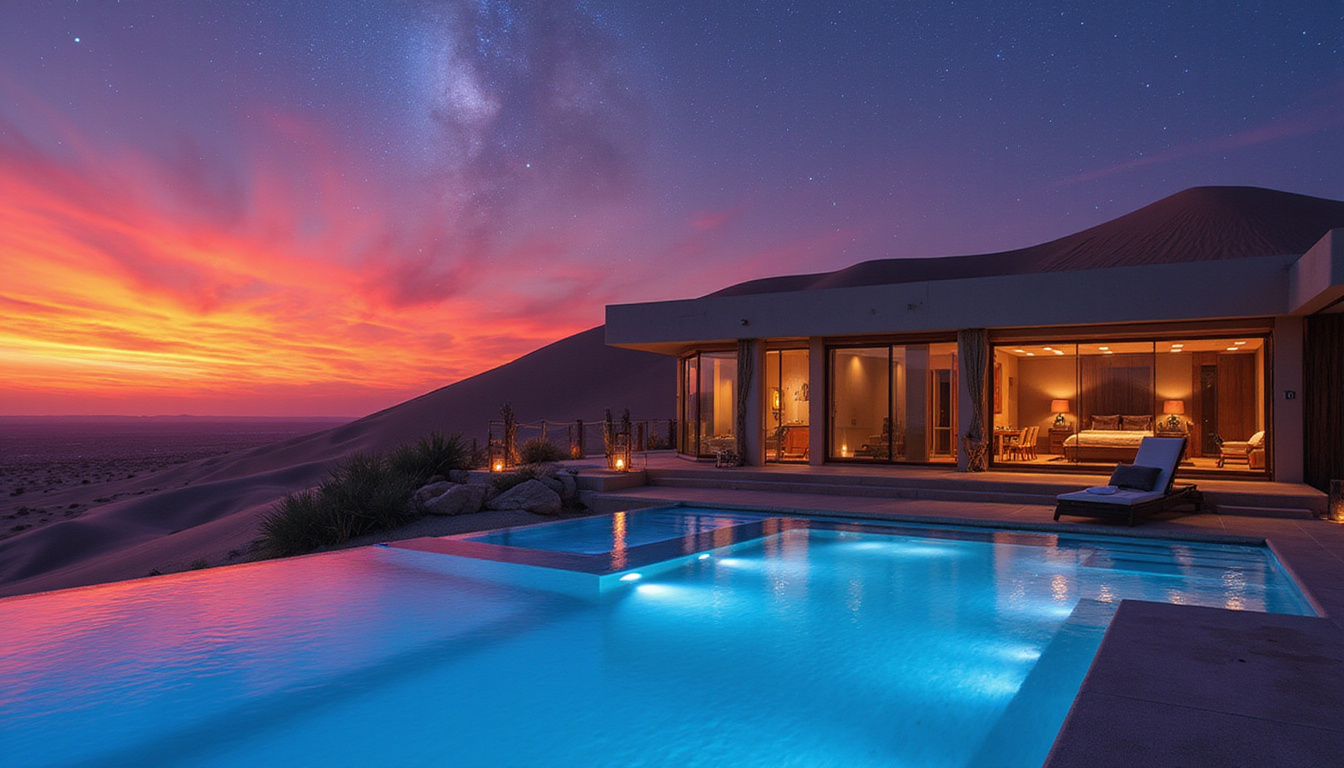
Desert view hotels offer a kind of magic you won’t find in city skylines or beach resorts: endless horizons, star‑filled skies, and silent, otherworldly landscapes that reset your senses. Whether you’re dreaming of Egypt’s golden dunes, Morocco’s ochre valleys, or the canyons of the American Southwest, choosing the right property – and timing your booking smartly – makes all the difference between a good stay and a life‑changing one.
This guide walks you through standout luxury desert escapes worldwide, what to look for in desert view hotels, and practical, money‑saving booking strategies tailored to desert destinations.
Why desert view hotels feel so different
Staying in the desert is as much about the environment as it is about the hotel. When you’re evaluating desert view hotels, you’re really evaluating three things at once:
- The landscape and views (dunes, mountains, oases, canyons)
- The architecture and design (how well the property “disappears” into its setting)
- The experience (silence, stars, local culture, and desert activities)
Deserts have huge temperature swings, surreal night skies, and very specific ecosystems. The best properties don’t just sit in the desert; they interpret it for you – with guided stargazing, Bedouin or Berber hospitality, sustainable design, and carefully curated vantage points for sunrise and sunset.
Signature desert view hotels in Egypt
Egypt may be known for the Nile and the Red Sea, but its desert hotels are some of the most atmospheric in the world. If you’re looking for desert view hotels that combine heritage with luxury, start here.
1. Siwa Oasis: Eco‑luxury in another century
Why go: Siwa is remote, mystical, and culturally distinct from the rest of Egypt. The desert here is softer: salt lakes, palm groves, and the Great Sand Sea.
What to look for
Top Siwa properties focus on:
- Traditional kershef architecture (salt and mud brick)
- Candlelit evenings (many avoid harsh electric lighting)
- Panoramic views over date palms and dunes
- Natural spring pools and saltwater lakes
Ideal for: Travelers who want digital detox, eco‑friendly stays, and immersion in local Amazigh (Berber) culture.
2. Bahariya & White Desert: Otherworldly landscapes
Why go: The White Desert’s wind‑sculpted chalk formations look like another planet – easily one of Egypt’s most surreal landscapes.
Hotel style: You’ll find rustic ecolodges and desert camps with:
- Simple yet comfortable rooms
- Rooftop terraces for night‑sky viewing
- Access to 4×4 excursions into the White Desert and Black Desert
Pro tip: For this region, think in terms of “desert view hotels + guided camping.” Many travelers combine a guesthouse in Bahariya with one or two nights wild‑camping among the formations for the most immersive experience.
3. Fayoum: Desert meets lakeside retreat
Why go: Closer to Cairo, Fayoum offers dunes, pottery villages, waterfalls, and the stunning Wadi El Hitan (Valley of the Whales), a UNESCO World Heritage fossil site (source).
What distinguishes top properties:
- Villas or bungalows set above the lake with desert backdrop
- Easy access to sand‑boarding, bird‑watching, and ancient sites
- Organic, locally sourced food and family‑run hospitality
Best for: Short getaways from Cairo that still deliver the feel of desert view hotels without a long drive.
Iconic desert view hotels beyond Egypt
If you’re benchmarking options, it helps to compare Egypt’s offerings with a few global standouts. These are often cited as reference points for luxury desert view hotels worldwide.
4. Wadi Rum, Jordan: Martian landscapes and bubble suites
Wadi Rum’s red sandstone mountains and vast plains have doubled as Mars in multiple films. Accommodation ranges from Bedouin camps to futuristic luxury pods.
Highlights of premium camps:
- Glass “bubble” suites for 360° star views
- Private decks facing dramatic rock formations
- Sunset camel rides and jeep tours
- Traditional zarb (underground) Bedouin dinners
5. Moroccan Sahara: Dunes and desert riads
From Merzouga to Erg Chegaga, Morocco’s desert stays specialize in romance and atmosphere.
Expect:
- Tent camps with full‑hotel amenities
- Intimate desert riads on the dunes’ edge
- Sand‑colored pools blending into the landscape
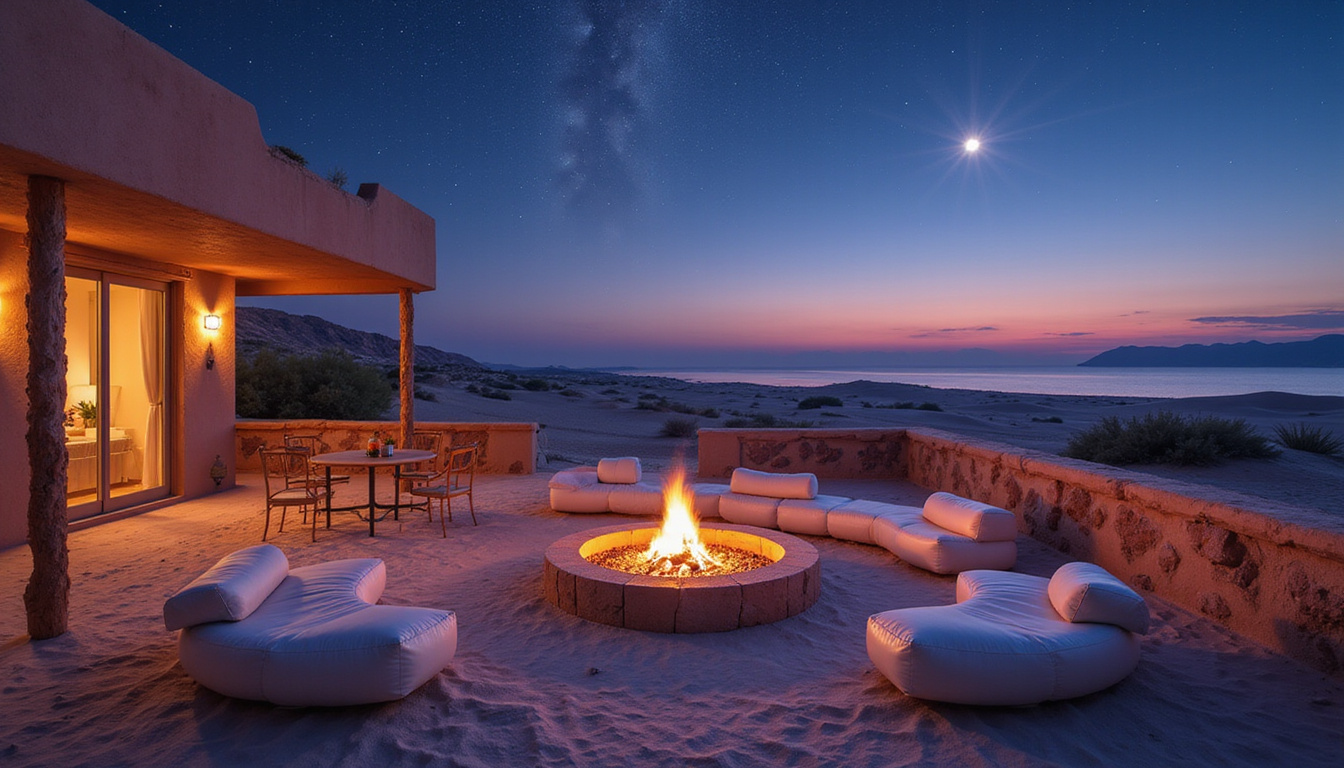
- Evenings around firepits under crystal‑clear skies
6. Arabian Peninsula: Hyper‑luxury in the Empty Quarter
In Oman, the UAE, and Saudi Arabia, you’ll find some of the most lavish desert view hotels on earth, with:
- Infinity pools that appear to spill into dune fields
- High‑end spa and wellness programs
- Helicopter or 4×4 transfers across the desert
- Tailored desert experiences: falconry, dune bashing, camel treks
7. American Southwest: Desert meets canyon country
Places like Arizona and Utah offer a different type of desert view:
- Clifftop retreats overlooking canyons
- Contemporary architecture carved into rock
- Hiking- and photography‑focused stays
This is where minimalist design and big skies meet, ideal if you want desert scenery paired with world‑class national parks.
How to choose the right desert view hotel (and avoid disappointment)
Not all desert view hotels deliver the same type of experience. Use these criteria to narrow your options.
1. Clarify your “desert mood”
Ask yourself:
- Silence and solitude, or social and lively?
- Bare dunes, or an oasis with water and palms?
- Traditional and rustic, or glass‑and‑steel ultra‑modern?
Egypt’s Siwa and White Desert are perfect for quiet, nature‑heavy stays. The Arabian Peninsula leans modern and high‑luxury. Wadi Rum and Moroccan camps sit in between, with strong cultural immersion.
2. Understand “view” vs “location”
Some desert view hotels are in the desert; others are near it. Check carefully:
- Satellite maps (is it really isolated?)
- Photo angles (do you see roads, towns, or power lines?)
- Room categories (only some rooms may have true panoramic views)
If the view is your priority, it’s often worth paying the premium for a “dune view,” “desert view,” or “panoramic” room category.
3. Check climate realities by season
Deserts can be brutal at the wrong time of year. Before you book:
- Look up average highs and lows for your travel month.
- Ask hotels whether pools are heated, or if A/C is available in tented camps.
- Consider shoulder seasons (Oct–Nov, Mar–Apr in North Africa and the Middle East) for better temperatures and lighter crowds.
4. Review access and transfer options
Even some high‑end desert view hotels are hard to reach. Confirm:
- Transfer times from the nearest airport or city
- Whether 4×4 is required (and if the property provides it)
- Extra fees for private transfers
- Road conditions after dark (many routes are better done by day)
If you’re arriving late at night, booking your first transfer directly through the hotel is often worth the added security and simplicity.
Insider booking tips for desert view hotels
Desert destinations have their own pricing patterns. Use these strategies to secure both better rooms and better rates.
1. Target shoulder seasons for value and comfort
Peak months (e.g., December and early January in many desert regions) bring higher prices and limited availability. For Egypt, Jordan, and Morocco:
- Best balance: Late October–early December, February–April
- Benefits:
- More flexible cancellation policies
- Better chance of complimentary upgrades
- Manageable daytime heat with still‑pleasant evenings
If you’re flexible, ask hotels directly: “What weeks between X and Y offer your best combination of rates and weather?”
2. Book direct for upgrades and perks
OTAs (online travel agencies) are useful for comparison, but desert properties – especially independent ones – often reward direct bookings.
When you email or call:
- Mention if you’re celebrating something (honeymoon, anniversary).
- Politely ask if a higher‑view room or late checkout could be considered.
- In smaller Egyptian desert hotels, personal communication can lead to:
- Better room placement (top floor, corner, or dune‑facing)
- Inclusion of local experiences (short desert walk, tea with the owner)
- More flexible meal arrangements
3. Choose room categories strategically
In desert view hotels, the room type can dramatically change your experience. When comparing:
- Weigh the incremental cost of a true desert view against your total trip budget.
- In destinations where you’ll spend a lot of time on your terrace (Egypt’s Siwa, the White Desert, Wadi Rum), paying extra for the view often yields the highest “return on experience.”
If budget is tight, a smart compromise is:
- One or two nights in the top‑view category, then
- Additional nights in a more economical room or nearby town
4. Use length‑of‑stay to your advantage
Many properties quietly offer better terms for guests staying longer. Ask:
- “Do you have any stay 3, pay 2 or 4th night free offers?”
- “Is there a special rate for stays of 4+ nights?”
For remote desert hotels, operations are expensive; filling a room for multiple nights is often more valuable to them than maximizing the nightly rate.
5. Ask about inclusive vs à la carte pricing
With desert view hotels, especially in remote spots, food and activities matter. Clarify:
- Is breakfast included? Half‑board? Full‑board?
- Are key activities (short desert walks, sunset viewpoints) included?
- Are transfers bundled or extra?
Sometimes a slightly higher nightly rate that includes meals and basic excursions will end up cheaper – and far more convenient – than a lower “room‑only” rate with everything priced separately.
Essential experiences to prioritize in desert view stays
Once you’ve booked, the real value of desert view hotels comes from what you do there. Regardless of the region, try to include:
- Sunrise and sunset viewing from a dune, terrace, or canyon edge
- Stargazing on clear nights, ideally with a local guide or telescope
- Local storytelling – Bedouin, Amazigh, or other communities sharing traditions
- Slow breakfasts with a view, instead of rushing off to activities
- Silent time alone with the landscape – no cameras, no phone, just observation
In Egypt, add at least one:
- Desert campfire night in the White Desert or Western Desert
- Visit to an oasis spring or salt lake (Siwa, Fayoum)
- Guided walk through fossil or rock‑formation areas with a specialist guide
Quick checklist: What to confirm before you reserve
Before you finalize a booking at any desert view hotel, verify:
- Exact view from your room category (photos or a map if possible)
- Seasonal weather and whether facilities are suited to it
- Transfer arrangements, timing, and total cost
- Meal plan and water policy (safe drinking water access is key in deserts)
- Cancellation and change terms, especially if you’re connecting through multiple flights or long drives
- Safety and medical access – nearest clinic and how the hotel handles emergencies
Having clear answers to these questions saves a lot of stress once you’re off the grid.
FAQ about desert view hotels
Q1: Are desert view hotels in Egypt suitable for families?
Yes. Many desert view hotels in Egypt, especially around Fayoum and certain parts of Siwa, welcome families. Look for properties that offer family rooms, shaded outdoor spaces, and gentle activities like easy dune walks, pottery workshops, or visits to local villages rather than only long 4×4 trips.
Q2: How far in advance should I book popular desert hotels?
For peak season (late autumn and early spring), it’s wise to book well‑known desert view hotels three to six months ahead, especially if you want specific room types like panoramic suites or bubble tents. For shoulder seasons, one to three months is often enough, though smaller Egyptian desert lodges can fill fast on weekends and holidays.
Q3: What should I pack for a stay in luxury desert view accommodation?
Bring layers (warm jacket for nights, light breathable clothing for days), a wide‑brimmed hat, sunglasses, sunscreen, closed‑toe walking shoes, a headlamp or small torch, and any personal medications. Even in high‑end desert view hotels, having your own refillable water bottle and light scarf or shawl adds comfort and flexibility.
Turn your desert dream into a real escape
The difference between “a night in the desert” and a transformative journey often comes down to the hotel you choose and the way you plan your stay. Desert view hotels give you front‑row seats to some of the planet’s most powerful landscapes – but the best experiences go further, connecting you with local culture, silence, stars, and a pace of life that’s become rare elsewhere.
If the idea of waking up to an endless horizon, watching the sun melt into the dunes, and sleeping under a canopy of stars appeals to you, start shortlisting properties now. Compare locations, study room views, and reach out directly to ask about seasons, offers, and experiences. Your perfect desert escape is likely closer – and more attainable – than you think; the first step is choosing the right view.