
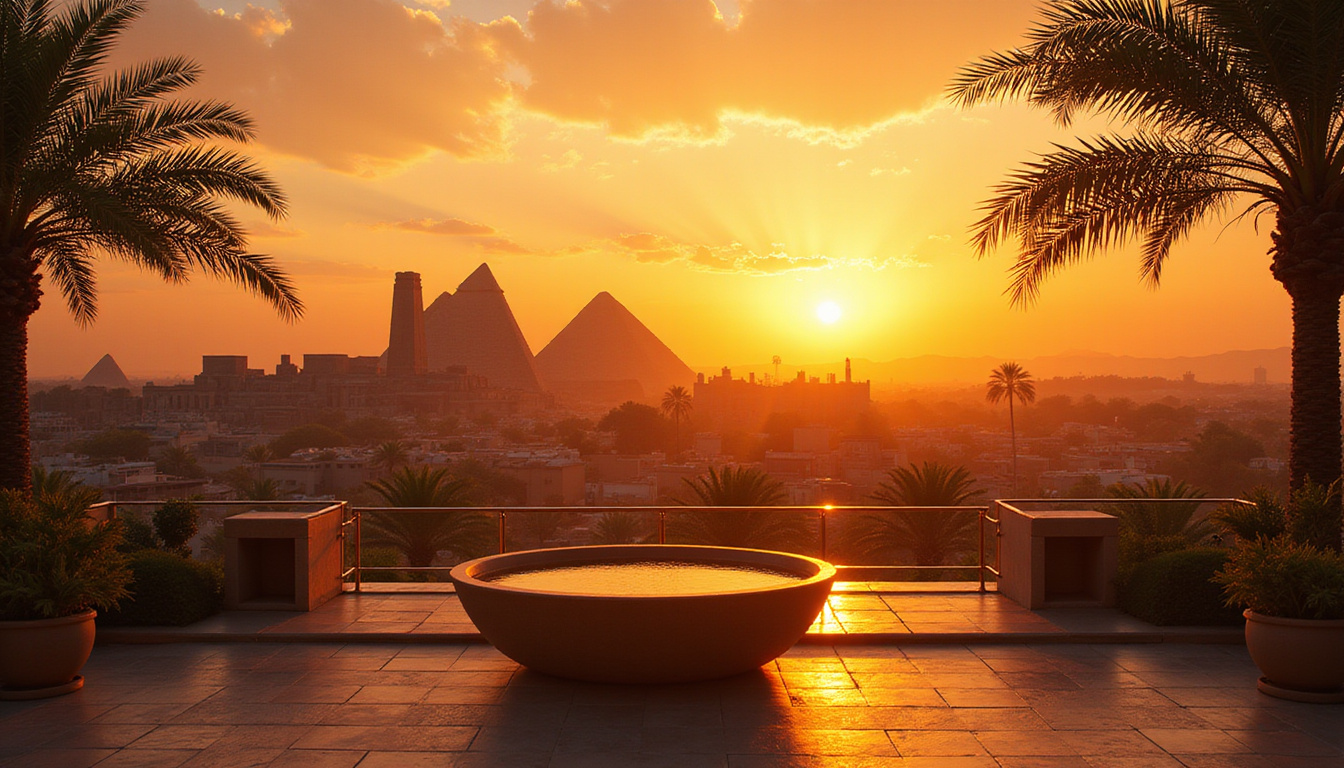
Planning a trip to Egypt and waking up next to old temples or a palace on the Nile sits at the heart of your dreams.
In Egypt, you find UNESCO hotels as a way to live near ancient sites.
Hotels do not lie inside World Heritage areas, but many stand next to Egypt’s UNESCO treasures.
These hotels mix history, local life, and modern ease.
This guide lists the best areas and property types to pick, shows you how to select a hotel by UNESCO sites, and sets your mind to what you see, pay, and feel.
Understanding UNESCO Sites in Egypt (and What “UNESCO Hotels” Means)
When you choose a UNESCO hotel in Egypt, you must know how UNESCO works.
Egypt has many World Heritage sites. Among them:
• The ancient city of Thebes with its burial grounds on Luxor’s West Bank, including Karnak, Luxor Temple, and the Valley of the Kings and Queens.
• Old Cairo with its Islamic and Coptic layers.
• Memphis with its burial area where the Pyramids of Giza, Saqqara, and more lie.
• Abu Simbel and the many Nubian monuments from Aswan to the border.
• The area of Saint Catherine in South Sinai.
• Wadi Al-Hitan (Whale Valley) in Fayoum.
UNESCO does not mark hotels as heritage.
Yet many hotels lie in or near UNESCO buffer zones (as in Old Cairo or Luxor).
Some hotels are famous for their history.
Others let you see ancient sites from your window or door.
When you search for UNESCO hotels, you mean hotels that sit by heritage sites.
They bring history close to you—by look, by site, by feel.
Why Stay Near UNESCO World Heritage Sites in Egypt?
A hotel near a UNESCO site changes your trip.
A Close Feel to History
• In Luxor, a hotel on the Nile, set against the Temple of Luxor, shows columns lit at night.
• In Cairo, a guesthouse in old parts sets you right into narrow streets, old mosques, and busy markets.
• In Aswan, a resort along the river faces islands, old quarries, and Nubian village scenes.
You do not simply visit; you live with history every hour.Saving Time and Effort
Crowds and heat mark many famous sites from mid‐morning to noon.
Staying near a UNESCO site lets you:
• See temples at sunrise or late before closing, when light is soft and crowds are low.
• Spend a break by the pool or in a cold room.
• Walk or catch a short ride instead of long trips in traffic.Unique, Lasting Moments
Many UNESCO hotels bring extra moments:
• Small rooftop dinners with a view of pyramids or temples.
• Early or late felucca trips on the Nile, planned by the hotel.
• Meetings with local history guides who share special tours.
• Nights with local music or Nubian culture on stage.
These moments make your visit part of your own story.
Best Areas for UNESCO Hotels in Egypt
It matters less what name a hotel has than what its site provides.
Here are prime regions noted for convenience to UNESCO sites, and what it feels like to stay there.
- Cairo & Giza: Old Cairo and the Pyramid Area
Cairo shows two faces: Old Cairo and the near Memphis area that covers Giza and Saqqara.
Staying in Old Cairo
• Steps lead from your door to old mosques, schools, water fountains, and roadside inns.
• Walk a few minutes to visit Khan El Khalili, Al-Muizz Street, and ancient gates.
• The city breathes layered past and present.
Good for those who want city life with history, late-night walks in lit old streets, and short trips to both Islamic and Coptic spots.
Staying with Pyramid Views in Giza
Although the pyramid area holds few ancient hotels, many modern and classic hotels:
• Sit with a view of the pyramids and the Sphinx.
• Set up early or late trips to see the pyramids close up.
• Have a flat or terrace to watch light and sound shows at night.
Great for first-time visitors, families on a tight schedule, and those who dream of pyramids seen from their own room.
- Luxor: The Ancient City with Burial Grounds
For true fans of UNESCO sites, Luxor stands tall.
This area, once called Thebes, holds old temples and tombs on both banks of the Nile.
On the East Bank, hotels line the river.
• They lie close to Luxor Temple and a short ride reaches Karnak Temple.
• They suit first-time visitors and those wanting a mix of ease and history.
On the West Bank, guesthouses in a village setting sit near the Valley of the Kings and Queens.
• Early visits and a quiet feel mark these places.
• They feel more relaxed and rural.
Hotels here often have:
• Rooms that face the Nile or gardens by the water.
• Roofs that let you see the temple or balloons as the sun rises.
• Ties with local experts who help plan your tour.
- Aswan & Nubian Monuments
Aswan is not a UNESCO site itself.
Yet it opens the door to Nubian monuments from Abu Simbel to Philae.
Hotels here include:
• Nile-front hotels that show a wide river scene.
• Resorts on islands reached by boat.
• Guesthouses in Nubian villages with bright local style.
They give easy steps to Philae Temple, day or night trips to Abu Simbel, and show sunsets over granite and water without the rush of a big city.
- Saint Catherine & South Sinai
The Saint Catherine area is a World Heritage spot.
It holds Mount Sinai and the monastery of Saint Catherine.
Hotels here are simple yet placed in a grand desert and mountain sketch.
You find:
• Basic hotels or eco lodges, more about nature than grand halls.
• A chance for desert hikes or a climb in the early light on Mount Sinai.
The focus is on starry nights and a quiet, spiritual path.
- Wadi Al-Hitan (Whale Valley) & Fayoum
Wadi Al-Hitan is famed for whale bones that show a long past.
Stay in Fayoum:
• In eco lodges or camps that use natural local shapes.
• In simple hotels near Lake Qarun and nearby spots.
These choices suit a break in nature, trips to see fossils, and a calm shift away from busy Cairo.
Types of UNESCO-Focused Hotels in Egypt
Across these regions, hotels fall into main groups.
Historic and Heritage Hotels
Some hotels are old palaces or former colonial homes.
They carry old styles, high halls, open courtyards, and story-filled rooms.
These suit guests who feel strong ties to the past.Luxury Nile-Side Resorts
Found in Cairo, Luxor, and Aswan, these hotels show the Nile in all its beauty.
They have pools, multiple dining spots, spa rooms, gyms, and sometimes tennis courts.
They are good for those who mix hard sightseeing with soft rest.Boutique Hotels and Guesthouses Near UNESCO Areas
Often in narrow lanes of Old Cairo or in the calm of Luxor’s banks, or in Nubian villages, these hotels have:
• Few rooms and a warm local taste.
• Decor that uses local wood and art.
• An owner’s care with custom advice.
They suit visitors who want a close feel and a less standard stay.Eco Lodges and Desert Retreats
Near Fayoum, Wadi Al-Hitan, Saint Catherine, South Sinai, or the Red Sea hinterland, these stays use basic local stone and wood.
They work with limited Wi‑Fi and dark skies for stars.
They focus on hikes, night views, and trips to fossil sites.
Great for those who feel at home in nature and look for a pause from bustling towns.
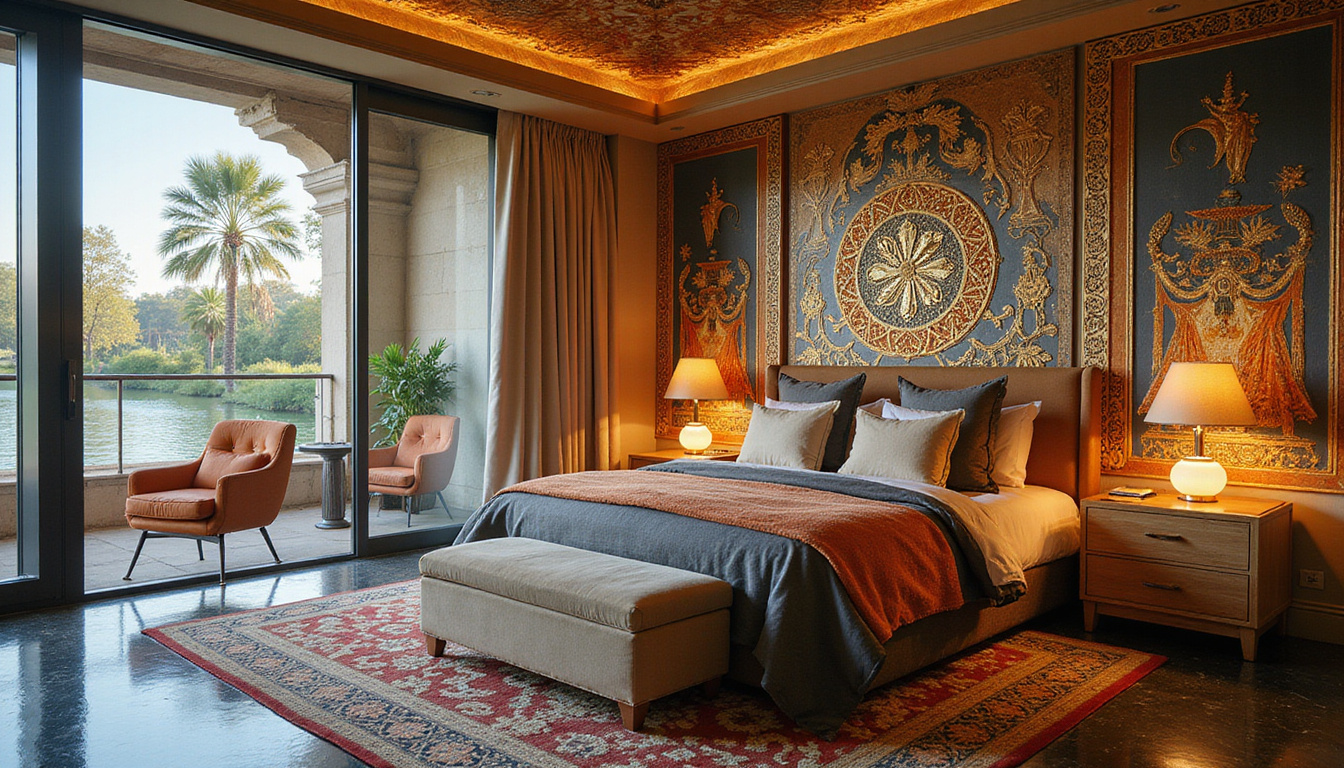
How to Choose the Right UNESCO-Focused Hotel in Egypt
When you check UNESCO hotels online, mind these points:
Distance to Key Sites
Watch not just city names but time needed to reach sites.
See if the hotel helps with private rides or taxis.
Check if you walk to one big spot on foot.View Against Easy Access
Some guests prize a room’s view of a pyramid or temple.
Others want a spot in the center of a busy neighborhood with many dining places.
Decide if you need a direct look from your window or a fast trip by foot to the site.Season and Climate
Egypt has strong seasons.
• Cool and busy times come from late October to April.
• Hot and quiet days occur from May to September.
In hot days, a hotel with good air cooling, a pool, and shaded outdoor space helps a lot.Tour and Guide Links
Many heritage hotels can connect you with local experts.
They set up private or small groups that help you avoid common delays.
Before you book, ask if they show you sunrise or later visits to sites.Local Fit and Feel
Think if the hotel is strict with local dress or if it suits families, couples, or groups.
Some hotels have quiet times or host events like weddings or meetings.
Check recent reviews to match your hopes to what you get.
Practical Tips for Booking UNESCO-Focused Hotels in Egypt
To get the best stay near heritage sites, keep these hints in mind:
Book early in the busy season
During winter, the Christmas–New Year period, or Easter, popular hotels fill up early in Luxor, Aswan, and Cairo.Look at the room details
Not all rooms offer a view of the Nile or a pyramid, even if the hotel photos suggest it.
Look for words like “Nile view,” “pyramid view,” or “temple view” in the description and note the floor number.Double-check transport issues
This matters especially at hotels on islands (where boats are needed), on Luxor’s West Bank (where ferries or bridges help), or at desert or eco lodges (where roads differ).Ask if work is planned on site
Some old hotels fix parts of the building from time to time.
See if any work might change your pool, dining, or view experience.Honor local customs and rules
Near sacred or traditional areas, dress in modest clothes outside the hotel.
Follow rules on photography and behavior at ancient sites.
FAQ: UNESCO-Focused Stays and Heritage Hotels in Egypt
Are there official UNESCO hotels in Egypt?
No. UNESCO does not mark hotels.
When the term appears, it means hotels near or facing UNESCO sites like the pyramids, Thebes in Luxor, Old Cairo, or Abu Simbel.What are the best areas for heritage hotels in Egypt?
The top areas include Giza for pyramid views, Old Cairo, Luxor for ancient Thebes, Aswan for Nubian monuments and Philae, Saint Catherine in Sinai, and Fayoum for Wadi Al-Hitan.
Each area gives a different style, from luxury resorts to small eco lodges.Are heritage hotels good for families?
Yes. Many heritage hotels in Cairo, Luxor, and Aswan suit families with pools, adjoining rooms, and kid-friendly meals.
When traveling with children, look for hotels that give flexible tour options, outside spaces that have shade, and reviews that mention a calm atmosphere.
Turn Your Egypt Trip into a Living History Experience
Staying near Egypt’s heritage sites is more than a short stay.
It means waking up close to the past and living inside a history book.
See a sunrise over the Valley of the Kings from a hotel on the West Bank, sip tea as feluccas pass along your Nile balcony, or step from an ancient Cairo doorway into streets shaped by time.
A hotel in the right spot can shape your journey into one full of lasting impressions.
Begin by listing the sites that call to you.
Match these to a Nile-side resort, a heritage hotel, or a small guesthouse that fits your style and cost.
Plan early, ask clear questions, and give thought to both where you stay and how it feels.
Then, your time in Egypt will be not just a busy visit, but a warm memory that lasts.
Now is the time to change that dream into life.
Begin checking your ideal stays today.
Set the dates and gift yourself a chance to live Egypt’s ancient wonder from a hotel that fits in with its old, storied land.