
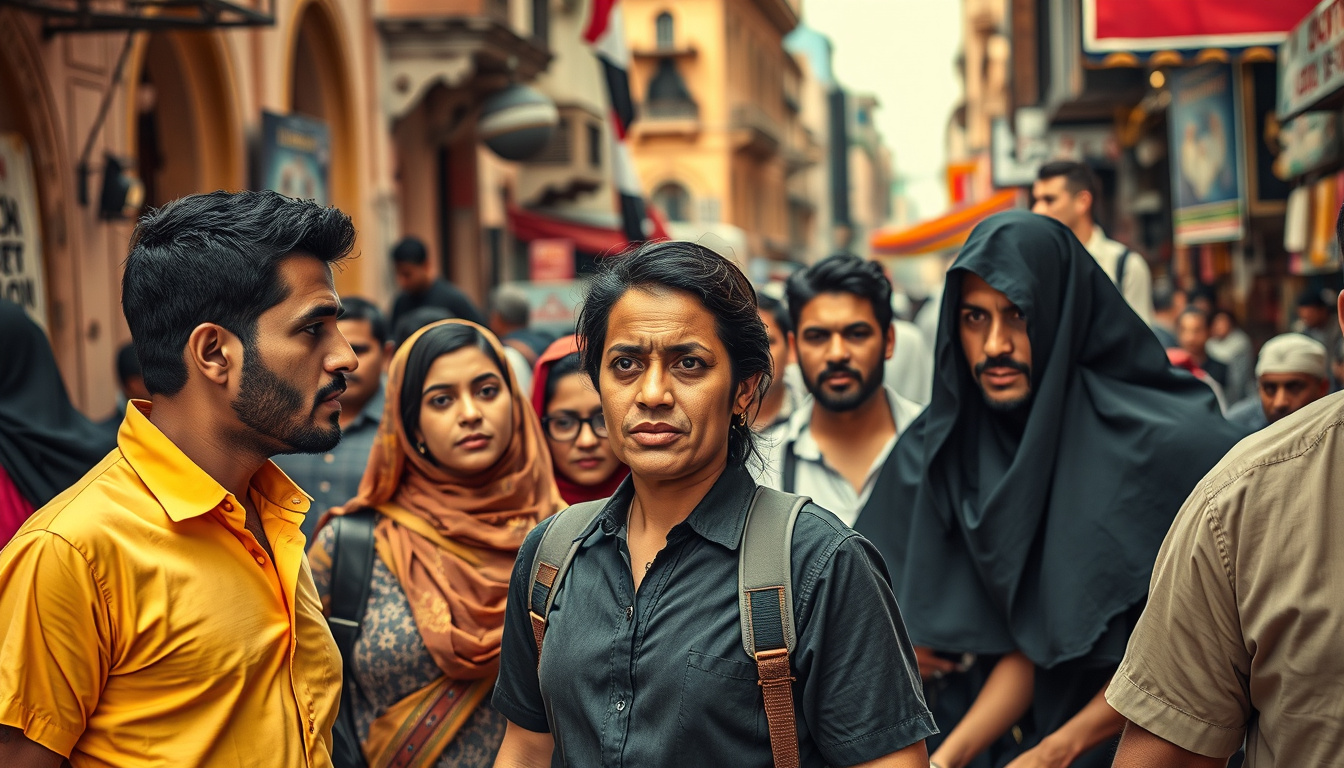
In the world of travel streaming, where every moment is often shared in real-time, an incident can quickly escalate, leading to widespread implications for cultural perceptions and xenophobia.
Recently, a controversial encounter involving German streamer Benjamool in Cairo has highlighted these issues.
While walking in the Egyptian capital, Benjamool was filmed being pelted with rocks by local children, a scene that subsequently went viral on Reddit.
The response to this incident unleashed a wave of racist and derogatory comments about Egyptians, with users hastily generalizing the actions of a few as reflective of the entire culture.
This article delves into how isolated incidents can create damaging stereotypes, the swift spread of xenophobic sentiments, and the significant impact of travel streaming on the way cultures are perceived and portrayed.
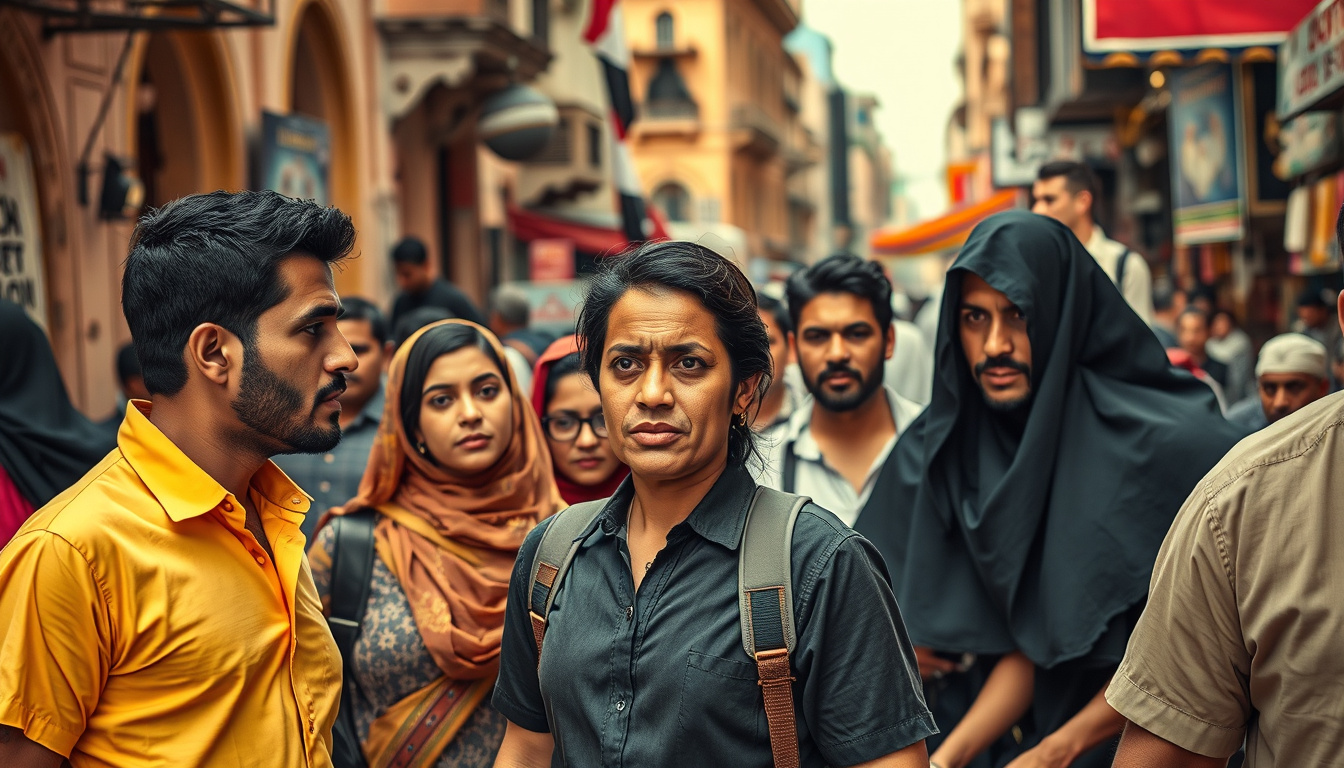
Key Takeaways
- A viral video of a streamer in Cairo sparked widespread xenophobic commentary online.
- The incident underscores how isolated events can lead to harmful generalizations about entire cultures.
- Travel streaming can exploit local communities, influencing perceptions without their consent.
Overview of the Incident and Immediate Reactions
In a striking incident that unfolded recently in Cairo, German streamer Benjamool was filmed facing a barrage of rocks thrown by local children while traversing the city’s streets.
This alarming footage quickly gained traction on Reddit, where it incited a wave of reactions, many of which veered into racist and derogatory territory, characterizing Egyptians as violent and uncivilized.
Such backlash not only reveals an unsettling trend of xenophobia but also points to the ease with which isolated actions of a small group can poison perceptions about an entire population.
The Egyptian Ministry of Interior intervened, clarifying that Benjamool had previously engaged in lighthearted interactions with the kids before they began throwing stones ‘for fun’.
After receiving apologies from the families involved, Benjamool chose not to pursue legal action.
This incident serves as a stark reminder of the ethical implications of travel streaming, highlighting how individuals in economically challenged neighborhoods can become unwitting subjects of content creation, often lacking control over their representation.
The ensuing discussions underline how swiftly prejudiced narratives can take root, transforming isolated events into sweeping generalizations that unfairly taint entire cultures.
The Broader Impact of Travel Streaming on Cultural Perceptions
The repercussions of travel streaming incidents like the one involving Benjamool extend far beyond the immediate setting, influencing global perceptions of different cultures and communities.
Travel streamers often document their adventures in a raw manner, capturing the sights, sounds, and interactions that characterize their experiences.
However, this can lead to a skewed portrayal of local populations, particularly when negative incidents are highlighted without context.
In the case of Benjamool, the video that went viral not only showcased a fleeting moment of hostility but also triggered a wave of derogatory comments that unfairly painted all Egyptians with the same brush.
This stark overgeneralization underscores the dangers of allowing isolated events to shape cultural narratives.
Furthermore, it calls into question the responsibilities of travel streamers and platforms in ensuring content does not perpetuate harmful stereotypes.
By failing to provide a balanced perspective, travel streamers risk fueling a cycle of misunderstanding and xenophobia, creating barriers between cultures rather than fostering connection and empathy.
This incident serves as a cautionary tale, reminding content creators to navigate their influence thoughtfully in an increasingly interconnected world.