
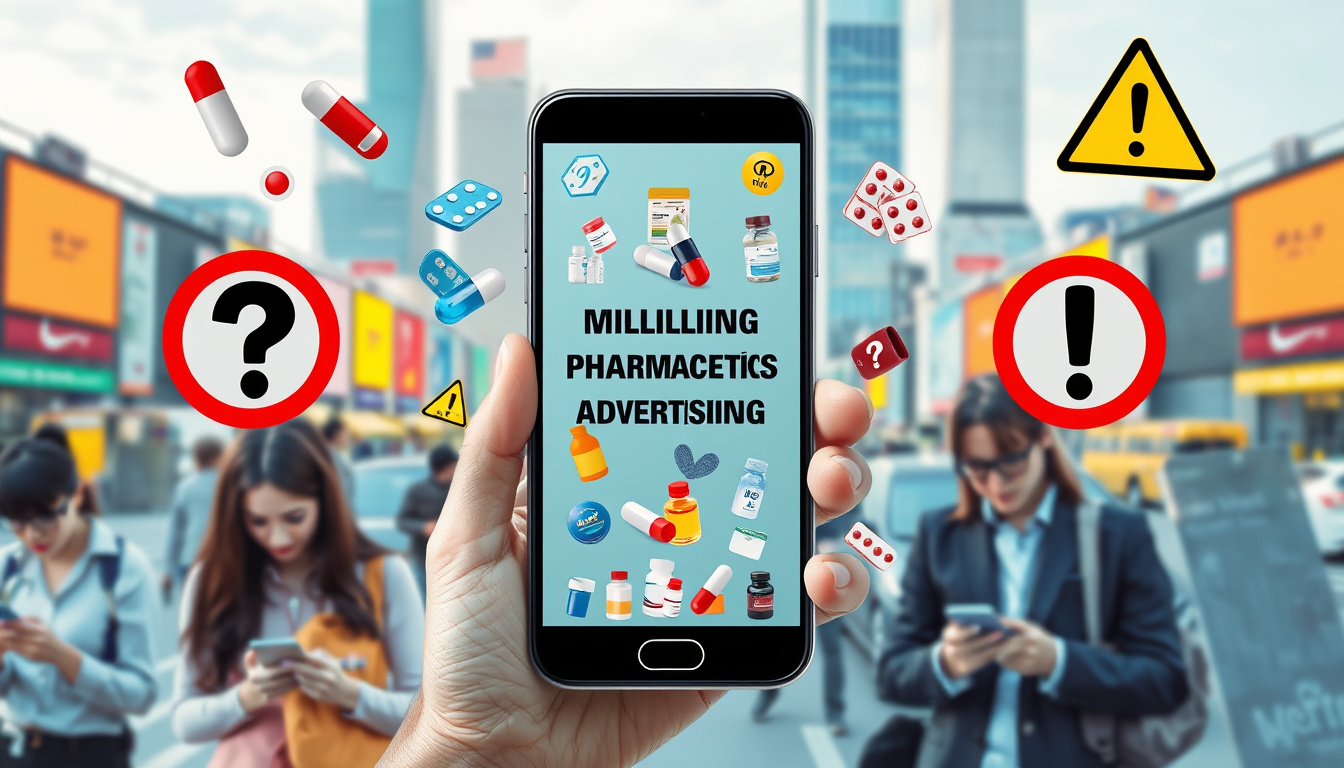
In recent years, the rise of social media has transformed how businesses advertise their products, with the pharmaceutical industry being no exception.
However, this shift has also led to the proliferation of misleading advertisements that can pose serious health risks.
On September 29, 2026, the Egyptian Drug Authority (EDA) issued a crucial warning to the public regarding unauthorized and misleading pharmaceutical ads circulating on platforms such as Facebook, Instagram, and TikTok.
This article delves into the implications of such misleading advertisements, the specific risks associated with them, and essential steps consumers can take to safeguard their health.
Key Takeaways
- The EDA warns that misleading pharmaceutical ads on social media pose significant health risks.
- Consumer caution is urged against unverified ads, especially those targeting male sexual health products.
- The EDA encourages public reporting of suspicious ads to enhance safety and regulation in pharmaceutical advertising.
Understanding Misleading Pharma Ads
In recent years, the rise of social media has transformed the way consumers access information, including healthcare and pharmaceutical products.
However, this digital shift has also opened the door to a concerning trend: misleading and unauthorized pharmaceutical advertisements.
The Egyptian Drug Authority (EDA) took a proactive step on September 29, 2026, by issuing a stern warning about these potentially harmful ads, especially those proliferating on platforms like Facebook, Instagram, and TikTok.
These advertisements often make unverified claims and target consumers with promises of miraculous health benefits, particularly in the realm of male sexual health with products like Tadanerfi, Nerhasilda, Biolegam, and Doumega.
The EDA’s regulatory notices highlighted alarming violations, where registered products were being advertised without proper approval, raising significant health risks for consumers who may unknowingly rely on these ads.
Consequently, the EDA urged the public to exercise caution; they recommended that consumers verify the registration status and safety of any pharmaceutical product by consulting official EDA resources.
To combat this issue further, the authority encouraged citizens to report any suspicious advertisements they encounter, assuring them that such reports would be handled confidentially.
This significant alert from the EDA not only emphasizes the importance of vigilant consumer behavior when engaging with pharmaceutical advertisements on social media but also reinforces the authority’s commitment to safeguarding public health through stringent regulation of drug marketing practices.
Steps for Consumers to Ensure Safety
To ensure their safety when navigating the complex landscape of pharmaceutical advertising on social media, consumers can take several proactive steps.
First, always verify the authenticity of the product by checking the official website of the Egyptian Drug Authority (EDA), which provides a comprehensive database of registered drugs and their approval statuses.
Secondly, look for seals of approval or certification on advertisements which can indicate legitimacy.
It is also beneficial to seek information from healthcare professionals, as they can provide guidance on the efficacy and safety of specific products.
Furthermore, consumers should stay educated on common misleading claims and be wary of products that promise immediate or miraculous results, particularly regarding sensitive issues like sexual health.
Lastly, actively reporting any suspicious or misleading advertisements to the EDA can contribute to a safer online environment for all users and enhance the authority’s effort in curbing the spread of false information.
By taking these steps, consumers can protect themselves from potential health risks associated with unauthorized pharmaceutical promotions.