
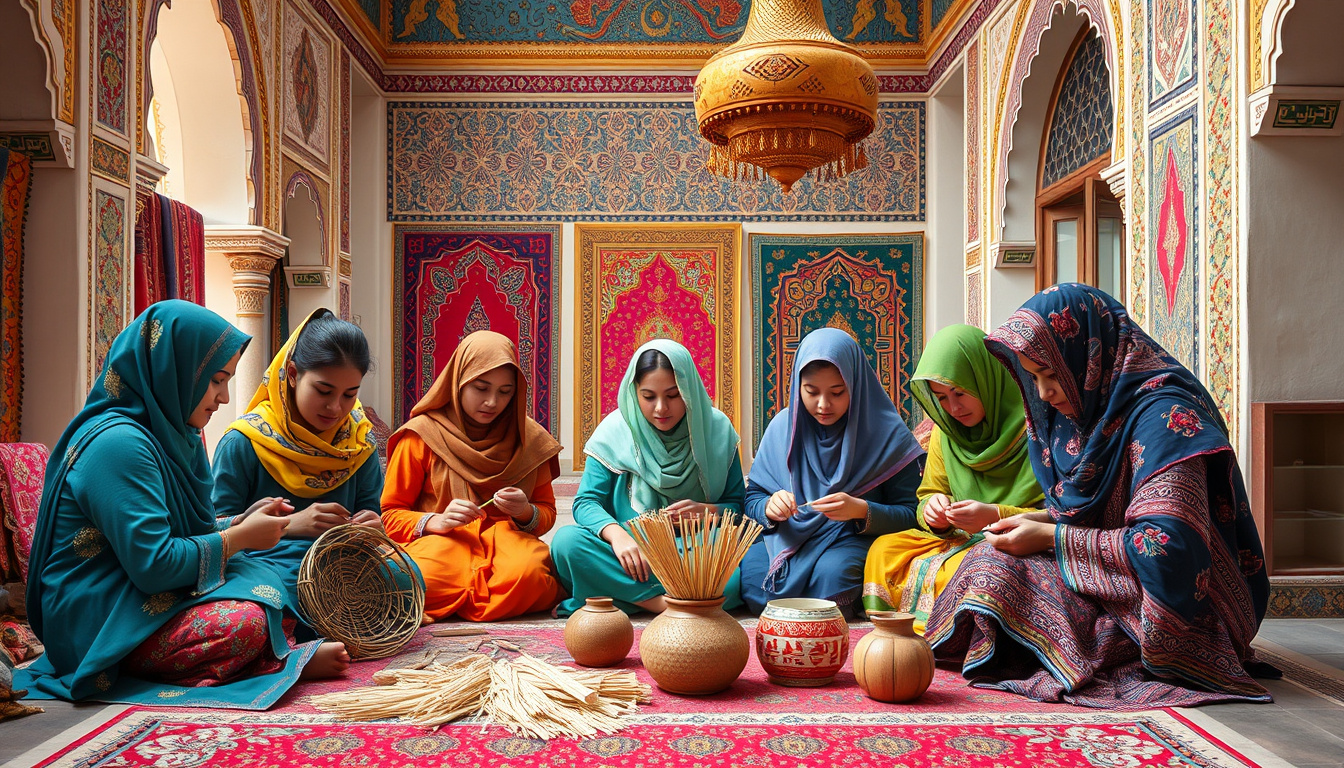
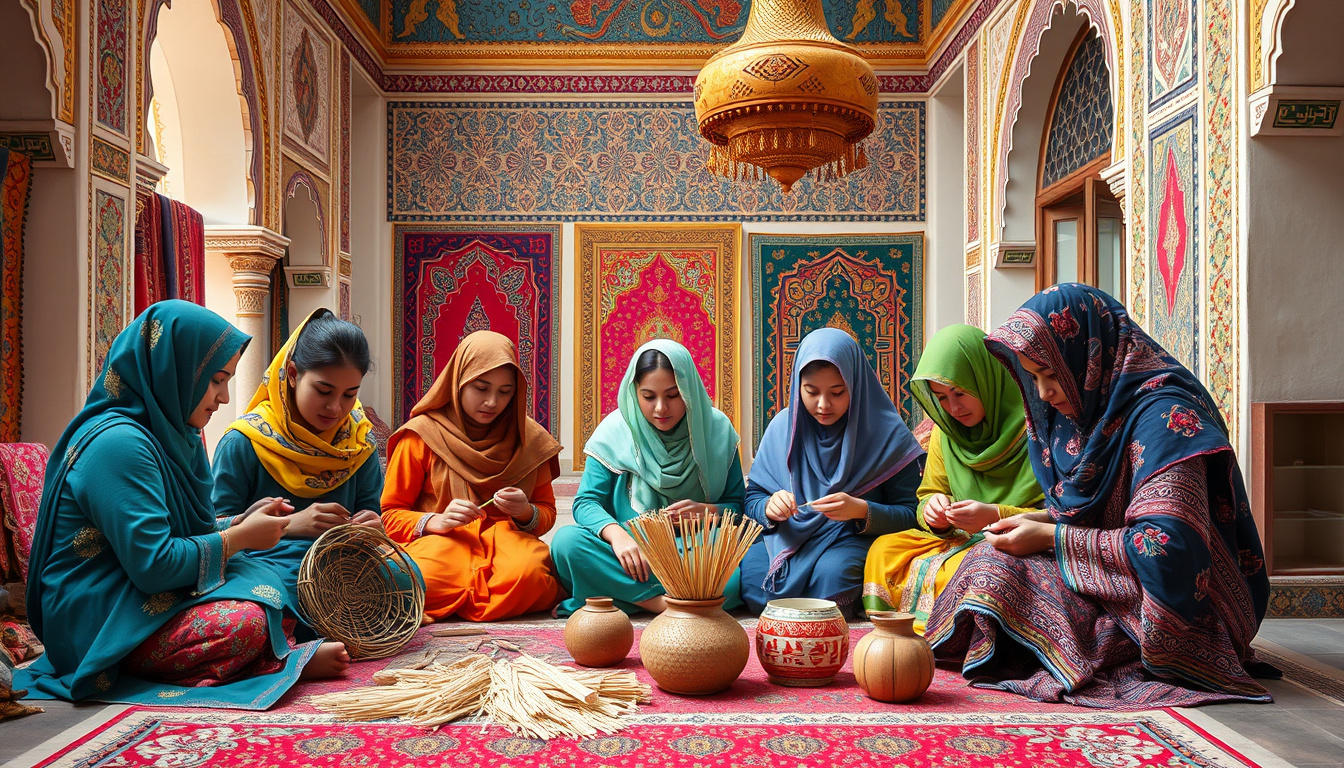
In a world where art often leans towards the contemporary and ephemeral, the Jameel House of Traditional Arts in Cairo stands as a sanctuary of cultural heritage and craftsmanship.
As I reflect on my transformative journey during my first year at Jameel House, I realize how this immersive experience has reshaped my understanding of art, identity, and creativity.
Coming from a decade of advertising, I initially grappled with reconciling my modern perspective with the rich tapestry of traditional art that I was now surrounded by.
This article will explore the challenges and growth I encountered as I delved deeper into the realms of sacred geometry, ceramics, and floral motifs, ultimately discovering a renewed sense of purpose and connection with my artistry.
Key Takeaways
- The Jameel House of Traditional Arts helped the author reconcile their identity as a ceramicist after a decade in advertising.
- Engagement with traditional art forms led to a renewed appreciation for history, context, and the artistry present in everyday Cairo.
- The experience at Jameel House emphasized that true artistry involves patience, learning, and a deeper connection with the materials and culture.
Initial Struggles with Identity and Artistry
Initial Struggles with Identity and Artistry
The journey of self-discovery through art can often be riddled with challenges, and for one author, their first year at the Jameel House of Traditional Arts in Cairo marked a pivotal moment of transformation.
This unique program, which merges traditional art forms such as sacred geometry, ceramics, and intricate floral motifs, became the backdrop against which the author reconciled their decade-long career in advertising with their newfound passion for pottery.
Initially, the return from the UK to Cairo felt like stepping into an unfamiliar landscape; yet, the allure of Jameel House beckoned, drawing in individuals at crossroads in their lives.
Upon entering the program, the author grappled with the seemingly conflicting worlds of contemporary and traditional artistry.
The task of replicating historical patterns seemed monotonous at first, but soon, a profound understanding emerged.
Traditional art is approached not just as a series of motifs to be copied but as a dialogue with history — each pattern a testament to patience, craftsmanship, and an intimate relationship with the material.
This realization changed their perception, allowing them to appreciate the layers of artistry nestled within the vibrant streets of Cairo — previously overlooked details burst forth anew with significance.
As the author delved deeper into traditional practices, they experienced a renaissance of purpose characterized by curiosity and an enriched understanding of artistry.
It became clear that true art is not merely about production; it’s about the richness of learning and engagement with the world.
Through their time at Jameel House, the author discovered that the essence of artistry lies not just in creation, but in the experiences and lessons that shape our understanding of beauty and craftsmanship—cementing Jameel House’s role as a catalyst for personal growth and deeper artistry.
The Evolution of Appreciation for Traditional Techniques
The experience at Jameel House of Traditional Arts in Cairo offered more than just a dive into the world of ceramics; it provided a profound exploration of cultural heritage through art.
As the author immersed themselves in the meticulous practice of traditional techniques, they encountered the complexities of creativity intertwined with discipline.
This tension between innovation and tradition cultivated a new respect for the processes that underlie artistic expression.
For instance, the methodical repetition of sacred geometric patterns initially appeared as an exercise in monotony, but soon blossomed into a meditative practice, fostering mindfulness and attention to detail.
This journey illuminated the importance of patience — a lesson often overshadowed in the fast-paced world of advertising.
The author began to unravel the stories that each pattern conveyed, realizing that they were not merely decorations but historical narrators that connect generations.
This revelation not only reshaped their approach to artistry but also deepened their appreciation for their surroundings, allowing them to engage with the cultural tapestry of Cairo in a more meaningful way.