
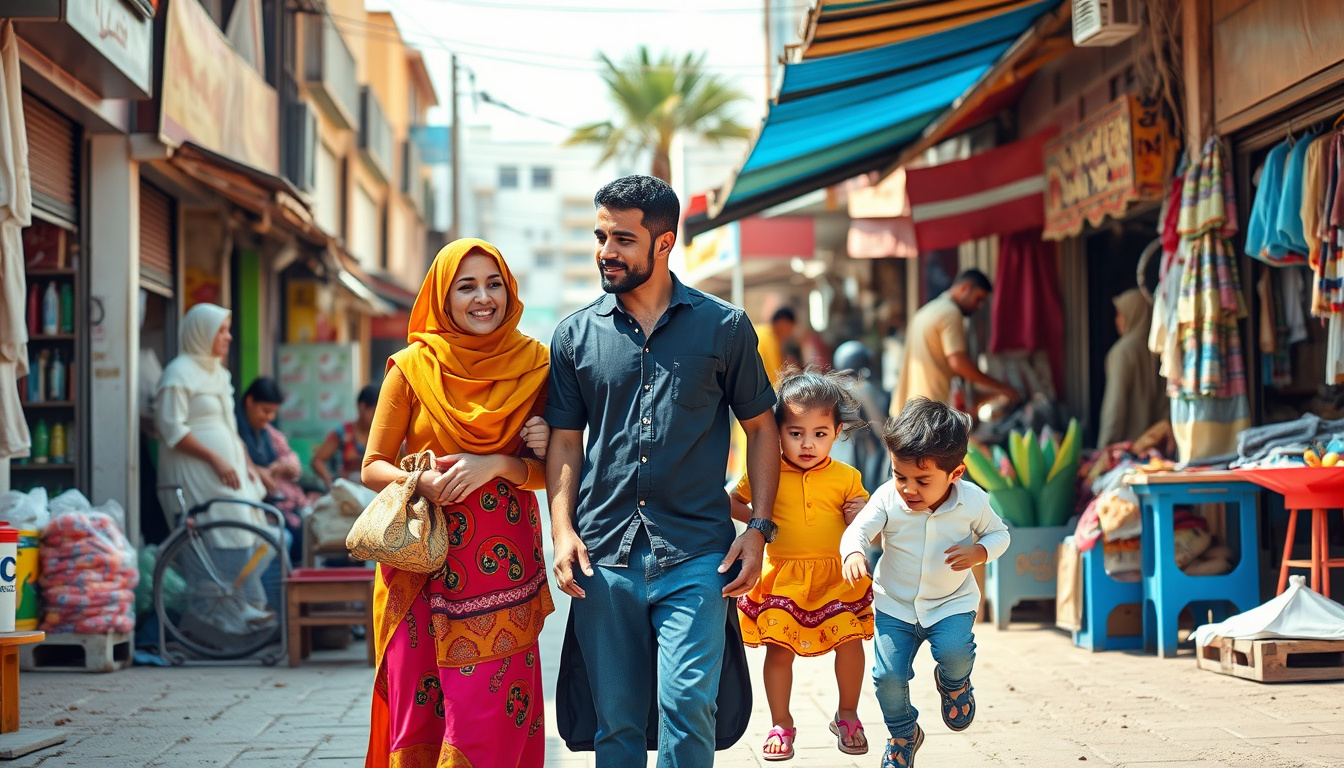
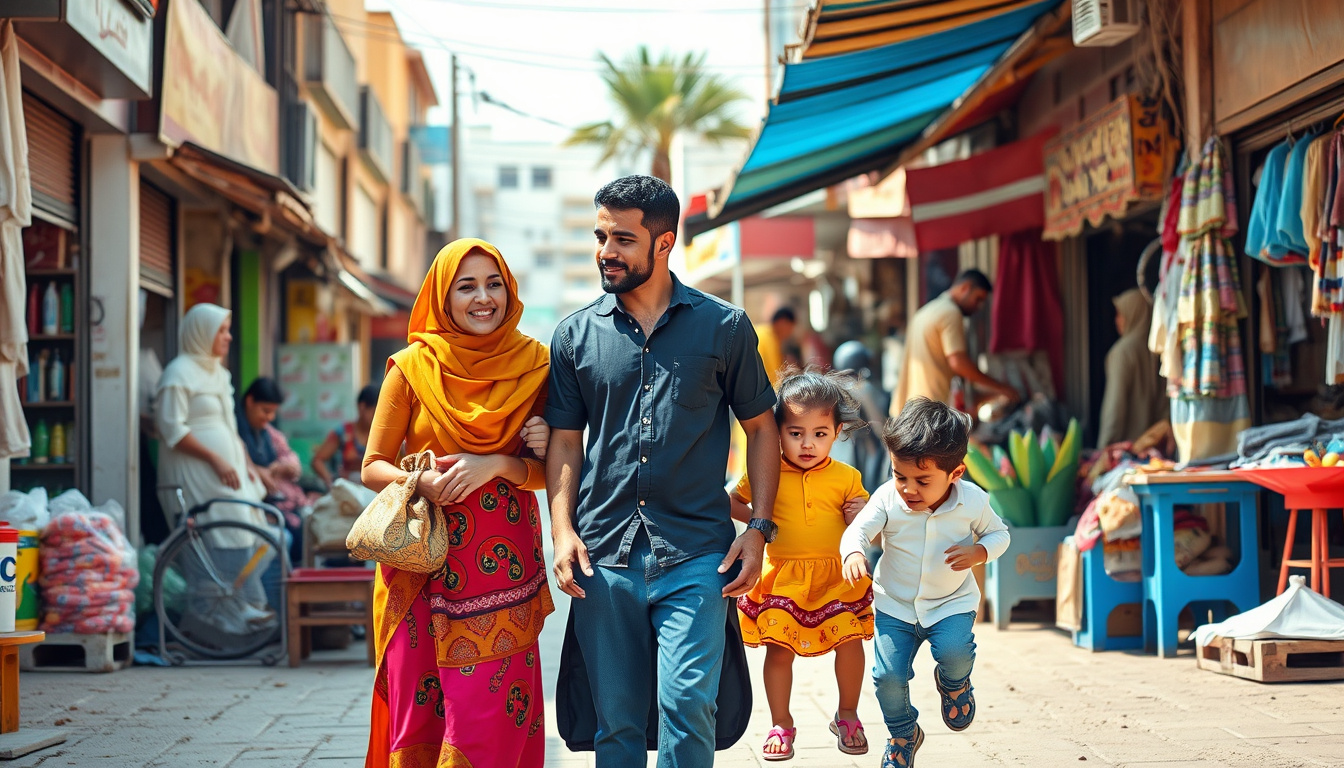
In recent years, young Egyptians have been navigating a complex landscape of economic uncertainty, leading to a dramatic shift in their perspectives on parenthood.
With inflation rates soaring and the cost of living plummeting, many millennials and Gen Z individuals are reconsidering traditional milestones associated with family life.
This article examines how economic challenges are influencing the decision-making process surrounding parenthood, highlighting voices from this emerging demographic, including insights from Mariam Mohamed, a 28-year-old architect, and other young professionals who are prioritizing financial stability over societal pressures to parent.
As Egypt’s fertility rate declines alongside urban inflation rising to
15.2% in 2025, the narrative surrounding family planning is evolving profoundly, reflecting broader changes in societal values and priorities.
Key Takeaways
- Economic instability is driving young Egyptians to reconsider parenthood.
- Cultural shifts are prioritizing financial stability over traditional family expectations.
- The declining fertility rate reflects a broader trend of delayed parenthood in response to rising living costs.
Economic Factors Influencing Parenthood Decisions
The landscape of parenthood in Egypt is experiencing a profound transformation, largely influenced by economic factors that have reshaped young people’s perspectives on family and childcare.
As young Egyptians navigate the complexities of daily life under economic strain, many are reevaluating when—and if—they should start families.
In a recent survey, findings show that urban inflation in Egypt has surged to a staggering
15.2%, contributing significantly to the nation’s declining fertility rate, which has dropped to an average of
2.34 children per woman as of
2025.
This rising cost of living is no trivial hurdle for those in their late twenties and thirties, like Mariam Mohamed, a 28-year-old architect who voices a common concern: the ability to provide a nurturing and stable environment for children.
Highlighting this sentiment, both Mohamed Alaa and Donia Ahmed emphasize their intention to secure a stable life before embarking on the journey of parenthood.
The harsh economic climate is forcing potential parents to critically evaluate the implications of bringing children into an increasingly unpredictable world, where opportunities for employment and decent living conditions are dwindling.
Consequently, many express that their decision to delay or forego parenthood stems from a desire for financial stability rather than societal expectations, marking a notable shift in cultural norms.
While discussions around family planning initiatives continue, the overwhelming consensus reveals a stark reality—high inflation and economic uncertainty play pivotal roles in shaping these life-altering decisions.
This evolving mindset underscores a broader societal shift where parenthood is increasingly viewed not as an inevitable milestone but rather as a risk that demands careful consideration and planning amidst financial instability.
Cultural Shift in Perceptions of Family and Stability
This cultural evolution among young Egyptians toward parenthood reflects a broader trend observed across various countries grappling with economic challenges.
Increasingly, individuals prioritize their financial security and emotional preparedness before taking the monumental step of starting a family.
Factors such as the crippling cost of housing, education, and healthcare have prompted many to delay their aspirations for children.
Furthermore, societal pressures are shifting as well; many young adults are beginning to embrace personal choices over traditional expectations, fostering a more individualistic approach to family life.
This newfound perspective does not equate to a rejection of family values but rather signifies a more nuanced understanding of what it means to be a responsible parent in today’s world.
The ramifications of this shift can be profound, impacting everything from government policy regarding family support to the future economic landscape of Egypt as demographics evolve.