
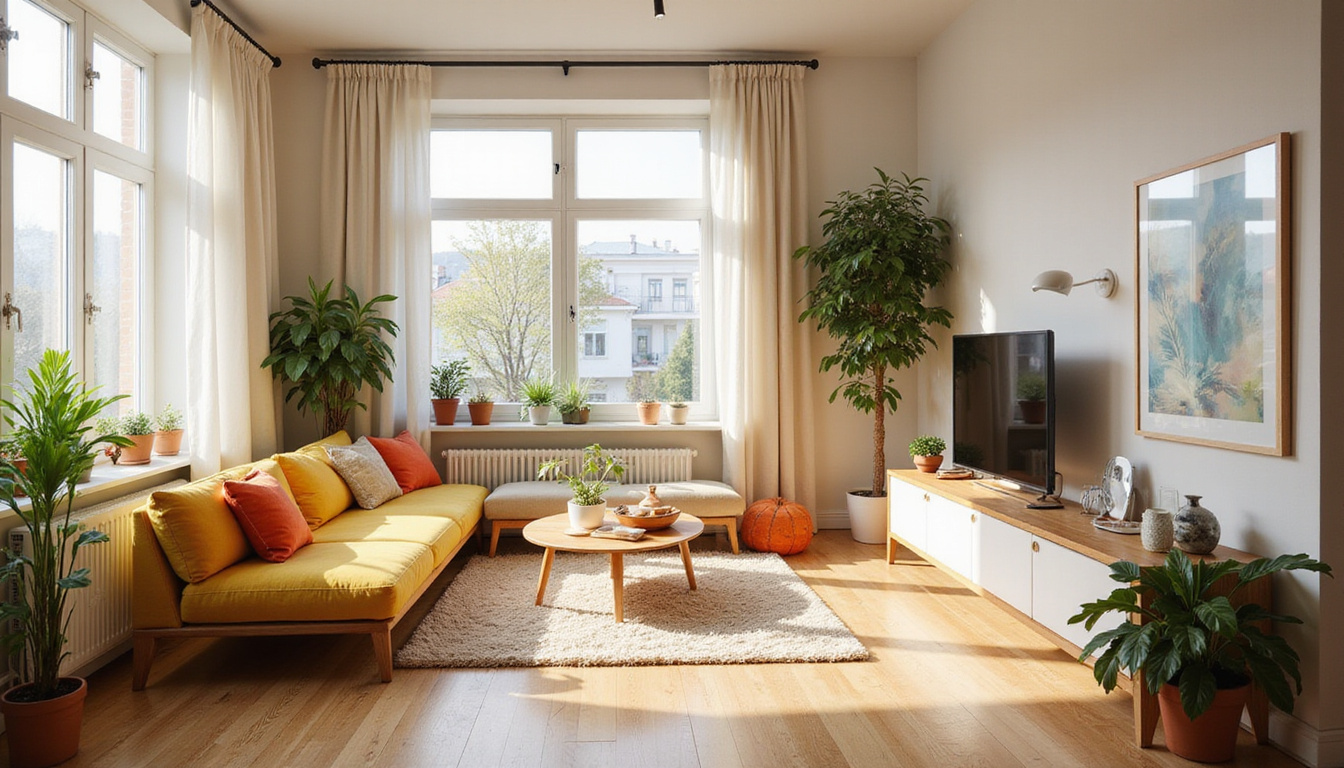
Semi-furnished apartments are becoming one of the most practical choices for renters and buyers who want flexibility, style, and savings—without the hassle of starting from scratch. Whether you’re a student, expat, young professional, or a family testing a new neighborhood, semi-furnished apartments can help you cut upfront costs, move in faster, and still create a home that looks and feels uniquely yours.
This guide explains what semi-furnished apartments really include, how they differ from other options, and the smartest ways to save money and add style without overspending.
What is a semi-furnished apartment?
There’s no single global definition, but most semi-furnished apartments include core fixtures and a few key furniture pieces, leaving the rest up to you.
Typically, a semi-furnished unit might have:
- Basic light fixtures
- Kitchen cabinets and a sink
- Wardrobes or built-in closets
- Some combination of: sofa, bed frames, dining table, or a few chairs
You’re generally expected to bring (or buy):
- Mattresses
- Sofas or additional seating
- Curtains, rugs, lamps
- Extra storage (shelves, dressers, cabinets)
- Décor and personal items
Always ask the landlord or agent for a detailed inventory list and, if possible, see the unit in person or via video before committing.
Semi-furnished vs furnished vs unfurnished: which is best?
Understanding the differences helps you decide what fits your budget and lifestyle.
Unfurnished apartments
- Usually offer only the “shell”: floors, walls, bathroom fixtures, and a basic kitchen.
- Lowest monthly rent, but highest setup and moving costs.
- Great if you plan to stay long-term and want full design control.
Fully furnished apartments
- Include complete furniture and often appliances, kitchenware, and décor.
- Highest rent, but minimal setup effort.
- Ideal for short-term stays, expats on assignment, or digital nomads.
Semi-furnished apartments
- Balanced middle ground: some essentials are included, but you still customize.
- Lower rent than fully furnished; lower setup costs than unfurnished.
- Ideal if you’re staying medium to long term but don’t want to invest in full furnishings.
From a cost–benefit perspective, semi-furnished apartments often give the best mix of affordability, flexibility, and comfort, especially in urban markets where moving frequently is common.
The cost advantages of semi-furnished apartments
Opting for semi-furnished can save money in several ways:
1. Lower upfront costs
You avoid buying bulky, expensive items like:
- Kitchen units and major built-ins
- Wardrobes and some large pieces
- Basic lighting and fixtures
That means you can move in with fewer big purchases and focus your budget on comfort and style upgrades instead.
2. Cheaper and easier moves
Because some heavy items stay with the apartment, you:
- Need fewer moving trucks and labor hours
- Have less risk of damage and replacement costs
- Can move more frequently with less financial pain
This is especially valuable for students, young professionals, and expats who may change locations a few times.
3. Better value in high-rent cities
In high-demand areas, the rent premium for fully furnished units can be significant. Semi-furnished apartments often:
- Charge a modest premium over unfurnished
- Offer enough inclusions that you don’t feel “bare-bones”
- Let you avoid overpaying for someone else’s design choices
In many markets, paying a bit more each month for semi-furnished can be cheaper than financing a whole apartment’s worth of new furniture.
Smart budgeting: where to spend and where to save
To get the most from semi-furnished apartments, you need a clear spending strategy. Think in terms of comfort, durability, and impact on daily life.
Spend more on:
Mattress and bedding
- Sleep quality directly affects your health and productivity.
- A good mattress and breathable bedding are worth the investment.
Sofa or main seating
- You’ll use this daily for work, relaxation, and guests.
- Choose something supportive, with a timeless shape and washable covers.
Task lighting
- Add floor or desk lamps where the existing lighting is harsh or dim.
- Good lighting can instantly change the feel of a space.
Save on:
Décor and accessories
- Use affordable cushions, throws, and art prints.
- You can upgrade later without major loss.
Side tables and small storage
- Shop at budget stores, second-hand markets, or online marketplaces.
- Look for pieces that are lightweight and easy to resell.
Non-essential appliances
- Skip non-essentials until you’re sure you need them: extra TVs, secondary coffee machines, etc.
Being intentional about these trade-offs ensures your spending actually improves your day-to-day life, instead of just filling space.
Style tips: making semi-furnished feel fully “you”
The main criticism of semi-furnished apartments is that they can feel mismatched or generic. A few design strategies solve this quickly and affordably.
Create a cohesive color palette
Even if the existing furniture isn’t your ideal style, you can “pull it together” with color:
- Pick 2–3 main colors plus 1 accent color.
- Match your textiles (cushions, rugs, curtains, throws) to this palette.
- If the provided furniture is dark or dated, lighten the space with neutral textiles and brighter accessories.
Use textiles to transform the mood
Textiles are removable, affordable, and powerful:
- Rugs: Define areas like living, dining, or workspace.
- Curtains: Add softness, control light, and hide less attractive window frames.
- Throws and cushions: Introduce color and comfort without committing to major pieces.
Work with what’s there
Instead of fighting the existing furniture:
- Re-position items to improve flow and function.
- Use slipcovers on sofas and chairs for a fresh look.
- Mix in a few pieces in a contrasting style (e.g., a modern lamp with traditional furniture) to make it feel intentional.
Add personality with low-commitment décor
Focus on items you can take with you:
- Framed prints or personal photos
- Plants (real or high-quality artificial)
- Interesting lamps, mirrors, and vases
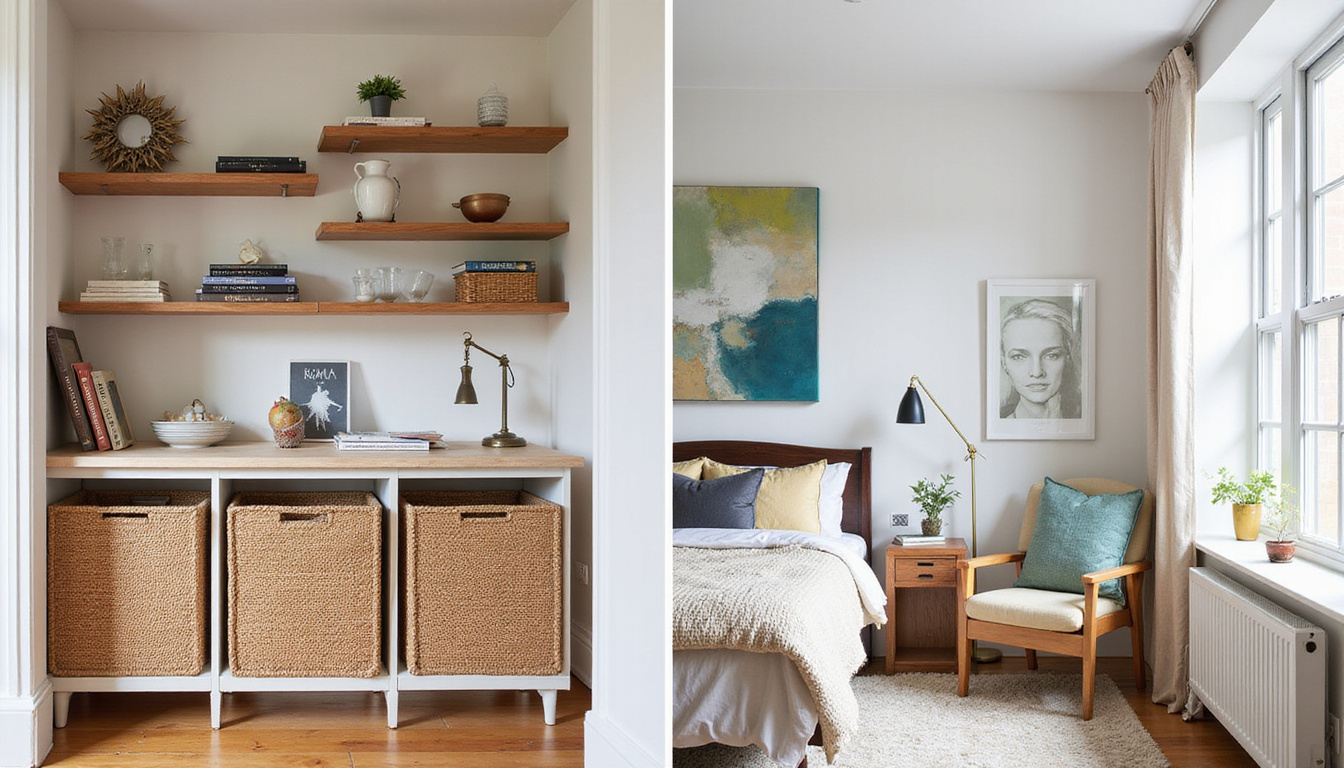
- Books and curated objects on open shelves
These elements make semi-furnished apartments feel like home without altering the structure or provided furniture.
Space-saving and storage hacks
Many semi-furnished units skimp on storage. Smart solutions help you stay organized and stylish.
Consider these functional additions:
- Under-bed storage boxes for off-season clothes or linens
- Over-door hooks for towels, bags, and accessories
- Stackable crates or baskets inside wardrobes to create extra shelves
- Wall-mounted hooks or rails (using removable adhesive where drilling isn’t allowed)
- Nesting tables that can expand when guests visit and tuck away afterward
With these, you maximize function without adding clutter or violating your lease terms.
Negotiating and inspecting semi-furnished apartments
Before signing, protect yourself financially and practically.
Ask for a detailed inventory
Request a written list that covers:
- All furniture items (with quantities)
- Appliances included
- Condition notes (scratches, stains, wear)
Take photos or a quick video walkthrough when you move in, capturing existing damage. This documentation can prevent disputes when you move out.
Clarify responsibilities
Discuss with the landlord:
- Who repairs or replaces included furniture and appliances
- Whether you may move or store any provided items
- Rules about adding shelves, repainting walls, or mounting TVs
Clarifying this early avoids unexpected costs later.
Consider the true cost of “free” furniture
Sometimes, semi-furnished apartments include old, uncomfortable, or bulky pieces. If you won’t actually use them:
- Ask if the landlord can remove specific items.
- If removal isn’t possible, see whether they can be stored in a building storage area.
- Factor potential self-storage fees into your budget if you insist on replacing pieces.
Sustainable choices: save money and the planet
Choosing and styling semi-furnished apartments can be surprisingly eco-friendly:
- Reuse what’s provided instead of buying new.
- Shop second-hand for extra pieces—vintage markets and online classifieds often have bargains.
- Opt for LED bulbs and energy-efficient lamps to cut utility bills.
- Use natural materials (cotton, linen, jute) for textiles; they’re durable, repairable, and age well.
Sustainable decisions often align with budget-friendly ones, especially when you avoid impulse décor purchases that don’t last.
Video: life and costs in semi-furnished homes
If you’re considering a semi-furnished apartment as part of a larger relocation or lifestyle change, it helps to hear from people who’ve already made the move. This video offers an honest take on expectations, costs, and daily life when settling into a new home:
[Things I Wish I Knew Before Moving to Egypt – My Honest Experience](
Even if you’re not moving to Egypt specifically, many of the practical tips about budgeting, setting up a semi-furnished space, and adapting to a new environment apply broadly.
Common mistakes to avoid with semi-furnished apartments
To keep your costs down and style level high, avoid these pitfalls:
Buying everything at once
- Live in the space 2–4 weeks before major purchases. You’ll see what you truly need.
Ignoring measurements
- Measure rooms, existing furniture, and doorways. Oversized items can make an apartment feel cramped and may not fit.
Over-decorating early on
- Start minimal, then add décor slowly. This prevents clutter and regret purchases.
Not reading the lease carefully
- Look for clauses about repainting, mounting items on walls, or replacing damaged furniture.
Forgetting resale potential
- Prefer modular, neutral pieces that are easy to resell if you move again.
Quick checklist for setting up a semi-furnished apartment
Use this simple list to stay organized and budget-conscious:
- [ ] Confirm inventory and take move-in photos
- [ ] Measure rooms and key furniture
- [ ] Set a total furnishing budget (and cap for each room)
- [ ] Prioritize essentials: mattress, seating, lighting
- [ ] Choose a color palette before buying décor
- [ ] Buy textiles (curtains, rugs, cushions) to tie old and new pieces together
- [ ] Add storage solutions: shelves, baskets, hooks
- [ ] Review after 1 month and adjust (sell or donate unused items)
FAQ: Semi-furnished apartment basics
1. What is included in a semi-furnished flat?
A semi-furnished flat typically includes basic fixtures (lights, kitchen cabinets, bathroom fittings) and some furniture, such as wardrobes, a bed frame, or a sofa. The exact list varies by landlord and country, so always request a written inventory and compare it to your needs before signing.
2. Are semi-furnished apartments cheaper than fully furnished?
In most markets, semi-furnished apartments for rent are cheaper than fully furnished units because the landlord provides fewer items and takes on less replacement risk. However, you must factor in your own furnishing costs. For medium- to long-term stays, semi-furnished often offers a better overall value than fully furnished or completely unfurnished options.
3. Is it better to rent a semi-furnished or unfurnished apartment?
It depends on your situation. If you already own furniture or plan to stay for many years, an unfurnished vs semi-furnished unit might make more sense because you’ll fully control the space. If you’re starting from scratch, relocating, or want lower upfront costs, semi-furnished is a practical middle option that reduces both purchase and moving expenses (source: U.S. Department of Housing and Urban Development).
Turn your semi-furnished apartment into a smart, stylish home
Semi-furnished apartments give you a powerful combination of savings, flexibility, and creative freedom. By understanding exactly what’s included, prioritizing your spending, and making thoughtful style choices, you can:
- Avoid large, unnecessary purchases
- Move in faster with less stress
- Build a space that feels genuinely personal and comfortable
If you’re weighing your next move, consider putting semi-furnished apartments at the top of your viewing list. Go in with a clear budget, a simple design plan, and the tips you’ve learned here—and transform a partly furnished shell into a home that reflects your taste, supports your lifestyle, and protects your wallet.