
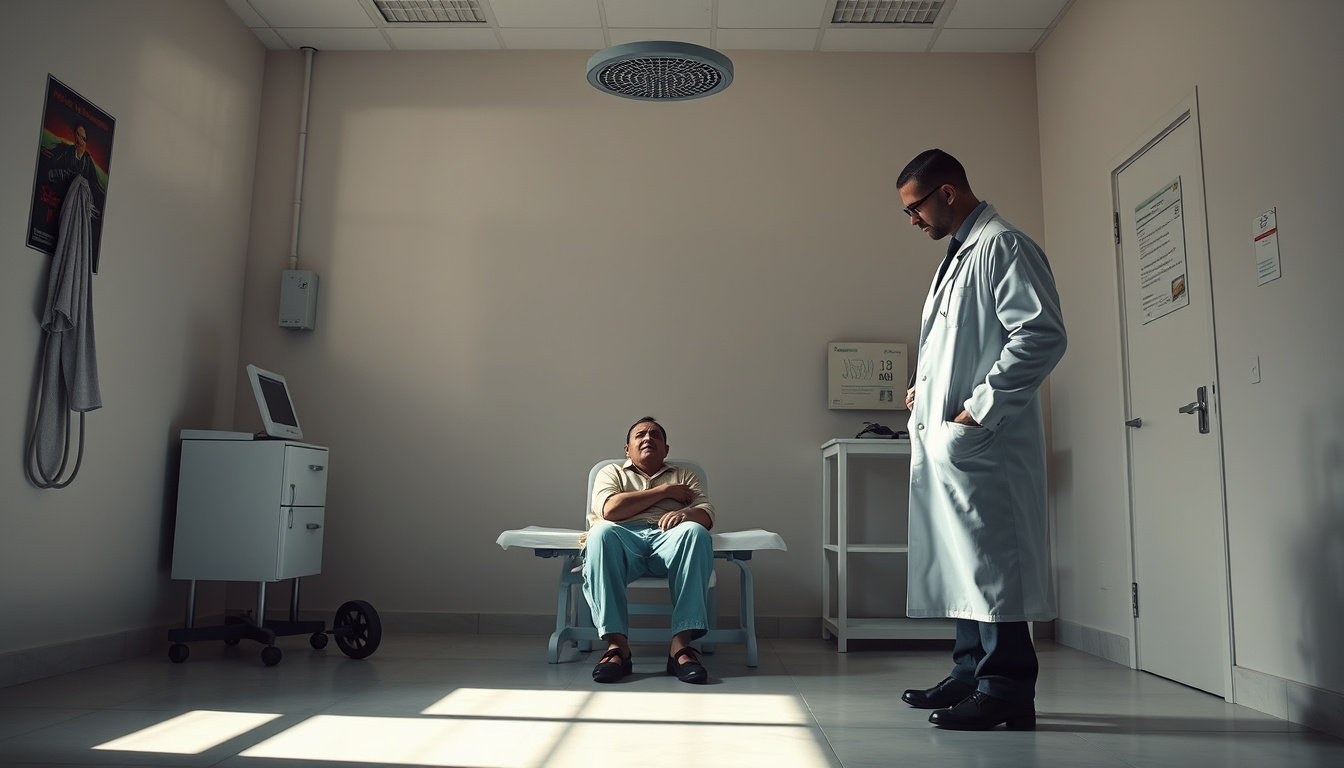
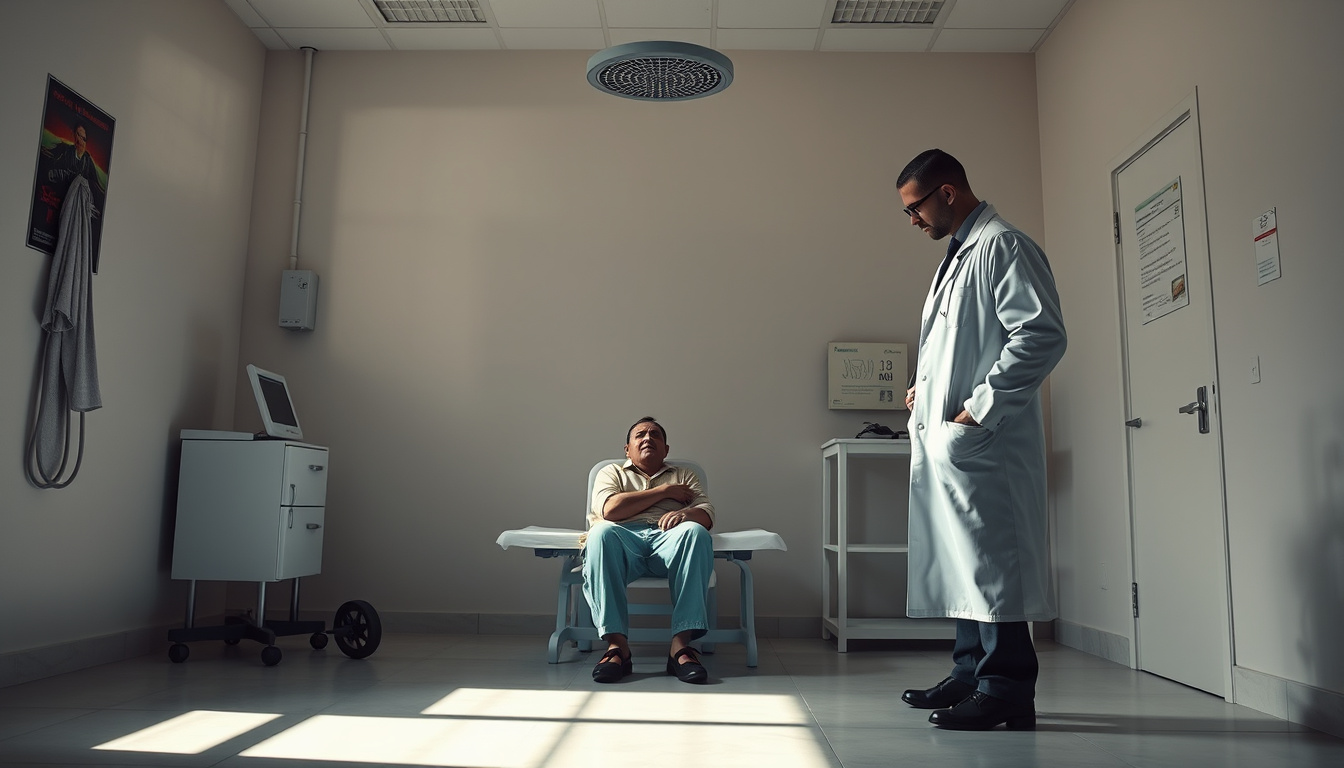
In recent weeks, the medical community in Egypt has been rocked by alarming allegations made by physician and filmmaker Omnia Sweidan regarding widespread abuse at El-Shatby Hospital in Alexandria.
In a candid Facebook post, Sweidan described harrowing experiences of mistreatment during her training in obstetrics and gynecology, bringing to light an unsettling culture of medical abuse that resonates with many women across the nation.
As her testimony sparked national outrage, it also ignited a vital conversation about the treatment of patients, especially women, within the healthcare system.
This article delves into Sweidan’s allegations, the subsequent responses from various stakeholders, and the broader implications for medical professionals and patients alike.
Key Takeaways
- Omnia Sweidan’s testimony sheds light on pervasive medical abuse in Egypt’s healthcare system.
- Social media has become a platform for survivors to share their experiences of medical mistreatment.
- Despite calls for accountability, there remains a tension between patient safety and the defense of medical professionals.
The Allegations and Their Impact
On June 15, 2026, a significant controversy erupted when Egyptian physician and filmmaker Omnia Sweidan alleged severe mistreatment during her time at Alexandria’s El-Shatby Hospital, where she trained in obstetrics and gynecology.
In her compelling Facebook testimony, Sweidan detailed horrific experiences, including instances of sexual assault disguised as medical examinations, physical abuse during childbirth, and the denial of care to rape victims.
Her powerful account highlighted a disturbing culture of abuse within the institution that she claimed left many patients with lasting psychological trauma.
The backlash was immediate; just a day after her post, Sweidan was apprehended by security forces under charges of spreading false news, later released on bail.
The allegations ignited a wave of discussion on social media, with many women courageously sharing their own experiences of medical abuse, exposing an alarming trend.
A fact-checking organization, Matsda2sh, supported Sweidan’s claims, conducting interviews with former staff that uncovered a pervasive atmosphere of verbal abuse and neglect at El-Shatby Hospital.
Nevertheless, some skepticism remained, as critics pointed to Sweidan’s short stay at the facility and her vague recollections, arguing that her views might have been shaped by her limited interactions amid a complex medical environment.
In response, Alexandria University officials announced an investigation, reiterating their commitment to uphold patient dignity.
Conversely, the Egyptian Medical Syndicate defended medical professionals, arguing that no formal complaints had been recorded and warning against sweeping accusations against the healthcare sector.
This incident is reflective of a historical trend of suppression in Egypt towards healthcare workers who voice critiques, underscoring broader issues of patient and staff treatment in the medical system.
Despite growing public outcry and demands for accountability, officials continue to emphasize the necessity of substantiated claims, highlighting the ongoing struggle for justice and reform within Egypt’s healthcare landscape.
Responses and Investigations in the Medical Community
The response from the medical community and broader society to Omnia Sweidan’s allegations has been multifaceted, reflecting the complexity of addressing systemic issues within healthcare in Egypt.
Following her claims, there emerged a collective acknowledgment of the problem, as many women began to confront their experiences, highlighting a significant cultural shift towards discourse on women’s rights and patient safety.
The Egyptian Medical Syndicate’s defense of its members underscores the cautious approach adopted by many within the profession.
Leaders within the syndicate reminded the public of the rigorous standards and ethical obligations required in medicine, aiming to prevent harmful generalizations that could tarnish the reputations of dedicated healthcare providers.
Conversely, Alexandria University’s proactive decision to initiate an investigation demonstrates a recognition of the need for accountability and reform within medical institutions.
This unfolding situation emphasizes the pressing need for an overhaul in medical ethics training and patient care practices, suggesting that a collaborative approach involving both healthcare professionals and patient advocates may be key to fostering a healthier dynamic in Egyptian healthcare.