
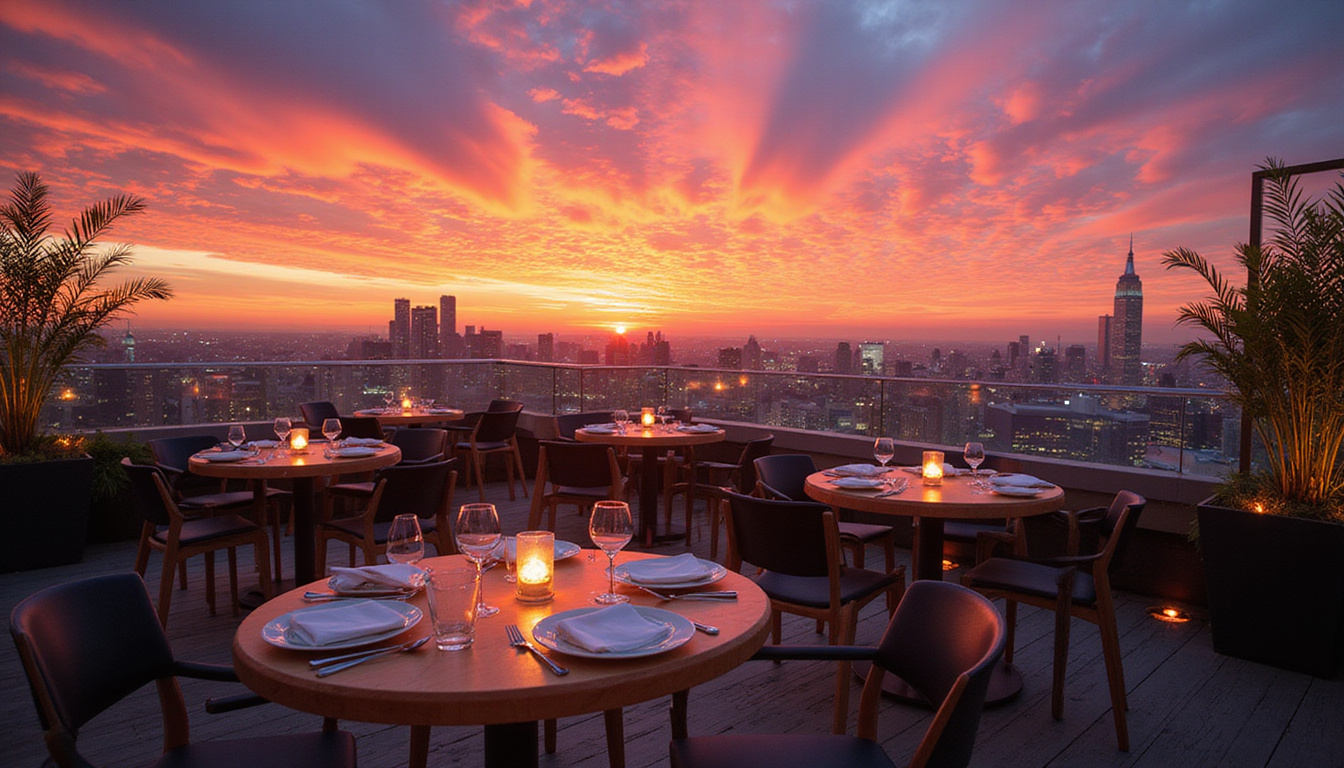
Planning a trip around food is not a task only for chefs or die‑hard food fans. More travelers book stays at Michelin star hotels. These hotels bring top dining with polite service and artful design. If you want a gourmet escape but worry about where to stay, this guide helps you sort out what you need. It explains the Michelin system and lets you check spots, cost, and experiences.
What Exactly Are Michelin Star Hotels?
Michelin gives stars to restaurants, not hotels. The name “Michelin star hotels” stands for hotels that
• Have at least one restaurant with a Michelin star, or
• Stay close to such a restaurant (sometimes the same owner has both).
This mix of great food with high service turns a simple room into a full culinary trip. To review these places, know the basics of Michelin stars.
Understanding the Michelin Stars (and Why They Matter)
Michelin stars work on a scale from one to three:
• One Star – “A very good restaurant in its category”
• Two Stars – “Excellent cooking, worth a detour”
• Three Stars – “Exceptional cuisine, worth a special journey”
(Source: Michelin Guide)
Stars rely on signs such as:
• Fresh ingredients
• Skill in cooking
• Good mix of flavors
• Steady quality over time
A hotel that has a starred restaurant shows food and service at high levels. A star, by itself, does not fit every taste. The goal is to pair the style of the restaurant and hotel with what you like, your funds, and your travel plans.
Step 1: Clarify Your Gourmet Getaway Goals
Before you look at many lists of Michelin star hotels, answer three questions:
What is the main aim of your trip?
– A once‑in‑a‑lifetime dinner?
– A romantic weekend with time at the spa and wine?
– A food tour with several dining stops?How important is the food part of your trip?
– Is the Michelin dinner one part of the trip?
– Or is it the heart of your trip?Who will join you in the trip?
– A solo food escape?
– A couple’s break?
– A family outing?
– A group trip?
Your answers guide you on where to go and what style suits you.
Step 2: Choose the Right Destination
The spot you pick can set your trip apart. Think of the type of trip you want:
Urban Food Capitals
Cities like Paris, Tokyo, London, New York, and Barcelona have many Michelin star choices. These cities mix hotels with fine restaurants.
• Best if you:
- Want to try several starred spots in one trip
- Love art, shopping, and nightlife as well as good food
- Need simple access by airport or train
• Note: City hotels may have small rooms and high prices, but they bring many dining options close by.
Countryside and Wine Regions
In areas like Tuscany, Provence, Napa Valley, or the Douro Valley, small hotels host Michelin star restaurants among vineyards or farms.
• Best if you:
- Crave a calm, scenic break
- Wish to sip wine, ride bikes, or walk in nature
- Love local, seasonal food and a slow pace
• Note: These hotels sit far from city life. You may need a car and have few other dining choices nearby.
Coastal and Island Escapes
Look at the Amalfi Coast, Greek islands, or beach resorts in Southeast Asia that have top restaurants.
• Best if you:
- Want to mix seaside rest with gourmet dishes
- Love fresh seafood or Mediterranean meals
- Plan a honeymoon or a quiet retreat
• Note: Timing matters. Many coastal hotels are busier during peak times, and some restaurants close when off season.
Step 3: Assess the Hotel Experience Beyond the Michelin Restaurant
Not all Michelin star hotels share the same style. Some are large resorts; others are small inns with famous dining. Check on:
Room Types and Comfort
• Room size, view, and layout (for time to relax)
• Bed feel and quiet walls (good sleep after a long meal)
• Extra touches like coffee makers, bathtubs, or patios
Facilities That Lift Out Your Stay
• Spa and wellness – Good to rest after hearty meals
• Pool or beach – Perfect for long trips
• Bar or lounge – For drinks before and after meals
• A good breakfast – A highlight for many guests
Service Style
Some hotels have a formal style with dress codes. Others feel casual and modern. Read guest words to see how the staff:
• Handle special needs
• Manage check‑in/out times and extra food
• Stay warm and ready to help
Step 4: Understand the Restaurant’s Style and Format
A Michelin star does not show every detail of the dinner. Think about:
Cuisine and Concept
• Is it classic French, modern Nordic, Japanese kaiseki, Mediterranean, fusion, or plant‑centered?
• Do you recognize the foods and methods, or want to try new ideas?
• Does the menu use local goods and seasonal picks?
Menu Options and Length
Many hotel restaurants give:
• Tasting menus of 6–15 courses
• À la carte choices (sometimes with fewer options on some nights)
• Lunch menus that cost less and suit a lighter form
Look for if they supply:
• Wine or drink pairings
• Shorter menus if you have little time or need special diets
Ambiance and Dress Code
Check photos and guest words to see:
• Lighting and table distance (intimate vs busy)
• Background sound and overall mood
• What clothes to wear (formal or smart casual)
These details can shape your dinner trip.
Step 5: Budget Realistically (and Strategically)
A gourmet escape with a Michelin hotel may work for many budgets—or be very pricey. Think about:
Key Cost Components
- Room cost – Varies with where, the season, and type
- Dinner cost at the starred restaurant – Fixed menus, drink pairings, extras
- Other meals – Breakfast, room service, or nearby foods
- Travel cost – Flights, trains, transfers, taxis or car hire
- Extras – Spa, tours, wine sips, and tips
Smart Ways to Manage Costs
• Try traveling in a quiet season: Weekdays or shoulder times may have lower prices.
• Pick lunch instead of dinner: Many starred restaurants serve excellent lunches.
• Look at package deals: Some hotels tie room, dinner, and breakfast into one offer.
• Choose one special meal: Eat well at the starred spot and try local spots for other meals.
Step 6: Plan the Logistics Around Your Meal
The details around dinner count in a Michelin level meal.
Booking and Timing
• Book early: Famous restaurants fill up fast.
• Check the schedule: Some close on certain days or in some seasons.
• Plan your trip: Do not plan your big dinner on the day you arrive after long travel.
Pre‑ and Post‑Dinner Steps
• Eat lightly during the day because tasting menus fill you up.
• Arrange spas or strolls so you feel calm and not rushed.
• Have time after dinner to wander, sit in the bar, or simply rest.
Tell the hotel if you have:
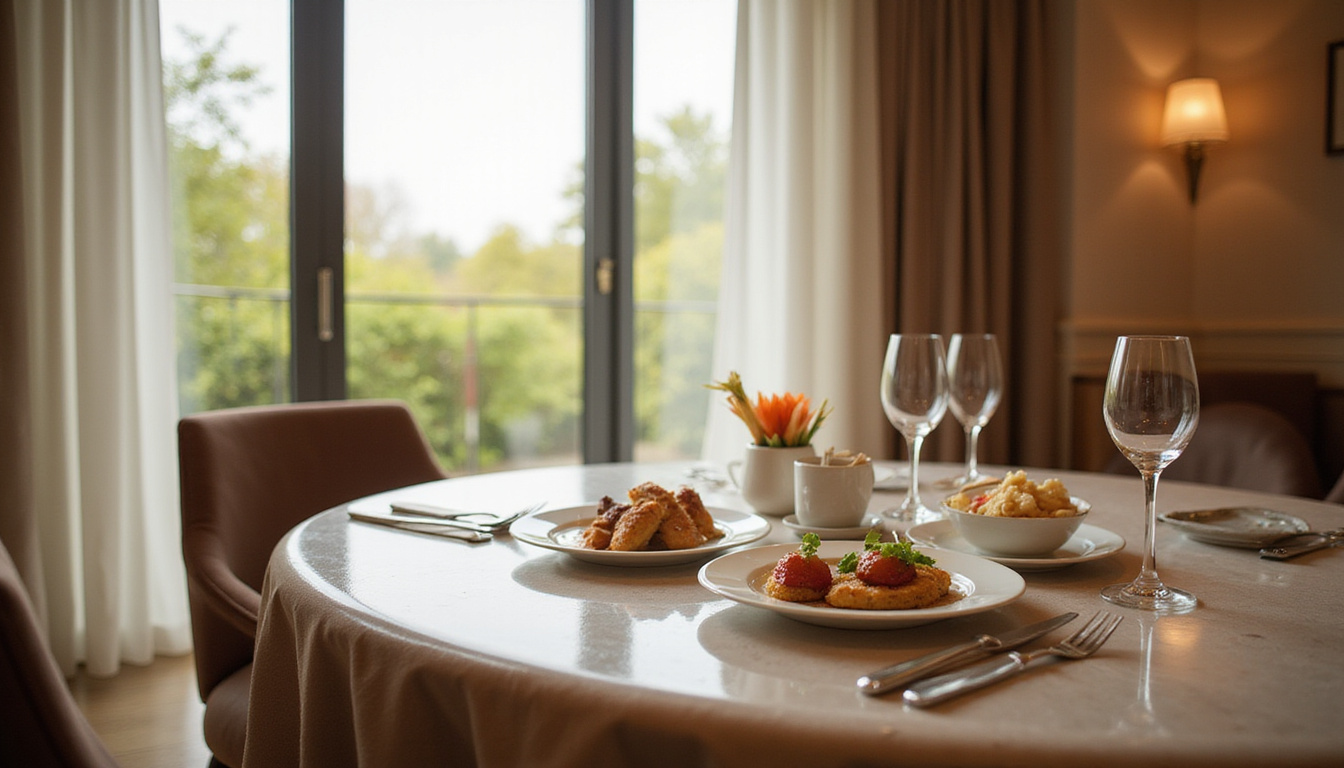
• Any food needs or allergies
• Special days (birthdays, anniversaries, proposals)
• A seat you prefer (quiet spot or a window view)
Step 7: Match the Getaway to Your Travel Style
Travelers seek different things in a Michelin hotel stay. To pick best for you, think about your style:
• The Explorer – Needs a central spot with many dining choices and simple travel. City hotels with several starred options fit best.
• The Romantic – Wants fine views, privacy, and spa time. Rural or seaside retreats with one main restaurant work well.
• The Food‑Obsessed – Plans many starred meals. Pick a place near many top restaurants with help in booking.
• The Easygoing Traveler – Loves great food with small fuss. Choose a hotel with a relaxed starred restaurant or a high‑quality on‑site bistro.
What to Look for in Reviews and Photos
When you check online, look past stars and summer pictures. Read guest words about:
• How strong the overall feel was, not just at dinner
• If the hotel and restaurant felt well joined
• If the experience felt like a good price, looking at the tasting size and drink pairings
• How the team handled problems or special needs
Photos should show:
• How bright the room is and its style (old charm or modern clean)
• The layout of tables, noise levels, and mood in the dining area
• How key dishes are set and how large the portions are
Quick Checklist for Choosing Michelin Star Hotels
Use this list to check your top picks:
- Is the area in line with my trip type (urban, rural, coastal)?
- Do the hotel and restaurant show my style (formal or relaxed, classic or modern)?
- Is there clear info on the type of menu, price, and food needs?
- Are there local sights or events that I enjoy?
- Do the days and season match my travel dates?
- Does the total cost (room, meal, extras) suit my funds?
- Do guest words mention strong service and a memorable trip?
FAQ About Michelin Star Hotel Stays
Q1: Are Michelin star hotels always very expensive?
A: Not always. Many small hotels with a starred restaurant have room costs that can fit a range of funds, especially on weekdays or off‑peak times. Yet, prices can rise in big cities, at three‑star restaurants, or during busy travel times.
Q2: How far in advance should I book a Michelin star hotel and restaurant?
A: In popular spots, book your Michelin star hotel many months ahead if you aim for busy days or holidays. For the restaurant, reserve 1–3 months ahead, depending on its fame. Always check your dinner booking before you finalize non‑refundable travel.
Q3: Can I enjoy a gourmet trip if I have food limits?
A: Yes. Many Michelin star restaurants adjust for allergies or special diets like vegetarian or vegan. Tell the hotel and restaurant early so that the kitchen can plan dishes that keep high quality.
Booking a Michelin star hotel turns a fine trip into an unforgettable one. When your room, place, and restaurant work as one, every stage of your trip fits well—from the first drink to the last bite at breakfast.
If you are set to plan your gourmet trip, start by picking three or four Michelin-connected hotels in the area that feels right. Use the checklist above, read recent guest words, and then fix your dates and dinner booking. Early booking gives you more choice and brings you near to that first tasty bite.