
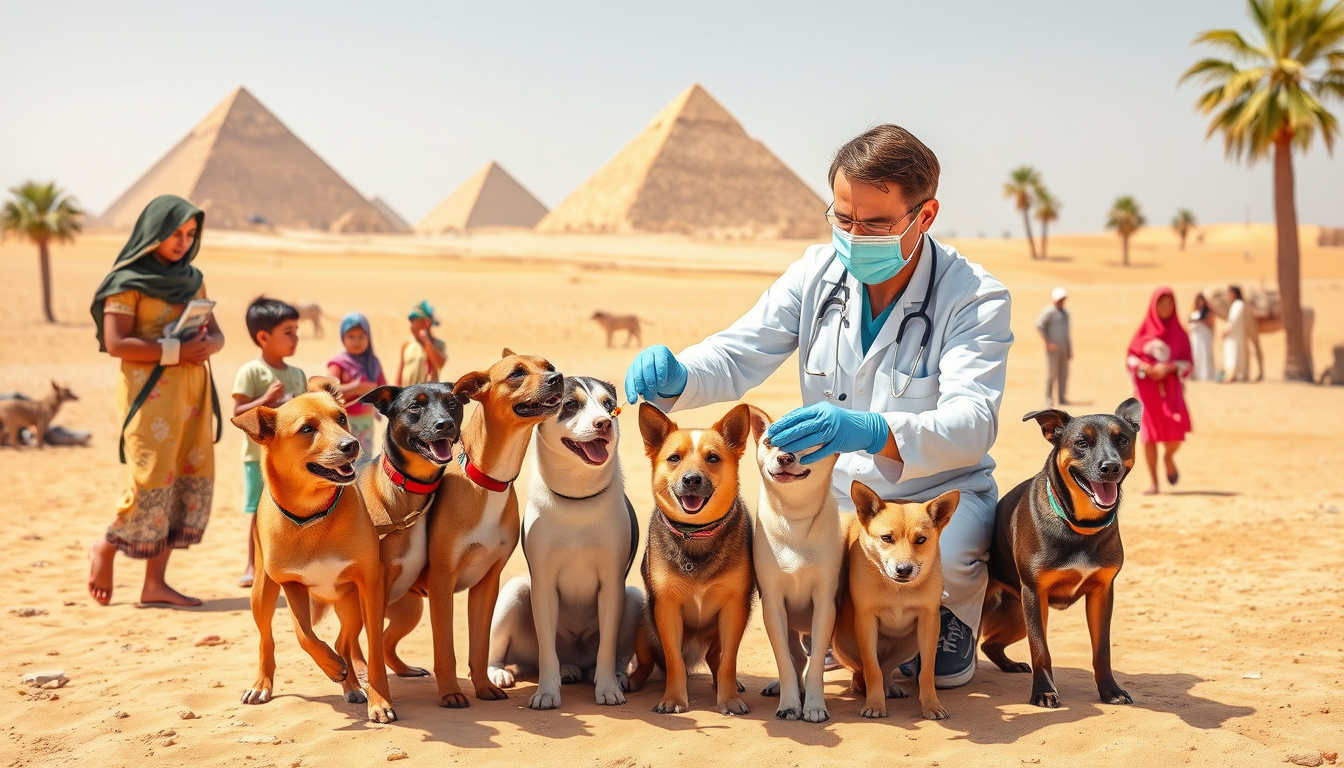
Egypt is stepping up its efforts to tackle the rising population of stray dogs and combat rabies through a new initiative aimed at vaccinating at least 70% of these animals.
Dr.
Hamed Moussa El-Aknes, head of the General Authority for Veterinary Services, emphasized the urgency of this initiative during a recent meeting of the Agriculture and Irrigation Committee of the House of Representatives, led by former minister El-Sayed El-Quseir.
This innovative approach is not only essential for public health but also represents a commitment to improving animal welfare in Egypt.
With an estimated 10-12 million stray dogs across the country, effective management strategies are imperative to address the associated health risks and social implications.
Key Takeaways
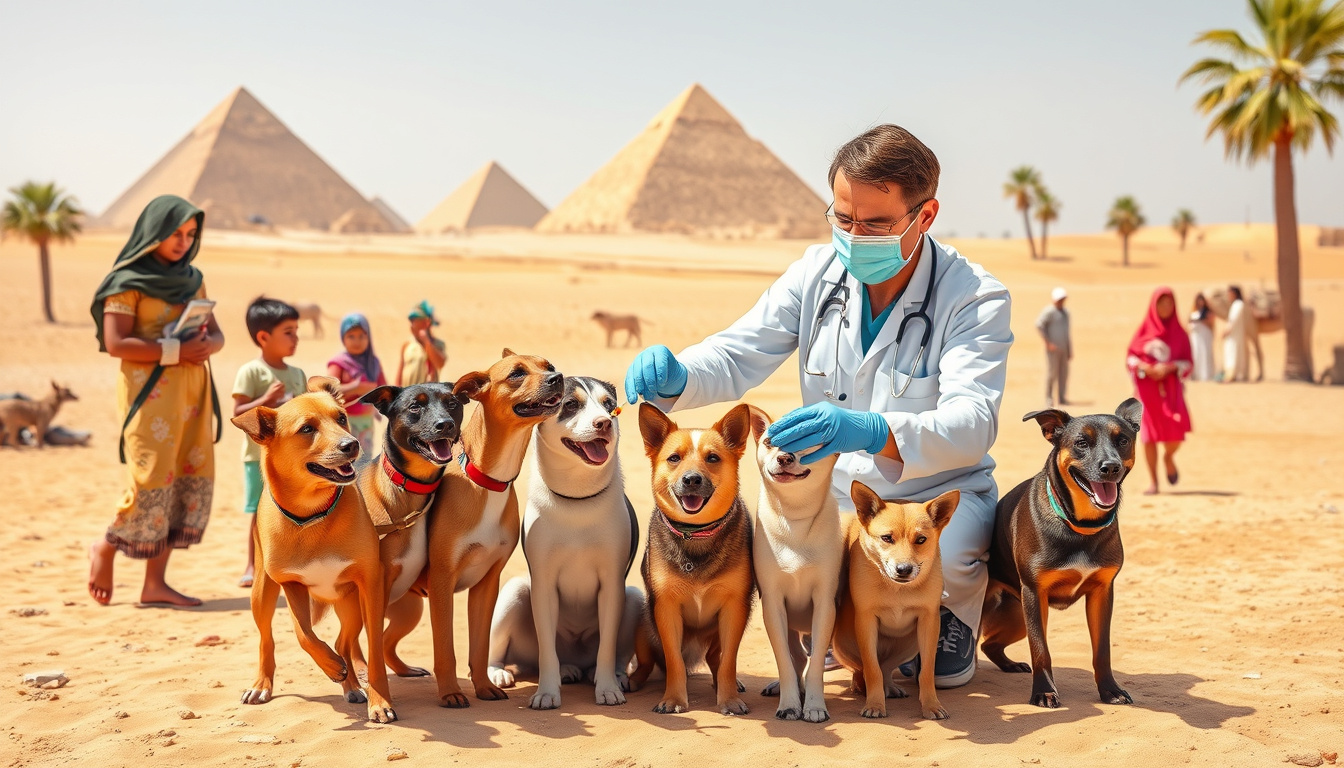
- Egypt aims to vaccinate 70% of its stray dog population to combat rabies and enhance animal welfare.
- The initiative involves a comprehensive strategy that includes humane capture, vaccination, and sterilization of stray dogs.
- Collaboration among various government ministries is crucial for the effective management of the stray dog population.
The Importance of Vaccination in Stray Dog Management
Vaccination plays a crucial role in managing the stray dog population, particularly in Egypt, where the government aims to vaccinate at least 70% of its estimated 10-12 million stray dogs against rabies.
This initiative, led by Dr.
Hamed Moussa El-Aknes of the General Authority for Veterinary Services, represents a shift towards a more scientific and humane approach in handling the issues posed by stray dogs.
During a recent meeting of the House of Representatives’ Agriculture and Irrigation Committee, it was emphasized that outdated methods of population control must be replaced with effective vaccination strategies.
With rabies posing a significant public health risk, achieving a 70% vaccination rate is essential; however, the ultimate goal should be 80% to secure herd immunity within the population.
Dr.
El-Aknes underscored the high reproduction rate of stray dogs, marking the urgent need for systematic measures to curtail their numbers and protect public safety.
Successful pilot programs, such as the one in Ismailia that trained workers in humane capture and handling techniques, are paving the way for nationwide implementation.
Furthermore, the establishment of new shelter facilities across various governorates aims to provide humane alternatives for managing stray dogs.
As of 2026, over 16,000 stray dogs have been vaccinated, and more than 1,600 have been sterilized, marking significant progress in the fight against rabies and addressing the broader challenges of public health and animal welfare.
Comprehensive Strategies for Animal Welfare and Public Health
To successfully address the critical issue of stray dog management, it is essential to adopt a multi-faceted approach that integrates vaccination, humane handling, and public education.
The collaboration among various government ministries is crucial, as tackling this problem cannot rest solely on veterinary services.
By involving local communities, NGOs, and public health organizations, Egypt can foster a broader understanding of responsible pet ownership and the implications of stray dog overpopulation.
Education campaigns can promote the importance of spaying and neutering pets, thus reducing future stray populations while further emphasizing the risks associated with rabies and other zoonotic diseases.
This comprehensive strategy not only prioritizes the welfare of animals but also protects public health, ensuring a sustainable solution to the challenges posed by strays.