
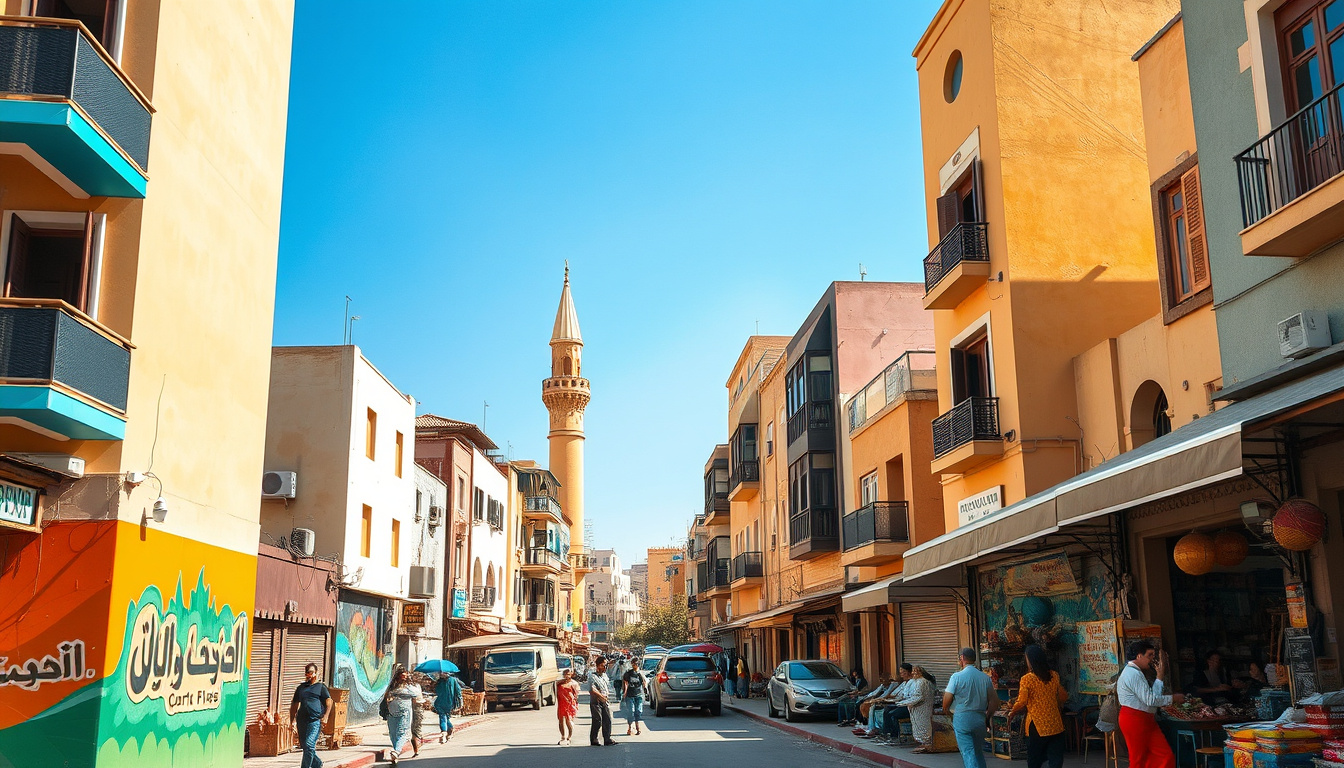
Port Said, often referred to as the ‘Venice of the Desert’ or ‘the Marseille of the Red Sea,’ is a city in Egypt brimming with history and cultural significance.
Nestled at the northern entrance of the Suez Canal, Port Said has historically served as a pivotal trade hub, linking continents and cultures.
However, beyond its strategic position, the city resonates with the memories and stories of its residents, making it not just a location but a vibrant tapestry of shared experiences and cultural heritage.
This article delves into the heart of Port Said’s architectural gems and explores the potential of revitalizing its neglected buildings into thriving centers of cultural tourism, showcasing how initiatives like ‘Two Grandmas, One Table’ can reinvigorate the city’s identity and promote sustainable tourism.
Key Takeaways
- Port Said’s rich history and architecture offer a unique opportunity for cultural tourism.
- Initiatives like ‘Two Grandmas, One Table’ celebrate local diversity and heritage through community engagement.
- Reviving Port Said’s identity can foster sustainable tourism and strengthen local connections to culture.
The Historical Significance of Port Said and Its Architectural Heritage
Port Said, often dubbed ‘the Marseille of the Red Sea’ or ‘the Venice of the Desert,’ stands as a beacon of historical and cultural significance in Egypt.
Located strategically at the entrance of the Suez Canal, this city has long been a pivotal hub for international trade, influencing the tapestry of global commerce and cultural exchange.
However, Port Said is more than just a geographic location; it is steeped in memories, stories of resilience, and a profound sense of belonging for its residents.
The initiative ‘Two Grandmas, One Table,’ co-organized by various cultural organizations, highlights the push to celebrate the city’s rich heritage through diverse storytelling, performances, and culinary experiences.
Mohamed Hassan, the co-founder of StaBene, emphasizes the importance of examining Port Said through a cultural lens, advocating for the renovation of its architectural masterpieces as vessels of memory and reflection.
Since 2014, Hassan has spearheaded efforts to cultivate a vibrant cultural scene that resonates with both locals and tourists, successfully transforming neglected spaces, such as the revival of the historical Cinema Rio, into thriving cultural hubs.
He seeks to reconnect the city’s identity, which shifted towards a more trade-centered focus in the 1970s, thereby diminishing its cultural vibrancy.
Through various initiatives, StaBene aims to safeguard both the tangible and intangible aspects of Port Said’s heritage, creating new cultural spaces for collaboration, workshops, and enhancing tourism.
As Hassan envisions a future of sustainable cultural tourism, the potential to create jobs and connect the youth with their heritage becomes increasingly tangible.
This confluence of history, architecture, and cultural revival paints Port Said not only as a city of the past but as a promising canvas for future creativity and connection.
Cultural Initiatives and the Future of Tourism in Port Said
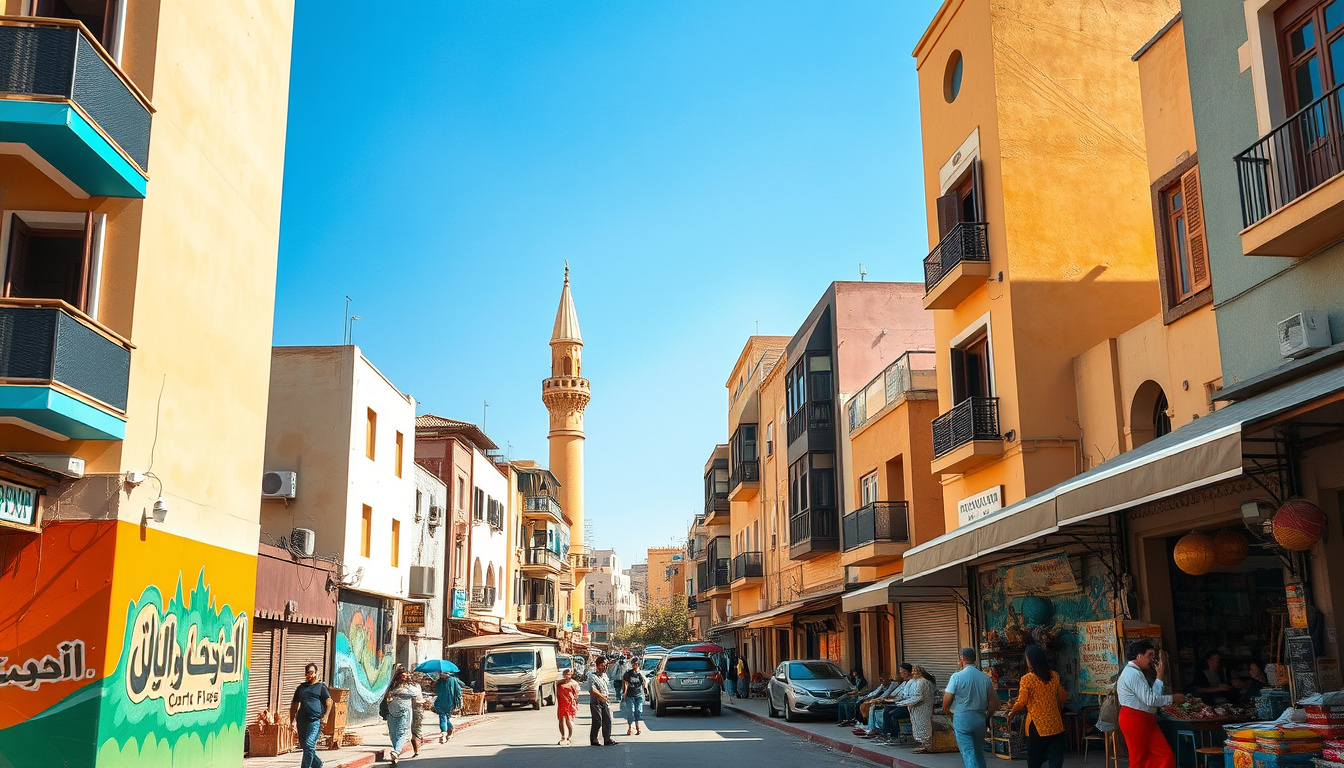
The architectural landscape of Port Said tells a story of its triumphant past, shaped by various historical influences and a diverse population.
As the city moves towards reimagining its abandoned structures, cultural initiatives play a vital role in preserving its unique heritage while promoting tourism.
One notable project is the revitalization of historical sites, transforming them into spaces for art exhibitions, performances, and community gatherings.
This approach not only attracts tourists but also engages local residents, fostering a sense of pride and ownership over their city’s legacy.
Moreover, the inclusion of diverse cultural practices, from traditional crafts to contemporary art, illustrates Port Said’s vibrant artistic scene.
Engaging local artists in the redevelopment process ensures that the cultural offerings resonate with the community’s identity, enhancing the overall tourist experience and establishing Port Said as a premiere cultural destination in Egypt.