
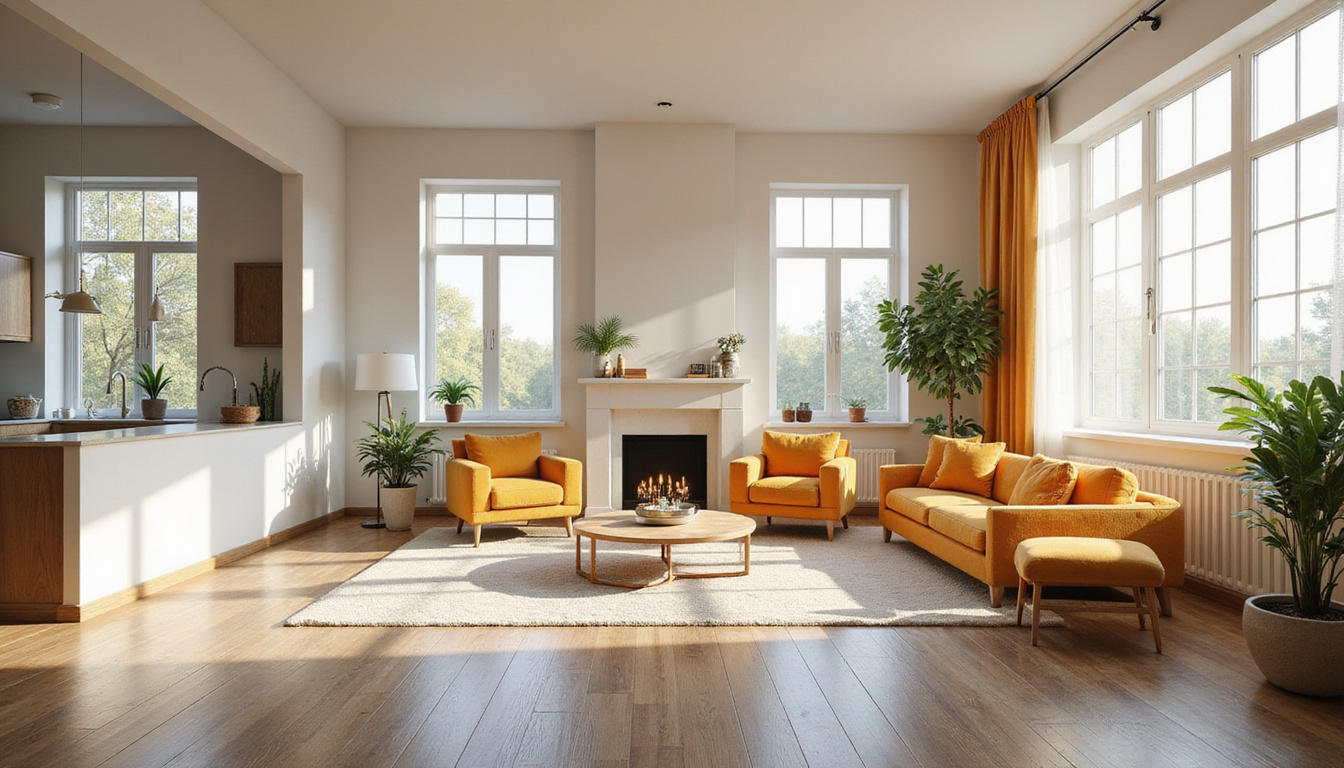
If you want to sell a property quickly and for top dollar, virtual staging is one of the most cost-effective tools you can add to your marketing strategy. Instead of hauling in furniture and décor, you can furnish an empty or outdated space digitally—creating magazine-worthy images that attract more buyers, more clicks, and better offers.
Whether you’re a real estate agent, investor, or homeowner, the right virtual staging hacks can transform lukewarm listings into must-see properties that sell faster and for more profit.
What Is Virtual Staging (and Why It Works So Well)?
Virtual staging is the process of adding realistic, computer-generated furniture, décor, and sometimes even renovations to photos of a property. Unlike traditional staging, it happens entirely on a computer, using specialized software or professional services.
Why buyers love it:
- They can understand room scale and layout.
- They see the property’s full potential, not just an empty shell.
- Styled images stand out online, where most home searches begin.
Why sellers and agents love it:
- Far cheaper than physical staging.
- Faster to implement and easy to update.
- Perfect for vacant, outdated, or tenant-occupied homes.
According to the National Association of Realtors, staged homes can sell faster and may receive higher offers because they help buyers visualize the space as their own (source: NAR Profile of Home Staging).
Hack #1: Start With High-Quality, Thoughtful Photography
Even the best virtual staging can’t fix poor photos. The foundation of powerful virtual staging is clear, well-composed images.
Make sure your before-photos:
- Are taken in landscape orientation, eye-level, and straight on.
- Use natural daylight whenever possible.
- Avoid extreme wide-angle distortion.
- Show the full room, including floor and ceiling for context.
- Are clutter-free—remove trash, personal photos, and obvious mess.
If the property is occupied or messy, consider scheduling dedicated “photo prep” time. Some virtual stagers will remove minor clutter digitally, but the cleaner the starting photo, the more realistic the final result.
Hack #2: Match the Design Style to Your Target Buyer
One of the biggest mistakes in virtual staging is using a generic look that doesn’t match the buyer demographic. The furniture and décor you choose should be strategic, not random.
Think about:
- Location: City condos may call for sleek modern or industrial styles. Suburban family homes often benefit from warm transitional designs.
- Price point: Luxury listings should feature high-end finishes, art, and unique pieces. Entry-level homes can keep it simple and comfortable.
- Buyer profile: Are you targeting young professionals, families, or downsizers? Stage accordingly.
For example:
- A 2-bedroom downtown apartment could be staged with a minimalist sectional, small dining set, and a work-from-home nook.
- A 4-bedroom suburban house might feature a cozy family room, child’s bedroom, and a relaxing primary suite retreat.
The more your virtual staging mirrors your ideal buyer’s lifestyle, the more emotionally engaged they’ll be.
Hack #3: Focus on the Rooms That Actually Sell the House
You don’t need to stage every single room. Focus your budget where it will matter most.
The highest-impact rooms to virtually stage:
- Living room / family room
- Kitchen (and eat-in area if present)
- Primary bedroom
- Bonus: Home office or flex space (post-2020 buyers love this)
Secondary bedrooms, basements, and hallways can often stay empty in the photos, as long as buyers see the key rooms beautifully staged. This keeps your virtual staging costs down while still making a strong visual impression.
Hack #4: Use Virtual Staging to Solve “Problem Rooms”
Every property has at least one “problem” space: small, awkwardly shaped, poorly lit, or functionally confusing. Virtual staging is perfect for this.
Examples of smart problem-solving:
- Oddly shaped room: Show it as a dual-purpose home office and guest room with a daybed and desk.
- Long, narrow living room: Use furniture placement to define separate conversation and TV zones.
- Loft or open space: Create separate living, dining, and workspace areas to showcase versatility.
- Small bedroom: Place a full-sized bed with slim nightstands and vertical storage to prove that it comfortably fits real furniture.
By answering the “How would I use this?” question visually, you remove a huge mental barrier for buyers.
Hack #5: Keep It Realistic—Not “Too Perfect”
Buyers are increasingly familiar with virtual staging, so they’re also skeptical of obviously fake or over-edited images. Your goal is to enhance reality, not to mislead.
To keep your virtual staging believable:
- Use furniture that’s appropriately scaled to the room.
- Match light directions (e.g., if daylight is coming from the right, virtual shadows should match).
- Avoid ultra-glossy surfaces and over-saturated colors.
- Don’t “erase” permanent flaws (like support columns or low ceilings); instead, design around them.
- Show a realistic amount of furniture—don’t overcrowd spaces.
Ethically, you should always label virtually staged photos as such in your listing description and overlays. This protects you and builds trust with buyers.
Hack #6: Choose a Cohesive Color Palette and Style
Disjointed rooms break the illusion of a real, livable home. A big profit-driving hack is to make the entire staged set feel like one thoughtfully designed property.
Aim for:
- A neutral base: whites, soft grays, warm beiges, or light greige walls.
- 1–2 accent colors repeated throughout: e.g., navy and tan, or sage green and black.
- Consistent materials: repeating light wood, black metal, or brushed brass in multiple rooms.
This cohesion makes the home feel larger and more upscale. It also photographs beautifully and appeals to the widest range of buyers.

Hack #7: Highlight Lifestyle, Not Just Furniture
Furniture shows scale, but lifestyle details sell the dream. Small virtual accessories can transform flat rooms into inviting homes.
Examples of powerful lifestyle cues:
- A breakfast tray with coffee and a book on the primary bed.
- A laptop and notebook on a desk to suggest a functional home office.
- A cozy throw blanket and open book on the sofa.
- Simple kitchen styling: fruit bowl, cutting board, and a plant.
- Patio or balcony staged with chairs, a small table, and string lights.
These subtle touches help buyers imagine how they would actually live there—and that emotional connection often leads to stronger offers.
Hack #8: Use Before/After Comparisons in Your Marketing
Don’t just upload staged photos silently. Use them actively in your marketing to wow potential buyers and even win new seller clients.
Ways to leverage before/after comparisons:
- Add side-by-side images in your listing photos.
- Post “transformation” reels on Instagram, TikTok, or YouTube.
- Include them in listing presentations to impress potential sellers.
- Feature them on your website’s “services” or “case studies” page.
A quick, attention-grabbing video or slideshow showing empty vs. virtually staged rooms can dramatically increase clicks and showings. For a sense of how expectations vs. reality can play out when relocating or selling, check out this perspective: [Things I Wish I Knew Before Moving to Egypt – My Honest Experience](
While it’s about moving, not staging, the idea of managing expectations and presenting reality well applies directly to property marketing.
Hack #9: Combine Virtual Staging With Smart Listing Copy
Stunning photos get buyers in the door; strong descriptions get them to the next step. Pair your virtual staging imagery with copy that reinforces what the buyer sees.
Instead of:
“Spacious 3-bedroom home with updated kitchen.”
Try:
“Beautifully presented 3-bedroom home, virtually staged to showcase its open-concept living room, dedicated work-from-home space, and sunlit primary suite overlooking the garden.”
Call out:
- Key staged features (“cozy reading nook,” “entertainer’s dining area”).
- Lifestyle benefits (work-from-home, hosting, family time).
- Design elements buyers love (open concept, natural light, storage).
The words should guide buyers to notice the most desirable aspects already highlighted in your staged photos.
Hack #10: Use Virtual Staging to Test Different Buyer Angles
One underused advantage of virtual staging is flexibility. You can tailor the same space differently to appeal to multiple audiences without moving a single real piece of furniture.
Ideas to test:
- Bedroom vs. office: Show a secondary bedroom as a nursery in one image set and as a dedicated home office in another.
- Formal dining vs. flex space: Stage a dining room traditionally, then as a playroom or library for alternative appeal.
- Short-term rental look: For investors, show how the property could look styled as a furnished rental or Airbnb.
You can then:
- Split-test which images get more clicks or engagement.
- Customize marketing for specific buyer segments (investor packet vs. owner-occupier brochure).
This kind of data-driven presentation can directly support higher offers and faster decisions.
Hack #11: Avoid These Common Virtual Staging Pitfalls
To keep your listing credible and compliant, steer clear of these frequent mistakes:
- Misrepresenting permanent features: Don’t remove power lines, structural beams, or neighboring buildings.
- Changing finishes you’re not actually updating: Don’t replace tile, countertops, or flooring virtually unless you clearly label it as a “virtual renovation concept.”
- Overpromising space: Don’t cram in oversized sectionals or king beds if they wouldn’t realistically fit.
- Skipping the disclaimer: Always note “Photos have been virtually staged” in the MLS and marketing materials.
Transparency is essential. Buyers feel cheated if the home looks dramatically different in person than online. Done right, virtual staging should clarify potential, not hide reality.
Quick Checklist: Getting the Most Profit From Virtual Staging
Here’s a streamlined list you can run through for each listing:
- Capture bright, high-resolution, decluttered photos.
- Identify target buyer type and budget.
- Choose 3–6 key rooms to stage (living, kitchen, primary, office).
- Select a cohesive, neutral design style and color palette.
- Use lifestyle accessories to tell a story.
- Create before/after marketing assets.
- Align listing copy with staged visuals.
- Clearly label all virtually staged images.
- Track which images perform best for future strategy.
Following this checklist consistently can help you sell homes faster and position your brand as modern, tech-savvy, and seller-focused.
FAQs About Virtual Staging
1. Is virtual staging worth it for a small or inexpensive property?
Yes. Virtual staging is often most valuable for smaller or entry-level homes because it:
- Helps buyers understand how furniture fits in tight spaces.
- Makes budget-friendly properties look more inviting and move-in ready.
- Costs far less than physical staging, so your ROI can actually be higher.
Even staging just the living room and primary bedroom can significantly elevate perceived value.
2. How realistic does digital staging need to be?
Effective digital home staging should look realistic enough that buyers don’t question it at first glance. That means:
- Correct furniture scale.
- Accurate lighting and shadows.
- No impossible angles or “floating” items.
It doesn’t have to be perfect, but it should feel like a believable, livable space. Always make sure it clearly reflects the true room size and layout.
3. Can I use virtual home staging for occupied properties?
Absolutely. Many agents use virtual home staging for occupied homes by:
- Photographing rooms when they’re as decluttered as possible.
- Having the editor digitally remove excess items or outdated furniture.
- Replacing them with neutral, buyer-friendly pieces.
Just be transparent in your listing so buyers understand which images show the current condition and which are virtually staged concepts.
Turn Your Next Listing Into a Scroll-Stopping Showcase
In a market where almost every buyer starts online, your photos are your first—and sometimes only—chance to make a great impression. Smart, strategic virtual staging allows you to present any property at its absolute best, highlight its true potential, and stand out in crowded search results.
If you’re ready to sell faster and for more profit, start incorporating these hacks into your next listing. Partner with a reliable virtual staging provider, develop a consistent style that matches your brand, and use your newly elevated visuals across all your marketing channels.
The sooner you start leveraging virtual staging, the sooner your listings can look like the most desirable homes on the market—and that’s exactly where serious buyers are focusing their attention.