
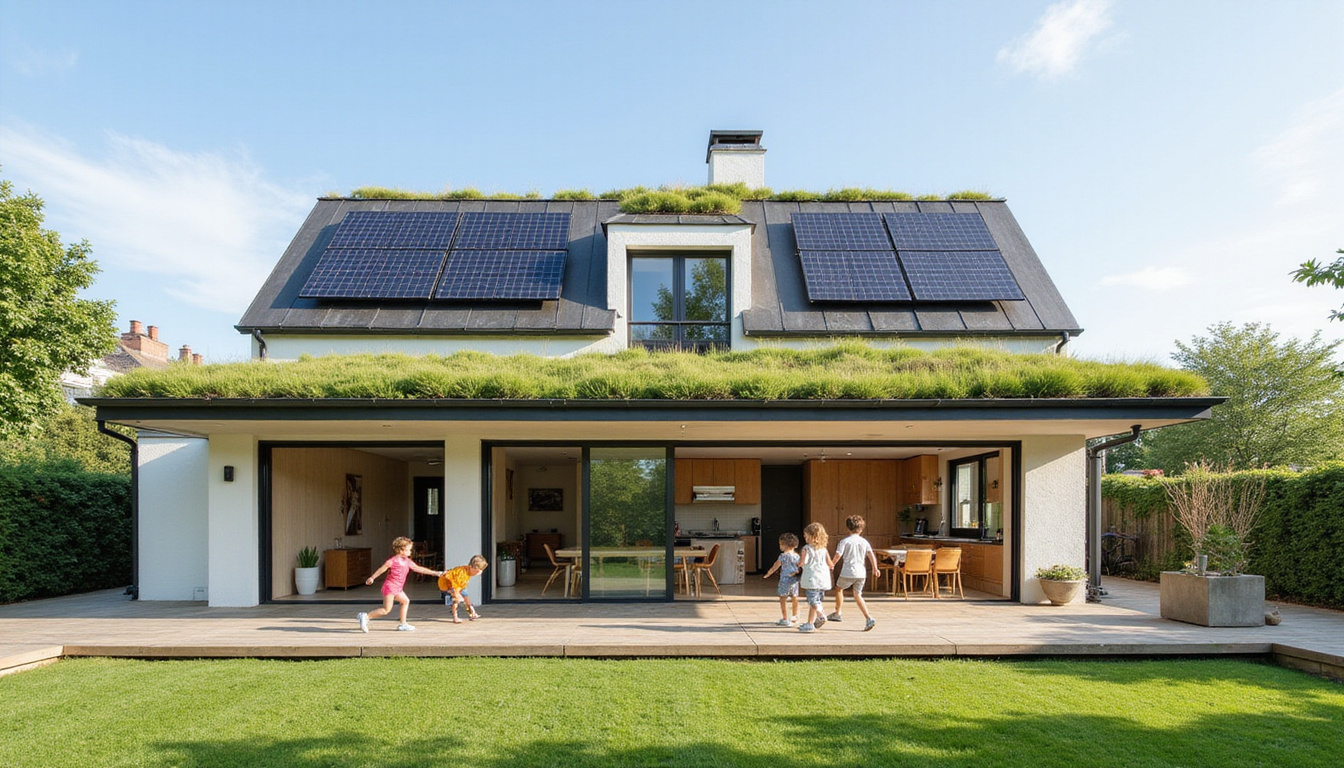
Sustainable homes are no longer a niche idea for eco-enthusiasts—they’re fast becoming the smart, cost‑effective choice for modern families. Whether you’re building from scratch, renovating, or just looking for ways to make your current space greener, understanding what truly makes a home sustainable can help you reduce monthly bills, boost comfort, and increase long‑term property value.
This guide walks you through practical design strategies, realistic cost‑saving tips, and how these ideas apply in climates like Egypt and similar regions, so you can make informed decisions that actually fit your budget and lifestyle.
What is a sustainable home?
A sustainable home is designed, built, and operated to minimize its environmental impact and resource consumption while maximizing comfort, health, and long‑term resilience. In practice, that means:
- Lower energy and water use
- Healthier indoor air
- Durable materials with lower environmental footprints
- Designs that work with the local climate, not against it
Sustainable homes are not always “futuristic.” Many strategies are surprisingly traditional—like thick walls, shaded courtyards, and natural cross‑ventilation—combined with modern technologies such as solar panels and high‑efficiency air conditioning.
Core principles of sustainable homes
Understanding the core principles helps you prioritize what matters most for your family and budget.
1. Energy efficiency first
Before investing in solar panels or high‑tech gadgets, reduce how much energy your home actually needs.
Key elements:
- Insulation and airtightness: Proper roof and wall insulation can cut heating and cooling demand significantly. In hot climates, roof insulation is especially important.
- Efficient windows: Double‑glazed windows, good sealing, and shading devices reduce heat gain and loss.
- High‑efficiency systems: Choose energy‑efficient AC units, fans, and appliances (look for energy labels and ratings).
- Smart controls: Programmable thermostats and timers help you avoid wasting energy when you’re not home.
2. Passive design and climate‑responsive architecture
Passive design uses natural forces—sun, wind, and shade—to keep your home comfortable with minimal energy input.
Examples:
- Orienting the home so main living areas receive good daylight but avoid harsh afternoon sun.
- Overhangs, pergolas, and shutters to block high summer sun while allowing winter sun in cooler regions.
- Cross‑ventilation using windows and openings on opposite sides of a room to catch breezes.
- Thermal mass (e.g., stone, brick) to absorb heat during the day and release it slowly at night, smoothing temperature swings.
3. Responsible material choices
Sustainable homes prioritize materials that are:
- Durable and long‑lasting
- Locally sourced where possible
- Low in toxic emissions (low‑VOC paints, finishes, and adhesives)
- Recyclable or reusable at end of life
In many parts of the Middle East and North Africa, for instance, stone and fired brick remain excellent options due to durability and thermal mass.
4. Water conservation and smart use
Water‑efficient fixtures, smart irrigation, and greywater reuse (where regulations allow) help reduce pressure on local water resources and lower utility bills.
Practical design strategies for modern sustainable homes
You don’t need a huge budget or radical architecture. The key is integrating sensible features from the start—or adding them in smart phases during renovations.
Optimize layout for real family life
Design follows lifestyle. A sustainable home supports how you actually live day to day.
- Flexible rooms: Spaces that can shift from office to guest room or playroom to study help your home adapt as your family grows. This reduces the need for extensions later.
- Compact but efficient footprints: A well‑planned smaller home uses fewer materials, needs less energy, and costs less to maintain than a large but poorly used space.
- Zoning: Group bedrooms together and separate them from noisy living areas. This makes it easier to condition only the areas in use.
Maximize natural light without overheating
Daylight cuts electricity use and improves well‑being, but too much direct sun can make interiors uncomfortably hot.
Practical tips:
- Place larger windows on north and south elevations (in the northern hemisphere) and smaller, well‑shaded ones on east and west.
- Use light shelves, translucent panels, or clerestory windows to bring in soft, reflected light.
- Combine exterior shading (louvers, pergolas, trees) with interior blinds for flexible control.
Design for natural ventilation
Good air movement reduces cooling needs and improves indoor air quality.
- Align windows to prevailing breezes where possible.
- Use operable windows at different heights so hot air can escape high while cooler air enters low.
- Consider ventilated stairwells or lightwells that act like chimneys, drawing hot air upward and out.
Build in storage and organization
Cluttered spaces feel smaller and often lead families to want more square footage than they truly need.
- Integrate built‑in wardrobes, under‑stair storage, and wall niches.
- Plan dedicated storage for sports gear, strollers, or seasonal items.
- Well‑designed storage supports a simpler lifestyle, which often aligns with sustainable choices in other areas.
Cost‑saving tips for building or upgrading a sustainable home
A common misconception is that sustainable homes are automatically more expensive. Some technologies do cost more upfront, but many strategies are either cost‑neutral or actually save money from day one.
Prioritize high‑impact, budget‑friendly measures
If you’re working within a tight budget, start with these:
Insulate the roof and seal air leaks
- Often the fastest payback in hot climates.
- Use appropriate thicknesses based on local energy code or best practice.
Upgrade lighting to LEDs
- LEDs use up to 75% less energy and last far longer than incandescent bulbs.
Choose efficient appliances
- Refrigerators, washing machines, and AC units are the biggest energy users.
- Higher efficiency models often pay back the cost difference in a few years through lower bills.
Install low‑flow fixtures
- Modern faucets, showerheads, and dual‑flush toilets reduce water use without sacrificing comfort.
Use shading strategically
- A well‑placed tree, awning, or pergola over west‑facing windows can cut cooling loads significantly.
Think in terms of life‑cycle cost, not just upfront price
A slightly more expensive material or system can be the cheaper choice over 10–20 years if it:
- Lasts longer with less maintenance
- Uses less energy or water
- Improves comfort, potentially allowing smaller AC systems or less frequent replacement
For example, double‑glazed windows or better insulation might add to initial construction costs but reduce annual cooling and heating bills year after year.
Plan for solar when possible
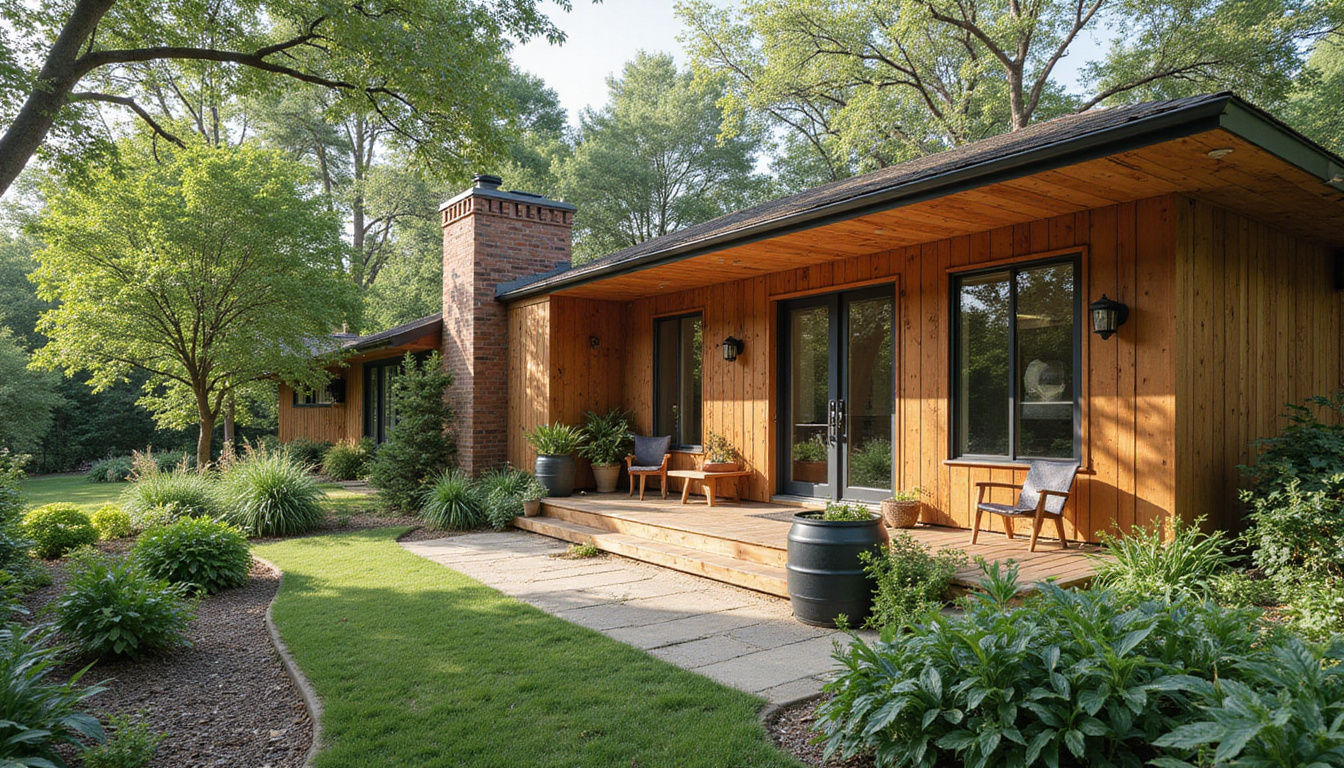
In sunny regions, solar energy is one of the most powerful tools for sustainable homes.
Options:
- Solar water heaters: Often the easiest entry point, reducing electricity or gas use for hot water.
- Solar PV panels: Can offset a significant portion of your electricity consumption, especially when combined with efficiency upgrades.
Check local incentives, feed‑in tariffs, or net‑metering policies; many governments encourage solar adoption through financial support (source: International Energy Agency).
Smart tech that actually helps (and what to skip)
Not all “smart home” features contribute to sustainability. Focus on tech that directly reduces energy or water use or supports maintenance.
Worth considering
- Smart thermostats and AC controllers: Automated schedules, geofencing, and remote control help prevent unnecessary cooling or heating.
- Smart plugs and power strips: Cut phantom loads from electronics on standby.
- Leak detection sensors: Alert you to water leaks early, helping prevent damage and waste.
- Energy monitoring: Real‑time feedback can encourage more mindful usage and highlight inefficiencies.
Often overhyped
- Complex automation for every light or blind if it adds cost without clear savings.
- High‑end gadgets that quickly become obsolete but don’t address core energy or water use.
Start simple, and expand as you see real benefits.
Sustainable interior choices for healthier living
Sustainable homes support physical health as well as environmental health.
Prioritize indoor air quality
- Use low‑VOC paints, adhesives, and finishes to reduce chemical emissions.
- Ensure kitchen and bathroom exhaust fans are vented outdoors.
- Include places for plants (within reason) to improve air quality and comfort.
- Consider a good mechanical ventilation system in tightly sealed homes.
Choose durable, low‑maintenance finishes
- Tile, stone, and high‑quality laminate can outlast cheaper, disposable materials.
- Neutral, timeless designs reduce the need for frequent renovations.
- For families, easy‑to‑clean surfaces reduce the use of harsh chemicals.
Furnish with sustainability in mind
- Favor solid wood or metal frames over disposable particleboard where possible.
- Explore second‑hand or refurbished furniture to reduce waste.
- Avoid heavily treated fabrics where possible; look for quality over quantity.
Adapting sustainable homes to hot, dry climates (like Egypt)
In places with long, hot summers and relatively mild winters, such as many parts of Egypt, some strategies are especially effective:
- Thick, well‑insulated roofs and walls to keep out daytime heat.
- Light‑colored exteriors to reflect solar radiation.
- Courtyards and shaded outdoor areas that create cooler microclimates.
- High ceilings and ceiling fans to enhance natural cooling.
- Night ventilation: opening windows in the evening (when secure) to flush out heat.
If you’re considering a move or long‑term stay, it’s worth hearing real‑life experiences of adapting to such climates and housing styles—this video offers an honest look at everyday life and expectations:
Simple checklist for starting your sustainable home journey
Use this list to decide where to act first:
- Assess your largest utility bills (electricity, water, gas) and identify biggest users.
- Improve insulation and sealing (especially roof, windows, doors).
- Switch to LED lighting throughout the home.
- Upgrade AC units and major appliances when they need replacement.
- Add shading to sun‑exposed windows and outdoor spaces.
- Install low‑flow fixtures and fix any leaks.
- Introduce smart controls for AC and water heating.
- Plan for solar (water heating or PV) as budget allows.
- Use low‑VOC materials for any repainting or renovation.
- Keep track of your bills to measure progress and refine your strategy.
FAQ about sustainable homes
1. What features make a house truly sustainable?
A house is truly sustainable when it significantly reduces energy and water use, uses durable and responsibly sourced materials, supports good indoor air quality, and is designed to suit its local climate. Sustainable homes also consider long‑term operation and maintenance costs, not just initial construction.
2. Are sustainable homes more expensive to build?
They can cost slightly more upfront if you include higher‑performance windows, insulation, or renewable energy systems, but many sustainable homes save money over time through lower utility bills and maintenance. By prioritizing insulation, efficient systems, and simple passive design, you can create a sustainable home without a luxury budget.
3. How can I make an existing house more sustainable?
Start with incremental upgrades: improve roof insulation, seal drafts, switch to LED lighting, replace old AC units with efficient models, add shading, and install low‑flow fixtures. Over time, consider solar water heating or PV panels and choose low‑VOC materials when renovating. These steps can move older properties much closer to modern sustainable homes in performance and comfort.
Build a home that works for your family—and your future
Sustainable homes are not about perfection or expensive technology; they’re about making thoughtful, practical choices that benefit your family now and in the long term. By focusing on energy efficiency, passive design, durable materials, and realistic upgrades, you can create a home that is more comfortable, healthier, and far cheaper to run.
If you’re planning a new build, renovation, or property purchase, now is the ideal time to integrate these ideas. Start with a simple assessment of your current home or design plans, identify two or three high‑impact changes, and put them into action. Over time, each improvement compounds—lower bills, better comfort, and a property that holds its value.
Take the next step toward your sustainable home today: speak with a designer or consultant familiar with climate‑responsive architecture, review your energy and water bills, and map out a phased plan. The sooner you begin, the sooner you and your family will feel the difference.