
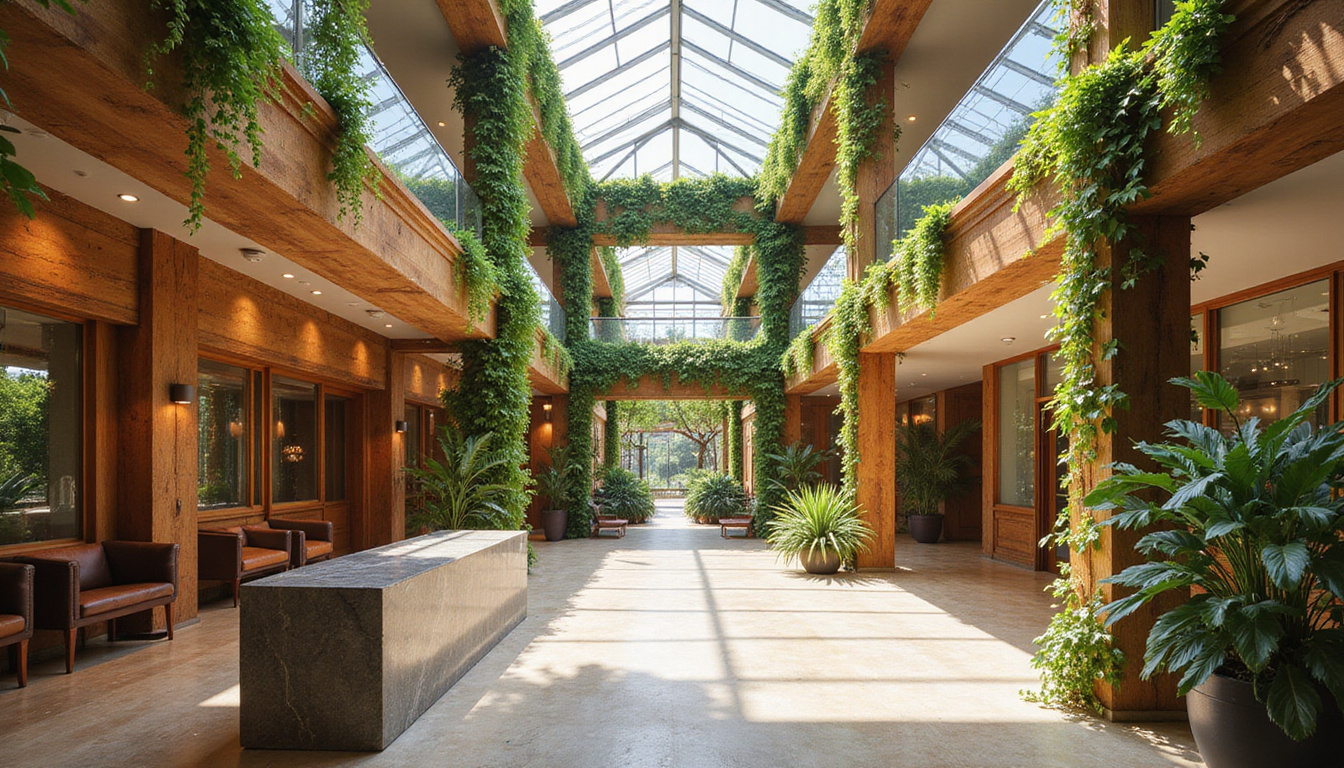
Luxury hotel design now shifts fast. It goes past marble lobbies and rich chandeliers. Today’s guests want rooms that feel rare and kind, neat and mindful. Owners and builders win when each design choice—from the outside to the pillow—is made with care for what comes next.
This article shows how new luxury hotel design changes how guests feel. It also shows how investors and managers can use these ideas to build strong hotels that last.
From “look at me” to “this is for you”: the new face of luxury hotels
Old luxury meant big lobbies, heavy décor, and rich finishes. Today, hotels work to make guests feel at ease:
• Calm, not too busy
• Made for you, not the same for everyone
• Linked to the local town, not cut off from it
High-end travelers now know design well. They see smart room plans, fine materials, and care for nature. They also want privacy, custom touches, and simple tech. All these work best when they join from the start rather than added later.
Experience first: how design shapes every moment of a stay
Hotel design guides each step a guest takes—from check-in to goodbye.
Arrival and sense of place
The start of a stay sets how a guest feels:
• Driveway and drop-off: Green plants, soft lights, and clear signs say “welcome” without shouting.
• Reception zone: Many new hotels swap old desks for relaxed, home-like spaces where check-in happens by tablet or a small counter.
• Connection with the area: Local stone, regional art, and special views tie the hotel to its place. This stops it from feeling like it could be anywhere.
Public spaces as social stages
Lobbies, lounges, and bars now act as places to meet and work. Smart hotel design:
• Forms different spots with chairs, rugs, and lights instead of walls.
• Mixes busy sounds with quiet spots, so one guest can work while another chats in a bar.
• Brings food and drink into the design. This makes guests stay longer and feel good.
Guest rooms as private havens
Room design gives each guest their own calm space:
• Clear parts: Sleep, work, and bath areas stay either apart or artfully linked.
• Soft materials: Natural cloth, pleasing textures, and sound guards keep noise low.
• Small touches: Easy lighting, many power plugs, and smart storage hide clutter and keep must-haves near.
A well-made room calms a guest as soon as they step in. Warm light, balanced sizes, and framed views let eyes rest.
Sustainable elegance: green ideas built in from the start
Green actions are not extra but core to today’s luxury. Many travelers now choose hotels that care for nature. In top hotels, eco care starts at the very idea phase and grows through site plans, building work, and day-to-day tasks.
Passive design and low energy use
Key ideas include:
• Sun control: The building stays cool with smart shade and placement in sunny spots.
• Good windows: Big glass lets in day light while cutting heat loss or gain.
• Air flow: Where it fits, natural breezes mix with energy-saving HVAC systems.
• Smart controls: Built-in systems adjust energy for rooms and service areas.
Materials that care for health and nature
Green style means care for what you touch and breathe:
• Low-chemical paints and finishes keep air clean.
• Wood with safe marks and recycled parts go into floors and furniture.
• Nearby sources cut carbon and help local makers.
• Nature in design brings in plants, textures, and water to lift the mood.
A stone floor with clear lines or a hand-made rug can feel high-end and low stress. Such parts tell a story of local roots rather than show imported excess.
Water and waste that work quietly
Behind the scenes, careful water and waste systems matter:
• Reused greywater helps with plants or even in toilets.
• Low-flow taps keep feel and care with smart design, not heavy force.
• Food scraps and waste sort out in well-planned back areas.
• Kitchens work to cut waste from start to finish.
When these parts join the building and work plans, green care feels like a mark of good quality.
Blending local culture with global luxury
A good hotel feels a deep link to its place. At the same time, it must give the kind of comfort known worldwide. The magic lies in pairing both.
True stories told in design
Hotel design can share local tales without old clichés:
• Building forms echo local shapes—like courtyards or screens—in new ways.
• Art shows bring in local makers instead of using any art.
• Colors and textures come from the land—warm earth tones, soft greens, clear blues, or urban stone.
These choices help guests feel like they stayed in the heart of the town, not just near it.
Global ease set with local art
At the same time, design must meet world rules of ease:
• Good sound privacy in rooms.
• Excellent beds, linens, and dark-out options.
• Steady water pressure and warm flows.
• Easy access in both public areas and guest rooms.
The best hotels mix local charm with steady, top-level ease. This blend wins both vacation and business stays.
Technology that supports without too much show
Tech now joins with luxury hotel design. The best tech stays quiet and helps without being a burden.
Smart rooms with clear controls
Guests ask for:
• Entry by app or keycard-free ways.
• Ability to change lights, shades, room temperature, and entertainment from one clear tool.
• Fast and strong Wi‑Fi all around.
The key is to keep it simple. Too many steps may upset guests; true luxury means a guest can grasp a room’s controls in one look, while a simple, old way stays around.
Data that helps plan spaces
Tech also shapes how spaces work:
• Sensors in rooms adjust HVAC and lights in real time.
• Digital signs help clear clutter from walls.
• Data on guest movement helps shape future changes and spot placement.
When set up with care, tech acts like a quiet helper. It improves ease and smooth work.
Wellness and nature at the heart of design
Wellness now stands in the center of hotel style. It is no longer a side benefit but a main aim.
Whole-body wellness paths
Design for well-being goes far past a spa room:
• Rooms and halls get plenty of natural light.
• Quiet spots help with rest and a break from screens.
• Paths for moving—such as friendly stairways or garden walks—join the layout.
• Air and sound conditions are built into the walls and systems.
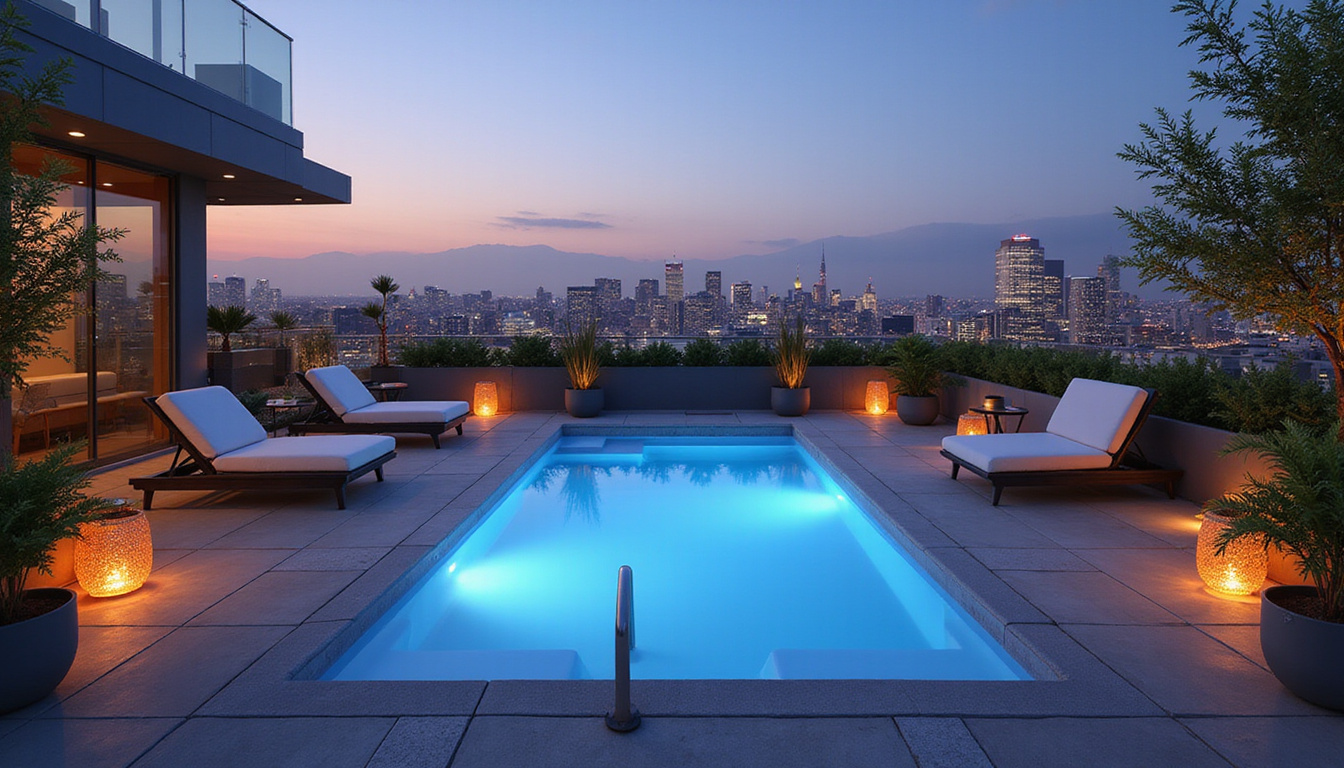
Spas, pools, and gyms turn into true retreats. They often blend indoors with outdoors, use greenery, and favor natural materials.
Nature in design as pure luxury
Nature touches—from green walls and indoor gardens to outside views—help a guest feel calm. Paired with careful details and fine work, these parts bring green style into a form guests see and feel.
Investment view: why good design pays off
For owners and builders, hotel design is more than a look. It is a money plan.
More revenue and better rates
• A unique and well-made design sets a hotel apart. It earns higher room prices and fills more rooms.
• Well-remembered spaces boost food, drinks, events, and more.
• A strong design tale grows a hotel’s name and public praise.
Lower running costs with green care
Good green design gives long-term benefits:
• It cuts energy and water bills.
• Long-lasting parts mean fewer costs to fix up later.
• Built systems help staff work well and cut upkeep tasks.
Over time, these savings can beat the extra cost of planning a quality hotel.
Key ideas of new luxury hotel design
Good projects share these main ideas:
- Experience leads: The whole guest trip matters, not just the room.
- Green and elegant: Care for nature and people weaves from first plan to final work.
- Rooted in place: Rooms show clear ties to local art, crafts, and land.
- Tech that feels human: Tools come in to add ease and smart work without crowding life.
- Wellness as a guide: Air, light, sound, and nature join as chief parts of the plan.
- Smart back work: Service areas and guest routes get as much care as public rooms.
FAQ: What is luxury hotel design today?
Q1: What makes new luxury hotel design unique?
A1: New design puts the guest at the center. It uses fine materials, green plans, and calm tech. It builds ease, a link to the land, and smooth work instead of just rich looks.
Q2: How does green hotel design change how guests feel?
A2: Well-planned design boosts clean air, good warmth, low noise, and rich light. Guests also like to know their stay places less stress on nature, which can grow trust and good views.
Q3: What trends shape the look of future hotel interiors?
A3: Trends include cozy home-like rooms, nature touches, spaces that work for many and small groups, clear smart-room controls, and materials that protect both guests and nature. These mix to form spots that feel personal and kind to nature.
Lift your next property with lasting, green luxury
If you plan, fix up, or change a top hotel, the chance is bright: hotels that join lasting green care with clear style are the ones that stand out and hold on to value.
By choosing rooms built around a full guest trip, smart materials, built-in wellness, and calm but strong tech, you can build a place that earns top rates, wins guest trust, and stays strong in a fast-changing world.
Now is the time to join architects, interior experts, and green design specialists around one view of luxury. One view that gives guests delight, cares for nature, and grows the lasting worth of your asset.