
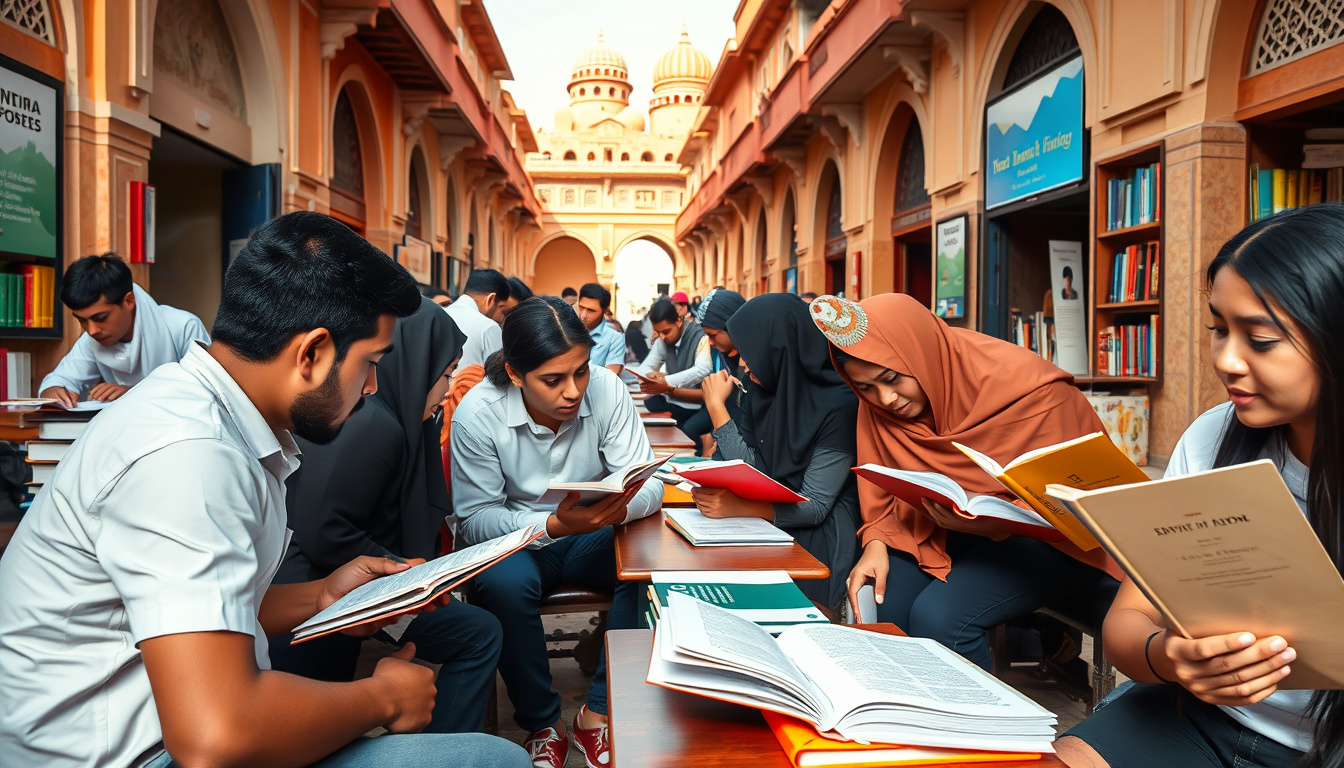
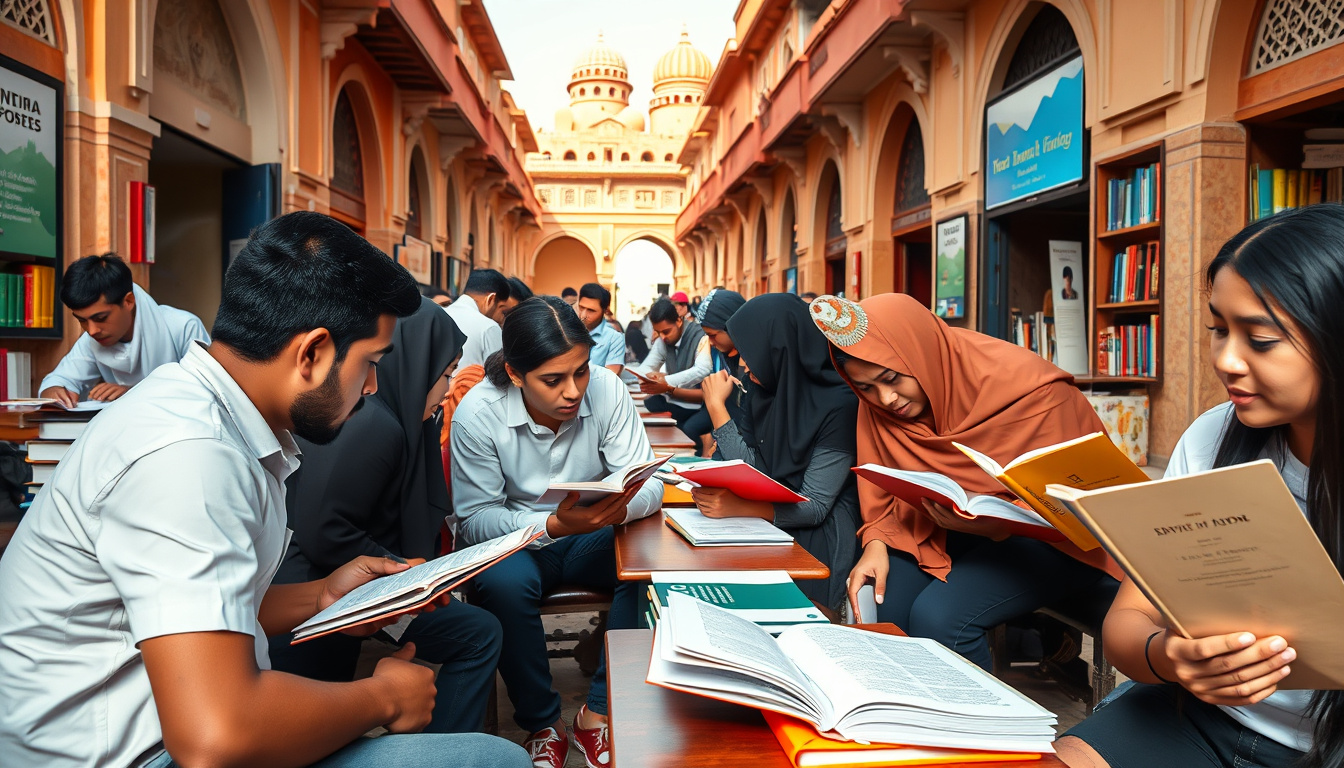
In recent decades, Egypt’s educational landscape has witnessed a drastic shift, marked by the growing importance of private tutoring.
While the government guarantees free public education to all citizens, many families have found that this system often falls short of their expectations.
As a result, private tutoring has emerged as a vital resource for academic achievement, affecting students from various backgrounds.
This article delves into the evolution of private tutoring in Egypt, exploring its causes, implications, and its standing as a cornerstone of the educational journey for students.
Key Takeaways
- Private tutoring in Egypt has transformed into an essential element for academic success due to inadequate public education.
- A significant percentage of students engage in private tutoring, not just those struggling academically, reflecting a wider dependency on supplemental education.
- The financial burden of paying for both public and private education creates substantial inequalities, particularly affecting low-income families.
The Rise of Private Tutoring in Egypt: A Response to Public Education Challenges
In recent decades, private tutoring in Egypt has transitioned from an optional educational supplement to a vital necessity for academic achievement, especially in a system where public education struggles to meet the needs of its students.
The late 20th century marked the beginning of this significant shift, primarily driven by issues such as overcrowded classrooms and the lack of individualized support in public schools.
Many students find themselves at a crossroads during critical academic years, particularly when preparing for the Thanaweya Amma, the national secondary school examination.
In this context, private tutoring emerges as a beacon of hope, providing personalized instruction that is often missing in the public education system.
Statistics reveal that an astonishing 42% to 75% of secondary school students engage in private lessons, a trend that spans across both struggling and high-achieving students.
For many parents, investing in private tutoring is seen as essential—not only to enhance academic performance but also to ensure their children are equipped to compete in an intensively competitive academic environment.
As a result, education has evolved into a complex ecosystem where families often find themselves financially strained, funding both public education and private tutoring expenses.
The rise in private tutoring has birthed a robust informal market characterized by rising costs due to inflation driven by this overwhelming demand for quality education.
This dual expenditure places a significant financial burden on families, particularly those from low-income backgrounds, thus exacerbating educational inequalities.
Furthermore, the relentless emphasis on performance, exam scores, and supplementary learning can foster an environment ripe for stress and burnout among students.
As we look further into the future of education in Egypt, it is apparent that private tutoring will remain a cornerstone of academic life, influenced by ongoing competition, shifting educational methodologies, and economic pressures.
The Financial and Educational Implications of a Shadow Education System
The implications of this shadow education system extend beyond mere academic performance; they affect the educational landscape and social fabric of Egyptian society.
The high demand for private tutoring has created an informal economy where teachers can earn significantly more through tutoring than they do in their official capacity.
This situation not only perpetuates a cycle of dependency but also draws attention to the disparity in earning potential based on one’s affiliation with private or public educational institutions.
For families, particularly those belonging to lower socio-economic strata, the financial burden can be crippling.
Children from these backgrounds might struggle to access additional educational resources, further widening the achievement gap between affluent and underprivileged students.
Consequently, while private tutoring presents a viable pathway for enhancing learning outcomes, it inadvertently reinforces existing inequalities, leading to a systemic issue where academic success becomes increasingly out of reach for those without sufficient financial means.