Understanding tenant rights Egypt is essential if you’re renting a home or commercial space anywhere in the country. Whether you’re an Egyptian citizen or an expat, knowing the basics of your legal protections—and your responsibilities—can save you money, stress, and potential legal disputes. This guide walks you through the practical steps every renter should take, from viewing a flat to handing back the keys.
1. Know the Legal Framework Behind Tenant Rights in Egypt
Before signing any lease, it helps to understand the broad legal context that shapes tenant rights Egypt.
Key laws and regulations
Egypt’s rental relationships are mainly governed by:
- The Egyptian Civil Code
- Various rent laws (especially for older “old rent” contracts)
- Local municipality regulations and, in some cases, special laws for commercial properties
In many modern leases (“new rent”), parties have more freedom to set terms, but those terms cannot override basic protections against fraud, coercion, or clear imbalance.
For an overview of Egyptian civil and housing law, you can refer to the Egypt page on the UN-Habitat or the World Bank’s legal database (source).
2. Step One: Assess the Property Carefully Before You Commit
Your tenant rights in Egypt start before you even sign. What you do during the viewing can prevent major problems later.
Inspect the property in detail
Walk through the unit and pay attention to:
- Structure: Cracks, damp walls, signs of leaks, weak balconies.
- Plumbing: Water pressure, hot water, drainage, and signs of mold.
- Electricity: Test lights, outlets, air conditioners, and breakers.
- Windows & doors: Proper locks, secure frames, and noise insulation.
- Common areas: Elevator conditions, stairwell lighting, security entrance, parking.
Take photos or short videos during the visit—not just for your own memory, but also as potential evidence of the unit’s condition at the start of the tenancy.
Clarify what’s included
Tenant rights Egypt often hinge on what’s explicitly stated:
- Is the flat fully furnished, semi-furnished, or empty?
- Which appliances belong to the landlord (AC units, cooker, washing machine, water heater)?
- Are internet and satellite lines already installed?
- Is there dedicated parking or storage?
Ask the landlord or broker to list all included items in writing and attach this inventory to the contract.
3. Step Two: Verify the Landlord’s Ownership and Authority
One of the most important—and often skipped—steps is confirming that the person renting to you actually has the right to do so.
Documents you should see
Request copies or at least sight of:
- Title deed (or registered contract) showing the landlord’s name.
- National ID (for individuals) or commercial registration and tax card (for companies).
- Any power of attorney if someone else is signing on the owner’s behalf.
If the building is newer or the situation feels unclear, consider asking a lawyer or reputable real estate office to verify the papers for you. This is especially important for foreigners unfamiliar with local bureaucracy.
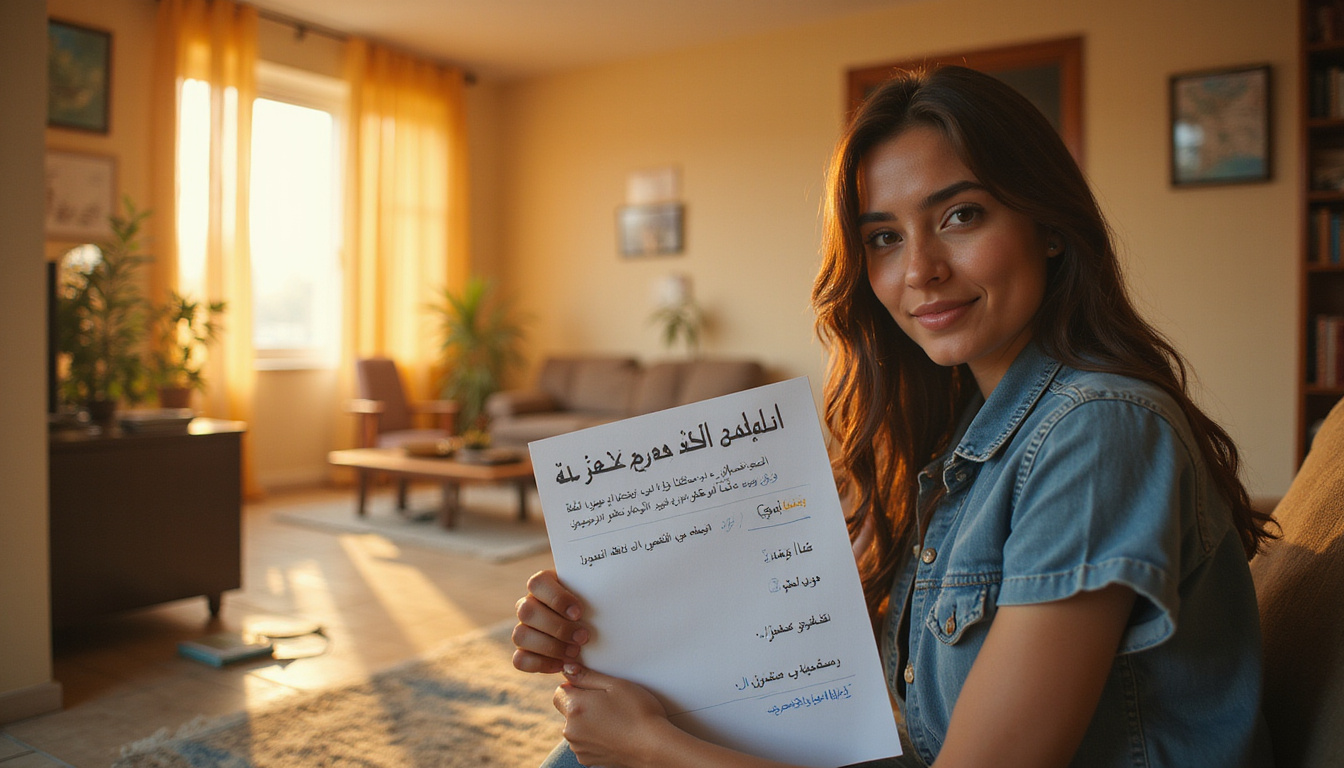
4. Step Three: Read the Contract Like a Lawyer (or Hire One)
Tenant rights Egypt are mainly applied through your lease contract, so never sign without understanding each clause.
Core clauses to check
Make sure your contract clearly lays out:
Parties and property details
- Full names, ID numbers, and addresses of both parties
- Exact apartment number, floor, area in square meters
Duration of the lease
- Start and end dates
- Whether renewal is automatic or requires written notice
- What happens if you stay after the end date
Rent and payment terms
- Monthly rent amount, due date, and payment method (cash, transfer, cheque)
- Annual increase percentage (often 5–10% in modern contracts, but it’s negotiable)
- Penalties for late payment (if any)
Security deposit
- Amount (commonly 1–3 months’ rent)
- Conditions for refund and timeline after you vacate
- Circumstances under which the landlord can deduct from the deposit
Maintenance responsibilities
- Who pays for minor repairs and routine maintenance
- Who covers major structural issues, major plumbing/electricity failures, and building defects
- A clear process and timeframe for the landlord to handle urgent repairs
Utility bills and fees
- Which utilities are in your name (electricity, gas, water, internet)
- Any shared building charges (security, cleaning, elevator, garage, compound fees) and who pays them
Use of the property
- Whether it’s strictly residential or can be used for an office/home business
- Guest rules, subletting, and short-term rentals (e.g., Airbnb)
- Pet policy and noise rules if part of a compound
Early termination and eviction conditions
- Under what conditions each party can break the contract early
- How much notice is required, in writing
- Any penalty or forfeiture of deposit
Never rely on verbal promises
In tenant rights Egypt, judges will look first at the written contract. If the landlord promises something—like repainting, installing an AC, or allowing pets—insist that it be written into the contract or added as a signed annex.
When in doubt, spend a bit to have a local attorney review the contract. That small fee can avoid very expensive mistakes later.
5. Step Four: Protect Yourself on Move-In Day
Your legal starting point as a tenant is the hand-over date. It’s your chance to document the condition of the property and avoid being blamed for old damage later.
Create a move-in checklist
On or before the day you receive the keys:
- Take clear photos and videos of every room, balcony, bathroom, appliance, and any existing damage.
- Read and record meter readings for electricity, water, and gas (if applicable).
- Test all locks and request fixes immediately if any are faulty.
- Ensure all items listed in the inventory are physically present.
Ask the landlord to sign a simple “delivery report” that includes:
- Date of handover
- Meter readings
- Confirmation that you received keys and that both parties agree on the condition of the unit
Keep this document—along with your photos and videos—backed up in email or cloud storage.

6. Step Five: Understand Your Daily Rights and Responsibilities
Tenant rights Egypt are not just about protecting you from a bad landlord; they also include your responsibilities as a renter.
Your key rights as a tenant
In a typical modern lease, you should reasonably expect:
- Privacy and quiet enjoyment of the property without harassment. The landlord cannot enter your apartment at will; visits should be by prior agreement except in genuine emergencies.
- Safe and habitable conditions, including structurally sound premises and access to essential utilities.
- Advance notice for rent increases or major changes. Sudden, arbitrary increases mid-contract are usually not enforceable if not clearly allowed in the lease.
- A lawful eviction process. The landlord cannot “self-evict” you by cutting utilities, changing locks, or removing your belongings without a court order.
Your main obligations as a tenant
To protect your position, you should:
- Pay rent on time and keep receipts or bank confirmations.
- Use the property as agreed (residential or commercial) and avoid illegal activity.
- Take reasonable care of the unit and avoid causing damage beyond normal wear and tear.
- Notify the landlord promptly in writing of major problems (leaks, dangerous electrical issues, structural cracks).
- Follow building rules about noise, garbage, and use of common spaces.
7. Step Six: Handling Repairs, Disputes, and Unfair Treatment
Conflicts over repairs, deposits, or sudden demands are common. Knowing how to respond can make the difference between a minor headache and a serious legal issue.
Repairs and maintenance disputes
If the landlord is slow to act on serious issues:
- Notify in writing (WhatsApp, SMS, and email if possible) describing the problem and requesting repair by a specific date.
- Keep photos, videos, and any expert reports if the issue worsens.
- If you must fix an urgent issue yourself (e.g., burst pipe), keep invoices so you can claim reimbursement or negotiate against future rent.
Dealing with deposit disputes
To protect your deposit:
- Avoid making structural changes without written consent.
- Undo any temporary modifications (e.g., shelves, paint colors) if required by the contract.
- Request a pre-move-out inspection a week or two before leaving so you can fix minor issues.
- On move-out day, take new photos and videos mirroring your move-in documentation.
If the landlord refuses to return your deposit without valid reason, you may have grounds to claim it through local courts or mediation, especially if your contract and documentation are strong.
When eviction is threatened
If you receive a serious written warning or legal notice:
- Do not ignore it. Respond in writing, calmly presenting your position.
- Gather all your documents: the lease, receipts, chat logs, photos.
- Consult a lawyer familiar with tenant rights Egypt to understand whether the eviction grounds are lawful and what options you have.
8. Step Seven: Special Considerations for Expats Renting in Egypt
For foreigners, everything above applies, but there are extra points to consider.
Language and translation
- Always insist on a contract in Arabic, as this is what courts will rely on.
- If you’re not fluent, get a certified translation or have a trusted bilingual lawyer or friend review it with you.
- Never sign something you don’t fully understand because “this is standard.”
Practical tips from other expats
Many expats in Egypt share similar experiences around deposits, building management, and expectation gaps. This video, “Things I Wish I Knew Before Moving to Egypt – My Honest Experience,” provides a useful real-life perspective:
Listening to others’ stories can help you avoid repeating the same mistakes.
9. Simple Checklist: Essential Steps for Protecting Your Tenant Rights in Egypt
Use this quick list as a reference before and during your tenancy:
- Verify the landlord’s ownership and ID.
- Inspect the unit thoroughly; document everything.
- Ensure the lease clearly states duration, rent, deposit, and maintenance duties.
- Get all promises in writing—no exceptions.
- Record meter readings and sign a handover report with the landlord.
- Pay rent through traceable methods and keep all receipts.
- Communicate repair requests and disputes in writing.
- Take photos/videos on move-in and move-out days.
- Seek legal advice quickly if you face threats of eviction or major disputes.
FAQ About Tenant Rights in Egypt
1. What are basic tenant rights in Egypt regarding rent increases?
In most modern (“new rent”) contracts, any rent increase must be clearly stated in the lease, often as a fixed annual percentage. Landlords generally cannot raise the rent arbitrarily during the contract period unless the contract allows it and you have agreed by signing.
2. Can a landlord in Egypt evict a tenant without going to court?
Under Egyptian law, landlords typically must follow the legal process, which usually involves court action, to remove a tenant who refuses to leave. Actions like cutting utilities, changing locks, or removing belongings without legal procedure can be challenged as unlawful.
3. How can I protect my rights as a tenant in Egypt if I don’t speak Arabic?
Use a bilingual contract or have a certified translation prepared, and always consult a lawyer or trusted Arabic-speaking advisor before signing. Keep all communications and receipts organized; strong documentation helps enforce your tenant rights in Egypt even if you’re not fluent in the language.
Take Control of Your Renting Experience in Egypt
Renting in Egypt doesn’t have to be risky or confusing. When you understand tenant rights Egypt and follow the essential steps—verifying ownership, insisting on a clear contract, documenting the property’s condition, and keeping written records—you dramatically reduce the chances of unpleasant surprises.
If you’re planning to rent or renew a lease soon, now is the time to act: review your current or future contract, list any unclear clauses, and get professional advice where needed. Taking these steps today will give you the confidence to negotiate fairly, stand your ground when necessary, and enjoy your home in Egypt with real peace of mind.