
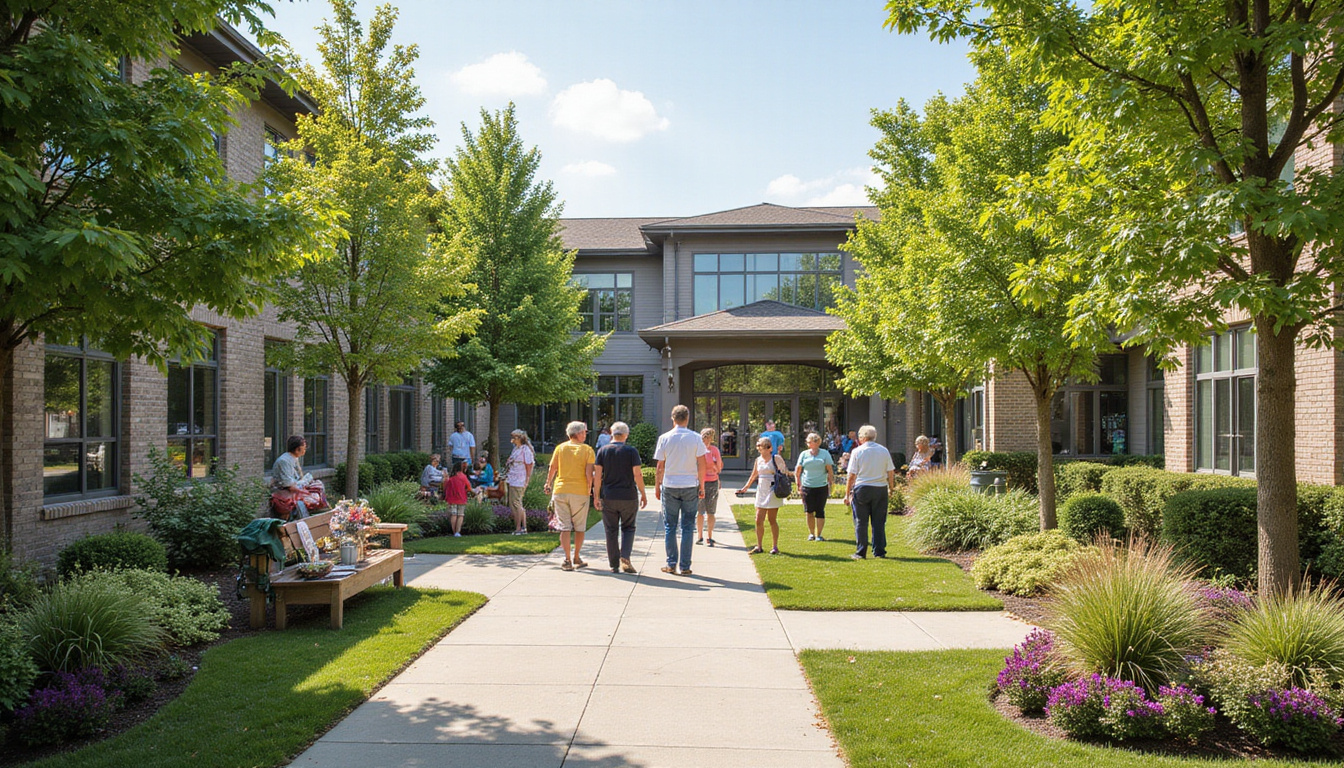
Choosing between different retirement homes is one of the most important lifestyle decisions you’ll make for your later years. Whether you’re planning ahead or ready to move soon, the right community can give you comfort, independence, social connection, and peace of mind—while the wrong fit can feel isolating or restrictive.
This guide walks you step-by-step through how to evaluate retirement homes, what questions to ask, and how to align your choice with your health, budget, and lifestyle goals.
1. Understand What “Retirement Homes” Really Means
“Retirement homes” is a broad term that can describe several types of senior living communities. Before you begin touring places, get clear on what level of support you actually need—now and in the future.
Common Types of Retirement Communities
Independent Living Communities
For active, self-sufficient adults. You typically get a private apartment or villa, shared amenities, housekeeping, and social activities—but no hands-on medical care.Assisted Living Facilities
Ideal if you need help with daily activities such as bathing, dressing, or managing medications. Staff is available 24/7, but residents still enjoy a relatively independent lifestyle.Continuing Care Retirement Communities (CCRCs)
Offer multiple levels of care (independent, assisted living, and nursing care) on one campus. You can “age in place” without relocating as your needs change.Memory Care Communities
Specialize in care for residents with Alzheimer’s or other forms of dementia. They provide secure environments, structured routines, and specially trained staff.Skilled Nursing / Nursing Homes
Provide the highest level of medical and personal care outside a hospital. Suitable for complex health needs or long-term rehabilitation.
Start by asking: Where am I now on this spectrum—and where might I realistically be in 5–10 years?
2. Clarify Your Lifestyle and Priorities
The best retirement homes aren’t just about care levels—they’re about how you want to live day-to-day.
Key Lifestyle Questions
- Do you prefer city life, suburbs, or a quieter rural setting?
- How important is family proximity? Are you willing to move cities or countries?
- Do you want a large, busy community or a smaller, more intimate one?
- Are you looking for cultural and educational activities, or more peaceful downtime?
- Do you want a pet-friendly community?
- Is access to nature, gardens, or walking paths important?
It can help to create a simple list with three columns:
- Must-haves
- Nice-to-haves
- Deal-breakers
Use this list when touring and comparing retirement homes, so you stay grounded in your real priorities instead of being swayed by flashy extras you may never use.
3. Location: More Than Just a Pin on the Map
Location affects cost, quality of medical care, climate, and how often loved ones can visit.
What to Look At in Location
Proximity to Family & Friends
Frequent visits are easier if you’re within a reasonable drive or short flight.Nearby Healthcare
Check distance to hospitals, clinics, and specialists. For chronic conditions, proximity to a good hospital network matters (source: U.S. Department of Health & Human Services).Climate & Environment
Consider your tolerance for heat, cold, humidity, or pollution. Think about joint pain, respiratory issues, or sun sensitivity.Safety & Neighborhood
Review local crime statistics, walkability, and general cleanliness of the surrounding area.Access to Amenities
Is there quick access to supermarkets, pharmacies, cafés, religious centers, and cultural venues?
If you’re considering a move abroad for retirement (for example, to lower-cost destinations or warmer climates), watch first-hand experiences such as “Things I Wish I Knew Before Moving to Egypt – My Honest Experience”:
Hearing real stories can clarify what kind of environment you’d truly enjoy.
4. Care, Services, and Medical Support
Even in independent retirement homes, it’s wise to plan ahead for health changes.
Evaluate Current and Future Care
Staffing Levels
Ask about staff-to-resident ratios, especially during nights and weekends.On-Site Medical Support
Are there nurses or doctors on site? Is there an on-call physician? How are emergencies handled?Personal Care Services
What support is available for bathing, dressing, toileting, and mobility? Can services be added gradually, or is it all-or-nothing?Medication Management
Who handles medications? Are there systems to prevent missed or double doses?Memory Care Pathways
If there’s any family history of dementia, ask whether the community offers memory care or partners with one nearby.Rehabilitation & Therapy
Are physical, occupational, or speech therapy services available on site or via regular visits?
Don’t just ask whether services exist; ask how quickly they can ramp up care if your needs change suddenly.
5. Costs, Contracts, and Financial Planning
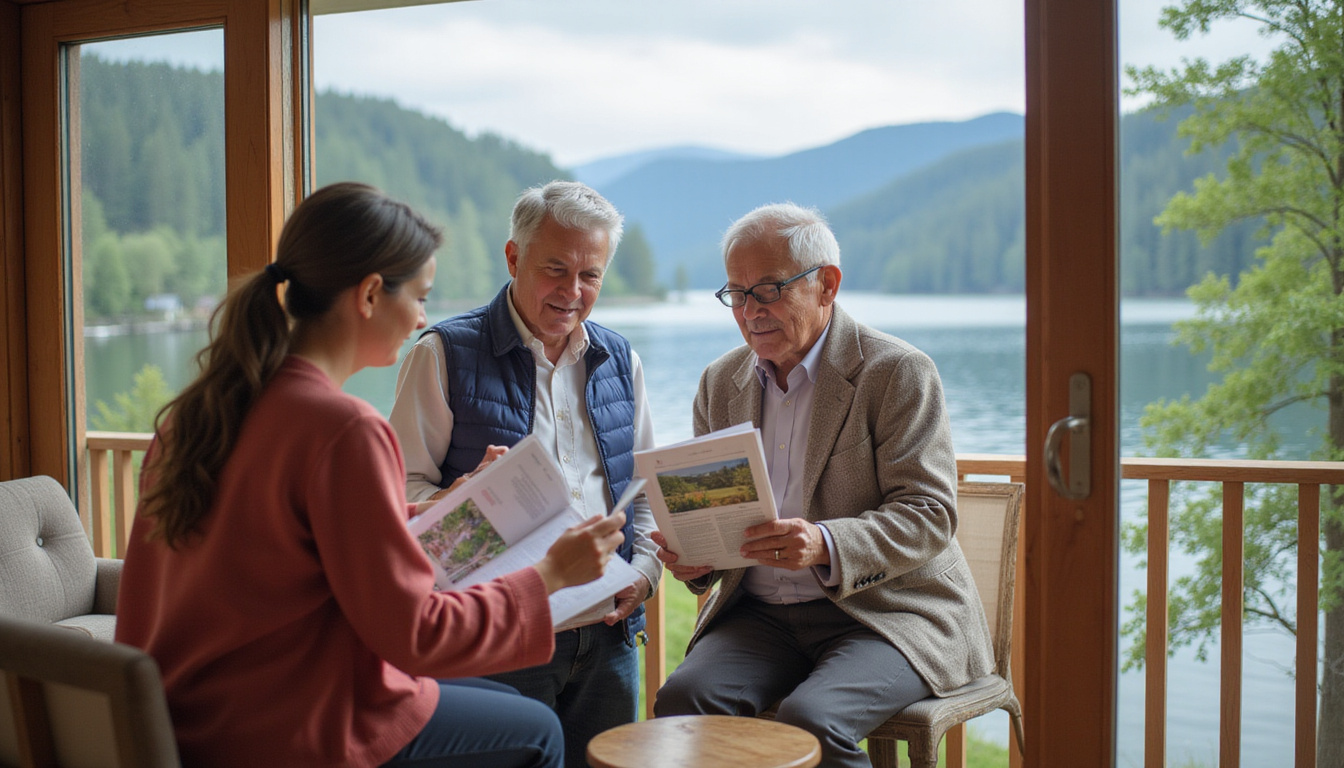
Retirement homes vary hugely in pricing and contract models. Transparency is crucial.
Common Cost Structures
Monthly Rental Model
Pay a monthly fee that may include housing, meals, utilities, activities, and some care.Entrance Fee + Lower Monthly Fees (Typical of CCRCs)
A large, often partially refundable upfront payment plus smaller monthly fees.A La Carte Services
Base rent plus add-ons like extra housekeeping, extra meals, or personal care hours.
Questions to Ask About Money
- What exactly is included in the basic monthly fee?
- What extra fees might arise (laundry, transportation, cable/internet, additional care)?
- How often do rates increase, and by how much historically?
- Are there refunds on entrance fees if you move out or pass away?
- What happens if you outlive your savings? Is there a benevolent fund or financial assistance policy?
- Are there any penalties for ending the contract early?
Work with a financial planner if possible to project 10–20 years of costs, including potential increases in care needs.
6. Amenities, Activities, and Social Life
The social and emotional environment in retirement homes can be just as important as physical comforts.
Look for Genuine Engagement, Not Just a Brochure
Activity Calendar
Ask for a recent monthly schedule. Are activities diverse (educational, fitness, arts, games, outings) and well-attended?Fitness & Wellness
Check for gyms, pools, walking paths, group classes (yoga, tai chi), and wellness programs.Cultural & Spiritual Life
Are there lectures, concerts, religious services, or cultural groups that matter to you?Common Spaces
Are lounges, libraries, gardens, and dining areas inviting—and actually used?Intergenerational Programs
Some retirement homes partner with schools or volunteer groups, which can be very enriching.
While touring, quietly observe: Are residents smiling and interacting? Do staff call residents by name? Is there laughter, or does it feel silent and institutional?
7. Safety, Security, and Accessibility
Your chosen retirement home should support independence while minimizing risk.
Safety Features to Check
Building Design
Elevators, ramps, handrails, wide hallways, non-slip flooring, grab bars in bathrooms.Emergency Systems
In-room call buttons, wearable alert pendants, 24/7 response protocols.Security Measures
Controlled access to buildings, visitor sign-in, well-lit hallways and parking areas.Fire Safety
Sprinklers, smoke detectors, clear evacuation plans, regular drills.
If you use a mobility aid (walker, wheelchair, scooter), test how easy it is to move around your potential unit and the wider community.
8. Food, Comfort, and Day-to-Day Living
You’ll be living there—not just visiting—so daily comfort matters.
Evaluate the Living Experience
Meals & Dining
Sample a meal if possible. Are there multiple options, flexible meal times, and accommodations for dietary needs?Units / Rooms
Check size, storage, natural light, noise levels, and the ability to personalize with your own furniture.Housekeeping & Maintenance
How often are rooms cleaned? How quickly are maintenance issues resolved?Technology & Connectivity
Reliable Wi-Fi, cable, phone access, and help using technology if you need it.Transportation
Is there a shuttle to shops, medical appointments, or religious centers? Are outings organized?
A community might look beautiful in photos but feel cramped or inconvenient once you spend a few hours on site.
9. How to Compare Retirement Homes: A Simple Checklist
When you tour multiple retirement homes, details can blur. Use a simple comparison method to stay organized.
Quick Comparison Checklist
For each community, rate from 1–5 (1 = poor, 5 = excellent):
- Location & proximity to family
- Level of care (now and future)
- Staff friendliness & professionalism
- Cleanliness & maintenance
- Safety & accessibility
- Social life & activities
- Food quality & dining flexibility
- Comfort of rooms/units
- Transparency of pricing & contracts
- Overall “feel” / gut impression
After visiting, jot down comments and any red flags. This makes it much easier to compare later.
10. Involve Family—But Keep Your Voice Central
Family members often want to help choose retirement homes, which can be very supportive. However, the final choice should reflect your preferences.
Tips for involving loved ones:
- Share your must-have and deal-breaker list upfront.
- Ask them to help with research and tours, but make clear that you decide.
- Encourage them to ask practical questions you might overlook (contracts, medical protocols).
- If disagreements arise, consider a neutral third party (geriatric care manager, social worker) to mediate.
Your sense of dignity, independence, and comfort should always be the guiding star.
11. Red Flags to Watch For in Retirement Homes
While many retirement communities are excellent, some may not meet acceptable standards.
Be cautious if you notice:
- Strong odors, stained carpets, or visibly dirty common areas
- Residents sitting idle, looking bored or unattended for long periods
- High staff turnover or staff avoiding eye contact and conversation
- Evasive answers about inspection reports, incident history, or pricing
- Rigid rules that limit autonomy unnecessarily
- Negative online reviews with consistent themes (not just one-off complaints)
Always ask to see the most recent inspection or licensing report, if applicable in your country or region.
FAQs About Retirement Homes
1. What is the difference between retirement homes and assisted living?
Retirement homes (often called independent living communities) primarily provide housing, basic services, and social activities for older adults who can manage most daily tasks independently. Assisted living adds hands-on help with personal care and medications. Many communities offer both under one roof, but it’s important to clarify which services are included.
2. How much do retirement homes usually cost?
Costs for retirement homes vary widely based on location, size of the unit, included services, and level of care. In many regions, independent living can range from modest monthly rent to luxury resort-level fees, while assisted living and memory care typically cost more due to higher staffing needs. Always request a detailed breakdown of all fees, including potential annual increases.
3. When should I start looking at retirement homes?
It’s wise to start researching retirement homes before a crisis or urgent health event. Many people begin exploring options in their late 60s or early 70s while they are still active and able to make clear decisions. Touring communities early lets you join waiting lists if needed and choose a place based on preference—not pressure.
Ready to Take the Next Step?
Choosing among retirement homes doesn’t have to be overwhelming. Start by clarifying your priorities, then shortlist a handful of communities that match your care needs, budget, and preferred lifestyle. Visit in person, ask detailed questions, talk with residents, and trust both your research and your instincts.
If you’re considering your retirement options now—whether close to home or in a completely new environment—begin scheduling tours this month. The sooner you explore what’s out there, the more likely you are to find a community where you feel safe, supported, and genuinely at home.
Your next chapter can be fulfilling, social, and secure. Take the first step today by creating your must-have list and reaching out to two or three promising retirement communities to book a visit.