
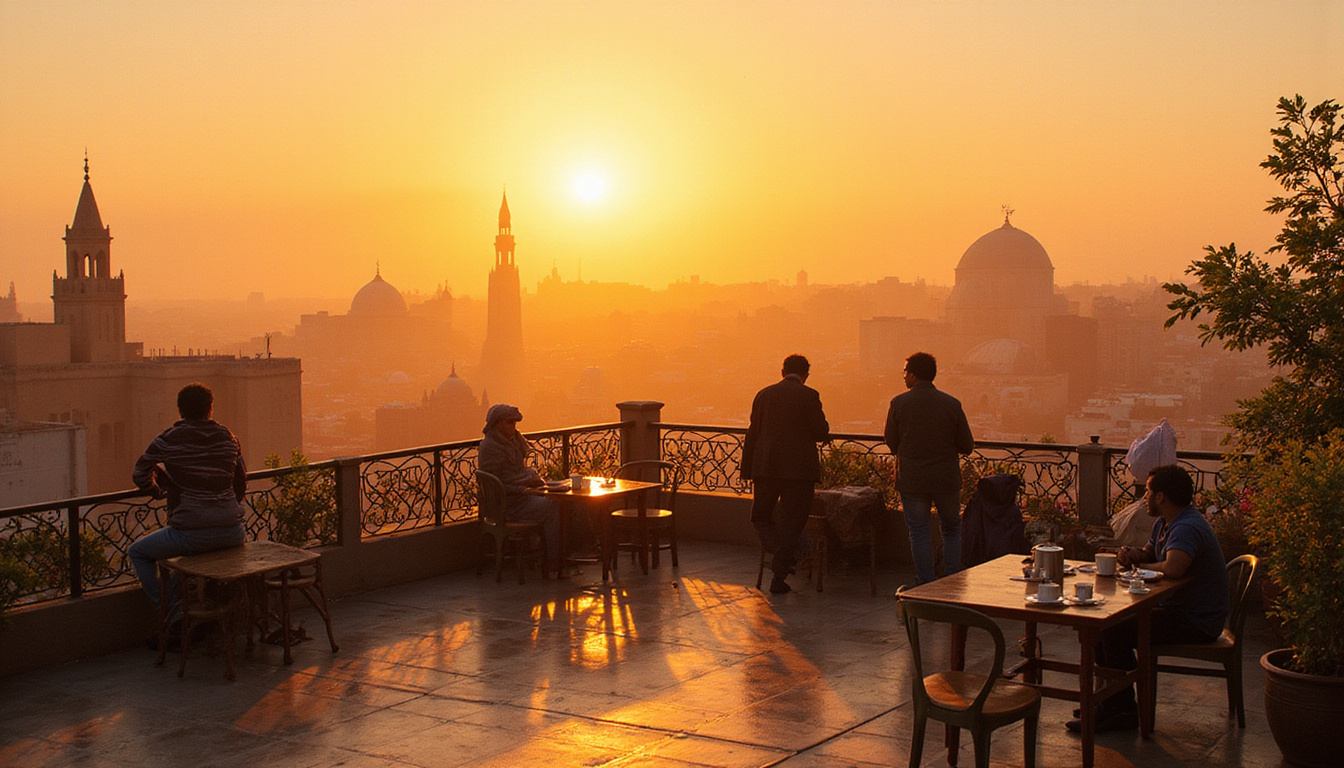
Cairo neighborhoods are like mini-cities inside one sprawling metropolis: each has its own rhythm, food culture, nightlife, and housing style. Whether you’re relocating, staying long-term, or just visiting for a few weeks, choosing the right area can shape your entire experience of Egypt’s capital. This guide breaks down where to live, eat, and explore like a local across the city’s most interesting districts.
Understanding Cairo Neighborhoods at a Glance
Before zooming into specific areas, it helps to understand how Cairo is laid out:
- Historic core: Downtown, Garden City, Zamalek, Islamic Cairo, Coptic Cairo.
- Eastern extensions: Heliopolis, Nasr City, New Cairo, Fifth Settlement.
- Western bank of the Nile: Giza, Dokki, Mohandessin, Sheikh Zayed, 6th of October.
- New towns: New Administrative Capital, New Heliopolis, developments along the Ring Road.
Each of these zones pulls a different crowd—expats, students, young professionals, families—and offers its own mix of apartments, villas, offices, and retail spaces.
Downtown Cairo & Garden City: Classic Cairo Energy
Why Live Here
If you want to be at the centre of Cairo’s buzz, Downtown (Wust el Balad) and Garden City are prime choices among Cairo neighborhoods.
- Downtown Cairo: Historic, lively, noisy, and endlessly walkable. Early 20th‑century buildings with high ceilings, balcony-fronted apartments, and more affordable rents than newer suburbs.
- Garden City: Leafy, quieter embassy district just south of Downtown, with stately old villas and some of the city’s most charming streets.
You’ll be close to ministries, major companies, and cultural venues—ideal if you don’t mind traffic and prefer to be “in the action.”
Where Locals Eat
- Farahat or El Tahrir for koshari (Egypt’s comfort carb bomb).
- Café Riche or Estoril for old-school Egyptian-European classics.
- Felfela for accessible Egyptian dishes in a tourist-friendly but still Cairo-esque setting.
- Street food stands around Talaat Harb and Champollion streets for falafel (taameya) and foul.
What to Explore
- Stroll down Qasr El Nil and Talaat Harb streets for architecture and bookstores.
- Visit Egyptian Museum in Tahrir (until all collections move to the Grand Egyptian Museum).
- Explore hidden passageways filled with vintage shops and coffee houses.
- Watch the city from a Nile-side corniche bench at sunset.
Best for: Young professionals, artists, digital nomads, and anyone who wants history and nightlife on their doorstep.
Zamalek: Island Life in the Heart of the City
Why Live Here
Zamalek is often the first answer when people discuss expat-friendly Cairo neighborhoods. It’s a Nile island between Cairo and Giza, filled with embassies, leafy streets, and a blend of old and modern apartment blocks.
- Central location but calmer than Downtown.
- Walkable by Cairo standards, with many daily needs within a few blocks.
- Popular with diplomats, creatives, and foreign residents.
Rent can be higher here due to demand, but you trade that for convenience and lifestyle.
Where Locals Eat
- Zooba (Egyptian street food with a twist).
- Abou El Sid for classic Egyptian mezze and mains.
- Crave, Left Bank, Maison Thomas, Mori Sushi for international options.
- Countless cozy cafés perfect for working, reading, or people-watching.
What to Explore
- Aisha Fahmy Palace and small private galleries for contemporary art.
- Cairo Opera House and El Sawy Culturewheel for live music and performances.
- Riverside cafés and felucca boat trips from nearby moorings.
- Bookshops, vinyl stores, and boutique shops tucked into side streets.
Best for: Expats, couples, and professionals who want a social scene, walkability, and a soft landing into Cairo life.
Heliopolis & Nasr City: Historic Charm Meets Urban Practicality
Why Live Here
On the eastern side of Cairo, Heliopolis and Nasr City are large, self-contained districts with a strong local character.
- Heliopolis: Tree-lined avenues, old villas, and art deco / European-style architecture. A mix of old apartments and newer buildings, with a strong café culture.
- Nasr City: More modern and utilitarian, with wide streets, big malls, and many office buildings and universities.
Both areas are relatively close to Cairo International Airport and well-connected by newer roads and (increasingly) public transport.
Where Locals Eat
In Heliopolis:
- Le Chantilly, Sabaya, Tivoli Dome complex for a mix of Egyptian and international food.
- Authentic Egyptian grills and seafood spots along El Nozha and El Merghany streets.
In Nasr City:
- Malls like City Stars and City Centre Almaza host a huge range of chains and local concepts.
- Local favourites for shawarma, grills, and Syrian-Egyptian fusion dotted along Abbas El Akkad and Makram Ebeid.
What to Explore
- Baron Empain Palace and Heliopolis’ historic squares and churches.
- Shopping and people-watching in large malls and street markets.
- Local parks and sports clubs, which are focal points of community life.
Best for: Families, mid-career professionals, and students who want an established neighborhood with schools, services, and less tourist traffic.
New Cairo & Fifth Settlement: Modern Suburban Comfort
Why Live Here
Among newer Cairo neighborhoods, New Cairo—especially Fifth Settlement (Tagamoa El Khames)—has become the go-to for upper-middle and high-income families, as well as international companies and universities.
- Gated compounds with villas and low-rise apartment complexes.
- Newer infrastructure, underground parking, wider streets, and more green space.
- Many international schools, private universities, and modern office parks.
The trade-off is that it’s car-dependent and further from the historic centre, but quality of housing and air are notably better.
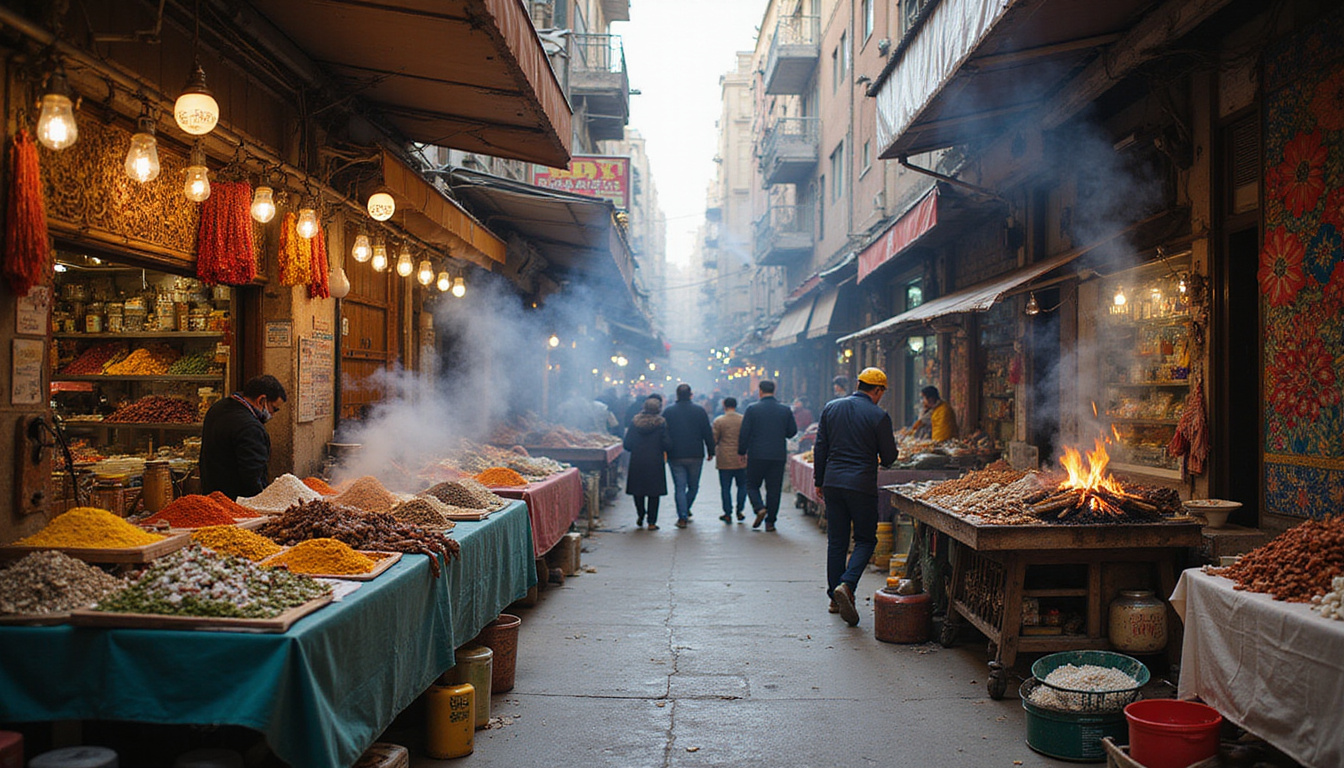
Where Locals Eat
- High-end and casual dining in malls like Cairo Festival City, Downtown Katameya, and Point 90.
- Boutique cafés and dessert shops on 90th Street and within compounds.
- A mix of Egyptian, Levantine, and international cuisines serving the compound crowd.
If you’re comparing options, watching “Things I Wish I Knew Before Moving to Egypt – My Honest Experience” can give you practical lifestyle insights for areas like New Cairo:
What to Explore
- Mall hopping, cinemas, and rooftop lounges.
- Gyms, sports academies, and kids’ activity centres.
- Occasional farmers’ markets, craft fairs, and seasonal community events.
Best for: Families, expats with company housing, and anyone prioritizing modern amenities, quieter streets, and newer properties.
Giza, Dokki & Mohandessin: Central, Lively, and Well-Connected
Why Live Here
On the west bank of the Nile, Dokki and Mohandessin are dense, urban, and centrally located, with relatively quick access to both Downtown and the Pyramids area.
- Dokki: Mix of residential, offices, and embassies; close to universities and government institutions.
- Mohandessin: A bit more commercial, with shopping streets, cafés, and many mid-range apartments.
Giza City itself (around the Pyramids and Haram area) is less polished but extremely local and packed with life.
Where Locals Eat
- Traditional Egyptian restaurants and cafés along Syria Street and Shehab Street in Mohandessin.
- Neighborhood koshari, shawarma, and foul/taameya spots on almost every main road.
- Simple Nile-view cafés lining the Giza corniche.
What to Explore
- Easy access to the Giza Pyramids Plateau and, soon, the Grand Egyptian Museum (GEM).
- Old-school cinemas, local markets, and street shopping.
- Nile boat restaurants and evening cruises.
Best for: Those who want a central base without Zamalek prices, and who don’t mind traffic, noise, and “real Cairo” density.
Maadi: Green, Laid-Back, and Community-Oriented
Why Live Here
In any conversation about livable Cairo neighborhoods, Maadi comes up fast. Located in the south of Cairo along the Nile, Maadi feels more like a leafy town than part of a mega-city.
- Wide, tree-lined streets and lower-rise buildings.
- Large villa areas, especially in Maadi Sarayat and parts of Degla.
- Very international, with many embassies, NGOs, and multinational offices nearby.
It’s popular with families, long-term expats, and remote workers who want quiet streets but still need city access.
Where Locals Eat
- A strong café scene on Road 9 and throughout Degla.
- International cuisines—Indian, Thai, Italian, Mexican—alongside Egyptian staples.
- Cozy bakeries and specialty coffee shops perfect for working or meeting friends.
What to Explore
- Morning runs or walks along quiet residential streets and the corniche.
- Community events, yoga studios, language classes, and co-working spaces.
- Nearby clubs and sports facilities that double as social hubs.
Best for: Families and long-term residents seeking a slower pace, greenery, and a strong neighborhood feel.
Sheikh Zayed & 6th of October: West Cairo’s New Towns
Why Live Here
Further west, Sheikh Zayed and 6th of October City are newer districts filled with compounds, malls, and private universities.
- More space, larger villas, and modern apartment compounds.
- Major shopping and entertainment hubs like Mall of Arabia, Mall of Egypt, and Arkan.
- Better access to the Giza plateau and westward highways than from East Cairo.
Commuting to central Cairo can be long, but many residents work or study nearby, reducing the need for daily cross-city travel.
Where Locals Eat
- Chain restaurants and cafés in malls and open-air plazas.
- Upscale dining and nightlife around Arkan Plaza, Galleria 40, and newer commercial centres.
- Egyptian grills and family-friendly restaurants serving the compound communities.
What to Explore
- Shopping, cinemas, ski slope at Mall of Egypt, and family entertainment centres.
- Weekend trips to the desert outskirts and eco-lodges southwest of the city.
- Fitness and sports clubs that anchor social life.
Best for: Families wanting space and newer homes, students at west-side universities, and professionals working in west Cairo business parks.
Everyday Life in Cairo Neighborhoods: What to Consider
When choosing where to live, think beyond rent prices and look at your daily routine. Key factors include:
- Commute: Proximity to your office, school, or usual hangouts can change your quality of life.
- Transport: Access to metro lines, bus routes, or main roads like the Ring Road or 26th of July Corridor.
- Noise level: Central areas can be loud day and night; suburban compounds are quieter.
- Walkability: Zamalek, Maadi, Heliopolis, and parts of Downtown are more walkable; New Cairo and new towns are car-heavy.
- Budget: Central historic areas and older neighborhoods may offer more space for the price than trendy compounds.
- Lifestyle fit: Nightlife, family-friendly parks, arts and culture, or a strong expat community—prioritize what matters most.
For a sense of how housing, food, and utilities compare across areas, you can cross-check cost-of-living data on resources like Numbeo (source).
Quick Comparison of Popular Cairo Neighborhoods
- Most walkable: Zamalek, Downtown, Maadi, Heliopolis.
- Most expat-heavy: Zamalek, Maadi, parts of New Cairo and Sheikh Zayed.
- Best for families: Maadi, New Cairo, Sheikh Zayed, Heliopolis.
- Closest to history: Downtown, Garden City, Islamic Cairo, Giza.
- Most modern housing: New Cairo, Fifth Settlement, Sheikh Zayed, 6th of October.
FAQ About Cairo Neighborhoods
Q1: What is the best neighborhood to stay in Cairo for tourists?
For short-term stays, Zamalek is often ideal: central, relatively quiet, and full of cafés and restaurants. Downtown is great if you want maximum energy and easy access to historic sites, while Giza puts you closer to the Pyramids.
Q2: Which Cairo neighborhood is safest for expats and families?
Safety can vary street by street, but many expats and families gravitate to Maadi, New Cairo (Fifth Settlement), Zamalek, and Sheikh Zayed. These Cairo neighborhoods offer strong community networks, good schools, and generally calmer streets.
Q3: Where are the most affordable Cairo neighborhoods to live?
More budget-friendly areas often lie just outside the best-known districts: parts of Giza, Nasr City, Heliopolis (away from main boulevards), and older buildings in Downtown can be significantly cheaper than top-tier compounds in New Cairo or Zamalek apartments.
Ready to Find Your Place in Cairo?
Choosing between Cairo neighborhoods isn’t just a logistical decision; it’s about how you want to live, eat, commute, and connect with the city. Whether you see yourself in a high-ceilinged Downtown flat, a leafy Maadi villa, a modern New Cairo compound, or a Zamalek balcony overlooking the Nile, there’s a corner of Cairo that fits your lifestyle and budget.
If you’re planning a move or a long stay, start short-listing areas, walk the streets at different times of day, talk to locals and residents, and compare rental options on the ground. When you’re ready to take the next step, connect with a trusted local agent or property platform that specializes in your target districts—they can help you navigate contracts, pricing, and building quality so you land in a neighborhood you’ll love calling home.