
Meta title: Nile cruise itinerary — Ultimate 4–7 Night Routes, Temples & Luxury Tips
Meta description: Find your ideal Nile cruise plan with simple routes, must-see temples, seasonal hints, prices, and refined tips. Plan your Egypt trip with care—book smart, save money, and travel like an expert.
H1:
Introduction
A Nile cruise itinerary shows Egypt’s old wonders. You see grand Luxor temples and quiet Aswan isles. New travelers, return guests, or expats in search of a short break find clear paths, seasonal hints, culture notes, and upscale tips here. This guide shapes your trip along the longest river.
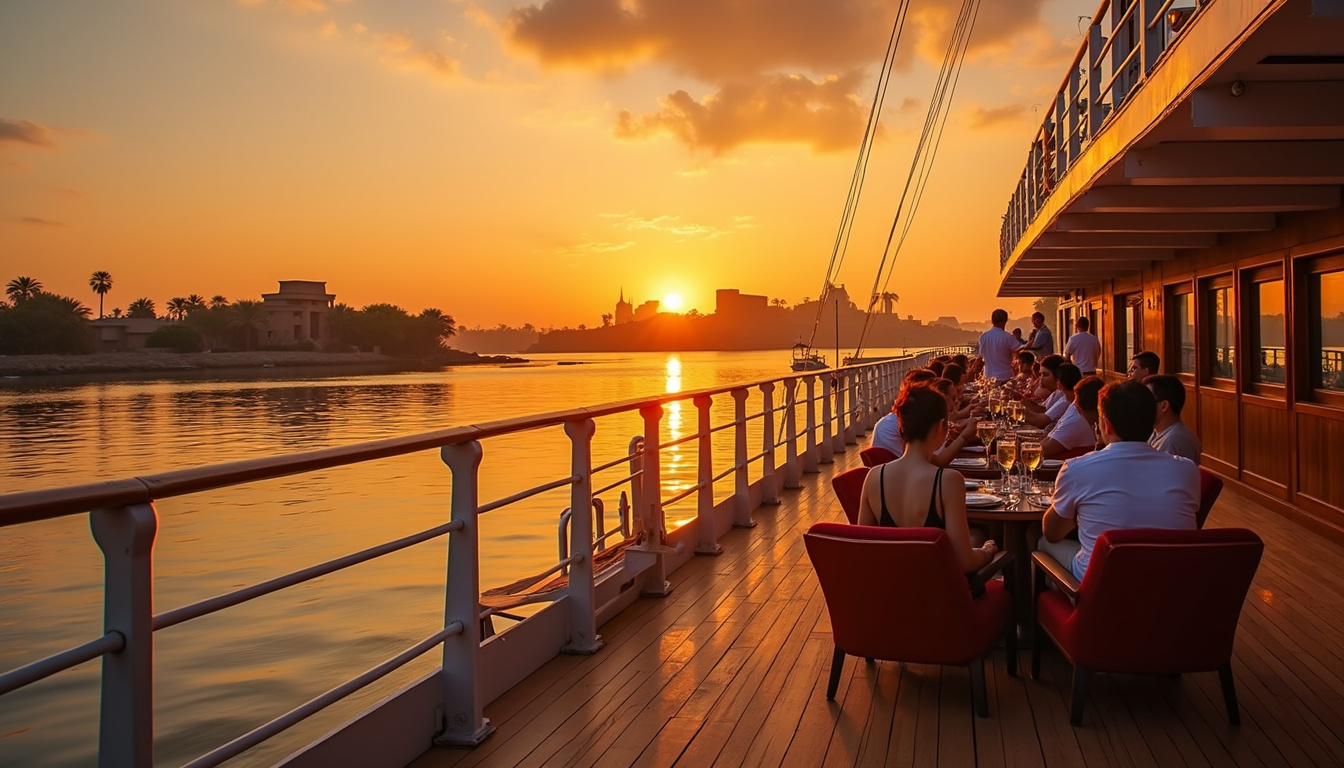
Image suggestion: Sunset over the Nile with traditional felucca sails.
H2: Why choose a Nile cruise — what to expect
A Nile cruise gives you a night home and doorstep stops at key ancient sites. Most plans stick to the road between Luxor and Aswan. They bring temple stops, tomb visits, and market strolls. Look for guided trips on shore, an early start at the temples to skip the heat, and nights filled with dining and fun onboard.
Image suggestion: Interior of a modern Nile cruise ship cabin.
H2: Best time to go and seasonal tips
H3: When to visit
Plan your Nile cruise from October to April when the air feels cooler and exploring is light. May to September brings high heat, especially in Upper Egypt.
H3: Seasonal advice
• Oct–Nov, Mar–Apr: Cool air, fewer crowds, fair prices.
• Dec–Feb: Best weather, higher costs—reserve soon.
• Jun–Aug: Lower fares; guard against the sun and start your day early.
Image suggestion: Calendar graphic showing seasonal temperature ranges.
H2: Typical Nile cruise routes and durations
Most guests pick 3-, 4-, or 7-night trips. Here are common plans:
Short 3–4 night (Luxor to Aswan or back)
– A quick taste of Karnak and Luxor temples, the Royal tombs, Edfu, Kom Ombo, and Aswan sights.Standard 7-night (roundtrip Luxor–Aswan)
– A fuller path that stops at all main temples and may add a trip to Abu Simbel (by coach or flight).Dahabiya & private options
– For a slow, refined trip, try a dahabiya (old sailboat) or a private yacht with personal shore stops.
Image suggestion: Map of the Luxor–Aswan route.
H2: Major temples and stops on a Nile cruise itinerary
H3: Luxor & Karnak
In Luxor, head to Karnak Temple Complex. It stays vast with high columns and stones. Visit early to avoid strong sun and crowds.
H3: Valley of the Kings and Queens
See the tombs of royalty. You can view items from King Tut’s rest place. Some tombs need an extra pass.
H3: Edfu and Kom Ombo
Edfu’s Temple of Horus stands well. In Kom Ombo, a joint temple for Sobek and Horus opens nice river views.
H3: Aswan and Philae
Aswan feels calm on its islands with Philae Temple, moved after building the High Dam. Take a felucca ride at dusk for more charm.
Image suggestion: Photo collage of Karnak, Valley of the Kings, Edfu, Philae.
H2: Sample 7-night Nile cruise itinerary (day-by-day)
Here is a real sample to shape your plan:
- Day 1 – Start in Luxor; see Luxor Temple in the evening.
- Day 2 – Tour Karnak Temple; sail to Esna.
- Day 3 – Sail to Edfu; view the Temple of Horus; then sail overnight to Kom Ombo.
- Day 4 – Visit Kom Ombo in the morning; sail onward to Aswan; roam the Aswan market.
- Day 5 – See Philae Temple and the High Dam; the chance to visit a Nubian village.
- Day 6 – Choose a trip to Abu Simbel (by flight or bus).
- Day 7 – Rest onboard; do some last-minute shopping in Aswan; leave the ship.
Image suggestion: Photo of passengers disembarking for a shore stop.
H2: Luxury tips — upgrade your Nile cruise itinerary experience
– Pick a ship that fits your taste (boutique dahabiya versus a modern riverliner).
– Reserve a room with a balcony or private sun deck to see clear Nile views.
– Hire private guides at ancient sites for a deeper look.
– Add Abu Simbel by flight to cut time and avoid long rides.
– Choose all-inclusive deals if you want ease; else, check shore stop prices.
H3: Onboard amenities to look for
Look for spa care, fine meals, teen talks, free Wi-Fi (though it can miss at times), and small group trips to boost comfort and ease.
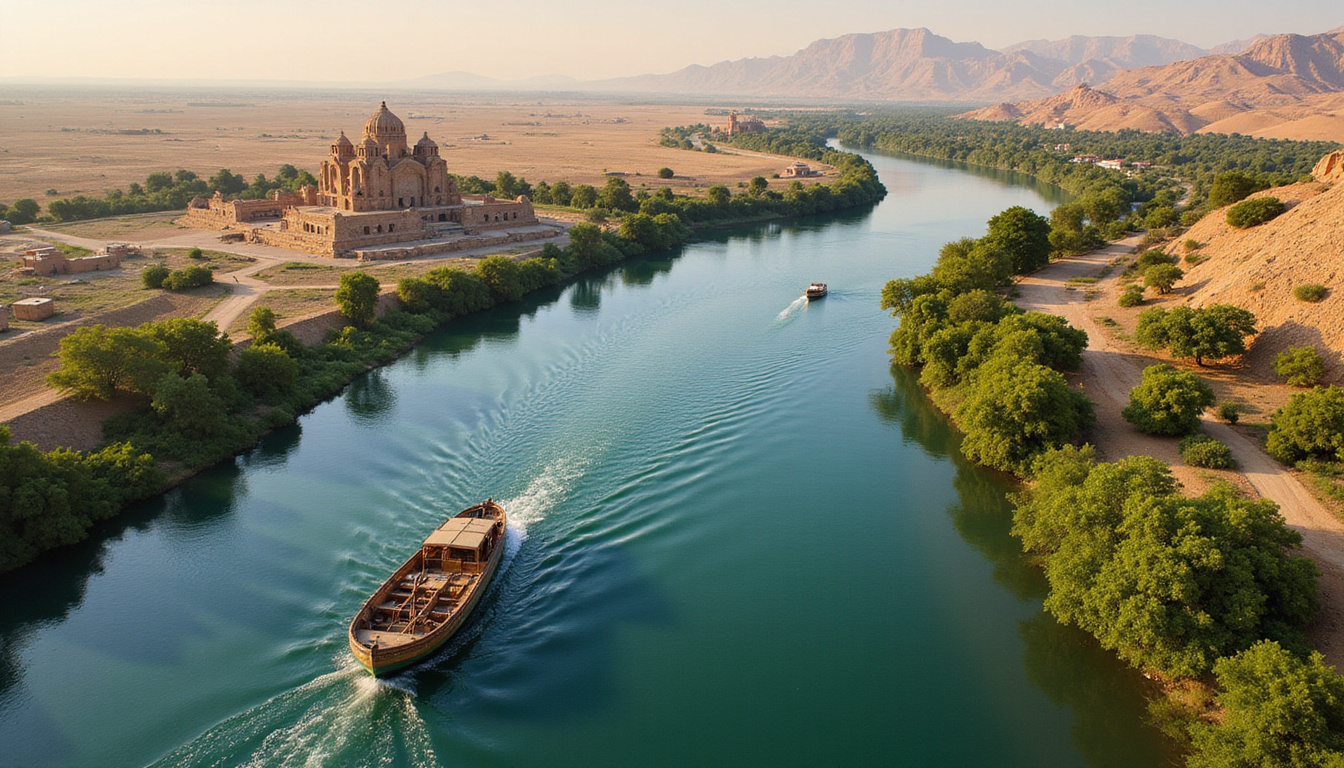
Image suggestion: Luxury cabin balcony overlooking the Nile.
H2: Food, etiquette, and local tips
H3: What to eat
Taste Egyptian food on board and at stops—try koshari, ful medames, grilled fish in Aswan, and warm baladi bread. Many ships mix in global dishes for those with picky tastes.
H3: Cultural etiquette
Cover shoulders and knees at religious spots. Ask before you snap a photo of a local face, and tip guides and crew—tipping is normal and should be fair.
H3: Safety and health
Keep bottled water, sun cream, a hat, and good walking shoes handy. Stay alert in busy markets and settle prices before taxi rides. Look up current tips on trusted travel pages.
Image suggestion: Local street food stall and traveler sampling koshari.
H2: Costs and money-saving tips
Prices for a Nile cruise change. You may find budget cruises at fair prices, mid-range ships with a mix of ease and worth, and luxury boats at higher rates.
Money-saving hints:
• Travel during shoulder times.
• Reserve room early for the best spots.
• Weigh the cost of all-in deals versus pay-as-you-go shore stops.
• Hire local guides from trusted groups to keep prices fair.
H2: Travel logistics — getting there and visas
Fly into Luxor, Aswan, or Cairo. Then take a domestic flight or stay overnight on a train. Many Nile cruise journeys start in Luxor or Aswan; some go around from Luxor.
For visas and travel steps, check Egypt’s official tourism site (Egyptian Tourism Authority). Look at embassy sites for visa on arrival or online visa details.
Image suggestion: Airport arrival and cruise transfer.
H2: Quick checklist before you go
– A passport with 6+ months left
– E-visa or visa on arrival when needed
– Travel insurance that covers medical exit
– Cash in local currency (EGP) and a credit card
Bulleted packing list:
• Light, modest clothes
• Comfortable shoes for walking
• A hat, sunglasses, and good sun cream
• A refillable water bottle
• Copies of your passport and travel papers
H2: FAQ — common questions about Nile cruise itineraries
Q1: What is the best Nile cruise itinerary for first-time visitors?
A1: A 4–7 night trip from Luxor to Aswan that stops at Luxor/Karnak, the royal tombs, Edfu, Kom Ombo, and Philae works well for new guests. Adding Abu Simbel by flight deepens the trip.
Q2: How long should a Nile cruise itinerary be to see the main temples?
A2: To see the key temples with ease, plan for 4–7 nights. A 3-night trip can hit the highlights but may feel rushed. A 7-night plan gives more time for exploring and rest.
Q3: Which temples are included on a typical Nile cruise itinerary?
A3: Main stops include Karnak and Luxor Temples, the royal tombs, Edfu’s Temple of Horus, Kom Ombo, and Philae—Abu Simbel is an option for those who want more.
(These FAQs work well for a ready-to-use Q&A format.)
H2: Recommended resources and internal links
For more help, see our Egypt travel tips and best Cairo itinerary pages:
– Egypt travel tips: /egypt-travel-tips
– Best Cairo itinerary: /best-cairo-itinerary
For official entry and travel facts, check Egypt’s official tourism site: https://www.egypt.travel/ (source).
Conclusion and call to action
A well-planned Nile cruise itinerary mixes famous temples, calm river moments, and local culture. Whether you choose a budget cruise, an upscale dahabiya, or a private yacht, the river brings warm sunsets, old history, and kind locals. Ready to shape your trip? Book a cabin for your dates, sign up for our newsletter for special deals and trip ideas, and share this guide with friends. If you need custom route ideas or help picking a ship, leave a comment or reach out—let us help create your perfect Nile trip.