
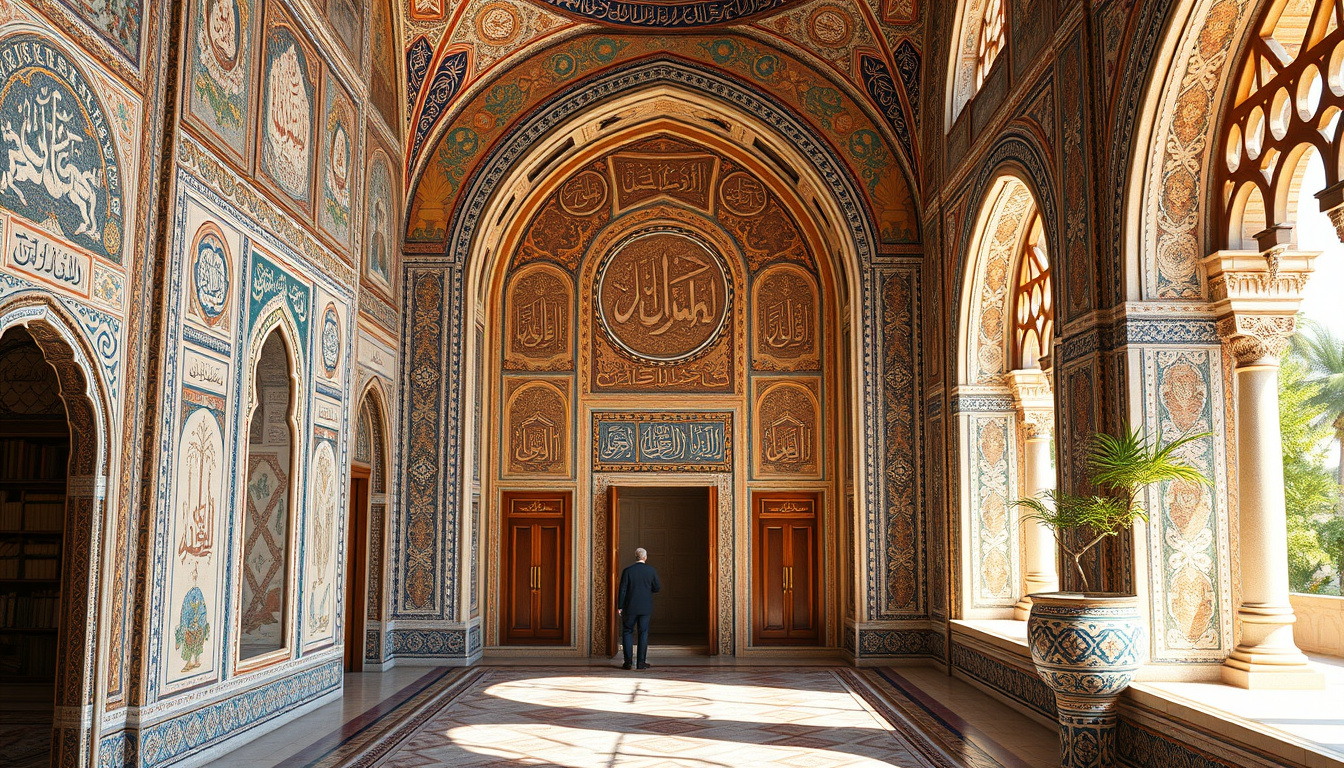
Egypt is not only known for its ancient pyramids and captivating landscapes; it is also a treasure trove of Islamic art that tells the rich history and diverse cultural heritage of the region.
If you’re intrigued by vibrant mosaics, intricate calligraphy, and stunning architectural masterpieces, then exploring Islamic art in Egypt should undoubtedly be on your itinerary.
In this article, we will embark on an enlightening journey through the historical roots of Islamic art in Egypt, examine its key characteristics and styles, showcase famous artworks and monuments, discuss its influence on modern culture, and highlight ongoing efforts in preservation and promotion.
Join us as we delve into the splendor of Islamic art in Egypt, a cultural journey through time that reflects the creativity and artistry of a civilization.

Key Takeaways
- Islamic art in Egypt has deep historical roots that reflect the country’s rich cultural heritage.
- Key characteristics of Islamic art include intricate patterns, calligraphy, and vibrant colors that embody spirituality.
- Egypt is home to many famous Islamic artworks and monuments, such as the Mosque of Muhammad Ali and the Al-Azhar Mosque.
- Modern Egyptian culture continues to be influenced by Islamic art, evident in contemporary design and architecture.
- Efforts are underway to preserve and promote Islamic art in Egypt, highlighting its significance in the global art scene.
The Historical Roots of Islamic Art in Egypt
## The Historical Roots of Islamic Art in Egypt
Islamic art in Egypt is a rich tapestry intricately woven with threads of history, culture, and religion.
Emerging with the advent of Islam in the 7th century, this art form rapidly evolved, influenced by the diverse civilizations that had come before it, including the Pharaonic, Greco-Roman, and Byzantine cultures.
The arrival of the Arabs in Egypt marked a significant turning point, laying the foundation for what would become an extraordinary period of artistic production.
One of the earliest and most notable examples of Islamic art in Egypt is the Mosque of Ibn Tulun, constructed in the 9th century.
This mosque showcases the unique architectural features that characterize early Islamic aesthetics, such as open courtyards and distinctive minarets.
Throughout the Fatimid Caliphate, from the 10th to the 12th centuries, Islamic art flourished, resulting in grand mosques and palaces adorned with intricate tile work and calligraphy that continues to be celebrated today.
The Mamluk period, which spanned from the 13th to the 16th centuries, further enriched the landscape of Islamic art in Egypt.
Mamluk artisans mastered the craft of glass and metalwork, and exquisite ceramics became notable for their vibrant colors and intricate patterns.
This era also saw the establishment of beautiful madrassas (Islamic schools), which served not only as centers of learning but also as architectural marvels, often embellished with stunning decoration that merged utility and beauty seamlessly.
Islamic art in Egypt is not merely confined to monumental architecture; it extends to textiles, manuscripts, and decorative arts.
The vibrant colors, geometric patterns, and elaborate calligraphy reflect the Islamic worldview, emphasizing spirituality and the pursuit of beauty in every form.
As we explore the awe-inspiring sites and artifacts that embody this artistic heritage, we uncover a deeper understanding of Egypt’s role as a cradle of Islamic civilization.
Travelers to Egypt can immerse themselves in this artistic legacy by visiting renowned sites like the Museum of Islamic Art in Cairo, which houses one of the world’s finest collections of Islamic art.
Each piece serves as a testament to the country’s historical significance and artistic prowess, inviting visitors to appreciate and reflect on the beauty that Islamic art has brought to the Egyptian landscape over the centuries.
Key Characteristics and Styles of Islamic Art
## Key Characteristics and Styles of Islamic Art in Egypt
Islamic art in Egypt is a rich tapestry woven from various influences and styles that have evolved over centuries.
One of the key characteristics of Islamic art is its emphasis on geometric patterns, intricate arabesques, and calligraphy.
These elements are not just decorative but also carry religious significance, reflecting the spiritual and mathematical order of the universe as interpreted by Islamic teachings.
In Egyptian mosques, you can often find stunning tile work that showcases vibrant colors and complex designs, inviting visitors to admire the craftsmanship and artistry.
Additionally, the use of minarets and domes in Islamic architecture, especially in historical sites like the Mosque of Ibn Tulun and the Citadel of Saladin, demonstrates the stylistic evolution of religious buildings which are central to Egyptian Islamic art.
Engraved stucco and wooden screens, known as ‘mashrabiya,’ also signify the blend of functionality with aesthetic value, allowing for light to flow while maintaining privacy in homes and public buildings.
Originating from the traditions of past empires, Islamic art in Egypt does not depict human figures, a practice rooted in the cultural sensitivities of Islam.
Instead, it uses vivid floral motifs and nature-inspired designs, which further embody a connection to the divine.
Moreover, the Fatimid and Mamluk periods brought innovative contributions to Islamic art, introducing new architectural styles and ornate details that enriched Cairo’s skyline.
As you explore the fascinating world of Islamic art in Egypt, remember to visit key locations like the Museum of Islamic Art in Cairo where exhibitions showcase artifacts and art pieces that highlight the historical journey of Islamic aesthetics in the region.
‘Art is the most beautiful of all lies; it is the truth of the heart wrapped in the emotions of the artist.’ – Anon.

Famous Islamic Artworks and Monuments in Egypt
## Famous Islamic Artworks and Monuments in Egypt
When it comes to exploring the rich tapestry of Islamic art in Egypt, visitors are treated to a breathtaking array of monuments, artworks, and architectural marvels that echo the country’s vibrant history and cultural evolution.
Home to one of the earliest civilizations in the world, Egypt’s Islamic period has left a profound mark on its landscapes and cities, particularly during the Middle Ages when Cairo flourished as a cultural hub.
One of the most iconic examples of Islamic art in Egypt is the Al-Azhar Mosque, established in 970 AD.
This magnificent structure is not only a place of worship but also one of the oldest universities in the world, showcasing intricate mosaics, carved marble, and beautiful calligraphy that illustrate the high level of artistry achieved during the Fatimid period.
The mosque’s vast courtyard and the elegant minarets offer a serene place to reflect on the artistic genius of the time.
Another exemplary site is the Mosque of Ibn Tulun, an architectural wonder steeped in history.
Built in the 9th century, it features stunning brickwork and a unique spiral minaret that draws the eyes of all who visit.
The mosque’s expansive prayer hall, adorned with decorative stucco and geometric patterns, exemplifies the eloquence of early Islamic architecture and continues to attract both pilgrims and art enthusiasts alike.
The Sultan Hassan Mosque is yet another gem that showcases the grandeur of Islamic art in Egypt.
Constructed in the 14th century during the Mamluk Sultanate, its massive scale and domed ceilings, decorated with elaborate Quranic inscriptions and stained glass, leave visitors in awe.
This mosque stands not just as a religious site, but as a testament to the intricate artistry and architectural skill that characterize the Mamluk era.
For those interested in the collections of Islamic art, the Museum of Islamic Art in Cairo houses an extensive range of artifacts that span over 1,400 years of Egyptian history, from textiles and ceramics to metalwork and manuscripts.
The museum itself, with its elegant architecture and carefully curated exhibitions, serves as a pivotal point for those wanting to dive deeper into the world of Islamic art.
As you traverse through these magnificent sites, take a moment to appreciate the harmonious blend of beauty and spirituality that defines Islamic art in Egypt.
The rich history, combined with cultural influences from a variety of civilizations, creates an environment where art is not just observed but experienced.
It is this unique combination that makes Egypt a must-visit destination for any traveler or expat eager to connect with the past.
The Influence of Islamic Art on Modern Egyptian Culture
## The Influence of Islamic Art on Modern Egyptian Culture
Islamic art Egypt serves as a profound narrative thread weaving through the fabric of the country’s contemporary culture.
Originating as a reflection of Islamic beliefs andheritage, this art form has significantly influenced architecture, textiles, ceramics, and even everyday life in Egypt.
Many of the intricate designs found in mosques and public buildings still echo the style and symbolism of ancient Islamic artistry, showcasing detailed geometric patterns and vibrant colors.
In cities like Cairo, visitors can see the beautiful amalgamation of Islamic art and modern aesthetics.
Iconic structures such as the Mosque of Muhammad Ali exemplify the rich heritage of Islamic architecture while underscoring the evolution of design over centuries.
The mosque’s ornate minarets and domes serve not only as places of worship but also as testaments to the artistic capabilities of their time, inspiring modern architects and designers.
Moreover, Islamic art continues to influence local artisans.
Markets, particularly in areas like Khan El Khalili, are alive with the craftsmanship of handmade goods that reflect traditional Islamic aesthetics.
Local Egyptian cuisine is beautifully presented in ceramic tableware that showcases exquisite Islamic patterns, illustrating how deeply this art form is interwoven into daily Egyptian life.
Art exhibitions and cultural events also help keep the spirit of Islamic art alive by showcasing contemporary artists who draw inspiration from historical practices while injecting modern sensibilities.
This intergenerational dialogue nurtures both cultural pride and global appreciation of Egypt’s rich artistic legacy.
For anyone looking to explore Islamic art in Egypt, visiting museums, such as the Museum of Islamic Art in Cairo, offers an invaluable opportunity to delve deep into the historical context and significance of this beautiful form of expression, bridging the gap between past and present.
In sum, the influence of Islamic art is a vital component of modern Egyptian culture, enriching the nation’s artistic landscape and providing insight into the collective identity of its people.

Preservation and Promotion of Islamic Art in Egypt Today
## Preservation and Promotion of Islamic Art in Egypt Today
Egypt, a country rich in history and culture, stands as a beacon of Islamic art, showcasing exquisite designs, intricate calligraphy, and architectural marvels that have withstood the test of time.
The preservation and promotion of Islamic art in Egypt today are crucial for maintaining the country’s rich cultural heritage and for fostering engagement with both locals and tourists.
Museums, cultural organizations, and educational institutions play significant roles in this endeavor.
### Museums and Cultural Institutions
In Cairo, the Museum of Islamic Art is a prime example, housing a vast collection that spans centuries and showcases the evolution of Islamic art in Egypt.
Visitors can explore over 100,000 artifacts, including ceramics, textiles, and metalwork that reflect the artistry and cultural diversity of the Islamic Golden Age.
The museum not only preserves these treasures but also conducts exhibitions and educational programs that highlight the significance of Islamic art in Egypt.
### Community Engagement and Workshops
Additionally, local cultural organizations often conduct workshops and art classes that immerse participants in the techniques of traditional Islamic art, from the art of calligraphy to tile-making.
These programs aim to engage younger generations, ensuring that the skills and knowledge associated with Islamic art are passed down.
This grassroots approach fosters a deeper appreciation for the art form and encourages an authentic connection to Egypt’s Islamic heritage.
### Events and Festivals
Festivals such as ‘Cairo Art Fair’ also serve to promote Islamic art in contemporary contexts by featuring both established and emerging artists who draw inspiration from traditional motifs and techniques.
Through exhibitions, panel discussions, and interactive installations, these events attract attention to the ongoing evolution of Islamic art in Egypt, allowing it to resonate with a global audience.
### Challenges and Support
Despite these efforts, the preservation of Islamic art in Egypt comes with challenges, including funding and the need for skilled conservators.
Collaborative projects with international organizations and the support of private donors are vital to ensure that restoration efforts can be sustained over time.
The commitment of these entities to preserve Egypt’s artistic heritage demonstrates a collective understanding of its importance not just for Egyptians but for art lovers worldwide.
### Conclusion
Today, as we explore the landscape of Islamic art in Egypt, it is essential to recognize the initiatives fostering its preservation and promotion.
With continuous efforts from museums, communities, and cultural events, the legacy of Islamic art not only enhances Egypt’s identity but also invites the world to witness the beauty and complexity of its artistic heritage.
For those interested in delving deeper into this rich artistic tradition, visiting museums or attending local workshops can provide a profound experience that celebrates the vibrancy of Islamic art in Egypt.
Frequently Asked Questions
What are the historical roots of Islamic art in Egypt?
Islamic art in Egypt has its roots in the early days of Islamic civilization after the Arab conquest of Egypt in the 7th century.
The merging of local Egyptian artistic traditions with Islamic influences from the broader Islamic world led to a unique evolution of art forms, characterized by intricate geometric patterns, arabesques, and calligraphy.
What are the key characteristics of Islamic art in Egypt?
Key characteristics of Islamic art in Egypt include the use of geometric patterns, floral motifs, calligraphy, and intricate tile work.
Unlike Western art, Islamic art often avoids depictions of human figures, focusing instead on ornamental designs and the spiritual significance conveyed through patterns.
What are some famous Islamic artworks and monuments in Egypt?
Famous Islamic artworks and monuments in Egypt include the Al-Azhar Mosque, the Mosque of Ibn Tulun, and the Citadel of Saladin.
These sites showcase the stunning architecture and artistry typical of Islamic heritage, featuring beautiful mosaics, intricate carvings, and grand domes.
How has Islamic art influenced modern Egyptian culture?
Islamic art continues to influence modern Egyptian culture through architecture, design, and contemporary art forms.
Many artists draw inspiration from traditional Islamic patterns and motifs, incorporating them into modern artworks, fashion, and interior design, thereby preserving cultural heritage while adapting to contemporary aesthetics.
How is Islamic art being preserved and promoted in Egypt today?
Preservation efforts for Islamic art in Egypt include restoration projects for historical sites, museums showcasing Islamic artifacts, and educational programs to raise awareness about Islamic art’s significance.
Additionally, cultural festivals and exhibitions help promote understanding and appreciation of this rich artistic heritage among both locals and tourists.