
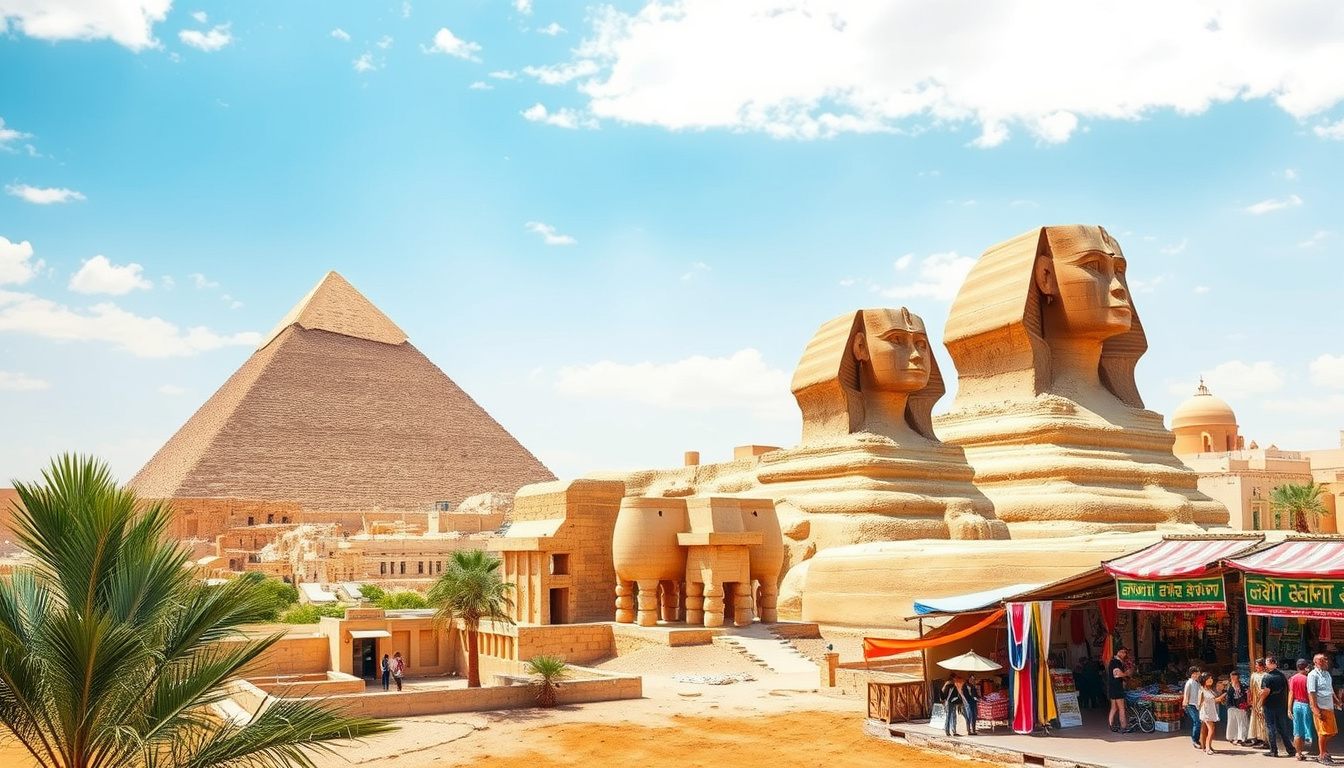
Egypt—the land of mysterious pyramids, ancient mummies, and mighty pharaohs—has long captivated travelers and historians alike. While those iconic symbols are indeed the country’s hallmark, Egypt’s wonders span far beyond. From bustling cities steeped in history to untouched natural landscapes and vibrant coastal retreats, Egypt offers an unparalleled adventure for every kind of traveler. This article guides you through twelve must-see destinations that will transform your Egyptian journey into an unforgettable experience.
1. Cairo: The Heartbeat of Egypt
Starting with Egypt’s capital, Cairo pulses with a vibrant and exotic energy that is both stimulating and welcoming. As you wander the city’s streets, architectural marvels and monuments surprise you at every turn. Key attractions include:
- The Citadel: A medieval Islamic fortress offering sweeping views of the city.
- Al-Azhar Park: A green oasis ideal for relaxation and panoramic vistas.
- The Cairo Tower: A landmark providing a 360-degree cityscape.
Cairo is also renowned for its rich culinary scene and vibrant markets. A visit to Khan el-Khalili in the Islamic district immerses you in centuries-old shopping culture with colorful shops selling lamps, spices, fabrics, and jewelry. The old cafes here are perfect for sipping traditional Egyptian drinks while soaking up local ambiance.
Another unique site is the Hanging Church in the Coptic Quarter, built atop the ancient Babylon Fortress—an architectural and spiritual symbol that reflects Egypt’s diverse religious heritage.
2. Giza: Home of the Legendary Pyramids
Just outside Cairo, Giza is synonymous with Egypt’s most famous archaeological marvels. The three iconic pyramids—the Pyramid of Khufu (Cheops), Khafre, and Menkaure—stand as testament to ancient Egyptian engineering and culture.
Don’t miss visiting the Great Sphinx, a monumental limestone statue with a human head and lion’s body symbolizing strength and wisdom, eternally facing the rising sun to the east.
Giza’s pyramids and sphinx make for a bucket-list experience that connects travelers to the ancient past in the most spectacular way.
3. Alexandria: Where History Meets the Mediterranean
Located on Egypt’s northern coast, the port city of Alexandria combines ancient history with modern urban vitality. Known for the ancient Library of Alexandria—a beacon of knowledge in the ancient world—and the now-lost Pharos Lighthouse, one of the Seven Wonders of the Ancient World, Alexandria offers a deep dive into cultural history.
Explore Roman-era ruins, majestic palaces, temples, and fortresses that showcase Egypt’s diverse cultural layers. Beyond heritage, Alexandria boasts inviting beaches along the Mediterranean Sea, perfect for relaxation and seaside strolls.
4. Luxor: The Ancient City of Thebes
Often described as the world’s greatest open-air museum, Luxor is built on the remains of Thebes, a flourishing ancient city. Highlights include the grand Luxor Temple and the sprawling Karnak Temple Complex, both rich in stunning architecture and detailed hieroglyphics.
Close to Luxor are the Valley of the Kings and Valley of the Queens, necropolises where ancient royalty was laid to rest amidst beautiful tomb art, attracting archaeologists and curious visitors alike.
5. Aswan: Gateway to Nubian Culture
Farther south along the Nile, Aswan combines natural beauty with cultural depth. This city is the heart of Nubian culture, one of Egypt’s oldest living traditions, preserved by the local communities.
Visitors can explore calm Nile islands, historic temples, and museums that reveal ancient and modern narratives. The majestic Nile River scenery in Aswan is a serene contrast to Egypt’s desert landscapes.
6. Red Sea: An Underwater Wonderland
Beneath the surface of the Red Sea lies a captivating world of coral reefs and vibrant marine life. Renowned for some of the best diving spots globally, the sea hosts colorful reef fish, sharks, dolphins, turtles, and rare species like dugongs.
Wreck diving enthusiasts foster a keen interest in the Thistlegorm, a WWII British cargo ship that was bombed in 1941, now a haunting underwater museum.
Whether you’re a seasoned diver or a curious snorkeler, the Red Sea’s clear warm waters offer an extraordinary experience.
7. Faiyum: Egypt’s Largest Oasis
Located roughly 100 km southeast of Cairo, Faiyum is Egypt’s largest oasis and a verdant agricultural hub known as the "Garden of Egypt." It combines natural beauty and rich biodiversity with significant historical sites, including:
- Lake Qarun: A serene expansive lake surrounded by wildlife.
- Wadi El Hitan ("Whale Valley"): A UNESCO World Heritage Site famous for fossil remains that trace whale evolution from land mammals to aquatic creatures, making it a fascinating destination for nature lovers and scientists.
8. Marsa Matruh: Egypt’s Mediterranean Gem
For beach lovers, Marsa Matruh offers stunning white sand beaches and crystal-clear lagoons along Egypt’s Mediterranean coast. The resort town is favored for its peaceful atmosphere and natural beauty.
Agiba Beach, in particular, is renowned for its turquoise waters framed by dramatic cliffs, making it a fantastic spot for swimming, sunbathing, and scenery appreciation.
9. Hurghada: Red Sea Resort Extraordinaire
Stretching over 40 km along the Red Sea coast, Hurghada is a pulsating tourist hub filled with resorts, pristine beaches, and numerous diving centers.
Whether you want to lounge by the beach or dive into underwater explorations of coral reefs and marine life, Hurghada blends relaxation and adventure on Egypt’s eastern shoreline.
10. Sharm el-Sheikh: Diving and Desert Delights
Nestled between the Sinai Desert and the Red Sea, Sharm el-Sheikh is synonymous with luxury diving. The nearby Ras Muhammad National Park boasts crystal-clear waters and vibrant coral reefs, ideal for snorkelers and divers.
Apart from underwater wonders, visitors enjoy the lively atmosphere of Naama Bay, with its coastal promenades, restaurants, and nightlife, offering entertainment alongside natural beauty.
11. White Desert: A Surreal Natural Wonder
One of Egypt’s most unique landscapes lies in the White Desert National Park, south of Bahariya Oasis. Here, surreal chalk formations resembling giant icebergs or sculptures emerge starkly from the desert sands.
This otherworldly terrain is perfect for adventurous 4WD desert excursions and overnight camping under the stars, offering a deeply memorable natural spectacle akin to sci-fi landscapes.
12. Siwa Oasis: Tranquil Western Desert Retreat
In the remote Western Desert, Siwa Oasis provides a peaceful escape from Egypt’s bustling cities. Surrounded by palm groves and fed by natural hot springs, Siwa’s serene environment is charming and picturesque.
The town centers on the ruins of the Fortress of Shali, a massive mud-brick citadel that tells stories of ancient life in this isolated desert enclave.
Frequently Asked Questions (FAQs)
1. What is the best time to visit Egypt?
The ideal travel months are from October to April when the weather is cooler and more comfortable for exploring outdoor sites.
2. Is it safe to travel to Egypt?
Egypt is generally safe for tourists, especially around popular tourist destinations. However, travelers should stay updated on travel advisories and follow local guidance.
3. Do I need a visa to enter Egypt?
Most visitors require a visa, which can often be obtained on arrival or beforehand through the Egyptian consulate or e-visa services, depending on nationality.
4. What cultural customs should travelers be aware of in Egypt?
Modest dress is recommended, especially when visiting religious sites. Public displays of affection are discouraged, and it’s respectful to ask permission before photographing locals.
5. Are there activities suitable for families in Egypt?
Absolutely. Many sites like Luxor, Cairo museums, and Red Sea resorts offer family-friendly activities. Nile cruises and camel rides are also popular for all ages.
6. Can I experience both desert and beach in one trip?
Yes, Egypt’s diverse geography allows you to enjoy sprawling deserts like the White Desert and relax on beautiful beaches in Marsa Matruh or Hurghada within the same trip.
7. What is the currency used in Egypt?
The Egyptian Pound (EGP) is the official currency. Credit cards are widely accepted in tourist areas, but cash is useful for markets and smaller purchases.
Conclusion
Egypt is a country of breathtaking contrasts and timeless beauty, where ancient history and natural wonders coexist with vibrant modern life. From the bustling streets of Cairo and the mystique of Giza’s pyramids to the tranquility of desert oases and the mesmerizing underwater world of the Red Sea, there is an adventure waiting for everyone.
Whether you seek cultural immersion, historical exploration, nature escapades, or beach relaxation, these twelve destinations unveil the true essence of Egypt and promise an enriching and unforgettable travel experience. Prepare to be amazed by the land where civilization first flourished and embark on your next great adventure in Egypt!