
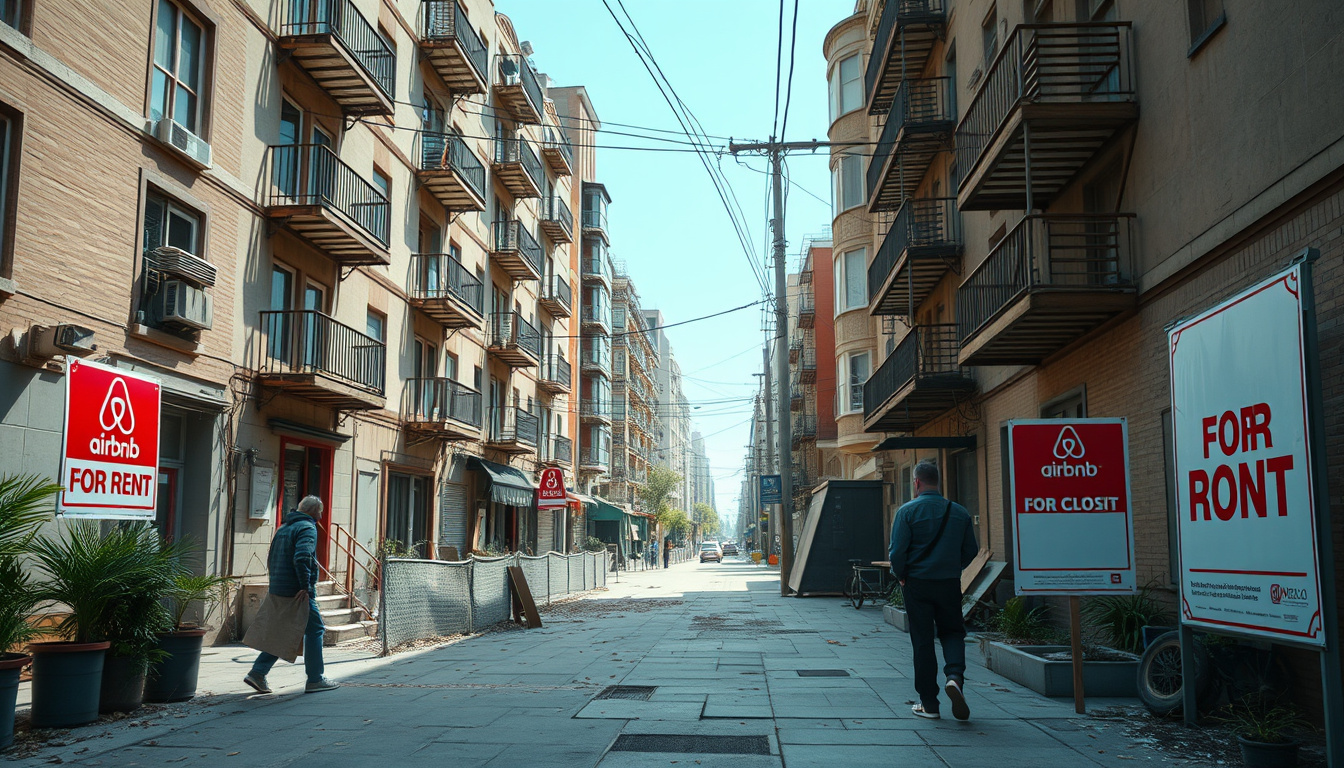
Short-term rentals changed travel and property markets. Airbnb shows this change. It began with a simple idea—a host renting a spare room on an air mattress during a busy meeting. Today, this area grows to a market worth $100 billion. Hotels lose guests, cities gain tourists, and early hosts make extra cash. Yet strains join customers, hosts, the public, and governments. Cracks appear that may shake the market’s future. This article looks at many challenges as these forces meet.
Origins and Growth of Short-Term Rentals
In 2007, Brian Chesky and Joe Gebbia had extra space in a San Francisco apartment. A conference filled all city hotels. They named their idea "AirBed and Breakfast." They used a sharing method that let travelers find a home-like sleep. Guests liked the private feel and extra room benefits. Hosts earned cash from unused space. Airbnb grew fast and now leads many markets. It beat leading hotel groups in size. The idea met needs for cheaper travel and home yield. Cities saw more visits as a result.
Four Stakeholders, Four Crises
The short-term rental scene depends on four groups: customers, hosts, the public, and platforms. Each faces its own problems that now mix and stir market unrest.
1. Hosts: Overextended and Oversaturated
At first, hosts enjoyed flexibility and extra income. Renting a spare room carried low risk compared to long-term tenants. Soon, savvy investors bought homes to use as short-term spaces. They turned these homes into mini inns. In busy areas, this led to too many hosts and fewer guests per property. Hosts now work hard to clean and guide each guest. High property costs and more work push some to set steep cleaning fees and strict rules. These limits upset guests. Hosts who count on high yields may even decide to sell as profits shrink.
2. Customers: Rising Costs and Declining Experience
Guests once found cost savings and space comforts in short-term rentals. Families and groups liked kitchens and extra rooms. Today, prices have climbed above many budget hotels. Hotels add home-like rooms with kitchens and reliable services. This shift cuts into what once made the service special. Extra fees and more guest tasks now hurt the stay. Guests compare these tasks to the full service of a hotel and feel disappointed.
3. The Public and Governments: Housing Scarcity and Regulation
Residents and city officials feel the strain from changing housing patterns. Short-term rentals pull homes from the long-term market. This shift can push rents higher and add to local hardship. Cities now use rules—limits on rentals, taxes, licensing, or even bans. Many hosts work outside these rules and treat fines as a cost of business. Local groups worry about noise and safety. These issues make hosting under the law more difficult.
4. Platforms: Increased Competition and Business Model Challenges
Airbnb now shares space with sites like Expedia, TripAdvisor, and Booking.com. These sites list hotels and short-term stays side by side. They give guests more clear options. Some hosts now seek local agencies or alternative sites to cut fees. This trend cuts into Airbnb’s share. Airbnb started to grow fast, choosing early profit over long-term plans. Now, debts and legal fights show up in many lands. Without a new plan, Airbnb may lose ground as rivals climb.
Why Short-Term Rentals Are Losing Their Shine
Many things now trouble this market:
• Short stays now cost more, and the low-price win is lost.
• Hotels mix apartment-style rooms with hotel care, giving guests a new choice.
• Guests face higher fees and more tasks, which lower the fun of the stay.
• City rules add extra costs and slow down renting.
• Too many hosts reduce profit for many players.
• The home-sharing friendly image now seems far off, as many rentals come from professional landlords.
• New players bring more clear pricing and choices, challenging the old leader.
The Broader Impact: What Happens Next?
This wavering market affects many fields:
• Housing shifts may move some rentals back to long-term. This change might ease rents but will differ by town.
• Owners who depend on short stays may face cash loss. Pressure on these owners can lead to sales of property.
• Travelers might turn back to hotels or choose hybrid rooms that mix benefits.
• Cities could keep adding rules as they balance tourist gains with local needs.
• For platforms to last, they must change and find fair rules and a new work plan.
Frequently Asked Questions (FAQs)
Q1: Why did short-term rentals grow fast?
A1: They gave guests a new space that felt like home at a low cost. Homes offered kitchens and extra rooms that many guests liked.
Q2: What rules challenge short-term rentals now?
A2: Many towns limit these rentals. They require licenses, add taxes, and set strict limits. Guests or hosts who ignore these may face fines or removal.
Q3: How have hotels changed due to Airbnb?
A3: Hotels now add apartment-style rooms with kitchens. They mix classic hotel care with home space to meet guest needs.
Q4: Why do some hosts now struggle?
A4: Too many homes, more work, and higher costs have reduced earnings for some hosts.
Q5: How do short-term rentals affect local homes?
A5: They take properties from long-term renting. This move lifts local rents and makes housing scarcer.
Q6: Can short-term rentals work with local communities?
A6: With clear rules and strict enforcement, they can. But unchecked growth may hurt neighborhoods.
Q7: What is ahead for big names like Airbnb?
A7: They face more rivals and stricter rules. They must change their plans to keep guests happy and meet legal needs.
Conclusion
Short-term rentals once changed travel and property work. They gave guests new home-like stays and hosts a way to make extra money. Now, rising costs, few guests per property, rule fights, and stiff competition join to shake the field. The early wins now face hard tests from high fees, unhappy guests, and tight rules. If hosts, cities, and platforms do not change their work, the early bright idea may soon serve as a warning for travel and local homes.