
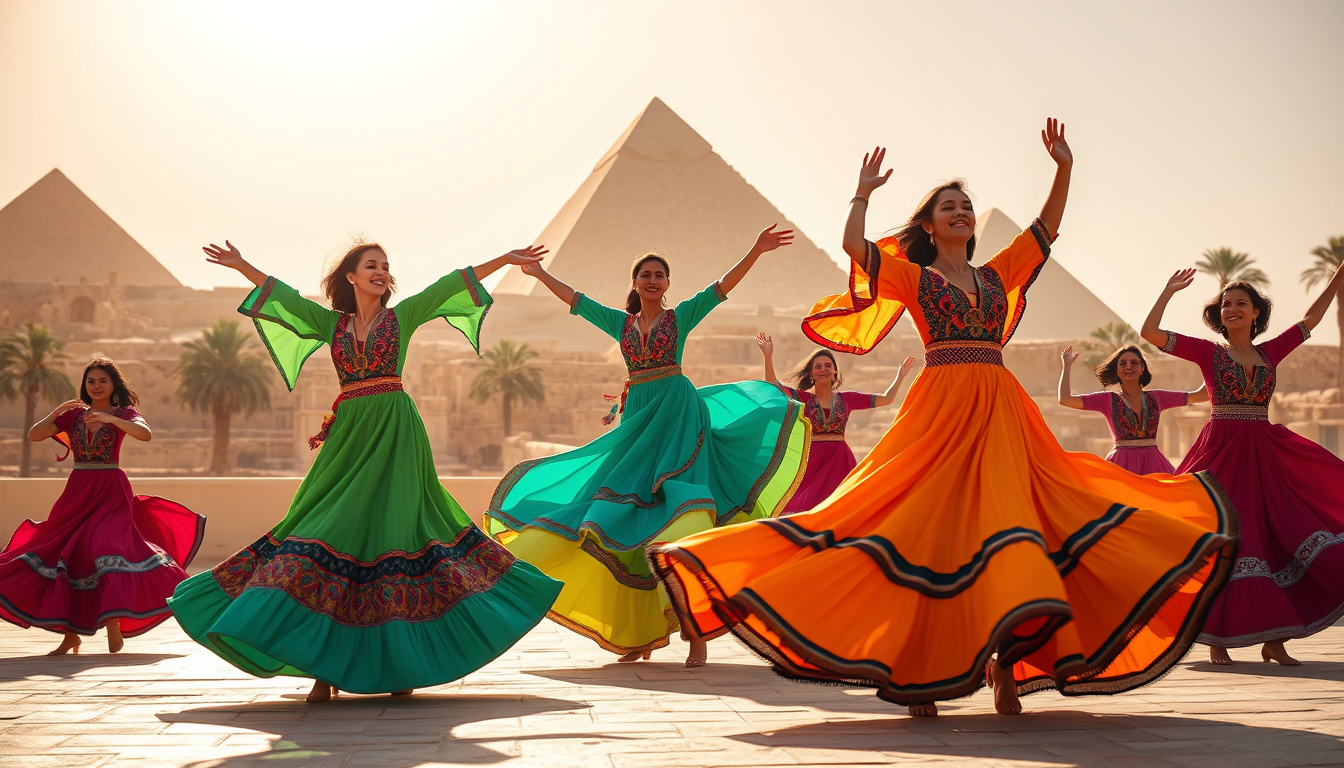
Experience the vibrant culture and spirituality of Egypt by immersing yourself in the enchanting world of Sufi dancing in Egypt.
This captivating art form is not just a performance; it’s a profound expression of faith and devotion that transcends the physical realm.
As you embark on this journey, you will discover the deep-rooted traditions and mesmerizing rhythms that make Sufi dancing a unique facet of Egyptian heritage.
From the whirling dervishes of Cairo to the tranquil gatherings of local communities, Sufi dancing offers a glimpse into the heart of a culture deeply intertwined with spirituality and artistic expression.
 travel itinerary.
‘Dance is the hidden language of the soul.’ – Martha Graham

Types of Sufi Dance Practices in Egypt
## Types of Sufi Dance Practices in Egypt
Sufi dancing in Egypt is a captivating expression of spirituality, culture, and art that enchants both locals and visitors alike.
Rooted in Islamic mysticism, Sufi dance serves as a form of worship and a pathway to spiritual enlightenment.
Among the various Sufi orders prevalent in Egypt, two prominent forms of dance stand out: the Whirling Dervishes and the Samā‘ ceremonies.
### Whirling Dervishes
Best known for their mesmerizing spinning motion, the Whirling Dervishes belong to the Mevlevi order, which traces its origins back to the 13th century through the teachings of the Persian poet Rumi.
In their performances, dancers wear flowing white robes symbolizing purity and a tall, conical hat representing the tombstone of the ego.
The act of spinning is not merely a showcase of skill; it is a spiritual practice aimed at achieving a trance-like state that reflects a union with the Divine.
Visitors can witness these performances at the Galala Theatre in Cairo or during specialized Sufi festivals across Egypt, where the atmosphere is vibrant with rhythm and devotion.
### Samā‘ Ceremonies
On another front, the Samā‘ is often performed within Sufi lodges by members of various orders such as the Tijaniyya and Shadhiliyya.
This involves a combination of rhythmic music, chanting, and dance movements designed to elevate the soul and deepen one’s connection with God.
The accompaniment of traditional instruments, including the oud and daff, enhances the spiritual experience, enveloping participants in an atmosphere of divine ecstasy.
The Samā‘ is not strictly a performance but is often an integral part of a larger gathering aimed at fostering community and collective spiritual growth.
### Cultural Significance
Both forms of Sufi dancing in Egypt transcend mere entertainment; they are a profound reflection of identity, heritage, and spirituality.
The styles and techniques may vary from one region to another, incorporating local musical traditions that enrich each performance.
For enthusiasts of cultural experiences, attending a Sufi dance event provides insight into Egypt’s rich tapestry of traditions and can be a transformative part of one’s journey in the country.
Whether you’re a traveler seeking to explore the depths of Egypt’s mystical traditions or an expatriate looking to immerse yourself in local culture, engaging with Sufi dance practices offers a unique opportunity to witness the interplay of music, movement, and spirituality.
Be sure to check local listings for events and festivals that celebrate this enchanting aspect of Egyptian culture.
Cultural and Historical Context of Sufi Dancing
### Cultural and Historical Context of Sufi Dancing
Sufi dancing in Egypt, often recognized through its captivating whirl and rhythmic movements, is a profound expression of spiritual devotion rooted in the ancient traditions of Sufism.
As a mystical branch of Islam, Sufism emphasizes the pursuit of divine love and knowledge through direct experiences with God.
This practice has a rich historical background, tracing its origins back centuries, providing a unique insight into the spiritual and cultural tapestry of Egypt.
In Egypt, Sufi dancing is predominantly exemplified through the practice known as the Sama, where participants, often clad in vibrant garments, rotate in circles to the sound of traditional music played on instruments like the ney (flute) and the daf (drum).
This form of dance serves not merely as entertainment but as a means of achieving spiritual ecstasy and a deeper connection to the divine.
Historically, it has been influenced by various cultures, including Arabic, Turkish, and Persian elements, creating a distinctive style that resonates deeply with the Egyptian identity.
The famous Whirling Dervishes, originally from Turkey, have contributed to the perception of Sufi dancing in the broader Islamic arts, yet Egypt hosts its own unique traditions that vary by region and local practice.
These dances often occur during religious ceremonies, celebrations, and gatherings, reflecting the communal spirit and devotion of its practitioners.
In contemporary Egypt, Sufi dance has experienced a revival, attracting both locals and tourists who are eager to witness this mesmerizing art form that encapsulates the essence of spiritual devotion and cultural pride.
For visitors and expats, immersing oneself in the experience of Sufi dancing can offer a deeper understanding of Egypt’s rich spiritual landscape and its enduring traditions.

Experiencing Sufi Dance: Where and How to Participate
## Experiencing Sufi Dance: Where and How to Participate
One of the most mesmerizing cultural experiences in Egypt is engaging with the captivating tradition of Sufi dancing.
Known for its deep spiritual significance and mesmerizing visuals, Sufi dancing in Egypt is a practice that connects participants with the divine through movement and music.
### Where to Experience Sufi Dancing in Egypt
The best places to witness this unique art form include Cairo, where you can attend performances at the historic Wekalet El Ghouri Arts Center.
This venue regularly hosts vibrant showcases featuring traditional Sufi dance, which is not merely a performance but a spiritual journey.
Another notable location is the Al Azhar Park, where occasional festivals celebrate Sufi traditions, blending music and dance under the stars.
For those looking to immerse themselves in the culture, consider visiting during one of the annual Sufi festivals in cities like Luxor or Assiut, where the spirit of Sufism is alive with energetic twirls and rhythmic beats.
### How to Participate in Sufi Dancing
If you’re eager to participate in Sufi dancing in Egypt, look for workshops or retreats offered by cultural organizations or local Sufi communities.
These programs often welcome anyone interested in exploring the spiritual and physical aspects of the dance.
Expect to learn the basic movements and the underlying philosophy of union with the divine.
Participating in a Sufi dance class can offer profound insights into the mystical aspect of this dance and can be a rewarding experience that deepens your understanding of the culture.
Whether you’re observing or actively participating, Sufi dancing presents an unforgettable opportunity to connect with Egypt’s rich spiritual heritage.
Don’t miss out on this extraordinary way to experience the beauty of Egyptian culture.
Frequently Asked Questions
What is Sufi dancing in Egypt?
Sufi dancing in Egypt is a form of spiritual expression practiced by Sufi orders, where dancers enter a trance-like state as a way to connect with the divine.
It often involves spinning and rhythmic movements accompanied by music and chanting.
What is the spiritual significance of Sufi dance?
The spiritual significance of Sufi dance lies in its ability to facilitate a deeper connection with God, encourage self-awareness, and promote inner peace.
It serves as a form of worship and meditation, helping practitioners transcend their physical existence.
What types of Sufi dance practices can be found in Egypt?
In Egypt, there are several types of Sufi dance practices, including the Whirling Dervishes’ spinning dance, the Mawlawi tradition, and various regional folk dances that incorporate spiritual themes and rituals.
What is the historical context of Sufi dancing in Egypt?
Sufi dancing in Egypt has roots in Islamic mysticism, dating back centuries.
It reflects the rich cultural tapestry of Egypt, blending indigenous traditions with Islamic practices, and has been a vital part of religious and cultural life for many communities.
How can I experience Sufi dance in Egypt?
You can experience Sufi dance in Egypt by attending live performances at Sufi gatherings, cultural festivals, and specific venues known for such events, particularly in major cities like Cairo and Luxor.
Some organizations also offer workshops for those interested in participating.