
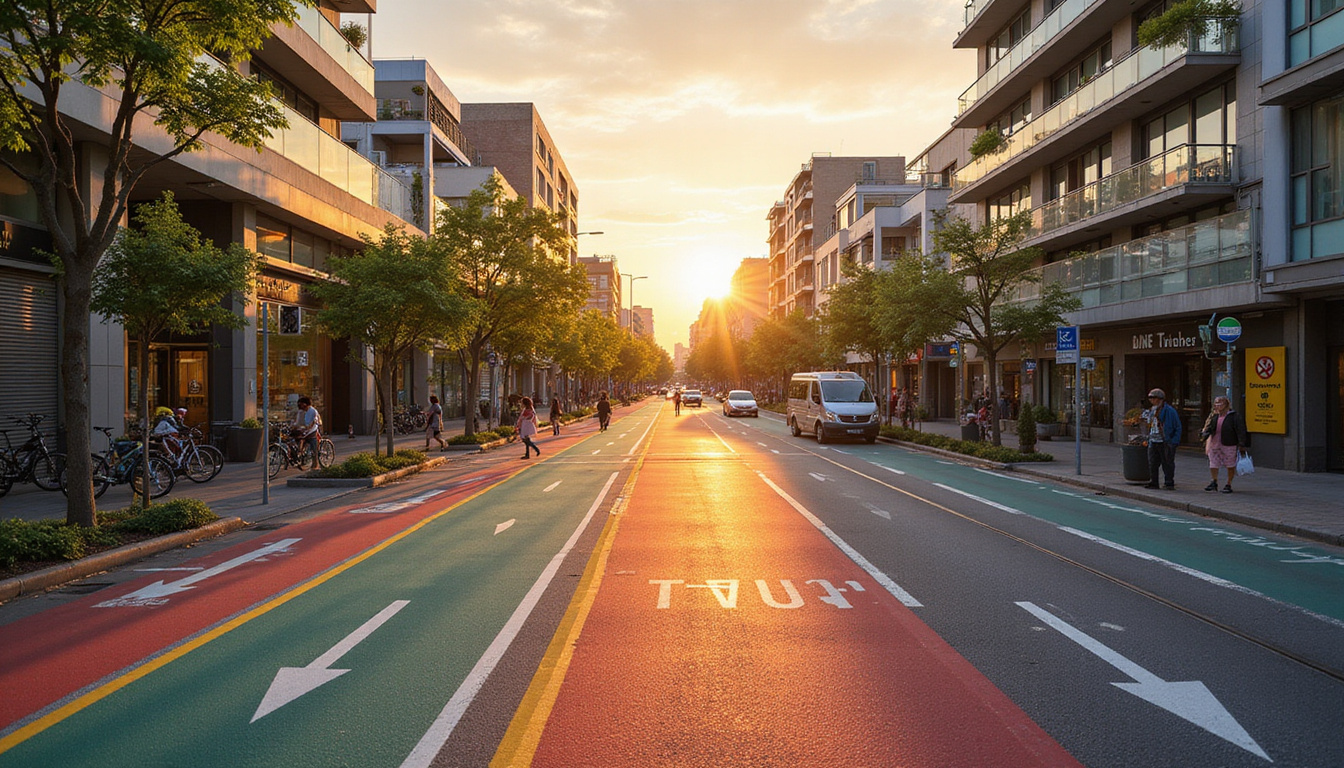
Mixed-use developments are reshaping cities worldwide, blending homes, offices, shops, and leisure spaces into walkable, vibrant communities. When thoughtfully planned, mixed-use developments can reduce commute times, support local businesses, and create safer, more livable neighborhoods that thrive day and night. For investors, city planners, developers, and residents, understanding how these projects work—and how to do them well—is key to building the next generation of successful urban districts.
This guide explores the core principles, design strategies, financial logic, and global best practices behind mixed-use projects, with a special eye on fast-growing urban markets.
What are mixed-use developments?
At their core, mixed-use developments combine multiple property types—most commonly residential, commercial, and office—into a single integrated project or district. Instead of separating where people live, work, shop, and socialize, these projects bring those functions together.
Common mixed-use formats include:
- Residential over retail (apartments above shops or cafes)
- Integrated office, retail, and residential towers
- Lifestyle centers combining malls, entertainment, and housing
- Transit-oriented developments (TODs) clustered around metro or rail stations
- Large master-planned communities with mixed-use “town centers”
A well-executed mixed-use environment creates a self-sustaining ecosystem: residents support the stores and services; offices bring daytime foot traffic; leisure and dining activate evenings and weekends.
Why mixed-use developments are thriving in modern cities
Urban demographics, technology, and lifestyle expectations have shifted dramatically in recent years. Several key trends explain why mixed-use developments are increasingly in demand:
1. Growing preference for walkability
More people—especially younger professionals and downsizing retirees—want to live in walkable neighborhoods where daily needs are reachable on foot or by short transit rides. Mixed-use projects can:
- Reduce reliance on private cars
- Encourage healthier, more active lifestyles
- Cut time lost to commuting
- Support street-level retail and local business
2. Rising value of time and convenience
Time-poor urban residents are drawn to “15-minute neighborhood” concepts, where work, groceries, fitness, childcare, and leisure are close by. Mixed-use developments can deliver:
- On-site supermarkets, cafes, and gyms
- Co-working spaces steps from home
- Services like pharmacies, clinics, and laundry within the same block
3. Stronger real estate resilience
From an investment perspective, diversified income streams make mixed-use properties more resistant to market shocks. If one segment (say, offices) slows, others (such as residential or F&B) can offset losses. This can:
- Smooth rental income
- Enhance long-term asset value
- Attract institutional investors seeking stable, inflation-hedged returns
4. Better urban land efficiency
In land-constrained or high-demand urban cores, mixed-use schemes:
- Maximize value per square meter
- Make better use of infrastructure (roads, utilities, transit)
- Reduce urban sprawl and infrastructure costs per resident
According to the Urban Land Institute, high-quality mixed-use environments can raise nearby property values and support more sustainable urban patterns (source: Urban Land Institute).
Key components of successful mixed-use developments
Not all mixed-use projects succeed. The difference between a thriving urban hub and a lifeless complex often comes down to how components are combined and managed.
1. Thoughtful tenant and use mix
A balanced mix is essential. Typically, a development will combine:
- Residential: Apartments, serviced residences, or townhouses
- Retail & F&B: supermarkets, cafes, restaurants, neighborhood shops
- Office & Co-working: corporate offices, flexible workspaces, professional services
- Leisure & Culture: cinemas, fitness centers, galleries, event spaces
- Public & Civic: plazas, parks, clinics, schools, government services (where feasible)
The goal is synergy: each function should reinforce the others. For example, office workers support lunchtime F&B; residents support evening and weekend trade; cultural spaces attract visitors and raise the area’s profile.
2. Human-centered urban design
Design can make or break mixed-use developments. Winning projects prioritize:
- Walkability: continuous sidewalks, short blocks, safe crossings
- Active frontages: transparent shopfronts, entrances on the street, outdoor seating
- Comfort: shade, seating, greenery, and climate-appropriate materials
- Scale: avoiding monolithic blocks; breaking large buildings into human-scale segments
- Safety: clear sightlines, good lighting, 24/7 activity to improve perceived and actual safety
Ground floors should feel alive and welcoming; upper floors can be more private and quiet.
3. Smart circulation and parking
Because mixed-use projects serve multiple user types, circulation must be carefully planned:
- Separate residential and service entrances for privacy and security
- Loading docks and back-of-house circulation away from primary pedestrian routes
- Enough parking—but not so much that it encourages car dependency
- Parking shared across uses (daytime for offices, evenings/weekends for residents/visitors)
- Integration with public transport, cycling paths, and pedestrian routes
Transit-oriented mixed-use developments—especially around metro or light rail hubs—often see stronger demand and long-term value growth.
4. Flexible, adaptable spaces
Cities evolve. Mixed-use developments that anticipate change will age better. This can include:
- Floor plates that can shift between office, co-working, or residential over time
- Retail units with flexible depths and fronts to accommodate different tenants
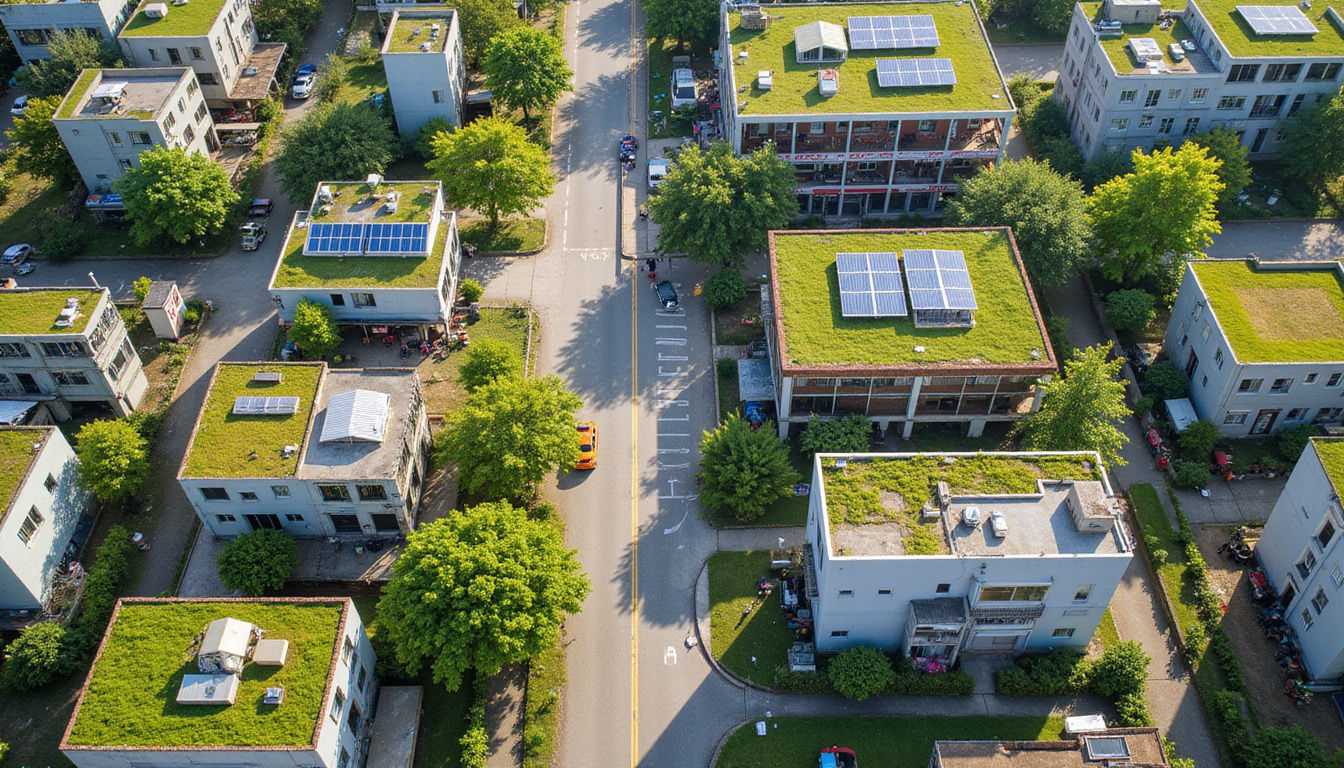
- Provision for future technologies (EV charging, delivery lockers, solar, smart building systems)
Adaptability protects investors and communities against shifts in retail, office, or residential demand.
Smart strategies for planning thriving mixed-use neighborhoods
To move from concept to successful community, developers and planners should adopt a strategic framework.
1. Start with a strong market and context analysis
Before drawing a single line:
- Study local demographics, incomes, and lifestyle preferences
- Analyze current and projected supply for residential, office, and retail
- Identify gaps: Are there too few quality supermarkets? Limited family entertainment? Shortage of grade-A office space?
- Understand transit plans, road networks, and civic investments nearby
The most successful mixed-use developments respond to real demand rather than imposing a generic formula.
2. Anchor uses and phased delivery
Large projects rarely open all at once. Phasing is crucial:
- Identify anchors (e.g., a flagship supermarket, a cinema, or a corporate HQ) that can attract traffic early
- Deliver core infrastructure and essential services in Phase 1
- Add complementary uses—more retail, leisure, and residential—in later phases
- Use early performance data to adjust tenant mix and design in subsequent stages
Anchors help establish the area as a destination, making it easier to lease and sell later components.
3. Curate, don’t just lease
In mixed-use environments, tenant quality and diversity matter more than simply filling space:
- Mix international brands with strong local or regional concepts
- Avoid overconcentration in any single category (e.g., too many cafes)
- Prioritize daily-needs tenants (groceries, pharmacy, basic services) early on
- Support local entrepreneurs with flexible leases or smaller unit sizes
Curated retail and F&B create a unique identity and keep both residents and visitors coming back.
4. Prioritize public realm from day one
Plazas, streetscapes, and pocket parks are not “nice-to-have” extras; they are fundamental.
High-quality public realm:
- Increases footfall and encourages longer visits
- Enhances perceived value of surrounding properties
- Provides social and cultural spaces that anchor community life
- Makes the neighborhood more inclusive and family-friendly
Budget realistically for landscaping, street furniture, lighting, and maintenance.
5. Integrate technology and sustainability
Smart and sustainable mixed-use developments can achieve lower operating costs and higher user satisfaction:
- Energy-efficient building systems and high-performance facades
- Centralized waste management and recycling
- Greywater reuse and efficient irrigation
- Digital wayfinding, smart parking, and tenant apps
- EV charging and support for micro-mobility (bikes, scooters)
These features increasingly influence both tenant decisions and investor interest.
Benefits of mixed-use developments for different stakeholders
Mixed-use projects are attractive because they create overlapping value streams.
For residents
- Shorter or even zero commutes
- Easy access to services, entertainment, and green spaces
- Safer, more active streets thanks to 24/7 presence
- Higher quality of life and stronger sense of community
For businesses and retailers
- Built-in customer base (residents + office workers + visitors)
- Lower marketing costs due to location visibility
- Opportunity for extended trading hours
- Association with a premium, well-designed destination
For investors and developers
- Diversified income sources and risk mitigation
- Potential for premium pricing on well-located units
- Stronger long-term appreciation in maturing urban neighborhoods
- Opportunity to create landmark destinations rather than isolated buildings
For cities and governments
- More efficient use of infrastructure and land
- Higher tax revenues from intensified, high-value land use
- Reduced traffic congestion and emissions if designed around transit
- Stronger urban identity and global competitiveness
For an on-the-ground perspective on mixed-use urban living and costs, this video on The Real Cost of Living In Egypt 2025 provides useful lifestyle and budget context in a rapidly urbanizing market:
Common pitfalls in mixed-use developments (and how to avoid them)
Even promising projects can underperform if certain risks aren’t managed.
Poor integration between uses
- Symptoms: dead zones, awkward circulation, underused plazas.
- Fix: involve experienced urban designers; test circulation diagrams; prioritize ground-floor activation.
Over-reliance on one segment
- Symptoms: vacancy spikes when one sector slows (e.g., office downturn).
- Fix: diversify tenant mix; design spaces that can be repurposed.
Neglecting operations and management
- Symptoms: deteriorating public spaces, inconsistent security, messy signage.
- Fix: establish a strong property management and community association structure from the outset.
Insufficient parking and transport planning
- Symptoms: congestion, resident frustration, tenant turnover.
- Fix: detailed traffic impact studies; shared parking strategies; integration with transit.
Lack of authentic character
- Symptoms: “generic mall” feel, weak emotional connection, short dwell times.
- Fix: local architectural references, community art, support for local brands, regionally relevant landscaping and materials.
Checklist: planning a high-performing mixed-use development
Use this quick checklist when evaluating or designing mixed-use projects:
- Has a detailed market and demographic study been completed for each use?
- Is the site well-connected to existing or planned public transport?
- Does the master plan prioritize pedestrians and public realm over cars?
- Is there a clear anchor (or anchors) to drive early footfall?
- Are uses and tenants complementary rather than competing?
- Are ground floors active, permeable, and human-scale?
- Is there a long-term management and maintenance plan for shared areas?
- Can spaces be adapted if demand shifts over the next 10–20 years?
- Are sustainability and smart systems embedded from the start?
- Does the development create a unique, place-specific identity?
FAQ about mixed-use developments
Q1: What is a mixed-use development in real estate?
A mixed-use development in real estate is a project that combines two or more different land uses—typically residential, retail, office, and sometimes hospitality or civic spaces—into a single integrated site or neighborhood, designed to function as one cohesive environment.
Q2: Are mixed-use properties a good investment?
Mixed-use properties can be strong long-term investments because they diversify income streams across residential, commercial, and sometimes office or hospitality. When located in high-demand, transit-served areas and managed professionally, mixed-use real estate often shows resilient occupancy and steady capital appreciation.
Q3: How do mixed-use urban developments benefit local communities?
Mixed-use urban developments benefit communities by increasing walkability, reducing car dependence, supporting local shops and services, creating safer streets through constant activity, and offering accessible public spaces. They can also stimulate job creation and encourage more sustainable, compact city growth.
Build or choose a mixed-use development that truly thrives
Mixed-use developments are more than an architectural trend; they’re a response to how people actually want to live, work, and connect in contemporary cities. When designed with human experience, market realities, and long-term adaptability in mind, these projects can transform underutilized land into dynamic, prosperous neighborhoods.
Whether you’re a developer shaping a new master plan, an investor reviewing opportunities, or a resident deciding where to live, pay close attention to the mix of uses, public realm quality, transit connectivity, and long-term management strategy. These are the elements that separate successful mixed-use communities from mere collections of buildings.
If you’re considering developing, investing in, or moving into a mixed-use project, now is the time to act. Engage with experienced planners, study leading examples globally, and focus on places that prioritize walkability, integrated services, and strong community life. The most valuable urban neighborhoods of the next decade will be those that get mixed-use right—make sure you’re part of building or choosing one of them.