
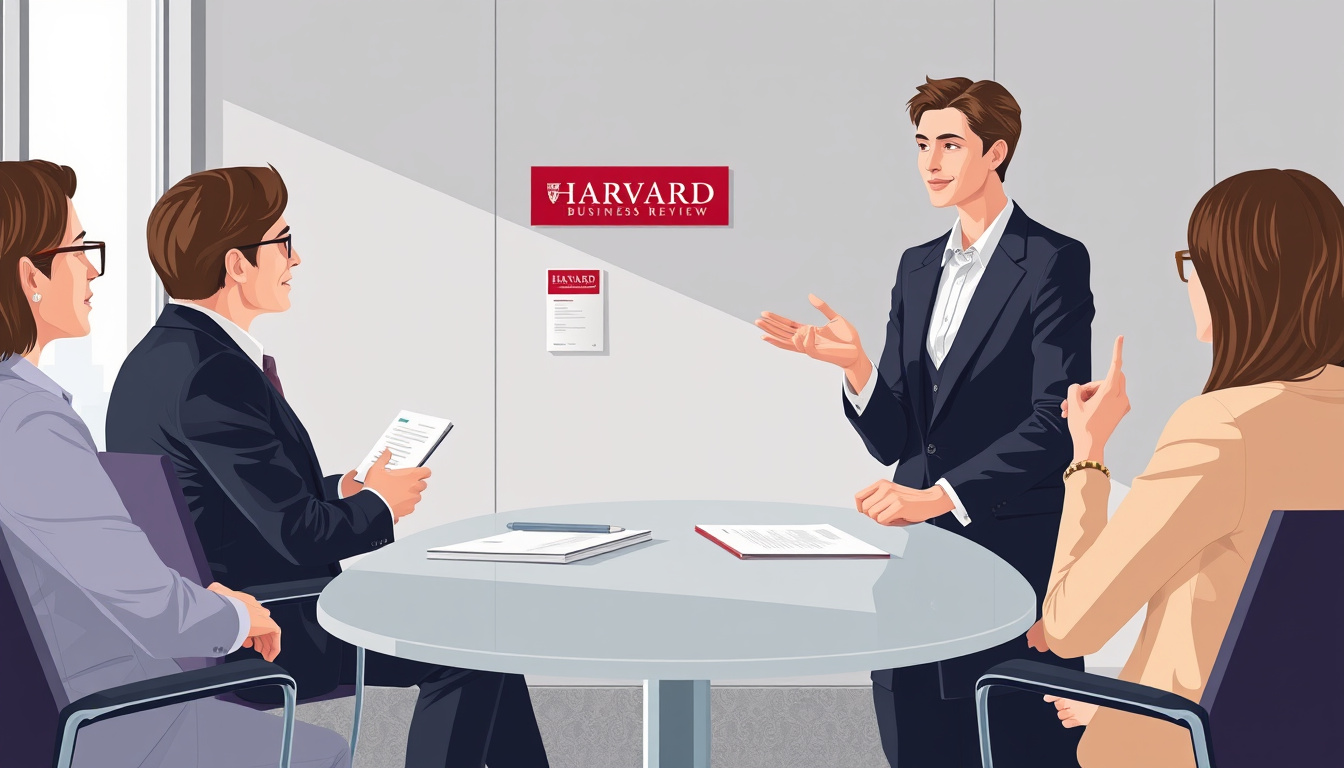
Landing a job interview is a significant milestone in your career journey, but the moments leading up to and during the interview can often feel overwhelming. Conflicting advice like "be yourself" versus "don’t be yourself" can leave candidates confused about how to present their best selves. Drawing from insights shared by Amy Gallo in a Harvard Business Review video, this article unpacks proven strategies to prepare effectively, communicate compellingly, and navigate both in-person and virtual interviews with confidence. Employing these techniques can help you make a memorable impression and significantly increase your chances of success.
Preparing Thoroughly: Doing Your Homework
The foundation of any successful interview is rigorous preparation. Your primary mission is to demonstrate convincingly that you are the ideal candidate for the role. To accomplish this, extensive research about the organization, the job, and the interviewers is indispensable.
Understand the Organization
Start by exploring the company’s structure, culture, and the industry landscape it operates within. Company websites, news articles, industry reports, and employee reviews are valuable sources to build a well-rounded picture. Understanding the company’s mission and values enables you to align your answers with their priorities.
Research the Job and Its Requirements
Delve deep into the job description. Identify the technical competencies and interpersonal skills that are essential. Ask yourself questions like:
- What core skills must I already possess to thrive in this role?
- Which capabilities will I need to develop further?
- What challenges is the organization facing that relate to this position?
Answering these will clarify what you must emphasize during your interview.
Know Your Interviewers
If possible, find out who will interview you. LinkedIn profiles or company bios might reveal shared interests, career paths, or professional achievements that you can reference. Building rapport based on genuine connections can help you stand out and make the conversation more relatable.
Crafting Your Stories: The Power of Narrative
According to author Claudio Fernández-Aráoz, people connect more deeply with stories than with mere data or evidence. Using personal narratives strategically underscores your strengths and adds an emotional dimension that fosters empathy.
Selecting Your Stories
Identify three to four key messages you want to convey that showcase your fit for the role. These should relate directly to the skills and qualities gleaned during your research. For each message, craft a concise story that illustrates how you have demonstrated these attributes successfully.
Structure of a Great Story
Author Vicky Oliver suggests a compelling story comprises a strong beginning, a captivating middle, and a satisfying end:
- Opening line: Grab attention with a strong hook—for example, "Let me tell you about a time I rescued a project in crisis."
- Middle: Describe the obstacles or challenges you faced.
- Conclusion: Explain how you overcame the hurdles and the lessons you learned.
Do not hesitate to include stories about mistakes or setbacks; these humanize you and emphasize your ability to learn and grow.
Rehearsing with Purpose: Practice Makes Perfect
Casting yourself as a confident, competent, and personable professional requires rehearsal akin to preparing for a performance.
Perfect Your Introduction
Research shows interviewers form judgments within the first 30 seconds, so get your opening line right. Practice in front of a mirror to assess your posture, tone, facial expressions, and body language. Aim to communicate a calm, clear, and confident demeanor.
Narrate Your Stories with Energy
Memorize the flow of your stories but keep delivery natural and enthusiastic. Consider recording yourself or rehearsing with a friend who can provide constructive feedback. Adjust your delivery based on this feedback to ensure your presence is engaging and credible.
Engaging in Conversational Interviews
Instead of seeing the interview merely as a performance to win the job, approach it as a meaningful conversation with the interviewer.
Demonstrate Curiosity
Show genuine interest or at least simulate curiosity by asking open-ended questions related to the discussion. This practice invites mutual exchange and often leads to a more relaxed and organic dialogue.
Be Ready to Improvise
While it’s crucial to prepare, rigidity can be detrimental. Listen actively and embrace the "yes, and" mindset from improv theater—build on your interviewer’s statements to keep the flow dynamic and relevant. If your prepared stories seem off-mark, be flexible in adjusting your responses or even letting the interviewer take the lead.
Overcoming Common Interview Challenges
Despite best efforts, interviews don’t always go perfectly. Here are strategies to manage common pitfalls.
Addressing Lack of Direct Experience
If your background lacks some specific experience, redirect attention towards your ability to learn quickly and adapt. For example, emphasize similar challenges you have overcome or transferable skills that demonstrate competence.
Handling Difficult Resume Questions
Interviewers might probe gaps or short tenures on your CV. John Lees advises preparing multiple levels of answers: provide a concise initial response and have deeper explanations ready if pressed. For instance, regarding an unfinished degree, your first reply might be, “I chose to enter the workforce to gain practical experience,” followed by a detailed explanation if asked further.
Recovering from Mistakes
If you stumble during the interview or sense waning interest, don’t dwell. Stay present and answer the next question as if it’s a fresh start. Acknowledging awkward moments with sincerity—such as asking if you’re providing enough information—can help regain rapport.
Preparing for Virtual Interviews
With remote interviews increasingly common, additional preparation is required.
Organize Your Space
Ensure your background is tidy and distraction-free. A cluttered or messy area can subconsciously influence interviewers’ impressions negatively. Test lighting and sound quality ahead of time for a professional appearance.
Technical Preparedness
Familiarize yourself with the interviewing platform and have a backup plan for potential technical difficulties. Closing unnecessary applications and notifying household members to avoid interruptions are also advisable.
Frequently Asked Questions (FAQ)
Q1: How much research is too much research before an interview?
A1: There is no such thing as “too much” research if it helps you feel prepared and confident. However, avoid obsessing over every detail; focus on key areas—the company’s mission, the role’s requirements, and your interviewer’s background—to maintain clarity and relevance.
Q2: Should I memorize my stories word-for-word?
A2: Memorizing your stories rigidly can lead to sounding rehearsed and unnatural. Learn the main points and structure of each story but allow room for flexibility so you can adapt them fluidly to the questions posed.
Q3: How do I balance being authentic with performing a role in the interview?
A3: Think of "performing" as emphasizing your best traits authentically, not fabricating a false persona. Present yourself confidently and positively while staying true to your values and experiences.
Q4: What if the interviewer seems uninterested or distracted?
A4: Maintain professionalism and engagement. Use open-ended questions to re-capture their attention. If necessary, adjust your tone or delivery, and if the interviewer dominates the conversation, allow them space but look for moments to contribute meaningfully.
Q5: How important is body language in virtual interviews?
A5: Extremely important. Good eye contact (looking into the camera), an open posture, and occasional nodding signal attentiveness and enthusiasm, compensating for the lack of physical presence.
Q6: Can I ask the interviewer questions about their own experience?
A6: Yes! Thoughtful questions about the interviewer’s role or career journey can demonstrate genuine interest and help build rapport, making the interaction more memorable.
Q7: How do I handle anxiety before and during the interview?
A7: Preparation builds confidence, which reduces anxiety. Use deep-breathing exercises, positive visualization, and remind yourself that interviews are a two-way process to find mutual fit.
Conclusion
Mastering job interviews is both an art and a science. By conducting thorough research, crafting compelling personal stories, practicing strategically, and engaging in authentic conversations, you create an interview experience that leaves a lasting impression. Additionally, being adaptable—especially when handling difficult questions or unforeseen issues—and preparing thoughtfully for virtual formats will enhance your professional presence. Following these Harvard Business Review-backed strategies, you will not only boost your confidence but also position yourself as the ideal candidate for your desired role. Remember, every interview is an opportunity to tell your unique story—make sure it’s one worth remembering.