
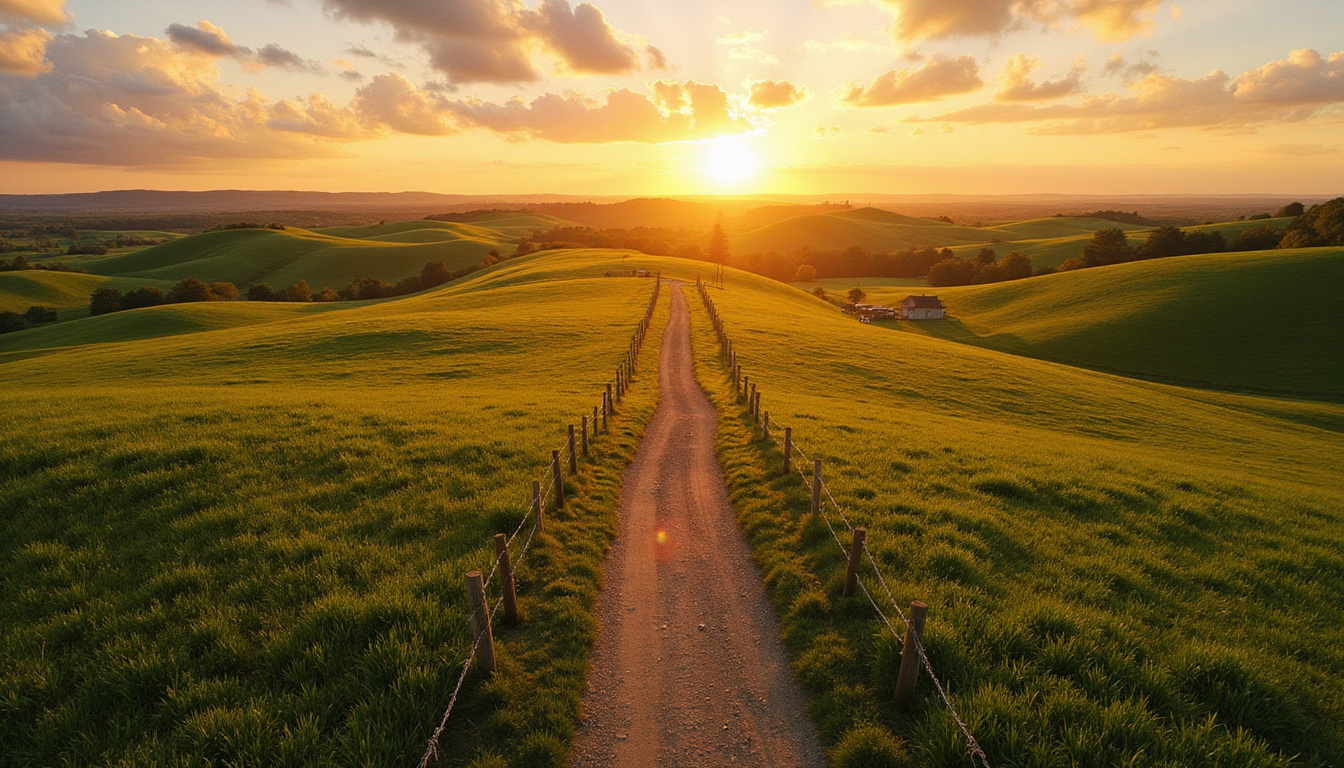
If you’ve been searching for land for sale with real long-term upside, rural plots in and around Egypt’s emerging areas deserve a close look. Whether you’re an investor, a future homeowner, or an expat planning your next chapter, the right piece of land can offer affordability today and impressive appreciation tomorrow. The key is understanding locations, regulations, and how to evaluate true investment potential before you commit.
Below is a practical, people-first guide to help you navigate rural land opportunities with confidence.
Why Rural Land for Sale Is Attracting Smart Buyers
Urban apartments and villas in Egypt’s hotspots get most of the attention, but rural land for sale is quietly becoming a favorite among strategic investors for several reasons:
- Lower entry prices – You pay far less per square meter compared with city property.
- Future growth – Infrastructure projects, new roads, and services often push up land values.
- Flexibility – Use the land for farming, a family home, small tourism project, or long-term hold.
- Hedge against inflation – In many markets, land has historically held or increased its real value over time (source: World Bank – Land & Property).
Rural land does demand more due diligence, but the trade-off is greater upside and more creative options.
Key Types of Rural Land for Sale
Before you buy, clarify exactly what kind of land you’re targeting. In Egypt and similar markets, you’ll typically see:
1. Agricultural Land
These are plots officially zoned for farming or animal husbandry. They usually offer:
- Fertile soil (especially in Nile-adjacent areas)
- Access to irrigation canals or wells
- Restrictions on non-agricultural construction
Agricultural land for sale can generate steady income through crops or leasing to local farmers, but you must understand local zoning rules if you plan to build a house or tourism units later.
2. Desert or Reclaimed Land
Governments have encouraged development away from dense old city centers by supporting:
- New reclamation projects
- Desert farming zones
- New urban communities
These areas can be riskier early on—limited services and infrastructure—but often come with huge long-term potential once roads, utilities, and communities mature.
3. Mixed-Use or Residential-Ready Plots
Closer to towns or secondary cities, you’ll find rural plots already:
- Subdivided
- Zoned for residential or mixed use
- Connected (or easily connectable) to utilities
These parcels suit buyers who want to:
- Build a family home with a garden
- Create guesthouses or eco-lodges
- Develop small residential clusters for resale
How to Evaluate Investment Potential on Rural Land for Sale
Not all cheap land is a bargain. Assess each plot through five main lenses:
1. Location & Access
“Location” is more than distance to Cairo or Alexandria. Ask:
- How far is the land from the nearest paved road?
- Are there bus or microbus routes nearby?
- How long to the closest town, hospital, and school?
- Is there a planned highway or new road in the area?
Rural land for sale that’s slightly farther out but near a future transport project can outperform plots closer in with no planned upgrades.
2. Legal Status & Title
Never skip the legal checks. Confirm:
- Clear, registered title in the seller’s name
- No outstanding debts, liens, or disputes
- Zoning classification (agricultural, residential, industrial, mixed)
- Building or land-use restrictions
Work with a local real estate lawyer who understands regional land rules. Legal clarity is often more important than getting the lowest price.
3. Utilities & Infrastructure
Services dramatically affect both land value and development costs:
- Electricity: Is there a nearby line? How much will connection cost?
- Water: Municipal connection, irrigation canal, or well options?
- Sewage: Central system, septic tank, or none yet?
- Internet & mobile: Coverage and speed in the area?
Factoring in these costs upfront helps you compare different plots more realistically.
4. Soil Quality & Topography
For agricultural or eco-tourism uses:
- Test soil fertility and salinity where possible.
- Examine slope and elevation (impacts building, erosion, and irrigation).
- Check flood risk or waterlogging in winter.
Flat, well-drained plots with decent soil are easier to farm and build on, making them more liquid when you eventually sell.
5. Market Indicators
Study local and regional trends:
- Are nearby villages or small towns expanding?
- Any new compounds, industrial zones, or universities planned?
- Are other investors actively buying land for sale in the same region?
Ask local brokers and residents what’s changing. Early awareness of a new road, resort, or industrial park can reveal underpriced pockets.
Popular Regions to Watch (Egypt-Focused)
Specific hotspots evolve over time, but several patterns are clear:
Nile-Adjacent Agricultural Zones
Farms and small holdings near the Nile or its canals remain popular because of:
- Reliable water sources
- Strong local demand for food production
- Easier access to established communities
Prices can be higher than deep desert plots, but rental and agricultural income potential compensates.
New Urban Extensions & Satellite Towns
Areas around new cities or infrastructure corridors (such as new administrative or industrial hubs) often see:
- Government-driven investment
- New roads, utilities, and services
- Rising demand from young families and professionals
Buying affordable land for sale early in these zones can position you for strong capital growth.
Coastal Hinterlands
Land a short drive inland from:
- North Coast (Sahel)
- Red Sea destinations (Hurghada, El Gouna, Marsa Alam, etc.)
…can benefit from tourism growth without paying beachfront premiums. Ideal for:
- Eco-lodges
- Boutique farms with guest units
- Weekend homes
Practical Steps Before You Buy Rural Land
Use this simple checklist to minimize risk:
- Visit the land in person (ideally more than once, at different times of day).
- Speak with neighbors about water, access, security, and local issues.
- Confirm zoning and building rules with the local authority (or have your lawyer do it).
- Check access roads in both dry and rainy seasons—can a normal car reach the plot?
- Request official mapping documents (plans, coordinates, registration extract).
- Calculate total development cost, not just purchase price (utilities, fencing, permits, etc.).
- Negotiate payment terms; many rural sellers accept staged payments.
- Hire a surveyor to confirm boundaries match the title.
Treat these steps as non‑negotiable whenever you evaluate land for sale outside major cities.
Smart Ways to Use Rural Land for Sale
Once you secure the right plot, how you use it will shape both your returns and your lifestyle.
1. Buy-and-Hold Investment
For long-term investors:
- Fence and mark your boundaries clearly.
- Keep documentation organized and updated.
- Monitor nearby projects and infrastructure improvements.
You may not develop immediately. The value of your land can climb simply as the surrounding area upgrades.

2. Small-Scale Agriculture
Depending on soil and water:
- High-value crops (herbs, olives, dates, citrus)
- Organic vegetables serving city markets
- Cooperative arrangements with local farmers
Agricultural land for sale can produce both income and appreciation, especially as population growth sustains food demand.
3. Rural Home or Holiday Retreat
Build a modest home or chalet with:
- Solar panels and a well-planned water system
- Fruit trees and vegetable garden
- Guest rooms for friends or short-term rentals
This option suits expats and urban residents seeking a quieter second home with lower living costs. For lifestyle insights, watch:
Things I Wish I Knew Before Moving to Egypt – My Honest Experience
4. Eco-Tourism or Guesthouse
If your land is near a scenic area, historical site, or coast:
- Eco-lodges built with local materials
- Farm stays offering authentic rural experiences
- Wellness or retreat centers
Tourism-oriented land uses can command premium nightly rates while staying relatively low-cost to build compared with city hotels.
Common Mistakes to Avoid When Buying Rural Land
Even experienced investors sometimes stumble on rural land for sale. Watch out for:
- Skipping professional legal advice – Verbal assurances are not enough.
- Assuming you can “change zoning later” – In many areas, this is slow, costly, or impossible.
- Underestimating infrastructure costs – Extending water or electricity can be more expensive than the land itself.
- Buying sight unseen – Satellite maps help, but they don’t show seasonal access issues or neighbor behavior.
- Ignoring resale strategy – Think today about who might buy your land from you in 5–10 years.
A cautious approach at the start protects your capital and your peace of mind.
Financing Options for Rural Land Purchases
Depending on the country, banks may be cautious about financing rural plots, but you still have options:
- Cash purchase – Simplest and gives you strong negotiating power.
- Seller financing – Installment payments directly to the current owner.
- Partnerships – Joint purchase with family, friends, or other investors.
- Developer plans – In organized rural projects, some developers offer payment schedules over several years.
Always align financing with your time horizon and risk tolerance. Avoid over-leverage; land is a long-term asset, and you need breathing room.
Who Rural Land for Sale Is Best Suited For
You’re likely a good fit for rural land investing if you:
- Have a long-term view (5–15 years)
- Can tolerate some short-term illiquidity
- Are willing to do homework on legal and zoning issues
- Want flexibility in how you eventually use your property
- Appreciate the idea of owning a tangible, finite resource
On the other hand, if you need quick returns or instant rental income, a finished apartment or city unit might suit you better than raw land.
FAQ: Buying Land for Sale in Rural and Emerging Areas
1. Is buying rural land for sale a good investment?
Rural land for sale can be an excellent investment if you choose the right location, verify legal status, and understand local demand drivers. Plots near evolving infrastructure, new towns, or tourist corridors often see the strongest growth.
2. What should I check before purchasing land for sale by owner?
When dealing with land for sale by owner, insist on:
- Registered title in the seller’s name
- Official land plan and coordinates
- Confirmation of zoning and any restrictions
- A written sale contract reviewed by your lawyer
Never rely solely on informal agreements or verbal promises.
3. Can foreigners buy land for sale in Egypt?
Regulations for land for sale in Egypt depend on area and property type. Foreigners generally can buy in many new urban communities and designated zones, sometimes with restrictions on resale timing or land size. Always consult a local legal expert to understand current rules before committing.
Take the Next Step Toward Your Ideal Plot
If you’ve been waiting for the right moment to act, now is the time to start exploring rural land for sale with intention. Begin by defining your goals—investment, lifestyle, or a mix of both—then shortlist regions that match your budget and risk profile. Visit promising areas, talk to locals and agents, and bring in a trusted lawyer and surveyor before you sign anything.
The most successful land buyers aren’t necessarily the ones with the biggest budgets—they’re the ones who do careful due diligence and move decisively when they find a high‑potential plot. Start your search today, and you could secure an affordable rural property that grows in value for years to come.