
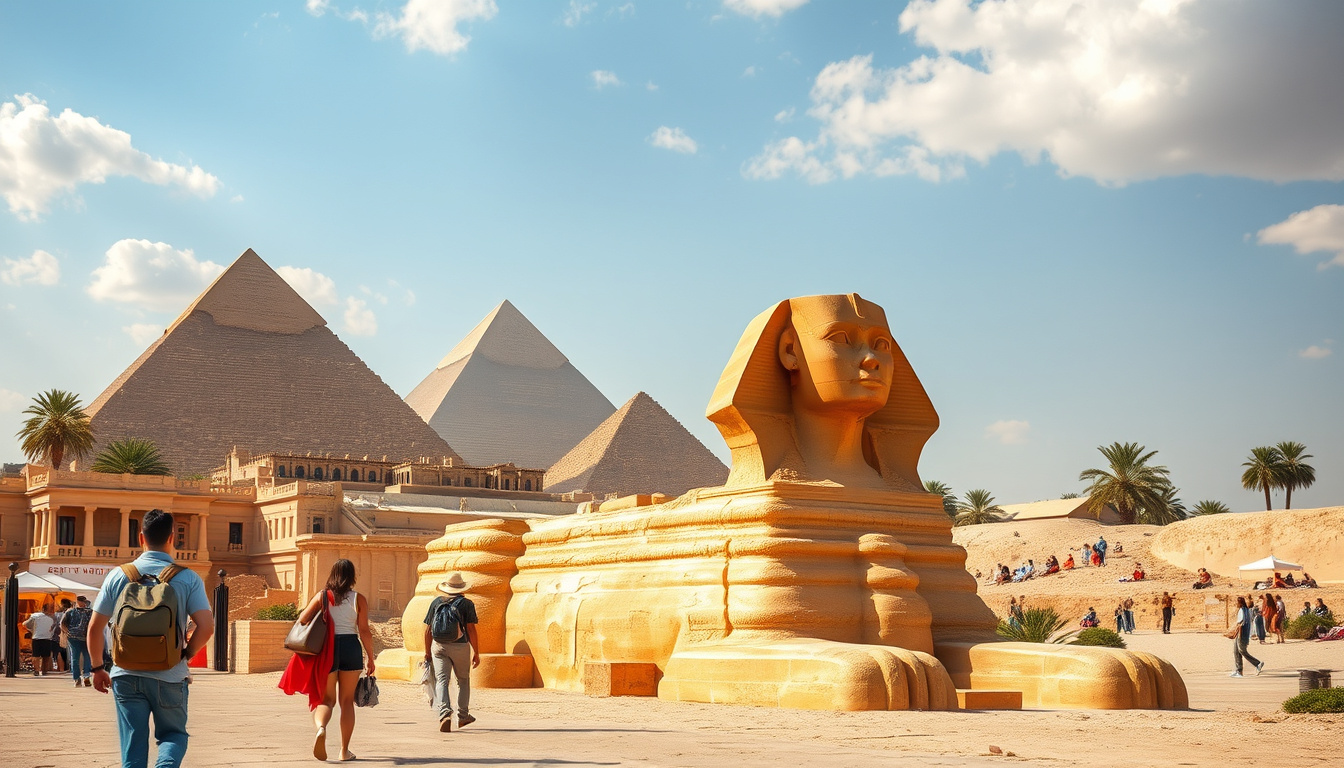
Egypt, a land steeped in ancient history and vibrant culture, is a captivating destination for travelers worldwide. Whether you are drawn by the grandeur of the Pyramids, the allure of the Red Sea, or the bustling streets of Cairo, preparing for your journey with the right knowledge can make your experience much more enjoyable and stress-free. In this comprehensive guide, we explore essential insights and practical tips to know before exploring Egypt.
Arrival and Visa Information
When planning your trip to Egypt, understanding the visa requirements is critical. Visitors can obtain a 30-day all-Egypt visa on arrival at most international airports and border crossings for a fee of approximately $25 USD. This all-inclusive visa allows travelers to freely move across Egypt’s major regions, including Cairo, Alexandria, Luxor, and Sharm El-Sheikh, without needing to purchase separate visas for each district.
It is important to ensure you obtain this comprehensive visa; otherwise, you might need to apply for multiple visas if you plan to explore various districts. Confirm your visa options before traveling to avoid inconveniences upon arrival.
Best Time to Visit Egypt
Egypt’s weather largely dictates the best travel seasons. The recommended period to visit is from October to April, when temperatures are milder and more comfortable for sightseeing. The summers, especially July and August, can be extremely hot, with midday temperatures soaring, making outdoor activities challenging.
If visiting during the hotter months, it is advisable to plan your outdoor excursions early in the morning or later in the afternoon to avoid the intense midday heat between 12 PM and 3 PM. This timing is especially important for excursions to places like the Pyramids of Giza and the Valley of the Kings.
General Facts About Egypt
Before arriving, it helps to know some foundational aspects:
- Population: Approximately 102 million people.
- Official Language: Arabic.
- Currency: Egyptian Pound (EGP).
- Egypt is often regarded as one of the cradles of civilization, with its rich archaeological heritage drawing millions of history enthusiasts.
Old Egypt vs. New Egypt
Egypt today reflects a split identity:
- Old Cairo: Characterized by historic sites, traditional bazaars, and a more ancient aura that transports visitors back thousands of years.
- New Cairo: A modern urban environment with contemporary infrastructure, shopping malls, international restaurants, and Western-style amenities.
Travelers will experience two distinct worlds within the same country, both offering unique perspectives and charm.
Safety Tips for Travelers
While Egypt is generally safe for tourists, exercise common travel precautions:
- Daytime Exploration: Most locals recommend exploring cities, especially Cairo, during daylight hours when the streets are livelier and considered safer.
- Stay Vigilant: Urban areas can be busy and fast-paced, so keep an eye on your belongings.
- Professional Guides: If you feel uneasy about navigating alone, hiring a professional tour guide can enhance your security and enrich your experience by offering deep local insights.
- Beware of Hustlers: Tourist-heavy areas like the Pyramids and bazaars often attract vendors and hustlers. Be cautious of offers that seem too good to be true and always negotiate prices upfront to avoid hidden fees.
Navigating Marketplaces and Negotiation Tips
When visiting Egyptian bazaars or tourist spots:
- Vendors often insist on delays before discussing prices, which tend to inflate the final cost.
- Always agree on the price before committing to a purchase or service.
- Polite but firm negotiation is key; it’s common practice and expected.
- To avoid stressful haggling, consider booking tours or services through your hotel, where prices are transparent and scams less likely.
Egyptian Cuisine: What to Expect
Egyptian food is a delightful mix of flavors:
- Staples: Meat dishes, rice, and stuffed vegetables.
- Popular Items: Kebabs, shawarma, falafel, hummus, stuffed grape leaves, and various fresh salads featuring tomatoes and leafy greens.
- Bread is central, with many varieties offered throughout the day.
Street Food and Sanitation
While street food offers authentic experiences, be cautious of food hygiene, particularly regarding water and uncooked ingredients. Travelers unfamiliar with local food safety might want to stick to cooked items like kebabs or shawarma to avoid gastrointestinal issues sometimes humorously referred to as “the Cairo crud.”
Breakfast Insights
Typical breakfasts in hotels may include a selection of eggs, cheese, yogurt, and fresh bread, but pork or bacon dishes are uncommon due to dietary customs. Western-style eateries and international chains are plentiful in New Cairo and larger urban centers.
Accommodation Options
Egypt offers a wide range of accommodations depending on your budget and preferences:
- Resort Hotels: Many areas including Cairo, Luxor, and Sharm El-Sheikh have luxurious resorts operated by international brands such as Hyatt, Marriott, Four Seasons, and St. Regis.
- Budget Stays and Airbnb: Affordable apartments can be found for as low as $20 per night, especially in New Cairo, but always research neighborhoods carefully to ensure safety and convenient access to tourist sites.
- Location Matters: Choosing your accommodation near attractions or public transport hubs saves time and reduces transportation hassle.
Transportation and Getting Around
Understanding transportation can ease your travel logistics:
- Long-Distance: Traveling between cities like Cairo and Luxor can be done by plane for speed or by sleeper train for a more adventurous and scenic route.
- Short-Distance: For trips such as Cairo to Alexandria, private car hires or taxis are better options than renting cars due to local driving conditions and traffic norms.
- Buses: Public buses exist but can be unreliable; breakdowns are not uncommon.
- Tour Operators: Consider private tours or local drivers recommended by your accommodation for convenience and safety on local sightseeing trips.
Activities and Attractions
Egypt offers diverse experiences beyond the ancient sites:
- Historic Landmarks: The Pyramids of Giza, Sphinx, the Valley of the Kings, Abu Simbel Temples, Luxor Temple, and Mount Sinai (Moses Mountain), ideal for history enthusiasts.
- Nile River Cruises: Experience floating hotels with live entertainment, buffets, and scenic views along the historic river.
- Red Sea Adventures: Sharm El-Sheikh and Hurghada are premier spots for snorkeling, diving, parasailing, and other water sports, boasting some of the world’s most pristine coral reefs.
- Beach Leisure: Quiet walks along the sandy beaches, floating docks, and watercraft rentals like jet skis and banana boats are popular in coastal resorts.
Frequently Asked Questions (FAQs)
1. Do I need a visa before traveling to Egypt?
No, most nationalities can obtain a 30-day all-Egypt visa on arrival at airports for around $25 USD. Always check with your nearest Egyptian consulate for current policies.
2. What is the best time of year to visit Egypt?
The ideal time is from October to April, when temperatures are moderate. Avoid the intense summer heat from June to August.
3. Is Egypt safe for solo travelers?
Yes, but exercise regular travel safety precautions. Stick to daytime tours and consider guided excursions to enhance safety.
4. What local foods should I try in Egypt?
Don’t miss traditional dishes like kebabs, shawarma, falafel, stuffed grape leaves, and fresh Egyptian bread. Be cautious with street food sanitation.
5. How can I get around Egypt efficiently?
Use domestic flights or sleeper trains for long distances. For local travel, rely on taxis, private drivers, or guided tours instead of renting a car.
6. Are there Western-style amenities in Egypt?
Yes, especially in New Cairo and resort areas where international food chains and grocery stores are common.
7. Can I explore both ancient and modern Egypt in one trip?
Absolutely. Egypt offers a fascinating blend of ancient treasures in Old Cairo and vibrant modern life in New Cairo.
Conclusion
Exploring Egypt is a unique journey through time, culture, and natural beauty. Knowing essential details such as visa requirements, best visiting seasons, safety tips, cuisine, transportation, and activities will equip you for a smooth and enriching adventure. Whether wandering among the pyramids, cruising the Nile, or diving in the Red Sea, Egypt promises an unforgettable experience. Careful planning and an open mind will help you make the most of this extraordinary destination.
Embark on your Egyptian adventure well-prepared and immerse yourself in the wonders of one of the world’s oldest civilizations fused with a dynamic modern culture. Safe travels!