
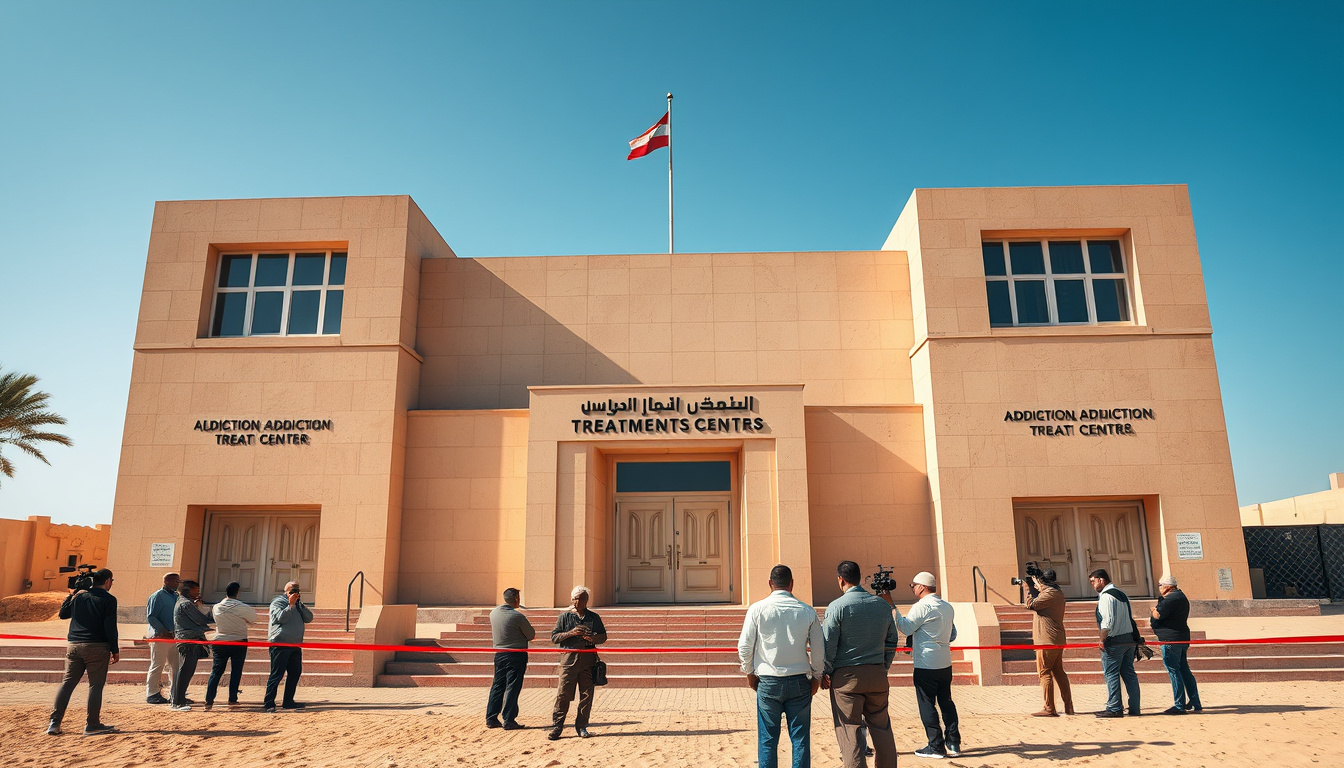
In recent weeks, the Egyptian Ministry of Health has taken significant action to combat the growing issue of unlicensed addiction treatment centers across the country.
Following alarming allegations of mistreatment and abuse, particularly after a viral video showcased a mass escape from one such facility, the Ministry has shut down 32 unlicensed centers operating in governorates such as Alexandria, Sharqia, Beheira, and Dakahlia.
This decisive move not only highlights the urgent need for regulation in the mental health sector but also reflects a broader commitment to ensuring the safety and well-being of vulnerable individuals seeking treatment for addiction.
In this article, we dive into the background of these centers, the government’s response to the crisis, and what this means for the future of addiction treatment in Egypt.

Key Takeaways
- The Egyptian government closed 32 unlicensed addiction treatment centers due to allegations of abuse and mistreatment.
- Joint inspections revealed violations such as lack of proper licenses and inadequate care standards at these facilities.
- Licensed centers are also under scrutiny to ensure compliance with health regulations and to rectify any identified issues.
Background on Unlicensed Addiction Treatment Centers
In recent weeks, a significant crackdown on unlicensed addiction treatment centers has taken place in Egypt, as the Ministry of Health swiftly responded to alarming reports of mistreatment.
Following a viral video showcasing the chaotic escape of residents from one particular facility, authorities launched thorough investigations that ultimately led to the closure of 32 centers across various governorates, including Alexandria, Sharqia, Beheira, and Dakahlia.
These facilities were operating without the necessary licenses, violating crucial health and legal standards.
Notably, in Alexandria, eight centers, including the Dar El-Safa Center, were closed, alongside 11 in Sharqia and Beheira, following discoveries of unqualified staff, inadequate infection control measures, poor hazardous waste management, and lack of proper recordkeeping.
As part of their ongoing commitment to ensuring safe and humane treatment for individuals struggling with addiction, the Ministry has also mandated that licensed centers in Dakahlia address any medication-related violations within a strict 15-day timeframe.
This decisive action underscores the Egyptian government’s dedication to upholding the integrity of addiction treatment services and ensuring that individuals receive the care they deserve in a safe and regulated environment.
Government Response and Future Actions
The government’s response to this troubling situation reflects a broader commitment to safeguard public health and ensure the rights of vulnerable populations.
By shuttering these unlicensed facilities, the Ministry of Health not only aims to prevent further abuse but also to set a precedent for the management of addiction treatment services across the country.
The inspections revealed appalling conditions, including the presence of untrained personnel and significant lapses in sanitation that could threaten the well-being of patients.
Moving forward, the Ministry indicated plans for stricter regulation and oversight of all treatment centers, including implementing a robust licensing process and regular audits to maintain compliance with health standards.
This approach signifies a crucial shift towards transparency and accountability, fostering an environment where patients can seek help without fear of mistreatment or neglect.