
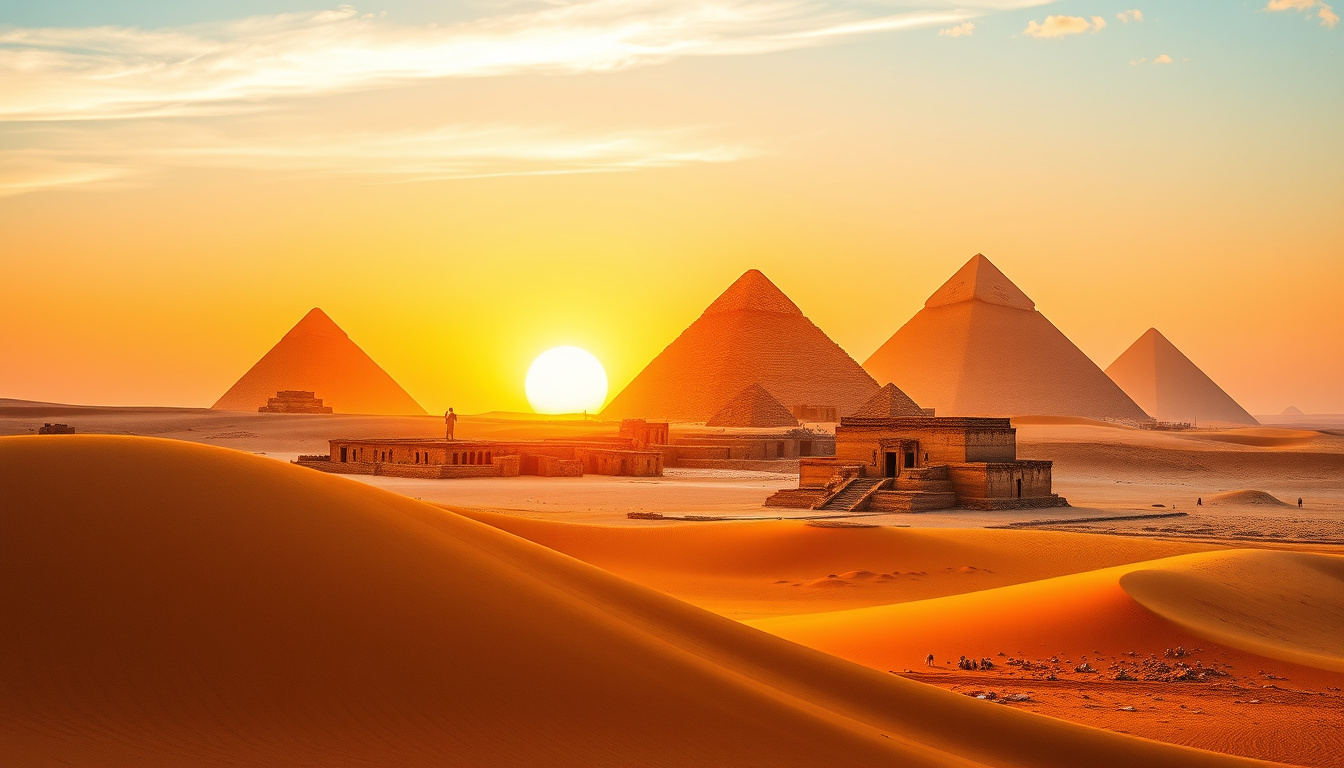
Egypt is a land that effortlessly blends ancient history with vibrant culture, offering a unique adventure for every traveler. Known worldwide for its iconic pyramids, mysterious mummies, and powerful pharaohs, Egypt’s wonders extend far beyond these well-trodden symbols. From bustling cities and ancient temples to breathtaking beaches and surreal deserts, this country invites explorers to uncover its diverse landscapes and rich heritage. Here’s a guide to twelve must-see destinations in Egypt that promise unforgettable experiences for every adventurer.
1. Cairo: The Heartbeat of Egypt
As Egypt’s capital, Cairo pulsates with energy and history. Walking through its streets, visitors are immediately immersed in an exotic and welcoming atmosphere. This sprawling metropolis offers a fascinating blend of old and new, where impressive monuments and architectural marvels await at every turn.
Highlights in Cairo include:
- The Citadel: A medieval Islamic fortification with panoramic views of the city.
- Al-Azhar Park: A lush green oasis ideal for relaxation amid urban hustle.
- The Cairo Tower: Offering sweeping vistas over the cityscape and the Nile River.
- Islamic Cairo and Khan El Khalili Bazaar: Wander through the walled medieval market, vibrant with colorful lamps, jewelry, fabrics, spices, and perfumes. The historic cafés and street eateries here provide authentic local flavors.
- The Hanging Church: Located in the Coptic Quarter, this remarkable church stands atop the ancient Babylon Fortress, showcasing Egypt’s Christian heritage.
Cairo’s diverse sites make it an essential starting point to understand Egypt’s identity.
2. Giza: Home of the Pyramids and the Great Sphinx
Just outside Cairo, the city of Giza is legendary for its timeless monuments. The vast Giza Plateau hosts Egypt’s most famous pyramids:
- The Pyramid of Cheops (Khufu): The largest pyramid, built around 2500 BC.
- The Pyramid of Khafre: Distinguished by the remnants of its original smooth casing stones at the top.
- The Pyramid of Menkaure: The smallest but equally fascinating pyramid.
In addition to these colossal tombs, the iconic Great Sphinx of Giza—a lion’s body with a human head—stands guard, symbolizing strength and wisdom. Visiting Giza offers a profound connection to Egypt’s ancient civilization.
3. Alexandria: The Mediterranean Gem
Located on Egypt’s northern coast along the Mediterranean Sea, Alexandria is a vibrant city rich in history and culture:
- The Great Library of Alexandria: Although the original library no longer exists, the modern Bibliotheca Alexandrina celebrates the city’s legacy as a center of learning.
- Roman Ruins: Temples, fortresses, palaces, and amphitheaters reveal Alexandria’s significance during Roman times.
- Historic Lighthouses: Once home to the Pharos Lighthouse, one of the Seven Wonders of the Ancient World.
- Beaches and Coastal Charm: Alexandria’s Mediterranean beaches are perfect for relaxation, offering an alternative to desert adventures.
Alexandria bridges Egypt’s ancient heritage with its cosmopolitan present.
4. Luxor: The Open-Air Museum
Luxor is often called the world’s greatest open-air museum, built upon the remains of ancient Thebes. Here you can explore:
- Temples of Luxor and Karnak: Majestic complexes with colossal columns, statues, and detailed hieroglyphs.
- Valleys of the Kings and Queens: Necropolises where pharaohs and royal family members were buried in elaborately decorated tombs.
Luxor reveals Egypt’s rich religious and royal history, offering a journey back in time through its stunning archaeological sites.
5. Aswan: Gateway to Nubian Culture
Aswan is known for its serene beauty along the Nile River and its vibrant Nubian heritage. Highlights include:
- Nubian Villages: Experience the colorful culture, crafts, and traditions of the Nubian people.
- Temples and Islands: Iconic temples such as Philae, dedicated to the goddess Isis, and the scenic islands that dot the Nile.
- Nile River Cruises: Relax on boat trips witnessing the majestic river landscape.
Aswan presents a combination of cultural immersion and natural beauty for travelers seeking a peaceful getaway.
6. The Red Sea: An Underwater Paradise
Beneath the surface of the Red Sea lies a world as mesmerizing as Egypt’s on land. The Red Sea boasts:
- Coral Reefs and Marine Life: Renowned for vibrant soft corals, colorful reef fish, dolphins, sharks, turtles, rays, and even the elusive dugongs.
- Wreck Diving: The Thistlegorm shipwreck—a British WWII cargo vessel bombed in 1941—is a famed destination for divers.
- Diving Hotspots: Southern Red Sea coasts offer top diving locations with crystal-clear waters teeming with life.
For adventurers passionate about underwater exploration, the Red Sea is an unmissable destination.
7. Faiyum: The Garden Oasis
Nestled 100 kilometers southeast of Cairo, Faiyum is Egypt’s largest oasis, often referred to as the Garden of Egypt because of its fertile soil and abundant wildlife. Noteworthy attractions include:
- Lake Qarun: A vast saltwater lake surrounded by natural beauty.
- Wadi El-Hitan (Whale Valley): A UNESCO World Heritage Site holding fossils of early whale ancestors dating back millions of years, shedding light on mammalian evolution.
Faiyum offers a unique combination of nature, archaeology, and agriculture.
8. Marsa Matruh: Mediterranean Beach Paradise
Marsa Matruh stands out among Egypt’s coastal destinations for its:
- Pristine White-Sand Beaches: Lush lagoons and serene shorelines along the Mediterranean.
- Agiba Beach: Known for crystal-clear waters perfect for swimming and snorkeling.
- Cliff Views: Elevated spots provide panoramic vistas of vibrant blues and greens of the sea.
Marsa Matruh is a perfect spot to unwind and enjoy Egypt’s Mediterranean charm.
9. Hurghada: Red Sea Coastal Retreat
Hurghada, stretching about 40 kilometers along the Red Sea coast, is a popular tourist hub:
- Resort Towns: Numerous resorts providing access to sandy beaches and water sports.
- Diving Centers: Facilities for beginners and advanced divers eager to explore underwater life.
Ideal for travelers seeking both relaxation and aquatic adventure, Hurghada balances bustling tourism with natural beauty.
10. Sharm el-Sheikh: Sinai’s Crown Jewel
Set between the Sinai Desert and the Red Sea, Sharm el-Sheikh is favored by diving enthusiasts. Attractions include:
- Ras Muhammad National Park: Coral reefs and stunning beaches make this a diving hotspot.
- Naama Bay: Coastal promenade offering restaurants, bars, and nightlife for visitors looking to socialize after a day underwater.
This town combines desert serenity with vibrant seaside activity.
11. White Desert: Surreal Natural Wonder
One of Egypt’s most unusual landscapes can be found in the White Desert National Park, south of Bahariya Oasis. The park features:
- Chalk Pinnacles and Boulders: Eroded rock formations that look like giant icebergs stranded in the sand.
- Camping and 4WD Adventures: Popular with desert explorers seeking an otherworldly experience.
The White Desert offers a striking contrast to Egypt’s usual historical attractions and is a playground for adventurers.
12. Siwa Oasis: Tranquil Desert Haven
Located in the far western corner of the Western Desert, Siwa is a peaceful retreat featuring:
- Mud-Brick Citadel (Fortress of Shali): Impressive ancient ruins dominating the town.
- Date Palms and Hot Springs: Natural features providing serenity and natural beauty.
- Isolation and Tranquility: A soothing escape from urban life.
Siwa offers authentic desert culture and scenery, making it ideal for those craving solitude and nature.
Frequently Asked Questions (FAQ)
Q1: When is the best time to visit Egypt?
A1: The ideal time is between October and April when temperatures are cooler, especially for exploring outdoor sites and deserts.
Q2: Do I need a visa to enter Egypt?
A2: Many nationalities require a visa, which can often be obtained on arrival or through an e-visa system. Checking with the nearest Egyptian consulate before traveling is recommended.
Q3: Are the pyramids accessible for tourists?
A3: Yes, most pyramids and the Great Sphinx allow visitor access; however, climbing the pyramids is prohibited to preserve their condition.
Q4: Is it safe to swim in the Red Sea along Egypt’s coast?
A4: Yes, the Red Sea beaches are generally safe and popular, but always follow local safety guidelines and swim only in designated areas.
Q5: Can I explore the desert on my own?
A5: Desert exploration is best done with guided tours or local experts due to harsh conditions and navigation challenges.
Q6: What languages are spoken in Egypt?
A6: Arabic is the official language, but English and French are commonly understood, especially in tourist areas.
Q7: What cultural customs should travelers be aware of?
A7: Dressing modestly and respecting religious traditions is appreciated. Public displays of affection should be minimal.
Conclusion
Egypt is a land glowing with timeless wonders, enticing not only history enthusiasts but also beach lovers, underwater adventurers, and desert explorers. From the bustling streets of Cairo and the mysterious pyramids of Giza, to the colorful coral reefs of the Red Sea and the surreal White Desert, Egypt offers a kaleidoscope of experiences. Every destination holds a story of culture, nature, or ancient civilization that enriches the traveler’s journey. Whether you’re seeking awe-inspiring monuments, serene natural escapes, or vibrant urban life, Egypt promises an adventure filled with unforgettable discoveries. Embark on your Egyptian journey and uncover a world where history and modernity coexist in spectacular harmony.