
Meta title: Dahabiya Itinerary — Perfect Nile Cruise Route & Tips (7-Day Sample)
Meta description: Discover the best Dahabiya itinerary for a calm Nile cruise. Find routes, top stops, seasonal tips, costs, food guides, and packing lists to book your dream trip now.
Introduction: why choose a Dahabiya itinerary
If you dream of slowly floating along the Nile, a planned Dahabiya itinerary gives you a close view of Egypt. A Dahabiya is a sail-powered Nile boat with fewer cabins and flexible plans. It allows more time at each port. This guide shows sample routes, key stops, local advice, food details, costs, and travel steps. Use it to plan an itinerary that fits your pace and ideas.
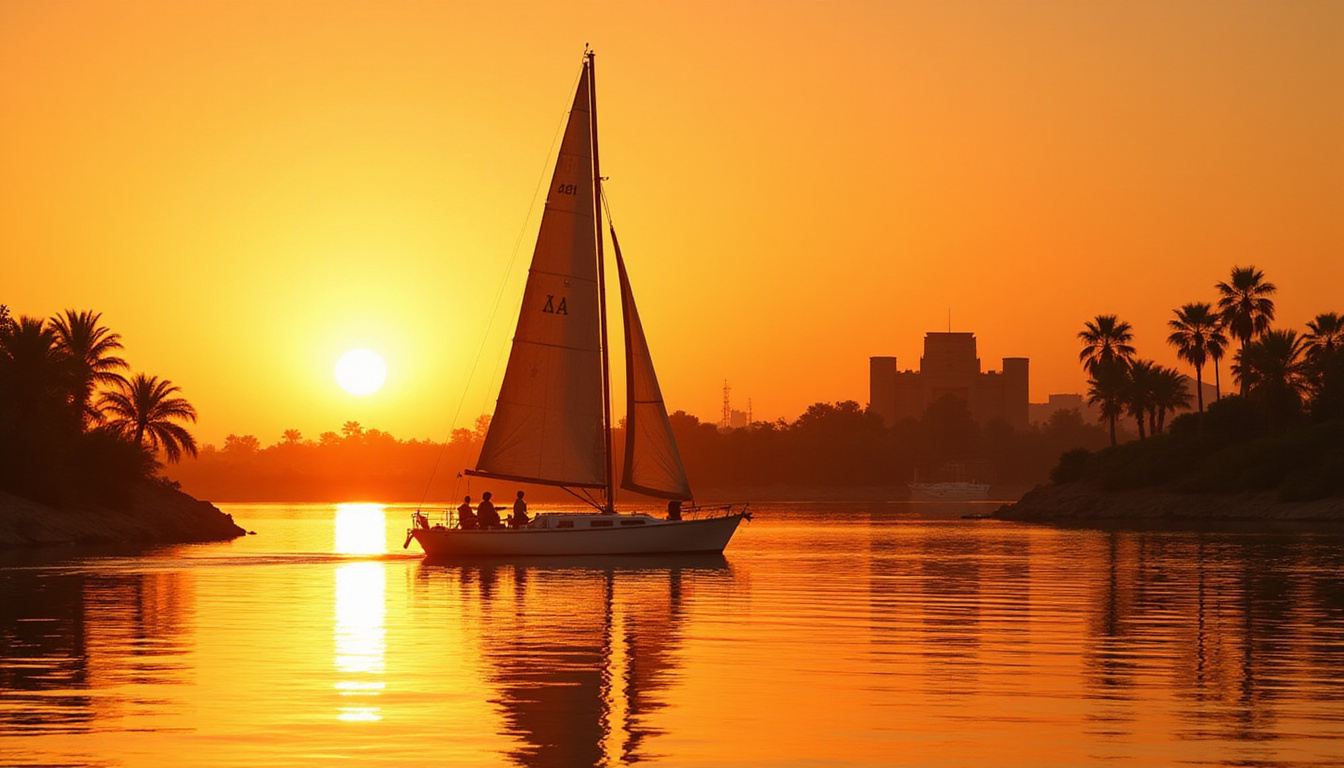
[Image: Dahabiya on the Nile at sunset]
H2: What is a Dahabiya and who is it for?
A Dahabiya is a low-draft, two- or three-masted boat that brings back the charm of the 19th century. Unlike large cruise ships, a Dahabiya carries 6–16 guests. The boat moves into quiet coves and small villages. This Nile cruise suits:
- Couples looking for romance or slow travel
- History fans who enjoy long temple visits
- Photographers and birdwatchers
- Travelers who prefer small-group tourism
H2: Best time to sail and seasonal advice
Plan your Dahabiya itinerary to enjoy a pleasant trip and clear views.
- October–April: Peak season brings cool air (20–30°C). You get good chances for temple visits and dining on board.
- May–September: In these hot months, the day may soar above 35°C. Try morning shore trips and keep sun protection close.
- The Nile water is usually calm. Winter winds, however, may slow the sail. Pick flexible dates when you depend on wind power.
H2: Typical Dahabiya itinerary routes and sample plans
Below are three popular plans—relaxed, classic, and extended—each showing different ways to visit.
H3: 3–4 day relaxed Dahabiya itinerary (luxury weekend)
A short route for those with little time:
- Day 1 — Start in Luxor; see the Valley of the Kings at sunset (if you like) and then sail in the evening.
- Day 2 — Visit Edfu and explore its temple; sail to a small island for the night.
- Day 3 — Stop at Kom Ombo in the early morning; return to Luxor or leave at Aswan.
H3: 7-day classic Dahabiya itinerary (most popular)
This seven-night plan mixes major sites with slow sailing:
- Day 1 — Begin in Luxor and view Karnak Temple as dusk comes.
- Day 2 — See the Valley of the Kings and Hatshepsut Temple; sail toward Esna.
- Day 3 — Sail to Edfu and visit its temple.
- Day 4 — Visit Kom Ombo; sail and relax on board.
- Day 5 — Visit a Nubian village near Aswan and see Philae at sunset.
- Day 6 — Enjoy a free day in Aswan. You can add a trip to Abu Simbel if you wish.
- Day 7 — End your trip in Aswan. There are options to fly or continue by land.
H3: 10–14 day extended Dahabiya itinerary (for explorers)
Keep sailing south past Aswan. You can see camel treks, desert oases, and remote Nubian life. You may also mix in a land tour to Abu Simbel or the Siwa Oasis to explore Egypt more deeply.
[Image: Small group touring Kom Ombo from a Dahabiya]
H2: Top stops and what to expect at each
- Luxor (East & West Banks): See Karnak, Luxor Temple, and the Valley of the Kings. Expect crowds when many visit; Dahabiya guests often go early.
- Esna: A town near a lock with local markets and the Esna Temple façade.
- Edfu: Visit one of the best-kept temples (Horus Temple). Plan on 1–2 hours here.
- Kom Ombo: See the twin temple of Sobek and Horus. It is a short stop with great photo chances.
- Aswan: Enjoy Philae Temple, Nubian villages, and quiet felucca rides. Use Aswan to reach Abu Simbel if you wish.
H2: Local tips, cultural rules, and safety
- Wear clothes that cover your shoulders and knees at temples and villages.
- Ask before taking pictures of people in Nubian villages. Small tokens like pens or candy work well for children.
- Bargain in markets in a friendly way. Tip the tour staff according to group size and service.
- For safety, travel in the main tourist areas along Cairo–Luxor–Aswan. Register your travel plans at your embassy and follow local guide advice. Check official travel sites for new warnings.
H2: Food, drink, and dining on a Dahabiya
Meals on a Dahabiya come fresh and mix Egyptian with global tastes.

- Eat starters like hummus, baba ghanoush, and fresh salads. Enjoy grilled fish from the Nile and bread baked on board.
- In towns, try dishes like koshari and ful medames.
- Drink bottled water. Ask if your boat can refill filtered water to cut down on plastic.
- Tell the crew your dietary needs (like vegetarian or gluten-free) in advance.
H2: Costs, budgeting, and money-saving tips
A Dahabiya itinerary may cost more than a regular cruise because it is small-group and tailored:
- Prices run from moderate to luxury. Expect to pay 300–900+ USD per night per person.
- How to save:
- Choose the shoulder season (October or April) for lower rates.
- Try last-minute deals if your schedule is open.
- Share cabins or join departures with others to cut costs.
H2: Practical travel steps
- Getting there: Most trips start in Luxor or Aswan. Fly into Luxor (LXR) or Aswan (ASW), or ride a sleeper train from Cairo.
- Visas: Many visitors now use an e‑Visa or get one on arrival. Check the official portal for the latest rules.
- Packing: Bring a sun hat, sunscreen, light clothes for cool nights, good walking shoes, a power adapter, and a small daypack.
- Health: Basic vaccines and travel insurance with medical evacuation are wise.
H2: What to pack for your Dahabiya itinerary
- Comfortable day clothes plus one set for dinner.
- A camera with extra batteries and memory cards.
- A reusable water bottle (many boats refill filtered water).
- Your prescription medicines and a small first-aid kit.
H2: Sample packing checklist (quick)
- Passport, copies, and travel insurance
- Lightweight clothes and a scarf or shawl
- Sunscreen, hat, and sunglasses
- Comfortable shoes for walking
- Camera, phone, chargers, and adapter
- Reusable water bottle
H2: Staying longer: living like an expat on the Nile
If you want a longer stay in Egypt, combine parts of the Dahabiya trip with a rental in Luxor or Aswan. Local markets, friendly cafes, and an unhurried pace make day-to-day life simple for expats. Learn a few Arabic words and work with local guides and small business owners.
FAQ (schema-ready)
Q: How long should a Dahabiya itinerary be for first-time visitors?
A: For first-timers, a 4–7 day route works well. It gives you time to see Luxor and Aswan without feeling rushed.
Q: What is the best Dahabiya cruise itinerary from Luxor to Aswan?
A: A classic luxury route from Luxor to Aswan lasts 6–8 days. It stops at Karnak, the Valley of the Kings, Edfu, Kom Ombo, and Nubian villages.
Q: Can a Dahabiya itinerary include Abu Simbel?
A: Yes. You can plan a separate early-morning trip from Aswan or add an extra night to visit Abu Simbel because of its distance.
H2: Further reading and booking resources
Visit Egypt’s official tourism site or the e‑Visa portal for travel guidance and visa details. For more planning ideas, read our Egypt travel guide (/egypt-travel-guide) and compare Nile cruises (/nile-cruises).
H2: Final thoughts and next steps
A well-planned Dahabiya route mixes history, rest, and local views in each stop. Whether you want a short escape or a long history tour, the steady pace and personal service of a Dahabiya make every port feel memorable.
Call to action
Ready to plan your perfect Dahabiya itinerary? Book a consultation with our Nile experts, subscribe for exclusive route templates and discounts, or share this article with fellow travelers dreaming of Nile sails. Leave a comment with your travel dates and ideas — we will help you find the perfect route.
Sources:
- Egypt Tourism Authority — https://egypt.travel/