
Build an Al-Muizz Street walk around a few buildings you want to understand, rather than the number of stops you can tick off. The historic street runs between Bab al-Futuh and Bab Zuwayla, with monuments from different Islamic periods alongside shops and crafts. Decide which interiors matter to you, check their individual access arrangements, and leave time to notice the street between them.
The Historical Significance of Al-Muizz Street
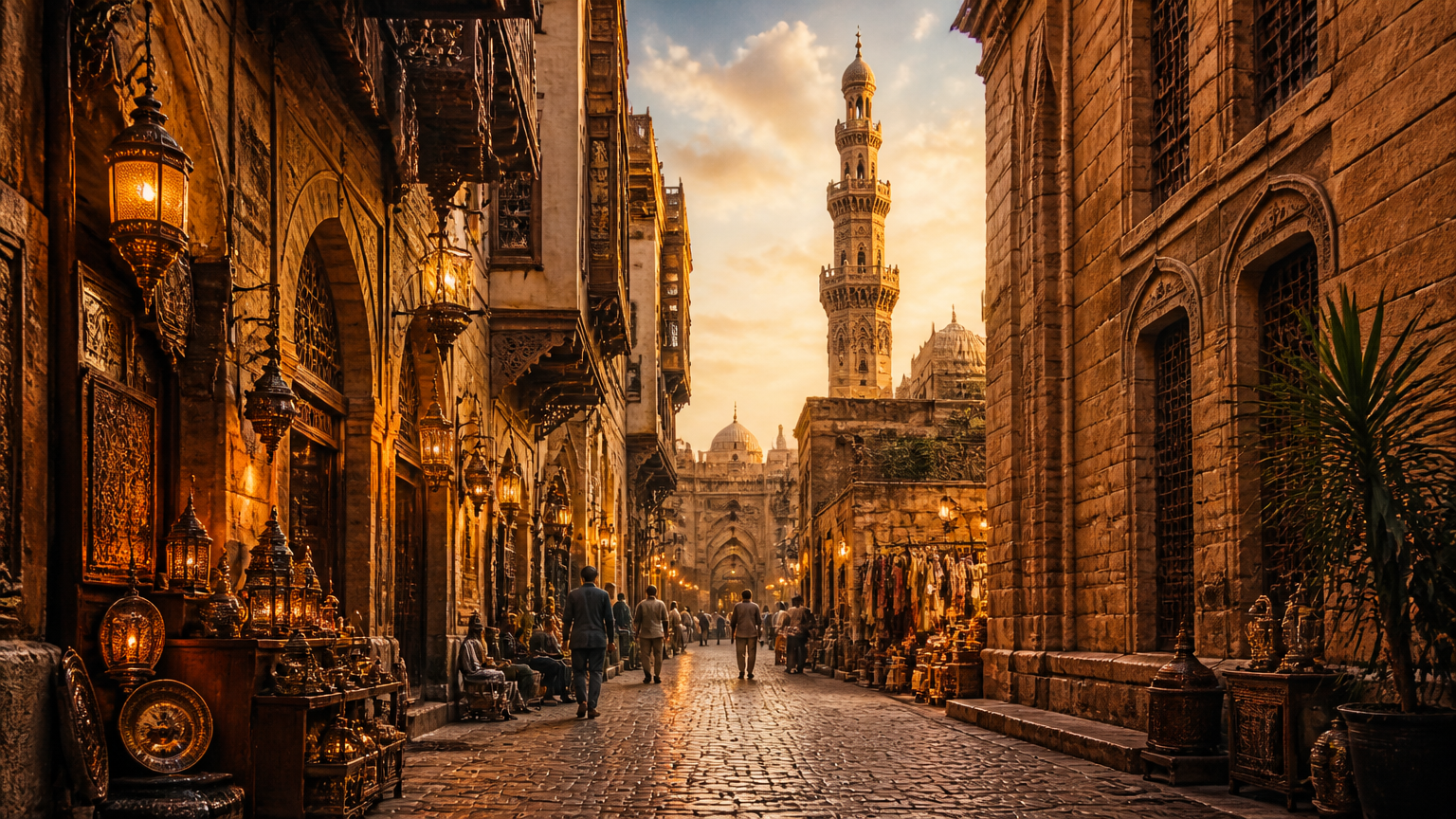
Al-Muizz Street is named after the Fatimid Caliph Al-Muizz li-Din Allah, who ruled during the 10th century. The street serves as a testament to the city's evolution over the centuries, showcasing a range of architectural styles from the Islamic period, including Fatimid, Ayyubid, Mamluk, and Ottoman influences.
Walking down Al-Muizz is like stepping back in time. Each building tells a story, from the grand mosques to the intricate details of smaller workshops. The street itself has been a commercial hub for centuries, bustling with traders and artisans who continue to craft traditional goods, making it an integral part of Cairo’s cultural heritage.
Key Architectural Highlights
- Mosque of Al-Hakim: Founded in the 10th century, this mosque is one of the oldest in Cairo. Its unique architectural style reflects the Fatimid dynasty and is an excellent example of early Islamic architecture. The mosque features a large courtyard and is known for its impressive minarets.
- Al-Azhar Mosque: Located nearby, Al-Azhar is not just a mosque but also a renowned Islamic university. Established in 970 AD, it serves as a significant educational institution and a pilgrimage site for scholars and students from around the world.
- Sultan Al-Ghuri Complex: This impressive Mamluk-era complex includes a mosque, a school, and a mausoleum. The intricate tile work and domes are a testament to the craftsmanship of the period and are well worth a visit.
- Bayt Al-Suhaymi: This historic house showcases the domestic architecture of the Mamluk period. The house features beautiful courtyards and is a great illustration of how people lived during this time.
- Bab al-Futuh and Bab Zuwayla: These gates at either end of Al-Muizz Street mark the entrance to the historic city. They are not only architectural marvels but also serve as symbolic representations of Cairo’s rich history.
Respectful Visits: Etiquette and Considerations
When visiting Al-Muizz Street, it’s essential to approach the experience with respect and mindfulness. Here are some practical tips to ensure a respectful visit:
- Dress Modestly: As many of the sites are religious, dressing modestly is a sign of respect. Lightweight, loose-fitting clothing that covers the shoulders and knees is advisable.
- Be Mindful of Local Customs: Remember that you are in a culturally rich environment. Being polite and considerate towards locals will enhance your experience.
- Photography Etiquette: While many buildings are photogenic, always ask for permission before taking pictures of people or private property. Some sites may have restrictions on photography.
- Engage with Local Artisans: Take the time to speak with craftsmen and shopkeepers. They often have fascinating stories to share about their work and the history of the area.
Choosing a Base in Cairo
Selecting the right base for exploring Al-Muizz Street and the surrounding areas can enhance your experience. Here are some neighbourhoods to consider:
<!– commandhub-affiliate:start –>
*Affiliate disclosure: we may earn a commission if you book through these links.*
Planning an overnight stay? Compare accommodation through Booking.com — hotels and accommodation or Agoda — hotel stays. Select your destination and dates, then check the map, travel time to the sights and cancellation terms before booking.
<!– commandhub-affiliate:end –>
1. Islamic Cairo
Staying in Islamic Cairo allows for easy access to Al-Muizz Street and other historical sites. This area is rich in culture and atmosphere, providing a unique opportunity to experience Cairo’s vibrant street life.
2. Downtown Cairo
Downtown offers a mix of modern amenities and historical architecture. It is well-connected to public transport and is a short distance from Al-Muizz Street.
3. Zamalek
If you prefer a quieter environment, Zamalek is a leafy district that provides a more relaxed atmosphere. While it is a bit further from Al-Muizz, it is well-connected by taxi or public transport.
Craftsmanship and Markets
One of the most captivating aspects of Al-Muizz Street is the presence of traditional markets (souks) and artisans. Here, you can find a variety of handcrafted goods that reflect the rich cultural heritage of Egypt:
- Textiles: Look for beautifully woven fabrics, including silk and cotton, often dyed with natural colours.
- Pottery: Traditional pottery, often hand-painted with intricate designs, is a popular buy.
- Leather Goods: High-quality leather products, from bags to shoes, are abundant and make for excellent souvenirs.
- Calligraphy and Art: Local artists often sell their work, showcasing traditional Arabic calligraphy and paintings that capture the essence of Egyptian culture.
Supporting Local Artisans
When you purchase items from artisans on Al-Muizz Street, you are not just buying souvenirs; you are supporting local craftspeople and helping to preserve traditional skills. Engaging with them can provide insight into their craft and the significance of their work.
Exploring Beyond Al-Muizz Street
While Al-Muizz Street is a highlight, there are plenty of other attractions nearby worth exploring:
- Khan el-Khalili Bazaar: A bustling market filled with shops selling everything from spices to jewellery. It’s a great place to experience the local atmosphere and perhaps enjoy a traditional coffee at one of the many cafes.
- The Citadel of Saladin: A short distance from Al-Muizz Street, this historic fortress offers stunning views of the city and is home to several museums and mosques.
- Coptic Cairo: This area is rich in Christian history and features ancient churches, including the Hanging Church and the Coptic Museum.
Practical Tips for Your Visit
- Timing Your Visit: Early morning is often the best time for a stroll along Al-Muizz Street, as it allows you to enjoy the cooler temperatures and witness the street coming to life.
- Stay Hydrated: Cairo can be hot, especially during summer months. Carry water and take breaks as needed.
- Public Transport: Familiarise yourself with local transport options, such as taxis and metro services, to navigate the city easily.
Frequently Asked Questions
What is the best time to visit Al-Muizz Street?
The best time to visit Al-Muizz Street is during the cooler months, from October to April. Early mornings are ideal for avoiding the heat and crowds, allowing for a more pleasant experience.
Are there guided tours available for Al-Muizz Street?
Yes, several local guides offer walking tours that provide deeper insights into the history and architecture of Al-Muizz Street. These tours can enhance your understanding and appreciation of the area.
Is it safe to walk along Al-Muizz Street?
Check current travel advice and local guidance for the time and route you intend to visit. Choose a clear meeting point, keep your belongings secure and confirm the return journey. A heritage listing should not be treated as a current assurance about personal safety.
In conclusion, Al-Muizz Street is not just a destination; it is a journey through time. By appreciating its architecture and engaging respectfully with the local culture, visitors can truly understand the heartbeat of Cairo. Whether you are an architecture enthusiast, a history buff, or just seeking to experience the local way of life, a walk along Al-Muizz Street is sure to leave a lasting impression.